

If your dog has just been neutered, you might be wondering how to help them recover quickly and comfortably. Knowing the right steps to take after the surgery can make a big difference in your dog’s healing process.
You want to make sure your furry friend feels safe, stays healthy, and avoids any complications. You’ll find simple and effective tips to care for your dog after neutering. By following these easy guidelines, you’ll give your pet the best chance for a smooth and speedy recovery.
Keep reading to discover how you can be the best support your dog needs right now.

Credit: www.amazon.com
Post-surgery Rest
After neutering surgery, rest is very important for your dog’s recovery. Rest helps the body heal faster and reduces the risk of complications. Your dog needs a quiet and calm environment to recover well. Avoid loud noises and busy areas in your home. Keep your dog relaxed and comfortable during this time.
Creating A Comfortable Space
Set up a soft and warm bed for your dog. Choose a quiet corner away from other pets and heavy foot traffic. Use blankets or cushions to make the space cozy. Make sure the area is clean and dry. This space should be easy for your dog to reach without much effort.
Limiting Physical Activity
Keep your dog calm and prevent jumping or running. Short, slow walks for bathroom breaks are okay. Avoid playing or roughhousing until the vet says it’s safe. Too much movement can open the surgical wound or cause pain. Use a leash to control your dog’s activity outside.
Monitoring Sleep Patterns
Watch how your dog sleeps after surgery. Healthy rest means your dog feels safe and pain-free. Check if your dog changes position often or seems restless. Excessive panting or whining may signal discomfort. Call your vet if sleep problems continue or worsen.
Managing Pain And Discomfort
Managing your dog’s pain and discomfort after neutering is very important. Proper care helps your pet heal faster and stay calm. Pain can make dogs restless and unhappy. You need to watch your dog closely and help ease their discomfort.
Using Prescribed Medications
Follow the vet’s instructions for all medications. Give pain relief medicines exactly as prescribed. Never give human medicine to your dog. Some medicines can harm pets. Keep the medicine schedule regular for best effect.
Recognizing Signs Of Pain
Look for signs like whining, panting, or hiding. Your dog may lick or bite the surgery area. They might seem restless or refuse food. Changes in behavior often show pain or discomfort. Contact your vet if pain seems severe or lasts long.
Natural Pain Relief Options
Try gentle massage to soothe your dog’s muscles. Keep your dog calm with soft bedding and quiet space. Cold compresses can reduce swelling and pain. Always ask your vet before trying any natural treatments. Comfort and care help your dog feel better.
Wound Care
Proper wound care is key after neutering your dog. It helps the cut heal fast and stops infections. Watch your dog closely during the first days. The wound needs gentle care and attention.
Keeping The Incision Clean
Keep the area dry and clean. Use a soft cloth dampened with warm water to wipe around the cut. Avoid scrubbing the wound directly. Change bedding often to keep germs away. Do not use any creams or sprays unless your vet says so.
Preventing Licking And Scratching
Dogs want to lick or scratch their wound. This can cause pain and infection. Use a cone or an inflatable collar to stop licking. Check the collar fits well but is not too tight. Distract your dog with toys and attention to reduce licking.
Checking For Infection
Look at the wound every day. Redness, swelling, or bad smell are signs of infection. Watch for discharge or pus coming from the cut. If your dog is very tired or has a fever, call the vet. Early action helps avoid bigger problems.
Credit: uk.virbac.com
Diet And Hydration
After neutering, your dog’s diet and hydration need special care. Proper food and water intake help your pet heal well. It supports their immune system and keeps energy levels steady. Watch their eating and drinking habits closely in the days after surgery.
Adjusting Meal Portions
Neutered dogs often need fewer calories. Their energy use drops, but their appetite may stay high. Reduce meal portions to avoid weight gain. Divide food into smaller, frequent meals. This helps digestion and prevents overeating. Consult your vet for exact portion sizes. A balanced diet keeps your dog healthy during recovery.
Encouraging Fluid Intake
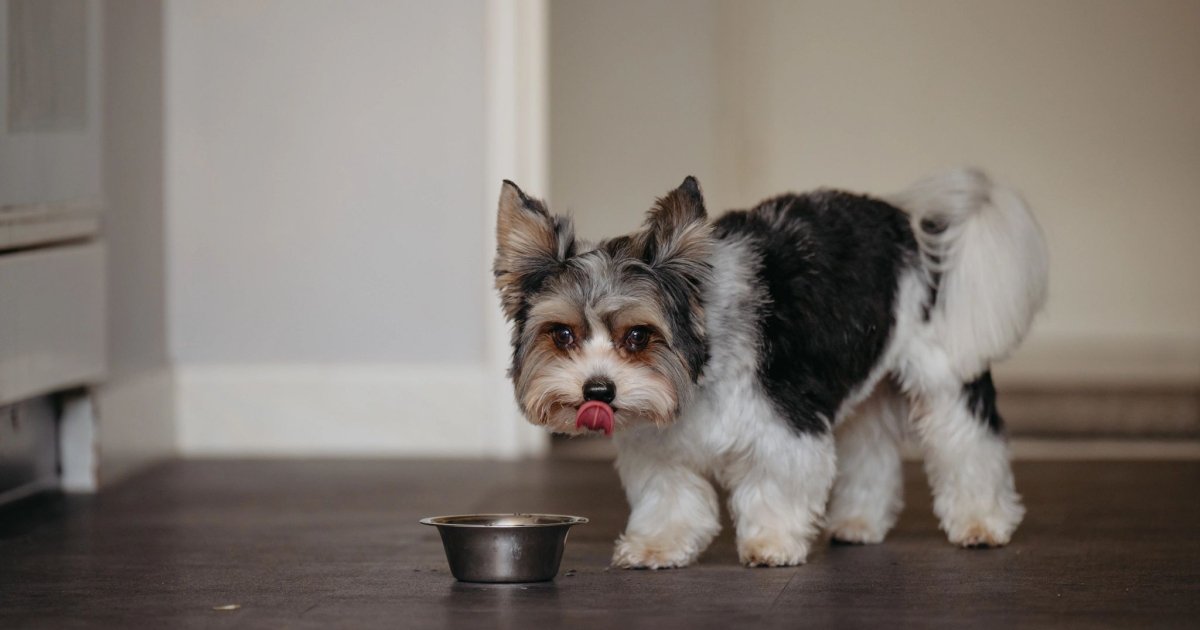
Water is vital after surgery. It helps flush out toxins and supports healing. Offer fresh water often throughout the day. Use a clean bowl and place it where your dog rests. Some dogs drink less after surgery. Try adding a little low-sodium broth to their water. This can make drinking more appealing.
Foods To Avoid
Avoid giving your dog fatty or spicy foods. These can upset the stomach and slow healing. Stay clear of treats high in sugar or salt. Do not feed human snacks or table scraps. Stick to vet-recommended dog food during recovery. Proper nutrition means better healing and fewer problems.
Monitoring Behavior Changes
After neutering, your dog’s behavior may change. Watching these changes helps you know if your dog is healing well. Behavior monitoring shows comfort and possible problems. This guide helps you understand normal signs and when to call the vet.
Identifying Normal Recovery Behaviors
Your dog may be calm and sleep more than usual. Some soreness or mild swelling near the surgery site is normal. Your dog might lick the area, but try to stop excessive licking. Appetite can be lower for a day or two. Mild tiredness and less interest in play are common. These signs usually improve within a few days.
When To Contact The Vet
Contact the vet if your dog shows unusual signs. Watch for heavy bleeding or swelling that gets worse. If your dog has a strong smell or pus from the wound, call the vet. Vomiting, diarrhea, or refusing to eat for more than a day is serious. If your dog is very weak, unresponsive, or has trouble breathing, seek immediate help.

Credit: www.amazon.com
Follow-up Care
Follow-up care is very important after neutering your dog. It helps make sure your pet heals well and avoids problems. Paying close attention during this time can keep your dog safe and comfortable.
Scheduling Vet Visits
Schedule a vet visit a few days after surgery. The vet will check your dog’s healing progress. They look for signs of infection or swelling. Early visits catch problems before they get worse. Always keep these appointments on time.
Removing Stitches Or Staples
Your dog may have stitches or staples after surgery. The vet removes them about 10 to 14 days later. Do not try to remove them at home. Let a professional do it to avoid hurting your dog. Keep the area clean until removal day.
Long-term Health Benefits
Neutering helps prevent certain cancers and infections. It also reduces unwanted behaviors like marking or aggression. Follow-up care supports these benefits by ensuring proper healing. A healthy recovery leads to a happier, longer life for your dog.
Frequently Asked Questions
How Long Does A Dog Need Rest After Neutering?
A dog typically needs 7 to 14 days of rest after neutering. Limit physical activity to prevent injury. Avoid running, jumping, and rough play during this period. Provide a calm and comfortable environment to aid healing.
What Signs Indicate Infection After Neutering?
Watch for redness, swelling, or discharge around the incision. Excessive licking, lethargy, or loss of appetite may also signal infection. Contact your vet immediately if you notice these symptoms for prompt treatment.
Can Dogs Eat Normally After Neutering Surgery?
Yes, dogs can usually eat normally after neutering. Offer small, light meals the first day to avoid stomach upset. Gradually return to their regular diet unless your vet advises otherwise.
How To Prevent A Dog From Licking The Incision?
Use an Elizabethan collar (cone) or a recovery suit to prevent licking. Distract your dog with toys or gentle attention. Preventing licking helps avoid infection and promotes faster healing.
Conclusion
Caring for your dog after neutering takes patience and care. Keep the wound clean and dry to avoid infection. Watch your dog’s activity and stop rough play. Give all medicine as the vet says. Check the incision daily for any changes.
Rest helps your dog heal faster. Offer fresh water and healthy food. Your gentle care helps your dog feel better soon. Stay calm and patient during recovery. Your dog will thank you with love and loyalty.


