
Have you ever thought about turning your love for dogs into a meaningful career? Becoming a dog trainer for service dogs is one of the most rewarding paths you can take.
You get to help dogs learn skills that change lives—both for the dogs and the people who rely on them. But how do you get started? What skills do you need, and what does the training involve? This guide will walk you through everything you need to know to become a confident, effective trainer for service dogs.
Keep reading, and discover how you can make a real difference with your passion and dedication.

Credit: www.animalbehaviorcollege.com
Skills Needed For Service Dog Training
Training service dogs requires special skills. These skills help trainers teach dogs to assist people with disabilities. Good trainers build trust and clear understanding with their dogs. This section explains key skills needed for service dog training.
Patience And Consistency
Patience is vital in service dog training. Dogs learn at different speeds. Some tasks take longer to master. Trainers must stay calm and keep trying. Consistency helps dogs understand what is expected. Repeating commands the same way builds clear habits. Without patience and consistency, training can confuse the dog.
Understanding Canine Behavior
Knowing how dogs think is important. Trainers observe body language and reactions closely. This helps them adjust training methods. Understanding fear, excitement, or stress guides better teaching. Trainers use this knowledge to avoid mistakes. A good trainer reads signs early to help dogs succeed.
Communication Techniques
Clear communication makes training easier. Trainers use simple commands and signals. Dogs respond well to tone and gestures. Positive reinforcement encourages good behavior. Trainers must speak calmly and clearly. Effective communication builds trust and improves learning speed.
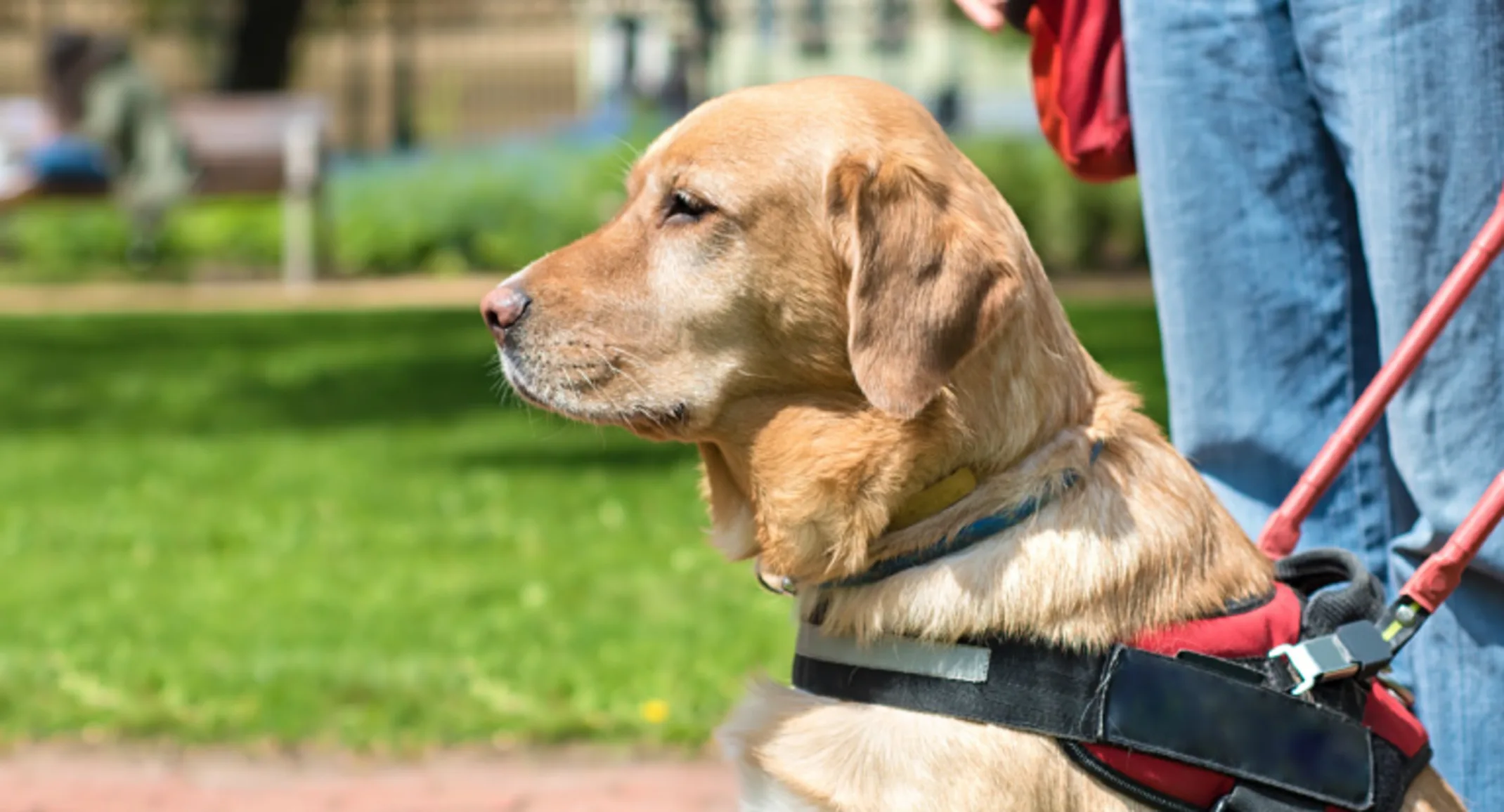
Credit: www.herndonveterinary.com
Educational Paths To Follow
Becoming a service dog trainer requires specific knowledge and skills. Education plays a key role in gaining this expertise. Following the right educational paths helps build a strong foundation. Training programs vary in length and focus. Choose options that fit your goals and schedule.
Relevant Certifications
Certifications prove your skills and knowledge in dog training. Look for programs that focus on service dogs. The International Association of Canine Professionals offers respected certificates. Certified Professional Dog Trainer (CPDT) is a popular choice. These credentials increase trust with clients and employers.
Specialized Courses
Specialized courses target service dog training techniques. They cover behavior, obedience, and task training. Some courses teach how to work with people with disabilities. Online and in-person options are available. Choose courses with experienced instructors and clear goals.
Workshops And Seminars
Workshops offer hands-on experience in a short time. Seminars provide updated knowledge from experts in the field. Attend events focusing on service dog training methods. These sessions help connect with other trainers. Learning from real cases improves your skills quickly.
Gaining Practical Experience
Gaining practical experience is a key step to becoming a skilled service dog trainer. It helps build real skills and confidence. Practical work shows you how to handle different dogs and training situations. This experience is often more valuable than theory alone. It also helps you understand the needs of service dogs and their handlers.
Volunteering Opportunities
Volunteering with service dog organizations offers hands-on experience. Many groups need help with training and socializing dogs. This gives you a chance to see training in action. You can learn basic commands and how to manage dog behavior. Volunteering also connects you with professionals and other trainees.
Apprenticeships With Experts
Working as an apprentice under an expert trainer builds strong skills. Apprenticeships provide daily, real-world training experience. You observe techniques and assist with training plans. Experts guide you through challenges and teach problem-solving methods. This close mentorship speeds up learning and boosts your confidence.
Hands-on Training Sessions
Participating in hands-on training sessions improves your practical skills. These sessions let you practice commands and obedience drills. You learn how to train dogs for specific service tasks. Repeating exercises helps dogs and trainers learn faster. Hands-on work builds trust between you and the dog.
Legal And Ethical Considerations
Training service dogs involves more than teaching commands and tasks. Trainers must understand the legal and ethical rules that protect both the dogs and the people they help. Knowing these rules helps trainers work safely and fairly.
Respecting laws and ethics builds trust with clients and the public. It ensures the service dogs perform well in real situations. This section explains key legal and ethical points every trainer should know.
Service Dog Laws
Service dog laws define rights and responsibilities for trainers and handlers. The Americans with Disabilities Act (ADA) is a main law in the U.S. It allows service dogs to enter public places with their handlers.
Trainers must know what tasks qualify a dog as a service dog. They must avoid training dogs for tasks not covered by law. Misrepresenting a pet as a service dog can lead to fines and legal trouble.
Each state may have additional laws. Trainers should check local rules about certification and access. Following laws protects trainers and clients from misunderstandings.
Ethical Training Practices
Ethical training means using kind and effective methods. Trainers avoid punishment or harsh treatment. Positive reinforcement helps dogs learn faster and stay motivated.
Trainers must focus on the dog’s well-being. Stress or fear can harm the dog’s health and performance. Good trainers watch for signs of discomfort and adjust training.
Ethics also include honesty about a dog’s abilities. Trainers should not promise results they cannot guarantee. Clear communication with clients builds respect and trust.
Client Confidentiality
Service dog trainers often learn personal details about their clients. Respecting privacy is essential. Trainers must keep client information private and secure.
Sharing client details without permission can damage relationships and violate laws. Trainers should discuss confidentiality policies openly before starting work.
Protecting client privacy shows professionalism. It helps create a safe, trusting environment for training service dogs.
Building A Career As A Service Dog Trainer
Building a career as a service dog trainer requires passion and dedication. This field helps people who need support dogs for daily tasks. Trainers teach dogs special skills to assist their owners. Success depends on skills, connections, and ongoing learning.
Starting Your Own Business
Many service dog trainers start their own businesses. This allows control over training methods and client choices. To begin, create a clear plan for services and pricing. Register your business with local authorities. Invest in quality training tools and a safe space for dogs. Clear contracts with clients protect both parties. Marketing your services helps attract new clients.
Networking With Professionals
Building strong connections is key in this career. Meet veterinarians, therapists, and other trainers regularly. Attend workshops and local events to expand your network. These contacts can refer clients or share useful advice. Join online groups focused on service dog training. Communication with experts improves your knowledge and reputation.
Continuing Education
Learning never stops in service dog training. New techniques and rules appear often. Enroll in courses to enhance your skills and certifications. Study behavior, health, and training methods deeply. Reading books and research papers adds value. Staying updated ensures better results for dogs and owners.

Credit: atlasdog.org
Frequently Asked Questions
What Qualifications Are Needed To Become A Service Dog Trainer?
To become a service dog trainer, you need experience with dogs, knowledge of behavior training, and often certification. Courses in animal behavior or dog training enhance skills. Patience and strong communication skills are essential. Some trainers pursue professional certification for credibility.
How Long Does It Take To Train Service Dogs?
Training service dogs typically takes 6 months to 2 years. It depends on the dog’s breed, temperament, and the tasks they must learn. Consistent, positive reinforcement techniques speed up progress. Ongoing training ensures the dog maintains skills for service work.
Can Anyone Become A Certified Service Dog Trainer?
While anyone can pursue training, certification usually requires formal education and hands-on experience. Professional organizations offer certification programs with exams and practical assessments. Commitment to ethical training and understanding disability needs are crucial to qualify as a certified trainer.
What Skills Are Essential For Training Service Dogs?
Key skills include patience, observation, and clear communication with dogs and clients. Trainers must understand canine behavior, positive reinforcement, and task-specific training. Problem-solving and adaptability help address unique challenges during training. Empathy towards people with disabilities is also important.
Conclusion
Becoming a service dog trainer takes patience and care. Focus on learning the right skills step by step. Practice with different dogs to gain experience. Stay kind and calm with every dog you train. Remember, helping people through dogs is a special job.
Keep improving and never stop learning. Your work will make a real difference in many lives. Start small, stay dedicated, and enjoy the journey.


