

Are you thinking about breeding your dog but wondering when the right time is? Knowing how old your dog should be before breeding is one of the most important decisions you’ll make.
Breed too early, and you risk your dog’s health and the puppies’ well-being. Wait too long, and you might miss the best chance for a healthy litter. You’ll discover key signs to look for, expert advice, and simple guidelines to help you choose the perfect time to breed your dog safely.
Keep reading to make sure you give your furry friend the best start possible.

Credit: www.newsweek.com
Ideal Breeding Age For Dogs
Choosing the right age for breeding dogs is very important. It helps keep both the mother and puppies healthy. Dogs must be mature enough before they start breeding. This ensures they can handle pregnancy and raise strong puppies.
Breeding too early or too late can cause health problems. Knowing the ideal breeding age helps owners plan better. It also improves the chances of healthy litters and fewer complications.
Breeding Age For Female Dogs
Female dogs should be at least 18 to 24 months old before breeding. This age allows their bodies to fully grow and develop. Early breeding can cause health risks for the mother and puppies. It is best to wait until after the second heat cycle. This gives the female time to gain strength and maturity.
Breeding females should not be too old either. After about 5 to 6 years, pregnancy risks increase. Regular health checks before breeding are important to confirm readiness.
Breeding Age For Male Dogs
Male dogs can start breeding a bit earlier than females. Usually, males are ready from 12 to 18 months old. At this age, they reach sexual maturity and can produce healthy sperm. Breeding males should be strong and healthy to avoid passing on problems.
Males can breed longer than females, often up to 7 years or more. Still, testing for good health and fertility is necessary before breeding. Proper care and diet help maintain a male’s breeding ability.
Factors Influencing Breeding Age
Determining the right age for a dog to breed depends on many factors. These elements help ensure the health and safety of both the dog and its puppies. Understanding these factors helps breeders make responsible decisions. Age alone is not enough to decide when a dog should breed.
Breed Size And Maturity
Small dog breeds usually mature faster than large breeds. Small breeds can often breed safely around one year old. Large breeds need more time to grow and develop fully. They may not be ready until two years old or later. Breeding too early can harm the dog’s health and the puppies’ quality.
Health Status And Genetic Screening
Healthy dogs have better chances of safe breeding and healthy puppies. A vet checkup is important before breeding. Genetic tests can reveal inherited diseases or conditions. Avoid breeding dogs with serious health issues. Health status influences the best time to breed a dog.
Behavioral Readiness
Behavior shows if a dog is ready for breeding. Dogs need to be calm and mature enough to handle breeding. Nervous or aggressive dogs may have trouble during the process. Breeders should observe the dog’s behavior before deciding. A well-adjusted dog contributes to a smooth breeding experience.
Risks Of Early Breeding
Breeding a dog too early can cause serious problems. Many dog owners think early breeding is fine. The truth is, it carries risks for both the mother and her puppies. Understanding these risks helps keep dogs healthy and safe.
Health Complications For Mother
Young female dogs often face health issues if bred too soon. Their bodies may not be ready for pregnancy. This can cause difficult births and infections. Early breeding can weaken the mother’s immune system. It also raises the chance of miscarriage or stillbirth.
Physical strain on a young dog is high. She might suffer from anemia or poor nutrition. Recovery after birth takes longer for young mothers. This can affect her future health and ability to have more litters.
Impact On Puppy Development
Puppies born to very young mothers may face health risks. They can be underweight or weak at birth. Early breeding can lead to poor milk production. This makes it harder for puppies to grow strong.
Young mothers may lack experience in caring for their puppies. This affects the puppies’ social and physical development. Weak puppies are more prone to illness and death. Healthy, mature mothers give puppies a better start in life.

Credit: aninutrit.com
Risks Of Late Breeding
Breeding a dog at an older age carries several risks. These risks affect both the mother and her puppies. Understanding these risks helps in making safe and responsible decisions for breeding. Late breeding can lead to health problems and complications during pregnancy.
Reduced Fertility
Older female dogs often have lower fertility rates. Their bodies produce fewer viable eggs. This makes it harder for them to conceive. Male dogs also experience a decline in sperm quality. The chances of successful breeding drop significantly with age. This means fewer puppies or no pregnancy at all.
Increased Pregnancy Risks
Pregnancy in older dogs is more dangerous. They face a higher chance of miscarriage or stillbirth. Complications during labor are common. Older mothers may have weak contractions or other birthing problems. These issues can endanger both the mother and her puppies. Veterinary care is often needed to manage these risks.
Signs Your Dog Is Ready To Breed
Knowing when your dog is ready to breed is important for their health and well-being. Dogs show clear signs that they are mature enough for breeding. These signs help you understand their physical and emotional readiness. Observing these signs carefully can guide you in making the right decision.
Physical Indicators
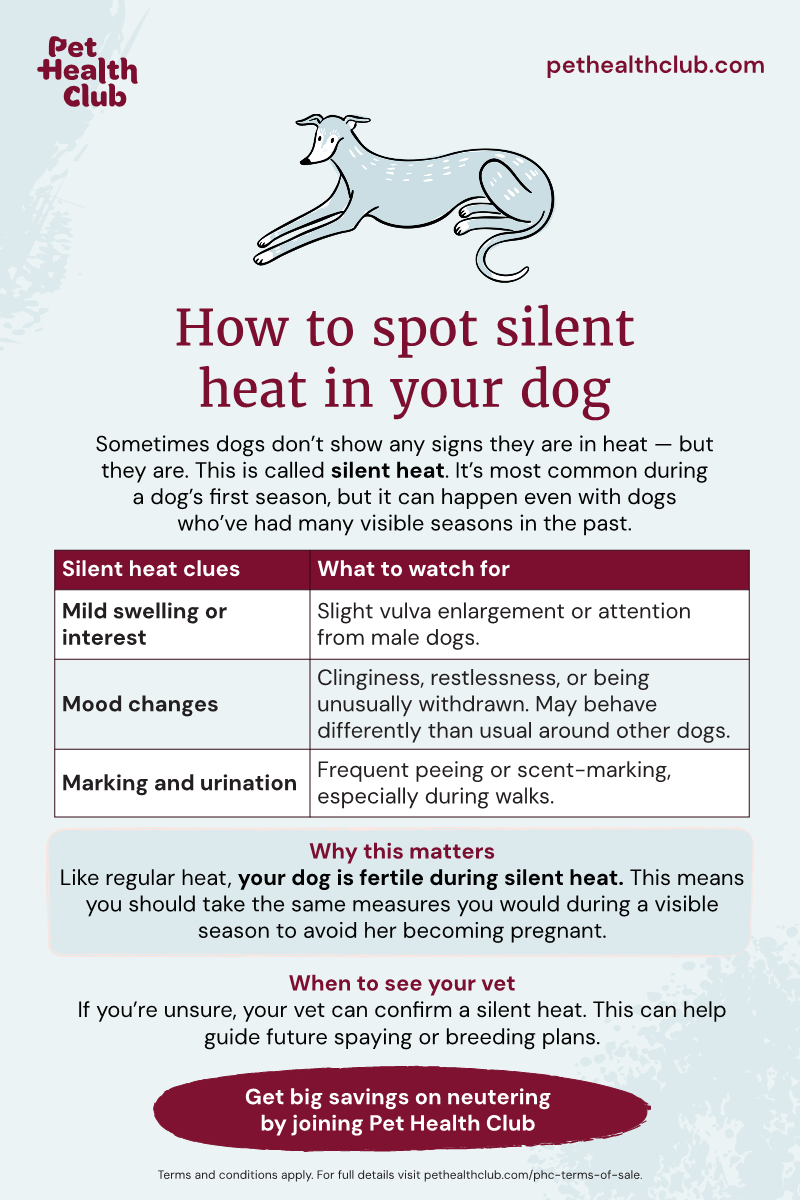
One key sign is the dog’s size and weight. The dog should reach full adult size. Female dogs often have a swollen vulva during their heat cycle. This swelling shows they are entering their fertile period. Male dogs may show an increase in muscle mass and body condition. Healthy teeth and coat also indicate good maturity. Physical readiness means the body can handle pregnancy or mating.
Behavioral Changes
Dogs act differently when ready to breed. Female dogs may become restless or seek more attention. They might also lick their genital area more often. Male dogs often become more alert and protective. They may show interest in female dogs in heat. Some dogs may mark territory more frequently. These behavior changes show natural instincts to mate.
Veterinary Recommendations
Veterinary advice plays a key role in deciding the right age for dog breeding. Experts focus on the dog’s health and readiness. They guide breeders to avoid health risks for both the dog and puppies. Careful checks ensure safe breeding and strong offspring.
Pre-breeding Health Checks
Before breeding, dogs need a full health exam. Vets check for hereditary diseases and physical fitness. Blood tests help find hidden health issues. Dogs must be free from infections and genetic problems. These checks reduce risks and improve breeding success.
Vaccinations And Parasite Control
Vaccines protect dogs from dangerous diseases before breeding. Dogs need up-to-date vaccinations for their safety. Parasite control is equally important. Fleas, ticks, and worms can harm the dog and puppies. Regular treatments keep parasites away and maintain good health.
Ethical Breeding Practices
Ethical breeding practices are vital for the health of dogs and their puppies. These practices focus on the well-being of the mother and the future litter. Breeders must respect the dog’s age, health, and recovery needs. Following ethical guidelines helps prevent health problems and supports strong, happy dogs.
Responsible Breeding Intervals
Allow enough time between litters for the mother to rest. Rest helps her body recover fully. Breeding too soon can harm her health and her puppies. Experts suggest waiting at least one heat cycle before breeding again. This gap reduces stress and supports better puppy care.
Avoiding Overbreeding
Overbreeding wears down the mother physically and mentally. It can cause birth complications and weaker puppies. Limiting the number of litters per dog is important. Ethical breeders keep track of each dog’s breeding history. They stop breeding once the dog reaches a safe age or number of litters.
Credit: www.pethealthclub.com
Alternatives To Traditional Breeding Age
Not all dogs need to follow the traditional breeding age guidelines. Alternatives exist that can help dogs have puppies safely and at the right time. These options offer ways to care for dogs that cannot breed naturally or need special attention. They also help people support dogs without breeding them the usual way.
Assisted Reproductive Technologies
Assisted reproductive technologies (ART) help dogs have puppies when natural breeding is hard. Techniques like artificial insemination and embryo transfer allow breeding without physical mating. These methods support older dogs or those with health issues. They increase the chance of healthy puppies. ART can also preserve rare breeds and improve genetic diversity.
Adoption And Rescue Options
Adoption and rescue provide loving homes for dogs without breeding. Many dogs need families and a safe place to live. Choosing adoption reduces the need for breeding more puppies. Rescue groups care for dogs of all ages and breeds. They help dogs find new families and happy lives. This option supports animal welfare and lowers dog overpopulation.
Frequently Asked Questions
When Is The Best Age To Breed A Dog?
Most experts recommend breeding dogs between 2 and 5 years old. This age ensures physical maturity and better health. Breeding too early or too late can risk complications for both the dog and puppies.
Why Wait Until A Dog Is Physically Mature?
Physical maturity means the dog’s body can handle pregnancy safely. It reduces health risks for the mother and increases puppy survival rates. Immature dogs may face serious complications during breeding and birth.
How Does Breed Affect Breeding Age?
Smaller breeds mature faster, often ready by 1. 5 years. Larger breeds may need to wait until 2 or older. Knowing your breed’s typical maturity helps ensure safe and successful breeding.
Can A Dog Breed After 6 Years Old?
While possible, breeding after 6 years increases health risks. Older dogs may face pregnancy complications and lower fertility. It’s best to consult a vet to assess your dog’s health before breeding at this age.
Conclusion
Choosing the right age to breed a dog matters a lot. Dogs should be healthy and mature enough first. Usually, dogs need to be at least one to two years old. This helps avoid health problems for both mother and puppies.
A vet can guide you on the best time to breed. Take care of your dog’s health before breeding. Remember, happy and healthy dogs make better parents. Breeding should be done with care and responsibility. This ensures a better life for dogs and their puppies.


