
Are you wondering how often you should groom your dog to keep them healthy and happy? Grooming isn’t just about making your furry friend look good—it’s essential for their comfort and well-being.
But with so many different breeds and coat types, it’s easy to get confused about the right grooming schedule. You’ll discover simple, practical tips tailored to your dog’s needs. Keep reading, and you’ll learn how to make grooming a stress-free, enjoyable part of your routine that strengthens the bond between you and your pet.
Factors Influencing Grooming Frequency
Grooming your dog is important for their health and happiness. The frequency depends on several factors. Each dog is unique and needs different care. Understanding these factors helps keep your dog comfortable and clean.
Breed And Coat Type
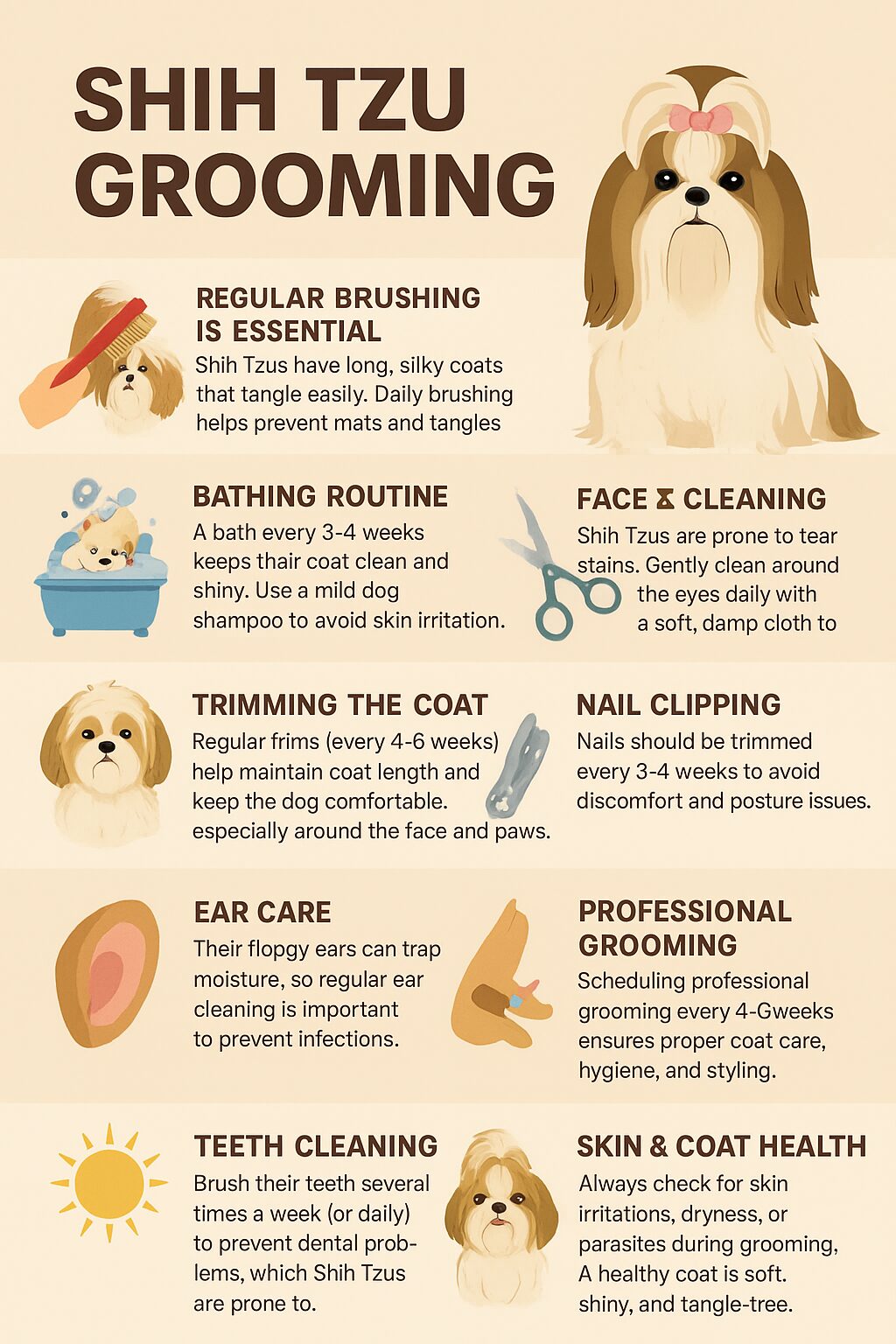
Different breeds have different coat types. Some dogs have short hair that needs less grooming. Others have long, thick coats that require frequent brushing. Curly or double coats often tangle and mat quickly. Regular grooming prevents mats and keeps the coat healthy.
Age And Health
Puppies and older dogs need gentler grooming. Young dogs may not tolerate long sessions. Older dogs might have sensitive skin or health issues. Health problems like arthritis can make grooming hard. Adjust the grooming routine to suit their needs and comfort.
Lifestyle And Activity Level
Active dogs that spend time outdoors get dirty faster. They may need more baths and brushing. Dogs that stay indoors usually need less grooming. Consider your dog’s daily activities when planning grooming sessions. Clean and care for your dog based on their lifestyle.
Credit: brooklynpetspa.com
Daily Grooming Tasks
Daily grooming keeps your dog healthy and happy. It helps catch problems early. Small tasks every day make a big difference over time. These simple steps can improve your dog’s comfort and appearance.
Brushing And Detangling
Brushing your dog daily removes loose hair and dirt. It stops mats and tangles from forming. Use a brush fit for your dog’s coat type. Gentle strokes calm your dog and improve blood flow. Brushing also spreads natural oils for a shiny coat.
Checking Ears And Eyes
Look at your dog’s ears and eyes each day. Clean ears prevent infections and irritation. Use a soft cloth or cotton ball for cleaning. Eyes should be bright and clear, without redness. Remove any discharge gently to avoid discomfort.
Teeth Cleaning Basics
Brush your dog’s teeth daily to fight plaque. Use a dog-friendly toothbrush and toothpaste. Clean all sides of the teeth carefully. Healthy teeth help your dog avoid bad breath and dental disease. Start slow to make brushing a good habit.
Weekly Grooming Routines
Weekly grooming keeps your dog clean and healthy. It helps spot problems early. A simple routine can reduce shedding and keep the coat shiny. Dogs enjoy regular care and feel more comfortable.
Set a fixed day for grooming. This builds a habit for both you and your pet. Focus on bathing, nail care, and coat conditioning each week. These tasks keep your dog happy and strong.
Bathing Guidelines
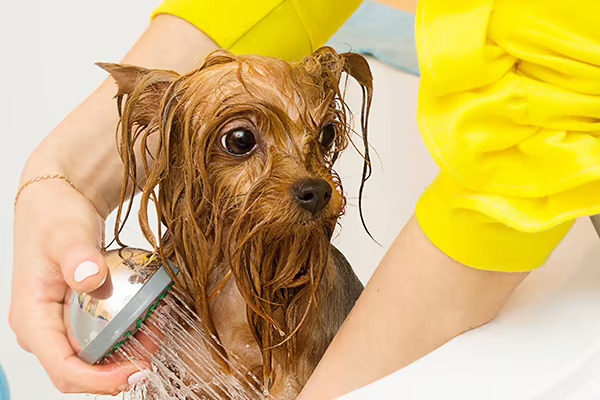
Bathe your dog once a week or every two weeks. Use a mild shampoo made for dogs. Avoid human shampoos; they can irritate your dog’s skin. Rinse well to remove all soap. Dry your dog with a towel or low heat dryer.
Check the ears during bath time. Clean only if dirty using a vet-approved solution. Avoid water in the ears to prevent infections. Bathing too often may dry the skin, so watch for signs.
Nail Trimming Tips
Trim nails once a week to prevent overgrowth. Use a nail clipper designed for dogs. Cut small amounts to avoid hurting the quick. If unsure, trim a little at a time. Smooth sharp edges with a nail file.
Keep your dog calm during trimming. Offer treats and praise for good behavior. Long nails can cause pain and walking problems. Regular trimming keeps your dog comfortable and active.
Coat Conditioning
Brush your dog’s coat weekly to remove dirt and loose hair. Choose a brush suitable for your dog’s hair type. Brushing spreads natural oils for a shiny coat. It also stops mats and tangles from forming.
Use a conditioner or coat spray if recommended by your vet. These products keep the fur soft and healthy. Brushing also helps check for fleas, ticks, or skin issues. A well-conditioned coat means a happy dog.
Credit: careerscollectiv.com
Monthly And Seasonal Care
Monthly and seasonal grooming helps keep your dog healthy and comfortable. It goes beyond regular brushing and quick baths. This care ensures your dog’s coat stays clean and skin stays healthy throughout the year.
Different times of the year need different grooming steps. Changing weather, shedding patterns, and skin needs require attention. Monthly and seasonal care helps catch problems early and keeps your dog looking its best.
Deep Cleaning And Fur Trimming
Once a month, give your dog a deep clean. Use a gentle shampoo to wash away dirt and oils. This keeps the coat fresh and prevents skin issues. Trim the fur to remove mats and tangles. Shorter fur helps reduce dirt buildup and keeps your dog cool in warm months.
Skin And Coat Health Checks
Check your dog’s skin for redness, bumps, or dryness every month. Healthy skin means a happy dog. Look for fleas, ticks, or other pests hiding under the fur. Regular checks catch problems early. Use your hands to feel for lumps or sores. If you find something unusual, see a vet.
Adjusting Grooming For Weather Changes
Change your grooming routine as seasons shift. In winter, your dog might need less frequent baths to keep natural oils. In summer, more baths can help cool your dog and remove sweat. Brush more during shedding seasons to control loose fur. Adjust fur length to protect your dog from cold or heat.
Signs Your Dog Needs Extra Grooming
Dogs need regular grooming to stay healthy and happy. Sometimes, regular brushing and baths are not enough. Watch for signs that show your dog needs extra grooming. These signs help you know when to give more care.
Matting And Tangles
Knots and mats form when hair is left untended. They can pull on your dog’s skin. This causes pain and discomfort. Mats trap dirt and moisture, leading to skin problems. Regular grooming stops mats from forming. Check your dog’s fur often. Pay close attention to areas behind ears, under legs, and around the collar.
Skin Irritations
Redness, bumps, or sores on the skin signal trouble. These irritations may mean your dog needs extra cleaning. Dirt and dead skin build-up cause itching and infections. Grooming helps remove harmful debris. It also spreads natural oils for a healthy coat. Watch your dog scratch or lick often. This behavior may point to skin issues needing care.
Unpleasant Odors
Bad smells come from dirt, oils, and bacteria. A strong odor means your dog needs a bath. It can also indicate ear infections or dental problems. Grooming cleans away odor-causing elements. Keep your dog smelling fresh and clean. Check the ears and mouth during grooming sessions. This helps find hidden sources of bad smells early.
Professional Grooming Insights
Professional grooming plays a key role in keeping your dog healthy and happy. Experts have the right tools and skills to care for your pet’s coat, nails, and skin. Regular visits to a groomer can prevent problems like matting and infections.
Understanding when to seek expert help, how to choose the right groomer, and the costs and benefits of professional care helps you make the best decision for your dog’s grooming needs.
When To Seek Expert Help
Look for signs that your dog needs professional grooming. Matted fur or skin irritations need attention. Dogs with thick or long coats often require regular trims. Also, if your dog resists home grooming, a groomer can help safely.
Professional grooming is essential before special events or seasonal changes. Groomers can spot health issues early, like ticks or skin problems, during their care.
Choosing The Right Groomer
Find a groomer with good reviews and proper certification. Visit the salon first to check cleanliness and safety. Ask about their experience with your dog’s breed. Friendly staff and gentle handling are important.
Communication is key. Share your dog’s needs and any health concerns. A good groomer listens and adapts care accordingly. Trust and comfort matter for your pet’s grooming visits.
Costs And Benefits Of Professional Care
Professional grooming costs vary by breed, size, and services needed. Regular grooming helps avoid costly health issues later. Well-groomed dogs feel better and look their best.
Investing in grooming saves time and stress at home. It supports your dog’s hygiene, comfort, and overall health. Quality grooming is a valuable part of pet care.
Grooming Tools And Products
Proper grooming keeps your dog healthy and happy. The right tools and products make grooming easier and more effective. Choosing suitable items depends on your dog’s coat type and skin sensitivity. Quality tools reduce discomfort and help maintain a clean, shiny coat.
Essential Brushes And Combs
Brushes and combs remove dirt, loose hair, and mats. Slicker brushes work well for long or curly coats. Bristle brushes suit short-haired dogs. Use a wide-tooth comb to detangle knots gently. Regular brushing prevents hair loss and skin problems.
Shampoos And Conditioners
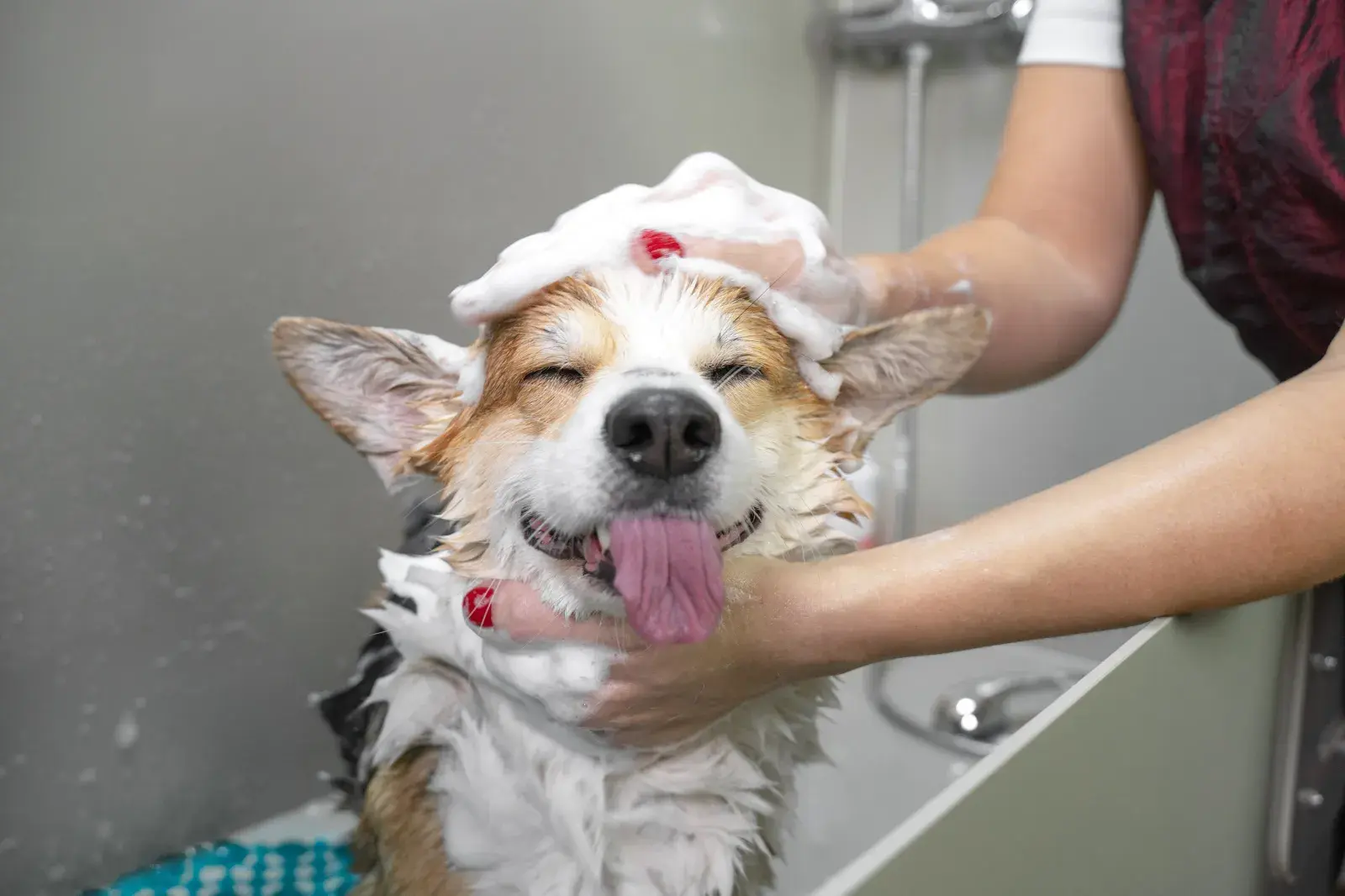
Choose shampoos that match your dog’s skin type. Sensitive skin needs gentle, fragrance-free formulas. Medicated shampoos help with allergies or infections. Conditioners soften hair and reduce tangles. Always rinse thoroughly to avoid irritation.
Safety And Comfort Accessories
Use grooming gloves to protect your hands and calm your dog. Nail clippers with safety guards prevent cutting too short. Ear cleaners keep infections away. A grooming mat stops slipping during sessions. Comfort tools make grooming stress-free for both.
Credit: www.newsweek.com
Frequently Asked Questions
How Often Should You Groom A Dog?
Grooming frequency depends on your dog’s breed, coat type, and lifestyle. Generally, dogs need grooming every 4 to 8 weeks. Long-haired breeds may require more frequent grooming, while short-haired dogs need less. Regular grooming keeps your dog healthy and comfortable.
What Are Signs My Dog Needs Grooming?
Look for matted fur, excessive shedding, and a dirty coat. Also, check for overgrown nails, ear odor, or eye discharge. These signs indicate it’s time for grooming. Regular grooming prevents skin problems and keeps your dog looking great.
Can Grooming Affect My Dog’s Health?
Yes, grooming promotes healthy skin and coat by removing dirt and dead hair. It also helps detect parasites, infections, and injuries early. Proper grooming reduces the risk of matting, which can cause pain and skin issues.
Is Professional Grooming Necessary For All Dogs?
Professional grooming benefits many dogs, especially those with thick or curly coats. Experts can trim nails, clean ears, and handle complex grooming tasks. However, some owners can groom their dogs at home with proper tools and knowledge.
Conclusion
Regular grooming keeps your dog healthy and happy. Coat type and breed affect how often grooming is needed. Short-haired dogs need less frequent care than long-haired ones. Watch for signs like matting or dirt to decide grooming times. Consistent grooming prevents skin problems and shedding.
Make grooming a calm, positive experience for your pet. Your dog will thank you with better comfort and cleanliness. Keep a grooming schedule that fits your dog’s needs. Simple care routines help maintain your dog’s wellbeing every day.


