

Your dog deserves the best care, and grooming plays a big part in keeping them happy and healthy. But how do you make dog grooming not just necessary, but truly cute and enjoyable?
Imagine your furry friend looking fresh, clean, and absolutely adorable every time you come home. You’re about to discover simple tips and tricks that will turn grooming into a fun bonding experience for both of you. Ready to see your dog’s cuteness level skyrocket?
Keep reading, because this guide will change the way you care for your pet forever.
Choosing The Right Grooming Tools
Choosing the right grooming tools is key to keeping your dog clean and happy. The right tools make grooming easier and safer. Each dog’s coat needs specific care. Picking proper brushes, clippers, and accessories helps prevent discomfort and skin problems. Good tools save time and give your dog a neat look.
Brushes And Combs For Different Coats
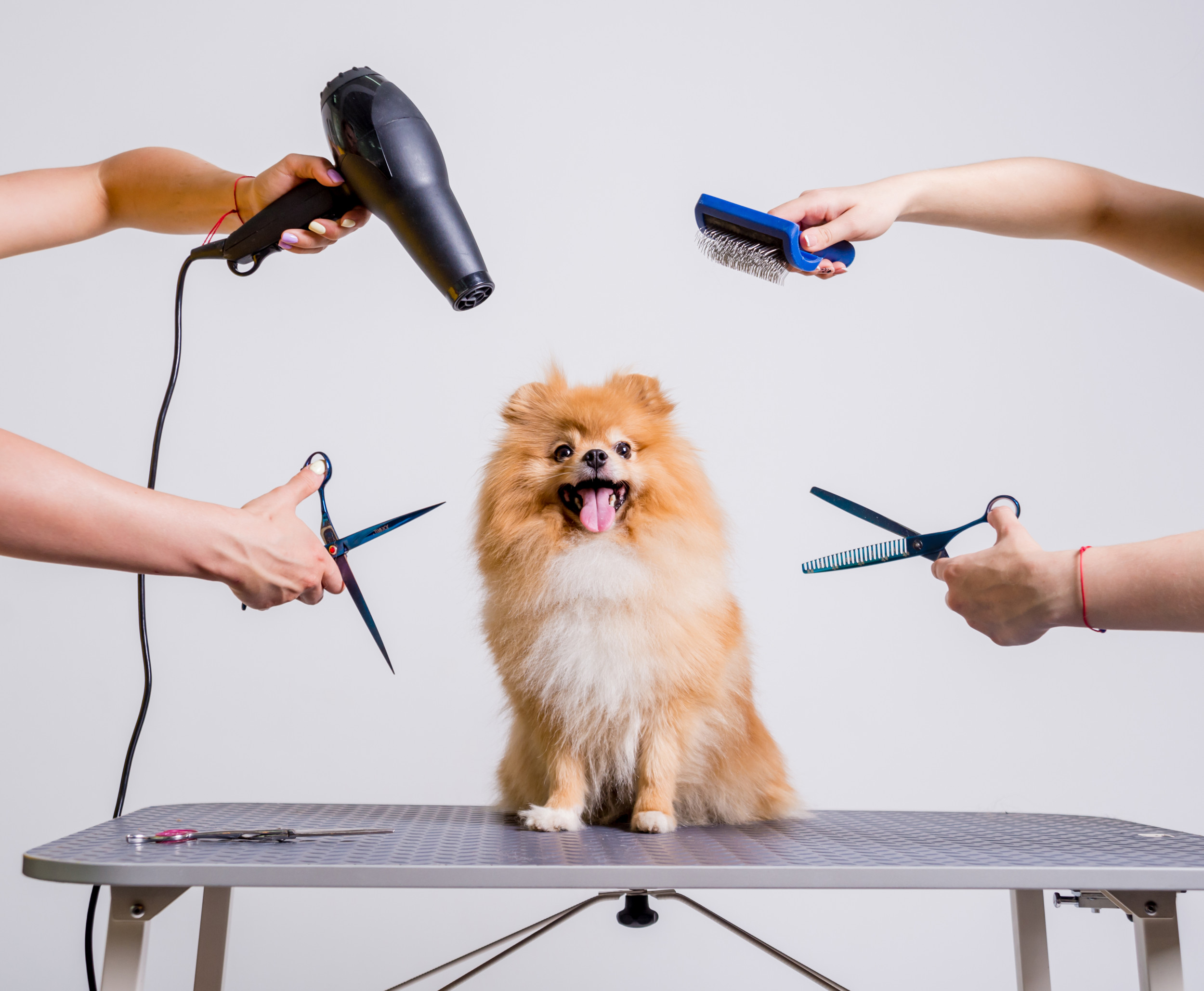
Brushes and combs suit different coat types. Dogs with short hair need soft bristle brushes. These remove loose hair and dirt gently. For long-haired dogs, use slicker brushes. They untangle mats and knots. Combs with wide and narrow teeth work well for thick coats. Choose tools that match your dog’s fur texture. Regular brushing keeps the coat shiny and healthy.
Safe Clippers And Scissors
Clippers and scissors trim your dog’s hair safely. Choose clippers with sharp, smooth blades. They cut hair without pulling. Scissors should have rounded tips to avoid cuts. Small scissors help trim delicate areas like around eyes and paws. Always check tool quality to protect your pet. Safe grooming tools reduce stress for both you and your dog.
Essential Grooming Accessories
Some accessories improve your grooming routine. Nail clippers keep paws healthy and clean. Ear cleaning wipes remove dirt and prevent infections. Towels and grooming gloves help during baths. A grooming table or mat can keep your dog steady. These tools make grooming quick and comfortable. Prepare all accessories before you start grooming.

Credit: www.cutecutsdoggrooming.com
Bathing Tips For Happy Dogs
Bathing your dog is key to keeping them clean and healthy. It also helps your pet feel happy and fresh. Bath time should be calm and gentle. This way, your dog will enjoy it more and stay relaxed during the process.
Selecting Dog-friendly Shampoo
Choose shampoo made for dogs only. Human shampoo can hurt their skin. Look for gentle formulas with natural ingredients. Avoid strong scents or harsh chemicals. These can cause itching or dryness. Always pick a shampoo that matches your dog’s coat type.
Proper Bathing Techniques
Start by brushing your dog to remove loose hair. Use lukewarm water, not hot or cold. Wet your dog’s coat slowly and speak softly. Apply shampoo evenly and massage it in gently. Rinse well to remove all soap. Leftover shampoo can irritate the skin.
Drying Methods That Prevent Skin Issues
Pat your dog dry with a soft towel first. Avoid rubbing hard, as it can tangle fur. Use a pet-safe blow dryer on low heat if needed. Keep the dryer moving to prevent burns. Make sure your dog is fully dry to stop skin problems.
Brushing For A Shiny Coat
Brushing your dog regularly keeps their coat bright and healthy. It removes dirt, loose hair, and dead skin cells. Brushing also spreads natural oils that make fur shiny. This simple habit can improve your dog’s comfort and appearance. Different breeds need different brushing routines. Understanding these needs helps you care for your pet better.
Brushing Frequency By Breed
Short-haired dogs need brushing once a week. Long-haired breeds require brushing every day or every other day. Dogs with thick undercoats benefit from brushing two to three times weekly. Regular brushing stops fur from matting and tangling. Knowing your dog’s breed helps set a good brushing schedule.
Removing Tangles And Mats
Tangles and mats cause pain and skin problems. Use a wide-tooth comb to gently work through knots. Start from the ends of the fur and move toward the skin. Be patient and avoid pulling hard. Regular brushing prevents mats from forming in the first place.
Benefits Of Regular Brushing
Brushing keeps your dog’s skin clean and healthy. It improves blood circulation and reduces shedding. Your dog feels more comfortable without knots and dirt. Brushing also helps you spot skin issues early. It strengthens the bond between you and your pet.
Nail Care Essentials
Nail care is a key part of dog grooming. Keeping your dog’s nails short helps prevent pain and injury. Long nails can cause discomfort and affect how your dog walks. Regular nail trims keep your pet healthy and happy.
Understanding nail care basics helps you maintain your dog’s comfort. This section covers safe trimming, signs of overgrowth, and the right tools to use.
How To Trim Nails Safely
Choose a quiet spot with good light. Hold your dog’s paw gently. Use sharp nail clippers made for dogs. Trim small bits at a time. Avoid cutting the quick, the pink part inside the nail. Stop if you see bleeding. Praise your dog to keep them calm.
Signs Of Overgrown Nails
Check for nails that touch the floor. Notice if your dog limps or avoids walking. Look for nails curling under the paw. These signs mean it’s time to trim. Overgrown nails can cause pain and infections.
Tools For Comfortable Nail Grooming
Use dog nail clippers or grinders. Clippers cut nails cleanly. Grinders smooth rough edges. Keep tools sharp and clean. Have styptic powder ready for small cuts. This powder stops bleeding quickly.
Ear And Eye Care
Proper ear and eye care is vital for your dog’s health. These areas are sensitive and prone to problems. Regular care keeps infections away and helps your dog stay comfortable. It also improves their overall appearance and happiness.
Cleaning Ears To Prevent Infections
Dog ears can trap dirt, wax, and moisture. This creates a perfect place for bacteria and yeast to grow. Clean your dog’s ears gently using a vet-approved solution. Use a soft cloth or cotton ball. Avoid using cotton swabs deep inside the ear. Clean ears once a week or more if your dog swims often. This routine helps prevent painful infections.
Keeping Eyes Clear And Bright
Dogs’ eyes can collect dust, tear stains, and debris. Wipe eyes daily with a damp, soft cloth. Use water or a special eye wipe made for dogs. Remove any crust or discharge carefully. Bright, clean eyes show your dog is healthy. Regular care stops dirt from causing irritation or infection.
Recognizing Signs Of Irritation
Watch your dog for signs of ear or eye trouble. Scratching, shaking the head, or rubbing face are red flags. Look for redness, swelling, or unusual discharge. Cloudy or watery eyes need attention too. If your dog shows these signs, visit a vet. Early treatment avoids serious problems and pain.

Credit: www.youtube.com
Dental Hygiene For Dogs
Dental hygiene plays a key role in your dog’s overall health. Clean teeth help prevent pain and illness. Many dogs suffer from dental problems that owners miss. Regular care keeps your dog’s mouth fresh and healthy.
Good dental habits stop bacteria build-up. This reduces risks of gum disease and tooth loss. Simple steps can make a big difference in your dog’s life.
Brushing Techniques For Healthy Teeth
Start brushing your dog’s teeth slowly. Use a soft toothbrush made for pets. Hold the brush at a 45-degree angle. Brush in small circles on all teeth surfaces. Focus on the gum line where plaque hides. Brush for two minutes daily to keep teeth clean.
Choosing The Right Dental Products
Select toothpaste designed for dogs. Human toothpaste can harm your pet. Try flavored options to make brushing fun. Dental chews help reduce tartar buildup. Use water additives that fight bacteria. Choose products approved by veterinarians for safety.
Preventing Bad Breath And Gum Disease
Bad breath signals dental problems in dogs. Regular brushing keeps breath fresh. Feed your dog healthy food that supports teeth. Schedule dental check-ups with your vet. Early treatment stops gum disease from worsening. Healthy gums mean a happier dog.
Styling Tips For A Cute Look
Creating a cute look for your dog is fun and rewarding. Small changes in grooming can make a big difference. Focus on simple styles that suit your dog’s coat and personality. Keep your dog comfortable during the grooming process. A well-groomed dog feels happy and looks adorable.
Simple Haircuts For Beginners
Start with easy haircuts that require minimal tools. Trim around the eyes and paws for a neat look. Use scissors or clippers designed for pets. Avoid cutting too close to the skin. Practice on less sensitive areas first. Keep your dog calm with gentle strokes.
Adding Accessories Safely
Choose soft and lightweight accessories for your dog. Avoid tight collars or decorations that can cause discomfort. Use clips and bows that do not pull the fur. Always watch your dog after adding accessories. Remove anything that causes irritation or stress.
Seasonal Grooming Styles
Adjust grooming based on the weather and season. Shorter haircuts work well in summer to keep dogs cool. Longer fur styles provide warmth in winter. Use moisturizing shampoos in dry seasons to protect skin. Trim nails regularly to prevent damage and discomfort.
Maintaining Grooming Routine
Keeping a regular grooming routine is important for your dog’s health and happiness. A well-maintained coat feels soft and looks shiny. It also helps prevent skin problems and keeps your dog comfortable. Consistent grooming builds trust between you and your pet. It makes baths and brushing easier over time. Establishing good habits early helps your dog stay clean and healthy.
Scheduling Regular Sessions
Set a grooming schedule that fits your dog’s breed and coat type. Some dogs need brushing daily, while others only once a week. Regular baths help remove dirt and loose hair. Mark grooming days on your calendar to stay consistent. Routine grooming avoids matting and keeps your dog smelling fresh. Keep sessions short at first, then increase time as your dog gets used to it.
Monitoring Skin And Coat Health
Check your dog’s skin and coat during every grooming session. Look for redness, bumps, or flaky skin. A healthy coat shines and feels smooth to touch. Notice any hair loss or unusual odors. Early spotting of skin issues can prevent bigger problems. Use gentle brushes and mild shampoos to protect sensitive skin. Keep an eye on your dog’s comfort and behavior too.
When To Visit A Professional Groomer
Some grooming tasks need professional skills and tools. Trim nails, clean ears, and manage difficult mats at a groomer’s. Professional groomers can spot skin or coat issues you might miss. Schedule visits every few weeks or months based on your dog’s needs. Choose groomers with good reviews and gentle handling. Professional care supports your grooming routine at home.
Handling Grooming Stress
Grooming can be stressful for many dogs. They may feel scared or uncomfortable during the process. Handling grooming stress is important to keep your dog calm and safe. It helps make grooming a better experience for both of you.
Creating A Calm Environment
Choose a quiet and comfortable place for grooming. Keep noise and distractions to a minimum. Soft lighting helps your dog relax. Use a non-slip mat to prevent slipping. Speak in a gentle, soothing voice. Calm surroundings reduce your dog’s stress levels.
Positive Reinforcement Techniques
Use treats to reward good behavior. Praise your dog often during grooming. Give breaks if your dog seems restless. Reward calmness to encourage cooperation. Training with positive rewards builds trust. This approach makes grooming less scary.
Recognizing Signs Of Anxiety
Watch for trembling or heavy panting. Your dog may try to hide or escape. Whining or growling are signs of stress. Notice if your dog freezes or becomes stiff. Early signs help you stop stress before it grows. Respond quickly to keep your dog calm.
Credit: www.newsweek.com
Frequently Asked Questions
What Services Does Cute Dog Grooming Offer?
Cute Dog Grooming provides baths, haircuts, nail trims, ear cleaning, and flea treatments. They cater to various dog breeds and coat types for a complete grooming experience.
How Often Should I Groom My Dog?
Most dogs benefit from grooming every 4 to 8 weeks. Regular grooming keeps their coat healthy, reduces shedding, and prevents matting or skin issues.
Is Cute Dog Grooming Safe For Puppies?
Yes, Cute Dog Grooming offers gentle grooming services tailored for puppies. They use safe products and techniques to ensure a stress-free experience for young dogs.
Can Grooming Improve My Dog’s Health?
Absolutely. Grooming helps detect skin problems, infections, or parasites early. It also promotes better hygiene and overall well-being for your dog.
Conclusion
Cute dog grooming keeps pets healthy and happy every day. Regular care stops mats and dirt from building up. Clean dogs feel good and look their best too. Grooming also helps spot health issues early on. A well-groomed dog enjoys more play and cuddles.
Simple steps at home make a big difference. Treat your furry friend with gentle care often. Happy pets mean happy owners. Keep grooming fun and gentle for your dog’s smile.


