

Are you feeding your adult dog puppy food and wondering if it’s doing more harm than good? It’s a common question many dog owners face, and the answer might surprise you.
What you put in your dog’s bowl affects their health, energy, and happiness every single day. If you want to make sure your furry friend gets the right nutrition without risking their well-being, keep reading. This article will clear up the confusion and help you make the best choice for your dog’s diet.
Don’t let a simple mistake impact your dog’s health—find out how bad puppy food really is for adult dogs.

Credit: www.becopets.com
Puppy Food Vs. Adult Dog Food
Puppy food and adult dog food serve different purposes for dogs at various life stages. Puppy food supports fast growth and development. Adult dog food maintains health and energy once growth slows. Feeding the wrong food can cause health issues. Knowing the differences helps choose the right diet for your dog.
Nutritional Differences
Puppy food contains more nutrients to support growth. It has extra protein, fat, and calories. Adult dog food has balanced nutrients for maintenance. It focuses on keeping weight and health steady. Puppies need more fuel for energy and body changes.
Calorie And Protein Levels
Puppy food has higher calories to meet energy needs. Protein levels are also higher to build muscles and tissues. Adult dog food has fewer calories to avoid weight gain. Protein is enough to maintain muscle mass. Feeding adult dogs puppy food can lead to obesity.
Essential Vitamins And Minerals
Puppy food includes more calcium and phosphorus for bone growth. It has added vitamins to support brain and immune health. Adult dog food contains vitamins for long-term wellness. Too much calcium in adult dogs can harm bones. Each formula matches the dog’s stage for best health.
:strip_icc()/best-dog-food-for-older-dogs-4579808-39040096ef9640df95cb3fcd1ba6aff6.jpg)
Credit: www.thesprucepets.com
Potential Health Risks For Adult Dogs
Feeding puppy food to adult dogs can cause several health problems. Puppy food is made for growing dogs and has more calories and nutrients. Adult dogs have different needs. Giving them puppy food regularly can lead to serious risks. Understanding these risks helps keep your dog healthy.
Weight Gain And Obesity
Puppy food has more fat and calories than adult dog food. Adult dogs eating this extra energy may gain too much weight. Obesity can cause joint pain and reduce your dog’s life span. Overweight dogs also face higher risks of diabetes and heart disease.
Digestive Issues
Adult dogs have a slower metabolism than puppies. Puppy food can be hard for them to digest. This may cause stomach upset, diarrhea, or constipation. Consistent digestive problems can lead to poor nutrient absorption and discomfort.
Nutrient Imbalances
Puppy food contains more calcium and protein than adult dogs need. Too much calcium may cause bone and joint problems in adult dogs. Excess protein can strain the kidneys. Adult dogs need a balanced diet to stay healthy, not extra nutrients.
When Puppy Food Might Be Suitable
Puppy food is made with extra nutrients for growing dogs. Adult dogs usually do not need this much nutrition. Still, some adult dogs might benefit from puppy food for a short time. This section explains when puppy food can be a good choice for adult dogs.
Choosing the right food helps dogs stay healthy and strong. Some adults have special needs that puppy food can help meet. Understanding these cases can guide dog owners to make better choices.
Senior Dogs With Special Needs
Older dogs sometimes need more calories to keep their energy. Puppy food offers a higher calorie count that can help. It also contains extra vitamins and minerals that support joint and brain health. Senior dogs with weight loss or low energy might benefit from puppy food.
Still, monitor their weight and health while feeding puppy food. Consult a vet to make sure the food suits the dog’s condition. Not all senior dogs need puppy food, but some do well on it.
Recovering From Illness Or Surgery
Dogs recovering from illness or surgery may need more nutrients. Puppy food is rich in protein and calories, which helps healing. It provides the energy dogs need to regain strength fast. Feeding puppy food can support faster recovery in these cases.
Make sure to follow the vet’s advice on diet changes. Recovery needs vary by dog and health issue. Puppy food is a good temporary option to support healing.
Signs Your Dog Is Affected By Puppy Food
Feeding adult dogs with puppy food can cause health issues. It is important to recognize signs that your dog is affected. Changes in behavior, physical symptoms, and energy levels often show the problem. Early spotting can help you fix the diet and keep your dog healthy.
Behavioral Changes
Your dog may act restless or irritable. Sudden mood swings or aggression can occur. Some dogs might refuse to eat or become picky. Watch for increased thirst or frequent urination. These signs could indicate discomfort from the wrong food.
Physical Symptoms
Look for weight gain or loss that happens fast. A dull coat or hair loss can appear. Digestive problems like diarrhea or vomiting are common. Swelling around the abdomen may signal issues. These physical signs show that puppy food may not suit your adult dog.
Energy Levels
Too much energy or lethargy can both be red flags. Your dog might seem hyperactive or overly tired. Difficulty in walking or playing can show weakness. A drop in stamina during usual activities is a warning. Changes in energy reveal how food affects your dog’s health.
Switching From Puppy To Adult Food
Switching from puppy food to adult dog food is an important step in your dog’s life. Puppies need special nutrients to grow strong. Adult dogs need different nutrients to stay healthy. Feeding puppy food to adult dogs can cause problems. It may have too many calories or not the right balance of nutrients. Changing their food carefully helps keep your dog healthy and happy.
Best Transition Practices
Change your dog’s food slowly. Start by mixing 25% adult food with 75% puppy food. Do this for three days. Then mix 50% adult food and 50% puppy food for three days. Next, use 75% adult food and 25% puppy food. Finally, feed only adult food. This slow change helps avoid upset stomachs.
Choosing The Right Adult Food
Pick adult dog food that fits your dog’s size and breed. Check the label for balanced nutrients. Look for food with good protein and fat levels. Avoid foods with too many fillers or artificial ingredients. Choose a trusted brand with clear ingredient lists.
Monitoring Your Dog’s Health
Watch your dog closely after switching food. Check their energy level and coat condition. Look for any signs of digestion problems. Loose stools or vomiting need attention. If problems last, talk to your vet. Keep your dog’s weight in a healthy range. This ensures the new food suits them well.
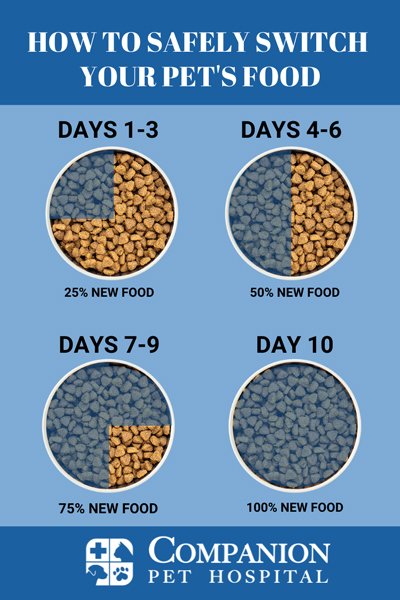
Credit: companionpethospital.com
Expert Tips For Adult Dog Nutrition
Feeding adult dogs with the right nutrition is key to their health and happiness. Adult dogs have different needs than puppies. Giving them the right food supports their energy, weight, and overall wellness. Understanding expert tips helps pet owners avoid common mistakes and ensures dogs get balanced meals.
Balanced Diet Components
Adult dogs need a mix of proteins, fats, and carbohydrates. Protein helps build strong muscles. Healthy fats give energy and support the skin and coat. Carbohydrates provide fuel for daily activities. Vitamins and minerals keep the immune system strong. Fiber aids digestion and keeps the gut healthy. Each part plays a role in keeping dogs active and healthy.
Avoiding Common Feeding Mistakes
Many owners make mistakes feeding their adult dogs. Avoid giving puppy food daily. Puppy food has more calories and nutrients than adults need. This may cause weight gain or health issues. Do not overfeed treats or table scraps. Too many extras upset balance and add unhealthy calories. Stick to proper portion sizes. Feed regular meals and avoid free feeding to keep weight steady.
Consulting Your Veterinarian
Veterinarians guide on the best diet for adult dogs. They consider breed, age, and health conditions. Regular check-ups help catch nutrition problems early. Vets can recommend special diets for allergies or illnesses. Always ask before changing your dog’s food. Expert advice ensures your dog stays fit and strong.
Frequently Asked Questions
Is Puppy Food Harmful To Adult Dogs’ Health?
Puppy food is not harmful short-term but lacks balanced nutrition for adults. Long-term feeding can cause weight gain and nutrient imbalance. Adult dogs require different protein and calorie levels for healthy maintenance. It’s best to switch to adult dog food for proper nourishment.
Can Adult Dogs Digest Puppy Food Properly?
Adult dogs can digest puppy food, but it may be too rich. Puppy food has higher fat and protein, which can upset adult dogs’ digestion. It may cause gastrointestinal issues if fed regularly. Adult formulas better support mature dogs’ digestive systems and overall health.
What Are The Risks Of Feeding Adult Dogs Puppy Food?
Feeding puppy food to adults risks obesity, nutrient excess, and digestive upset. Puppy food is calorie-dense, which can lead to unhealthy weight gain in adults. Over time, nutrient imbalances may affect joint health and organ function. Adult dog food is formulated to avoid these problems.
How Long Can Adult Dogs Eat Puppy Food Safely?
Adult dogs can eat puppy food safely only for a few days. Prolonged feeding may lead to health problems like obesity and nutrient overload. If switching foods, transition gradually to adult dog food within a week for best results.
Conclusion
Feeding puppy food to adult dogs can cause health issues. Puppy food has more calories and nutrients than adult dogs need. This may lead to weight gain and digestive problems. Adult dogs require food made for their age and activity level.
Choosing the right diet keeps your dog healthy and happy. Always check with your vet before changing food. Proper nutrition supports a long and active life. Remember, adult dogs deserve food made just for them. Keep their meals balanced and suited to their needs.


