

Do you find yourself struggling to control your dog’s prey drive? That intense urge that makes them chase after squirrels, cats, or even the neighbor’s car can be frustrating.
You might wonder if it’s possible to train this natural instinct out of your dog or at least manage it better. Understanding how prey drive works and what you can do about it could change the way you interact with your furry friend.
Keep reading, and you’ll discover practical tips that can help you take control and enjoy a calmer, safer relationship with your dog.

Credit: tug-e-nuff.com
What Is Prey Drive
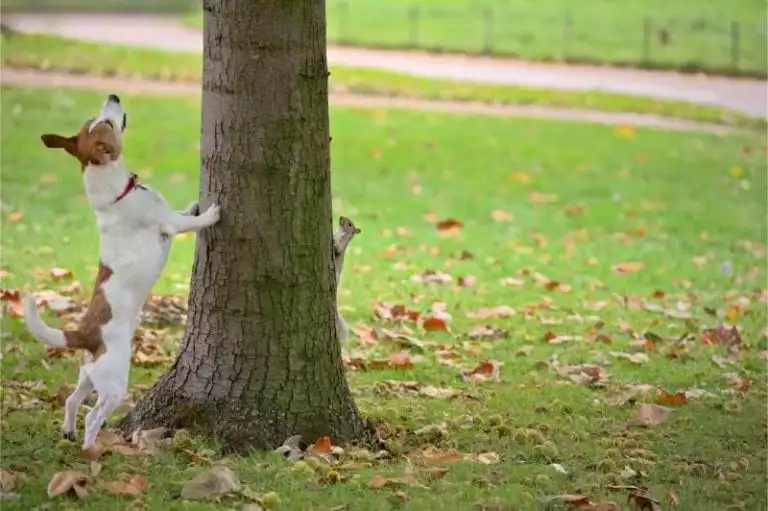
Prey drive is a natural instinct in dogs. It motivates them to chase and catch moving objects. This behavior comes from their wild ancestors who hunted for food. Understanding prey drive helps owners manage their dogs better. It explains why dogs may suddenly run after squirrels, balls, or even cars.
Instinctive Behavior In Dogs
Prey drive is an instinct, not a learned behavior. Dogs have inherited it from wolves and other wild canines. This instinct pushes dogs to spot and follow fast-moving things. It helps them survive in the wild. Some breeds have stronger prey drives than others. Hunting dogs, like retrievers and terriers, often show high prey drive.
Common Signs Of Prey Drive
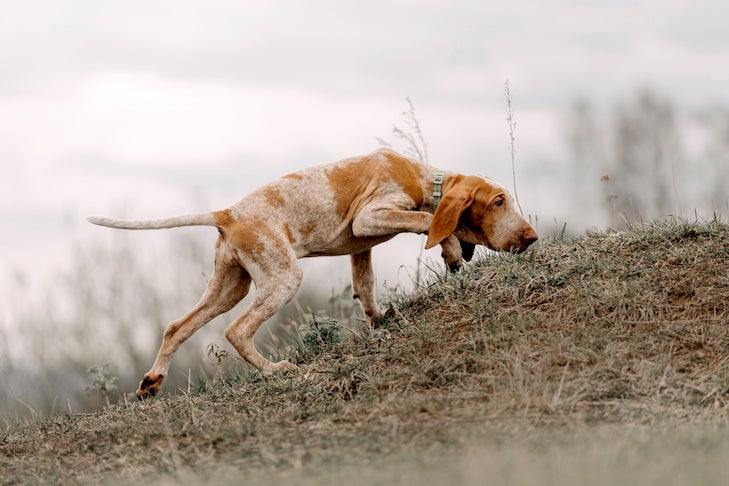
Dogs with prey drive show certain behaviors. They may suddenly bolt after small animals or toys. Their eyes focus intensely on moving targets. They often crouch low and stalk before chasing. Mouth movements like biting or snapping may appear. These signs show the dog’s natural urge to hunt. Recognizing these signals helps in training and control.
Factors Influencing Prey Drive
Prey drive is a natural instinct in dogs. It makes them want to chase moving things. Several factors shape how strong this drive becomes. Knowing these helps in managing or training it better.
Each dog is different. Their prey drive depends on many things, not just one.
Breed Tendencies
Some breeds have higher prey drives than others. Hunting dogs like terriers and hounds often chase small animals. Herding dogs may show less interest in chasing. Breed traits come from their original work or purpose. These instincts are in their genes.
Early Experiences
How a puppy grows up affects prey drive. Early play and socialization help control chasing behavior. Puppies taught to focus on humans learn better self-control. Lack of training can make prey drive stronger and harder to manage.
Environment Impact
The dog’s surroundings play a big role too. Busy areas with many distractions can increase chasing urges. Quiet, calm places help dogs stay focused and calm. Consistent training in a safe environment reduces unwanted chasing.
Challenges In Changing Prey Drive
Changing a dog’s prey drive is not easy. This natural instinct runs deep in their brain. Many dog owners hope training can fully remove this behavior. The truth is more complex. Understanding the challenges helps set real expectations. It shows why some dogs still chase, no matter the effort.
Limits Of Training
Training can teach dogs to control their prey drive. Commands like “leave it” or “stay” help. But training cannot erase the instinct itself. Prey drive is hardwired in many breeds. It has a survival purpose. Training only manages the behavior, not the cause.
Behavioral Persistence
Prey drive often stays strong despite training. Dogs may obey but still feel the urge. This urge can return suddenly with triggers like movement or small animals. The instinct is part of their nature. It will not vanish, only soften with time and effort.
Training Strategies To Manage Prey Drive
Managing a dog’s prey drive is important for safety and harmony. Training helps control strong instincts. It takes patience and consistent effort. Using clear methods can guide your dog’s behavior effectively. Focus on positive and practical strategies that suit your dog’s needs.
Redirecting Attention
Redirecting attention means shifting your dog’s focus from prey to you. Use toys or treats to catch their interest. When your dog sees a moving object, call their name and offer a favorite toy. This breaks the chase impulse. Regular practice helps your dog learn to pay attention to you first.
Impulse Control Exercises
Impulse control builds patience and self-restraint. Teach your dog to wait before chasing or grabbing. Simple games like “stay” and “leave it” work well. Start with short waits and slowly increase the time. Reward calm behavior to encourage control. This training reduces sudden bursts of prey drive.
Positive Reinforcement Methods
Positive reinforcement means rewarding good behavior immediately. Use treats, praise, or play as rewards. Praise your dog when they ignore prey or respond to commands. This motivates them to repeat good actions. Avoid punishment, as it can increase stress and fear. Consistent rewards create a strong, positive learning experience.
Tools To Support Training
Training a dog to manage its prey drive requires the right tools. These tools help control the dog’s energy and focus during training sessions. They also make the process safer and more effective. Using proper equipment supports better communication between you and your dog. It builds trust and encourages good behavior.
Leashes And Harnesses
Leashes and harnesses give you control over your dog. A sturdy leash keeps your dog close and prevents sudden chases. Harnesses reduce strain on the dog’s neck. They also provide better control for strong or excitable dogs. Choose a harness that fits well and feels comfortable. This helps your dog stay calm and focused during training.
Interactive Toys
Interactive toys keep your dog busy and mentally sharp. They can redirect your dog’s prey drive into play. Toys that challenge your dog’s mind reduce unwanted chasing behaviors. Use toys like puzzle feeders or tug ropes. These toys reward your dog with fun, not just treats. This builds positive habits and keeps training fun.
Clicker Training
Clicker training is a simple way to mark good behavior. The click sound tells your dog it did something right. This helps your dog understand what you want quickly. Use the clicker to reward calmness or focus during training. It makes learning clear and fast. Clicker training creates a strong bond between you and your dog.
Credit: www.akc.org
When To Seek Professional Help
Training a dog to control its prey drive can be tough. Sometimes, the challenge goes beyond basic training methods. Knowing when to seek professional help is important for both your dog’s safety and your peace of mind. Experts can guide you through difficult behaviors that need special attention.
Recognizing Problematic Behavior
Not all prey drive is harmful. But some signs need careful watch. Aggression towards other animals or people is a serious red flag. Sudden chasing that leads to dangerous situations also counts. If your dog cannot focus or obey commands during high prey drive moments, it becomes a problem. Constant barking, lunging, or biting shows the need for help. These behaviors can cause injury or stress in your dog and others.
Benefits Of Expert Trainers
Professional trainers understand prey drive deeply. They use proven methods to reduce unwanted chasing and aggression. Experts teach you how to manage triggers safely. They also help build better communication between you and your dog. Trainers create tailored plans based on your dog’s needs. This saves time and avoids frustration. Working with a pro improves your dog’s behavior and your confidence.
Maintaining Long-term Success
Maintaining long-term success in training a dog’s prey drive requires ongoing effort. Training is not a one-time task. It needs regular work and attention to keep the dog’s behavior steady. Consistency, social interaction, and careful observation help keep progress on track. These steps make sure your dog stays balanced and well-behaved over time.
Consistent Practice
Practice must happen regularly. Daily training sessions help the dog remember good behavior. Short, frequent exercises work best. Use commands and rewards to guide your dog. Avoid long breaks, which can cause setbacks. Consistency builds strong habits and reduces unwanted chasing or biting.
Ongoing Socialization
Socializing your dog helps control prey drive. Meeting other dogs and people teaches calmness. Exposure to new environments reduces excitement triggers. Social time should be positive and safe. This helps the dog learn how to behave around others. Good social skills support long-term control of prey instincts.
Monitoring Progress
Watch your dog’s behavior closely. Note any changes or challenges. Keep a training journal to track improvements or issues. Adjust training plans based on your dog’s needs. Early detection of problems stops bad habits from forming. Regular check-ins ensure your dog stays on the right path.
Credit: schertzanimalhospital.com
Frequently Asked Questions
Can You Completely Eliminate Prey Drive In Dogs?
No, you cannot fully eliminate prey drive. It is an instinctive behavior. However, training can help manage and reduce its intensity effectively.
How Can Training Reduce A Dog’s Prey Drive?
Training uses positive reinforcement and redirection techniques. It teaches dogs to focus on commands instead of chasing. Consistency and patience are key for success.
Is Prey Drive Training Suitable For All Dog Breeds?
Most breeds can benefit from prey drive training. Some breeds have stronger instincts, requiring more focused training methods. Tailoring training to breed traits improves outcomes.
What Tools Help In Controlling A Dog’s Prey Drive?
Leashes, harnesses, and interactive toys aid control. These tools help redirect energy and focus during training sessions. Proper tool use ensures safety and effectiveness.
Conclusion
Training prey drive out of a dog takes patience and consistent effort. It cannot be erased completely but can be managed well. Focus on positive training and redirecting energy to good behaviors. Understand your dog’s natural instincts and work with them, not against them.
Small, steady steps bring the best results. Remember, every dog is different and learns at its own pace. Stay calm and keep training simple. You can help your dog live happily with a balanced prey drive.


