

If you’re like most dog owners, you want to keep your furry friend’s toys clean and safe. But can you actually put dog toys in the washer without ruining them?
You might worry about germs, stains, or damaging your dog’s favorite playthings. The good news is, washing dog toys can be easier than you think—if you know the right way to do it. Keep reading to find out which toys are safe for the washing machine, how to clean them properly, and simple tips to keep your pup’s toys fresh and fun.
Your dog’s health and happiness depend on it!
Credit: bobotails.com
Types Of Dog Toys
Dog toys come in many types. Each type has different materials and uses. Knowing these types helps you care for toys better. Some toys are easy to clean in the washer. Others need special care to last longer.
Soft Plush Toys
Soft plush toys are like small stuffed animals. Dogs love to cuddle and chew them. These toys often have stuffing inside. Some plush toys have squeakers that make noise. They can get dirty quickly from slobber and dirt.
Many plush toys can go in the washing machine. Use a gentle cycle to keep them safe. Air drying is best to keep their shape. Check for holes before washing to avoid losing stuffing.
Rubber And Plastic Toys
Rubber and plastic toys are tough and durable. They include balls, chew bones, and puzzle toys. These toys handle rough chewing very well. They do not absorb dirt or saliva easily.
Most rubber and plastic toys cannot go in the washer. Clean them with warm water and mild soap. Use a brush to reach small crevices. Rinse well and dry before giving them back to your dog.
Rope And Fabric Toys
Rope and fabric toys are made from woven threads or cloth. Dogs love to tug and chew these toys. They can trap dirt and saliva in the fibers. These toys may fray or unravel over time.
Rope and fabric toys often can be washed in the machine. Use cold water and a gentle wash cycle. Avoid strong detergents that can irritate your dog’s mouth. Let the toys dry fully to prevent mold and smells.

Credit: www.reddit.com
Risks Of Washing Dog Toys
Washing dog toys in the washer seems easy. It may save time and effort. But there are risks to consider before tossing all toys in the machine. Some toys can get ruined. Others might spread germs instead of cleaning. The washer itself can also suffer damage. Knowing these risks helps keep your dog’s toys safe and clean.
Damage To Toys
Many dog toys are not made for washing machines. Soft toys can lose stuffing or fall apart. Rubber toys may crack or break. The washer’s spinning can stretch or tear fabric. Small parts can come loose and get lost. Washing can shorten the life of the toys.
Health Concerns
Washing may not kill all germs and bacteria. Some toys can hide dirt deep inside. Mold and mildew might grow if toys stay wet. Dirty toys can make your dog sick. Using harsh detergents can irritate your dog’s skin or mouth. Not all cleaning methods are safe for pets.
Washer Damage
Dog toys can cause harm to the washing machine. Hard toys may hit the drum and cause dents. Small pieces can block water pipes or drain holes. Loose parts can damage the washer’s moving parts. Overloading the washer with toys can cause machine strain. Repairs may be costly and avoidable.
Safe Washing Methods
Keeping your dog’s toys clean is important for their health. Safe washing methods help remove dirt and germs without damaging the toys. Some toys can go in the washing machine. Others need gentle hand washing. Choosing the right detergent matters too. Below are easy ways to wash dog toys safely.
Machine Washing Tips
Check the toy’s label for washing instructions first. Use a gentle cycle with cold or warm water. Place small toys inside a mesh laundry bag. This prevents them from getting lost or damaged. Avoid using the dryer; air dry toys instead. Repeat washing regularly to keep toys fresh.
Hand Washing Techniques
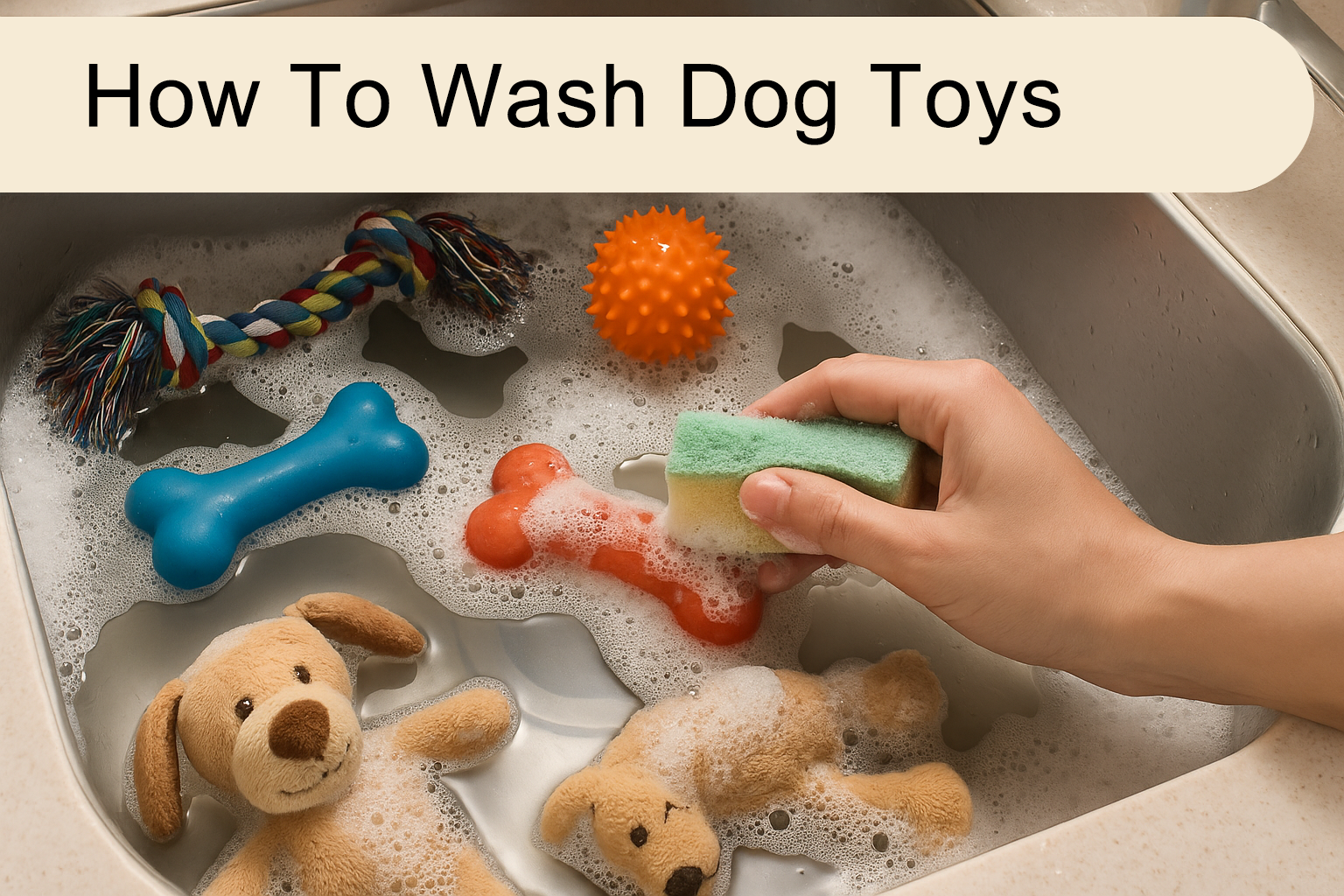
Fill a basin with warm water and mild soap. Soak the toys for a few minutes. Use a soft brush to scrub dirt gently. Rinse the toys well to remove soap. Squeeze out excess water carefully. Let the toys air dry completely before giving them back.
Using Pet-safe Detergents
Choose detergents made for pets or sensitive skin. These products do not contain harsh chemicals. Avoid bleach, fabric softeners, or strong fragrances. Use only a small amount of detergent. Rinse toys thoroughly to remove any residue. Safe detergents protect your dog’s health and toy quality.
Drying Dog Toys
Drying dog toys after washing is important to keep them clean and safe. Proper drying stops bacteria and bad smells from growing. It also helps toys last longer. Choosing the right drying method matters a lot for your dog’s health and fun.
Air Drying Vs Machine Drying
Air drying is gentle on dog toys. It keeps their shape and materials safe. Just lay the toys flat or hang them in a dry spot. Sunlight can help kill germs but avoid too much heat. Machine drying uses heat and spinning. It dries toys fast but may damage some materials. Soft or foam toys might shrink or lose shape. Always check the toy label before machine drying.
Avoiding Mold And Mildew
Wet toys left inside can grow mold and mildew fast. These cause bad smells and can harm your dog. Dry toys completely before storing. Use a dry towel to remove extra water first. Keep toys in a clean, dry place. Check toys often for any signs of mold or bad smell. Replace toys that look damaged or moldy to protect your pet.
Alternative Cleaning Options
Washing dog toys in a machine is not always possible or safe. Many toys can get damaged or lose their shape. Some materials may not hold up well in water or detergent. For these reasons, alternative cleaning methods work well. They keep toys clean and safe for pets without using a washer.
Disinfecting With Vinegar
Vinegar is a natural cleaner and disinfectant. Mix equal parts of water and white vinegar in a spray bottle. Spray the solution on the toy and let it sit for 10 minutes. Rinse the toy well with water. Vinegar kills many germs and is safe for most dog toys.
Using Baking Soda
Baking soda removes odors and dirt from dog toys. Sprinkle baking soda on the toy’s surface. Use a damp cloth to scrub gently. Rinse the toy thoroughly to remove all baking soda. This method is gentle and perfect for fabric or rubber toys.
Uv Sanitizers
UV sanitizers use ultraviolet light to kill bacteria and viruses. Place the toy inside the UV sanitizer device. The light cleans the toy without water or chemicals. UV sanitizers work well for hard plastic or rubber toys. They keep toys fresh and safe for your dog.

Credit: smart.dhgate.com
Cleaning Frequency Recommendations
Knowing how often to clean dog toys keeps your pet healthy. Dirty toys can hold germs and cause infections. Cleaning frequency depends on how your dog uses the toys. Regular washing helps stop dirt and bacteria build-up. This section shows when and how often to clean dog toys.
Signs Toys Need Cleaning
Check toys for dirt, stains, or bad smells. If toys look grimy or smell musty, they need cleaning. Sticky or slimy spots mean bacteria may be growing. If your dog coughs or sneezes after playing, clean toys immediately. Toys with worn-out or torn parts should be washed often. Regular checks help keep toys safe for your dog.
Routine Cleaning Schedule
Wash soft toys every one to two weeks. Hard toys can be cleaned every two to four weeks. Increase cleaning if your dog plays outside a lot. Clean toys more often if your dog is sick. Use warm water and mild soap for best results. Dry toys completely before giving them back to your dog. A good routine keeps toys fresh and safe.
Frequently Asked Questions
Can All Dog Toys Be Washed In A Washer?
Not all dog toys are washer-safe. Check the toy’s label or manufacturer instructions first. Soft, fabric toys usually wash well, but rubber or electronic toys should be cleaned differently to avoid damage.
How Do I Safely Wash Dog Toys In A Washing Machine?
Place soft dog toys in a mesh laundry bag before washing. Use a gentle cycle with mild detergent. Avoid hot water to prevent shrinking or damage. Air dry toys completely to keep them safe for your dog.
How Often Should I Wash My Dog’s Toys?
Wash dog toys every 1-2 weeks to remove dirt, bacteria, and odors. More frequent washing is needed if your dog chews heavily or the toys get very dirty. Regular cleaning helps maintain your dog’s health and toy durability.
Can Washing Damage Dog Toys?
Yes, washing can damage certain dog toys. Hard plastic or electronic toys may crack or malfunction. Fabric toys may shrink or lose shape if washed improperly. Always follow the care instructions to keep toys safe and intact.
Conclusion
Cleaning dog toys in the washer keeps them fresh and safe for pets. Always check the toy’s label for washing instructions first. Soft toys usually wash well on gentle cycles. Avoid washing toys with batteries or electronic parts. Use mild detergent to protect your dog’s health.
Let toys dry completely before giving them back. Regular cleaning helps reduce germs and bad smells. Keep your dog’s playthings clean for happy, healthy playtime. Simple steps make washing dog toys easy and effective.


