

Are you wondering if it’s okay to feed your puppy adult dog food? It’s a common question for many dog owners, and the answer isn’t always simple.
What you feed your puppy now can shape their health, growth, and happiness for years to come. If you want to make sure your furry friend gets the best start in life, keep reading. This article will help you understand why choosing the right food matters and what could happen if you don’t.
Your puppy’s future depends on the choices you make today—let’s get it right.
Credit: www.gallant.com
Nutritional Needs Of Puppies
Puppies need special nutrition to grow strong and healthy. Their bodies change fast, so they require food that supports growth. Giving the right food helps build muscles, bones, and a strong immune system. Adult dog food usually does not meet these needs fully. Understanding what puppies need helps provide the best care.
Calorie Requirements
Puppies need more calories than adult dogs. They burn energy quickly while playing and growing. A puppy’s food must have enough calories to fuel their active lifestyle. Too few calories can slow growth and cause health problems. Puppy food is designed to give the right amount of energy.
Protein And Fat Levels
Protein supports muscle and tissue growth in puppies. Fat gives energy and helps brain development. Puppy food has higher protein and fat than adult food. These nutrients are essential for healthy growth. Adult dog food often lacks the right balance for puppies.
Vitamin And Mineral Balance
Vitamins and minerals keep puppies’ bones and organs healthy. Calcium and phosphorus help build strong bones and teeth. Puppies need more vitamins like A, D, and E than adults. The right balance in puppy food supports their fast growth and development. Adult food may not have enough of these nutrients.
Differences Between Puppy And Adult Dog Food
Puppies and adult dogs have different nutritional needs. Their food reflects these differences clearly. Choosing the right food is important for your puppy’s health and growth.
Puppy food supports fast growth and development. Adult dog food focuses on maintenance and health. Understanding these differences helps you feed your puppy properly.
Ingredient Composition
Puppy food contains more protein and fat than adult dog food. These nutrients help build muscles and provide energy. It also has extra vitamins and minerals for bone growth and brain development. Adult dog food has fewer calories and less fat to prevent weight gain. The ingredients match the slower metabolism of mature dogs.
Portion Sizes
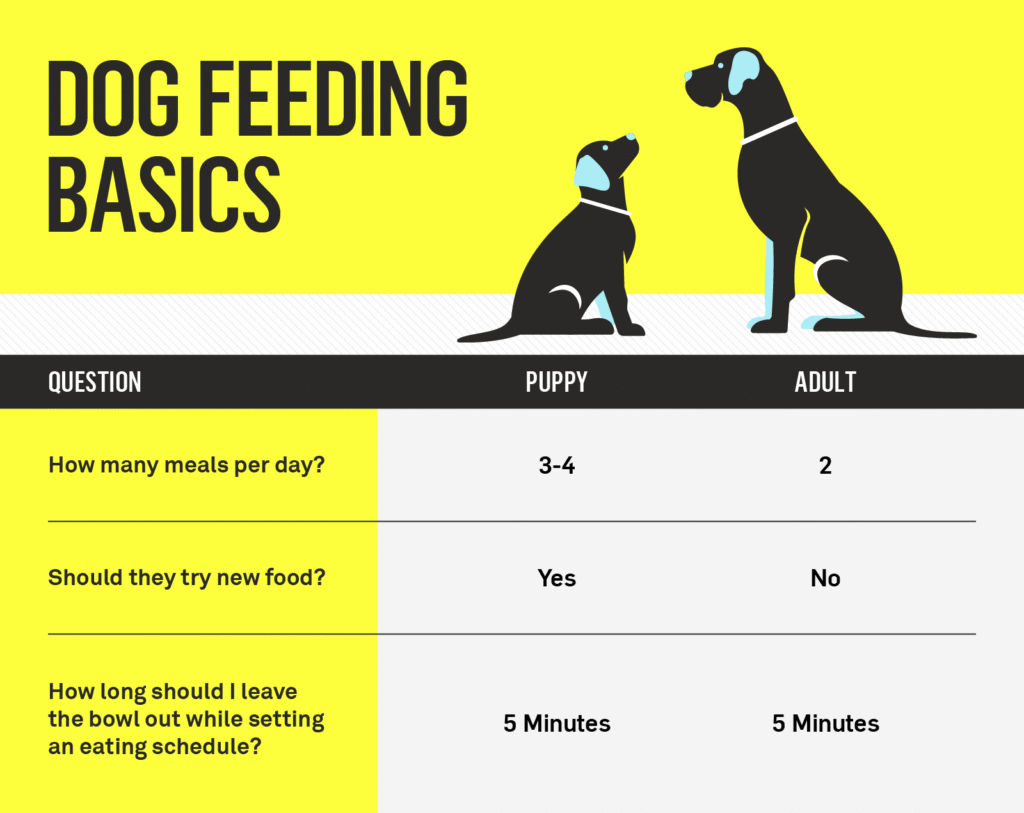
Puppies need smaller, more frequent meals throughout the day. Their stomachs are small and cannot hold much food at once. Adult dogs eat larger meals but less often. The portion size depends on the dog’s weight, age, and activity level. Feeding the right amount helps avoid underfeeding or overfeeding.
Digestibility
Puppy food is easier to digest than adult dog food. It contains ingredients that support a sensitive digestive system. Puppies absorb nutrients better from this food type. Adult dog food may be harder for puppies to digest. Feeding adult food to puppies can cause stomach upset or poor nutrient absorption.
Risks Of Feeding Adult Dog Food To Puppies
Feeding adult dog food to puppies can cause serious health risks. Puppies have special needs for growth. Adult dog food does not meet these needs. This can lead to problems that affect their health and development.
Nutrient Deficiencies
Puppies need more protein, fat, and vitamins than adult dogs. Adult dog food has fewer nutrients. This lack can cause weak muscles and poor bone growth. Puppies may become sick or weak from missing nutrients.
Growth And Development Issues
Puppies grow fast and need the right food to support this. Adult dog food may not have enough calories. This slows down their growth. Their bones and organs may not develop properly. This can cause long-term health problems.
Digestive Problems
Puppies have sensitive stomachs. Adult dog food can be hard to digest. This may cause vomiting, diarrhea, or stomach pain. Digestive problems can make puppies feel uncomfortable and lose weight. Proper puppy food helps keep their stomachs healthy.
Credit: www.acanapetfoods.co.uk
When Adult Dog Food Might Be Used Temporarily
Adult dog food is not ideal for puppies in the long run. Still, there are moments when it might be used for a short time. Knowing these situations helps you keep your puppy safe and healthy.
Short-term Situations
Sometimes, puppy food is not available immediately. In such cases, adult dog food can be a temporary option. This switch should only last a few days. Adult dog food has fewer nutrients for growth. So, limit this feeding period to avoid health issues.
Consulting A Veterinarian
Talk to a vet before giving adult dog food to your puppy. A vet can guide you about risks and benefits. They may suggest specific adult dog food brands. Following their advice protects your puppy’s health during changes.
Alternative Feeding Options
Look for other feeding choices if puppy food is missing. Homemade meals with vet-approved recipes can help. Some dog owners mix adult dog food with supplements. This approach supports puppies until puppy food returns.
Choosing The Right Puppy Food
Choosing the right food for your puppy is very important. Puppies need special nutrients to grow strong and healthy. Their food must support their energy and development. Giving adult dog food to a puppy might not meet these needs. Picking the right puppy food helps your pet thrive every day.
Reading Labels
Look closely at the food label. Check for the words “formulated for puppies” or “growth.” These foods have extra protein and fat. Avoid foods made only for adult dogs. The ingredients list shows what your puppy will eat. Choose foods with real meat, not fillers. Vitamins and minerals should be included for strong bones and teeth.
Breed And Size Considerations
Different breeds have different needs. Small breed puppies need food that supports fast metabolism. Large breed puppies need food that helps slow bone growth. This prevents joint problems later. Pick a food made for your puppy’s size. Some brands offer breed-specific formulas. These help meet unique nutritional needs.
Homemade Vs Commercial Options
Homemade food lets you control ingredients. You can use fresh meat, vegetables, and grains. But it must be balanced with vitamins and minerals. Commercial puppy food is made to meet these needs. It is tested and regulated. Choose high-quality commercial food if unsure about homemade balance. Talk to a vet before deciding.
Transitioning From Puppy To Adult Food
Transitioning from puppy to adult food is an important step in your dog’s growth. Puppies need special nutrients for their development. Adult dog food has a different balance of nutrients. Switching at the right time helps keep your dog healthy. The process should be smooth to avoid stomach problems. Careful attention makes the change easier for your puppy.
Timing The Switch
Most puppies need adult food between 9 and 12 months old. Large breeds may need more time, about 12 to 18 months. Watch your puppy’s size and energy levels. Growing slows down as they near adulthood. This change signals the right moment to switch food.
Gradual Transition Steps
Mix a small amount of adult food with puppy food first. Increase adult food each day over 7 to 10 days. This slow change helps your puppy’s stomach adjust. Sudden switches can cause vomiting or diarrhea. Keep an eye on how your dog accepts the new food.
Monitoring Health And Behavior
Check your dog’s energy and coat shine. Healthy dogs stay active and have soft fur. Watch for any signs of upset stomach. Loose stools or vomiting may mean the food change is too fast. Consult a vet if problems last more than a few days.

Credit: www.houndsy.com
Frequently Asked Questions
Can Puppies Eat Adult Dog Food Safely?
Puppies should not eat adult dog food regularly. Adult formulas lack essential nutrients puppies need for growth. Feeding adult food can lead to nutritional deficiencies and slow development. Always choose puppy-specific food to support healthy bone and brain growth in early life stages.
What Happens If A Puppy Eats Adult Dog Food?
If a puppy eats adult dog food occasionally, it may be fine. However, long-term feeding can cause nutrient imbalances. Puppies require higher protein and fat levels than adult dogs. Improper nutrition can affect their immune system and overall health negatively.
When Can A Puppy Switch To Adult Dog Food?
Puppies can switch to adult dog food around 12 months old. Large breeds may need up to 18 months. Consult your veterinarian to decide the best time based on breed and size. Transition gradually to avoid digestive issues during the switch.
Can Adult Dog Food Meet A Puppy’s Nutritional Needs?
Adult dog food is not formulated to meet puppy needs. Puppies need extra nutrients like DHA for brain development. Adult food usually has fewer calories and vitamins essential for growth. Feeding puppy-specific food ensures balanced nutrition and supports healthy development.
Conclusion
Puppies need food made just for them. Adult dog food lacks the right nutrients. Feeding adult food to puppies can slow their growth. Puppies need extra vitamins and minerals for strong bones. Choose puppy food to keep your dog healthy.
Always check the label for age recommendations. Feeding the right food helps your puppy grow happy. Good nutrition now means a strong, healthy dog later. Keep your puppy’s diet balanced and age-appropriate. It’s the best way to support their early life.


