

Have you ever caught your dog tearing apart their favorite toy, only to wonder if the stuffing inside is safe for them to eat? If you’re worried about what happens when your furry friend swallows toy stuffing, you’re not alone.
Understanding the risks and knowing what to do can save you a lot of stress and keep your dog healthy. Keep reading to find out everything you need to know about dogs and toy stuffing—so you can protect your pet and enjoy peace of mind.
Why Dogs Chew Toys
Dogs chew toys for many reasons. Chewing is a natural behavior for them. It helps keep their teeth clean and jaws strong. Chewing also stops boredom and relieves stress. Understanding why dogs chew helps owners choose safe toys. It also prevents problems like swallowing stuffing from toys.
Natural Chewing Instinct
Dogs have a natural urge to chew. Puppies chew to ease teething pain. Adult dogs chew to keep teeth healthy. Chewing helps remove plaque and massages gums. It also satisfies their need to explore objects.
Boredom And Anxiety
Dogs chew when they feel bored. Chewing gives them something to do. It can stop them from being destructive. Dogs also chew to calm anxiety. Chewing releases feel-good chemicals in their brain. It helps them feel safe and relaxed.

Credit: www.reddit.com
What Is Toy Stuffing Made Of
Toy stuffing is the soft material inside dog toys. It gives toys their shape and makes them fun to chew. Knowing what stuffing is made of helps you understand if it is safe for dogs. Some materials are harmless, while others can cause health issues.
Common Materials Used
Stuffing often includes polyester fibers. These are soft, lightweight, and inexpensive. Some toys use cotton or wool stuffing. These natural fibers are softer but less common. Foam pieces or plastic pellets can be inside too. They add weight and texture to the toy. Most stuffing materials are designed to be fluffy and soft.
Potential Toxic Ingredients
Some stuffing contains chemicals that can harm dogs. Flame retardants or dyes may be added to the fibers. These chemicals can cause stomach upset or allergies. Small plastic pellets may choke or block the digestive tract. Mold or bacteria can grow in old stuffing. This can cause infections if swallowed. Always check for safe, non-toxic labels on dog toys.
Risks Of Eating Toy Stuffing
Dogs often chew on their toys, but swallowing stuffing can cause serious problems. Stuffing from toys is not meant to be eaten. It can harm your dog in different ways. Understanding these risks helps keep your pet safe and healthy.
Choking Hazards
Toy stuffing can block a dog’s airway. Small pieces may get stuck in the throat. This makes it hard for dogs to breathe. Choking is dangerous and needs quick help. Always watch your dog while playing with soft toys.
Digestive Blockages
Stuffing can cause blockages in the stomach or intestines. This stops food from moving through the body. Dogs may vomit or stop eating. Blockages can cause pain and swelling. Surgery might be needed to fix this problem.
Toxic Reactions
Some toy stuffing contains harmful chemicals. Dogs can get sick after swallowing these materials. Symptoms include vomiting, diarrhea, and weakness. Toxic reactions require fast veterinary care. Avoid toys with unknown or unsafe stuffing.
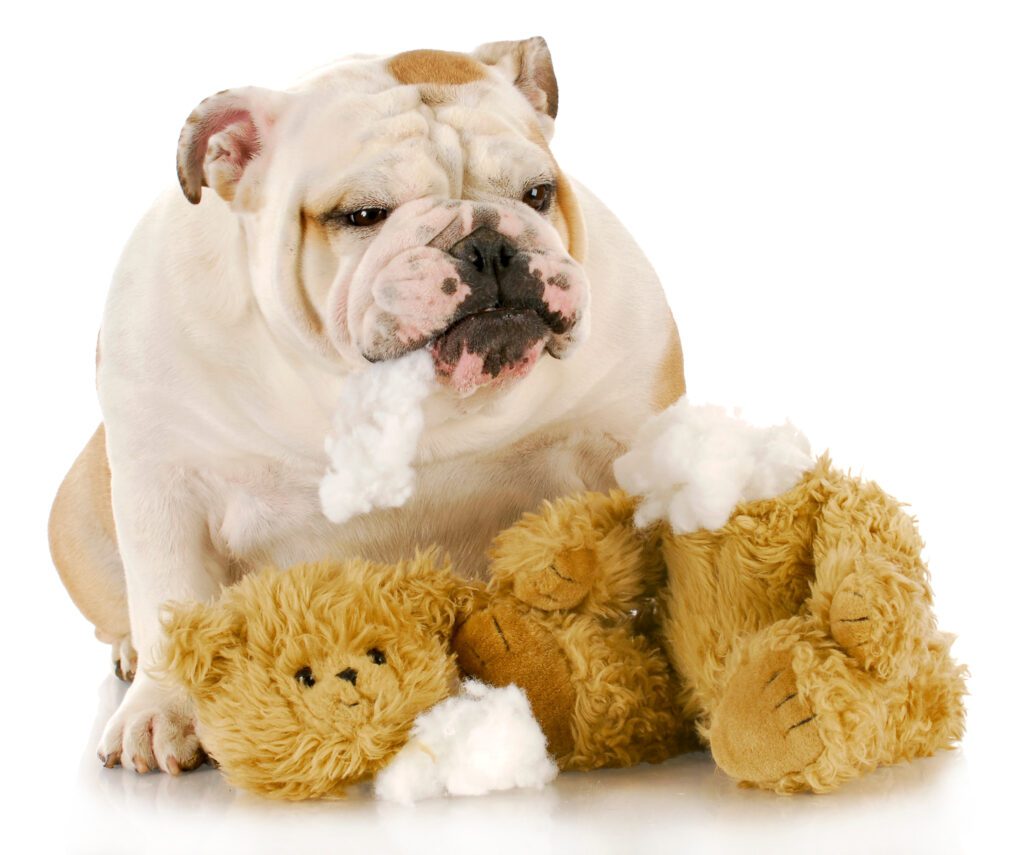
Credit: westloopvet.com
Signs Of Stuffing Ingestion
Dogs love their toys. Sometimes, they tear them apart and swallow the stuffing inside. Stuffing ingestion can cause serious health issues. Watching for signs helps catch problems early. These signs usually show in behavior and physical health.
Behavioral Changes
A dog that ate stuffing may act restless or anxious. They might pace or whine more than usual. Loss of appetite is common after swallowing stuffing. Your dog could also become quiet or withdrawn. Watch for signs like frequent licking of the mouth or gums. These changes suggest discomfort or pain inside.
Physical Symptoms
Vomiting is a strong sign of stuffing ingestion. Diarrhea or constipation can also appear. Sometimes, you might see swelling in the belly. Breathing may become faster or harder. Your dog might cough or gag often. Lack of energy and weakness are red flags. These symptoms show the stuffing may block or irritate the digestive system.
Immediate Actions To Take
Finding out your dog has eaten stuffing from a toy can be scary. Acting fast helps prevent serious problems. Know the right steps to keep your dog safe.
When To Contact A Vet
Call your vet if your dog shows signs of distress. Look for vomiting, choking, or trouble breathing. Also, contact the vet if your dog seems lethargic or refuses to eat. Even small amounts of stuffing can cause blockages. Don’t wait for symptoms to get worse. Early help can save your dog’s life.
First Aid Steps
Remove any remaining stuffing from your dog’s mouth carefully. Do not try to pull stuffing out if it’s stuck deep inside. Check your dog’s breathing and pulse. Try to keep your dog calm and still. Avoid giving food or water until you talk to the vet. Watch closely for changes in behavior or health. Note the time and amount of stuffing eaten to inform the vet.

Credit: www.yahoo.com
Preventing Stuffing Ingestion
Stuffing ingestion from toys can cause serious health issues for dogs. Preventing this problem is important to keep your pet safe. Simple steps can lower the risk and protect your dog’s well-being. Focus on selecting the right toys and watching your dog closely during play.
Choosing Safe Toys
Pick toys made from durable materials. Avoid toys with loose stuffing or weak seams. Look for chew-resistant designs made for strong chewers. Soft toys can be dangerous if they tear easily. Opt for rubber or nylon toys that do not have stuffing inside.
Supervised Playtime
Always watch your dog while playing with toys. Supervision helps you spot any damage early. Stop play if the toy breaks or stuffing comes out. Teaching your dog to play gently can reduce the risk. Remove broken toys immediately to prevent swallowing stuffing.
Regular Toy Inspection
Check your dog’s toys often for signs of wear and tear. Look for holes, loose threads, or stuffing poking out. Replace toys that show damage or are falling apart. Keeping toys in good condition stops dogs from eating stuffing. Clean toys regularly to keep them safe and fresh.
Alternatives To Stuffed Toys
Stuffed toys can be fun for dogs but may cause problems if they chew out the stuffing. Many dogs love to tear toys apart, which can lead to swallowing soft materials. This can cause choking or stomach issues. Choosing safe alternatives keeps dogs happy and healthy. These toys last longer and are safer to chew.
Durable Chew Toys
Durable chew toys are made to withstand strong chewing. They come in tough materials like rubber or nylon. These toys help clean teeth and reduce boredom. Dogs enjoy biting and chewing without breaking the toy. This reduces the risk of swallowing harmful parts. Durable toys are a smart choice for heavy chewers.
Interactive Toys
Interactive toys keep dogs busy and mentally sharp. These toys often hide treats or make sounds. Dogs must figure out how to get the reward. This type of play slows down chewing and keeps dogs engaged. Interactive toys can reduce destructive behavior. They offer fun without the mess of stuffing.
Frequently Asked Questions
Can Dogs Safely Eat Stuffing From Toys?
No, dogs should not eat stuffing from toys. The material can cause choking or digestive blockages, leading to serious health issues. Always supervise your dog with toys to prevent ingestion of stuffing.
What Are The Risks Of Dogs Eating Toy Stuffing?
Eating toy stuffing can cause choking, intestinal blockage, or digestive upset in dogs. These conditions may require emergency veterinary care. Avoid letting your dog chew toys that easily tear or shed stuffing.
How To Prevent Dogs From Eating Toy Stuffing?
Choose durable, stuffing-free toys for your dog. Supervise playtime and promptly remove damaged toys. Training your dog to avoid chewing inappropriate items also helps prevent ingestion of stuffing.
What Should I Do If My Dog Eats Toy Stuffing?
If your dog swallows stuffing, monitor for vomiting, lethargy, or loss of appetite. Contact your veterinarian immediately if symptoms occur or if you’re unsure about the amount ingested. Prompt care is crucial for safety.
Conclusion
Stuffing from toys can be harmful if swallowed by dogs. It may cause choking or blockages in their stomach. Always watch your dog while they play with stuffed toys. Choose durable toys made for strong chewers to avoid risks. If you see your dog eating stuffing, act quickly and call a vet.
Keeping your dog safe is important for their health and happiness. Regularly check toys for damage and replace them when needed. Safe play means a happy dog and peace of mind for you.


