

Are you wondering if your playful puppy can eat adult dog food? It’s a question many dog owners ask, especially when they want the best for their furry friend.
Choosing the right food is more important than you might think. The wrong diet could affect your puppy’s growth, energy, and health. Keep reading to discover the facts that every dog owner needs to know before making this important decision for your puppy’s wellbeing.
Puppy Vs Adult Dog Food
Puppies and adult dogs need different types of food. Each has unique nutritional needs to stay healthy. Understanding these differences helps you feed your dog properly at every life stage.
Puppy food supports fast growth and development. Adult dog food focuses on maintaining health and energy. Feeding the right food keeps your dog strong and happy.
Nutritional Differences
Puppy food contains more protein and fat than adult dog food. These nutrients help build muscles and support brain growth. Adult dog food has fewer calories and less fat to prevent weight gain.
Calorie Needs
Puppies burn energy quickly and need more calories daily. Adult dogs need fewer calories to maintain their weight. Giving adult food to puppies may not provide enough energy.
Growth Requirements
Puppies need extra vitamins and minerals for bone and teeth growth. Their food includes these important nutrients in higher amounts. Adult dog food has lower levels since growth slows down.
Risks Of Feeding Puppies Adult Food
Puppies need special food to grow strong and healthy. Adult dog food does not meet these needs. Feeding puppies adult food can cause several risks. These risks affect their growth and health in many ways.
Understanding these risks helps you keep your puppy safe. Avoid feeding adult food to your young dog to support proper development.
Nutrient Deficiencies
Puppies need more protein, fat, and vitamins than adult dogs. Adult food has fewer nutrients needed for growth. Lack of these nutrients can slow down their development. Puppies may not build strong bones or muscles. This can lead to weak bodies and health problems.
Digestive Issues
Puppy stomachs are sensitive and different from adults. Adult food is harder for puppies to digest. This can cause upset stomach, vomiting, or diarrhea. Digestive problems make puppies uncomfortable and weak. Proper puppy food is gentle and easy to digest.
Long-term Health Effects
Feeding adult food to puppies can cause future health issues. Poor nutrition early in life may lead to joint and bone problems. It can also affect their immune system and energy levels. These problems can last a lifetime. Feeding the right food early keeps puppies healthy for years.
When Adult Food Might Be Suitable
Adult dog food is designed for fully grown dogs, but sometimes puppies might eat it. Certain situations make adult food a suitable option for puppies. Understanding these cases helps keep your puppy healthy and growing well.
Short-term Use
Short-term use of adult dog food can happen during emergencies. If puppy food is unavailable, adult food can fill the gap for a few days. It provides enough calories and nutrients to keep them safe. Avoid feeding adult food for long periods to prevent nutrient gaps.
Veterinarian Recommendations
Veterinarians may suggest adult dog food for puppies with special health needs. Some puppies have allergies or digestive problems. Adult food might be easier for them to digest. Always follow the vet’s advice on diet changes and portion sizes.
Special Cases
Special cases include puppies with slow growth or those recovering from illness. Adult food with higher protein might help in these situations. Also, large breed puppies may need a different diet plan. Consult a vet to decide the best food for your puppy’s unique needs.
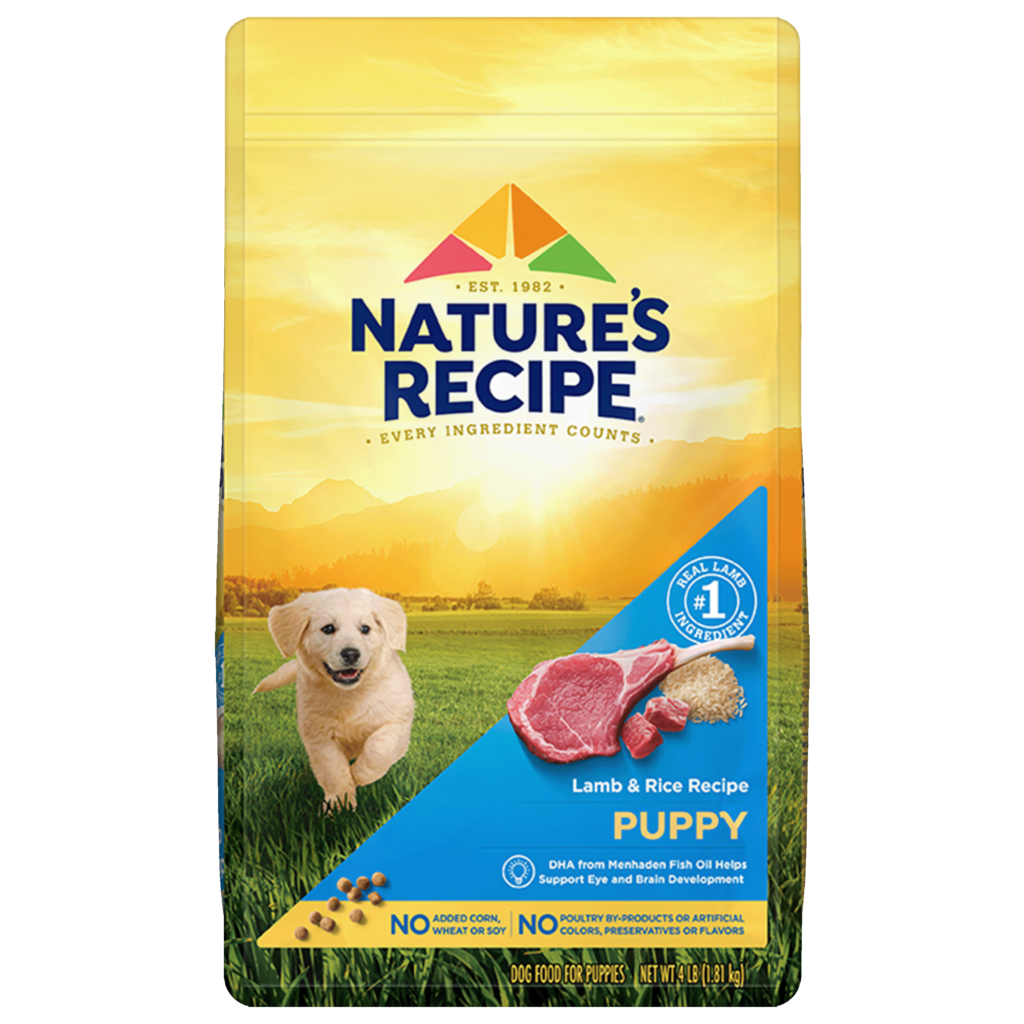
Credit: www.naturesrecipe.com
Choosing The Right Puppy Food
Puppies need special food to grow strong and healthy. Their bodies require more nutrients than adult dogs. Choosing the right puppy food helps support good bone growth, brain development, and a strong immune system. This guide helps you find the best food for your puppy’s needs.
Key Ingredients To Look For
Protein is essential for muscle growth. Look for foods with real meat like chicken, beef, or fish listed first. Healthy fats provide energy and help brain development. Ingredients like fish oil or flaxseed are good sources. Vitamins and minerals support overall health. Calcium and phosphorus are important for strong bones. Avoid foods with too many fillers like corn or wheat. These add little nutrition.
Reading Labels
Check the ingredient list carefully. Ingredients are listed by weight, from most to least. The first few ingredients matter most. Look for named meats, not by-products. Confirm the food meets AAFCO standards for puppies. This means it has the right balance of nutrients. Avoid foods with artificial colors, flavors, or preservatives. These can cause allergies or upset stomachs.
Brand Comparisons
Compare brands based on ingredients and price. Some brands specialize in puppy food formulas. Look for those with good reviews from other pet owners. Consider brands with transparent ingredient sourcing. Avoid brands with many recalls or complaints. Higher price does not always mean better quality. Choose a brand that fits your budget and your puppy’s needs.
Transitioning Between Foods
Changing a puppy’s food needs care and attention. Sudden changes can upset their stomach. Transitioning between foods helps puppies adjust well. It supports digestion and keeps them healthy.
How To Switch Gradually
Start by mixing 25% new food with 75% old food. Do this for three days. Then increase new food to 50% for three days. After that, 75% new food for three days. Finally, feed 100% new food. This slow change helps avoid stomach upset.
Signs Of Food Intolerance
Watch for vomiting, diarrhea, or gas. It might mean the new food does not suit your puppy. Scratching or redness on skin can also show intolerance. If these happen, stop the new food and ask a vet. Early action keeps your puppy safe.
Maintaining A Balanced Diet
Puppies need the right mix of protein, fat, and vitamins. Adult dog food may lack some nutrients puppies need. Check the label for complete nutrition. Talk to a vet about your puppy’s diet. Balanced food supports strong bones and good growth.

Credit: www.bluebuffalo.com
Homemade Alternatives
Many pet owners prefer homemade food for their puppies. It gives control over ingredients and quality. Homemade meals can be fresh and free from fillers. But it is important to make sure the food meets puppy needs. Puppies grow fast and need specific nutrients to stay healthy.
Homemade alternatives can be a good choice. They allow you to choose safe ingredients and balance nutrients well. Careful planning and expert advice help create the best meals for pups.
Safe Ingredients For Puppies
Choose fresh meats like chicken, turkey, or beef. Cook meat thoroughly to avoid germs. Include vegetables like carrots, peas, and sweet potatoes. Avoid onions, garlic, and grapes as they are toxic. Rice and oats are good carbohydrate sources. Use small amounts of healthy oils like fish oil for shiny fur.
Balancing Nutrients
Puppies need protein, fats, vitamins, and minerals in the right amount. Protein supports muscle and growth. Fats provide energy and support brain development. Calcium and phosphorus are vital for strong bones. Too much or too little of any nutrient can harm growth. Use recipes designed for puppies and adjust portions by weight and age.
Consulting Professionals
Talk to a vet before switching to homemade food. A vet can help check if the diet is complete. Nutritionists can create balanced meal plans for puppies. Regular check-ups track puppy health and growth progress. Professional advice prevents nutrient gaps and health problems.

Credit: www.becopets.com
Frequently Asked Questions
Can Puppies Eat Adult Dog Food Safely?
Puppies should not eat adult dog food regularly. Adult formulas lack essential nutrients for growth. Puppy food supports healthy development with balanced vitamins and proteins.
What Risks Come From Feeding Puppies Adult Dog Food?
Feeding puppies adult food can cause nutrient deficiencies. It may lead to poor bone growth and weak immunity. Puppies need higher calories and specific nutrients found in puppy food.
When Can A Puppy Switch To Adult Dog Food?
Puppies can switch to adult food around one year old. Larger breeds may need more time. Consult your vet to determine the best transition period for your puppy.
How To Transition A Puppy To Adult Dog Food?
Transition gradually over 7 to 10 days. Mix increasing amounts of adult food with puppy food. This reduces digestive upset and helps your puppy adjust smoothly.
Conclusion
Puppies need special nutrients to grow strong and healthy. Adult dog food may not have the right balance for them. Feeding a puppy adult dog food sometimes can be okay but not for long. It is best to choose food made for puppies.
Always watch your puppy’s weight and energy levels. Talk to your vet for the best advice. Good food helps your puppy stay happy and active. Keep your puppy’s health a top priority.


