

Are you looking for a dog that’s not just a pet but a true family companion? Choosing the best working dog for families can change your life in amazing ways.
These dogs are smart, loyal, and full of energy – perfect for keeping up with your busy household. But how do you find the right one for your family’s unique needs? Keep reading, because we’ll help you discover which working dog fits your lifestyle, bringing joy, safety, and endless fun to your home.
Credit: www.fullcontactk9.com
Traits Of Ideal Family Working Dogs
Choosing the best working dog for families means understanding key traits. These traits ensure the dog fits well with children and adults. They help the dog perform duties while being part of the family. Ideal family working dogs show loyalty, good behavior, smarts, and the right energy.
These traits make life easier and safer for everyone. They also help the dog enjoy its work and family time. Each trait plays a special role in creating a happy home with a working dog.
Loyalty And Protection
Family working dogs must be loyal to their owners. They protect the family without being aggressive. Loyalty builds trust between the dog and family members. Protective dogs sense danger and warn their family. They act calmly and confidently in tough situations.
Temperament And Social Skills
Good family working dogs have a calm temperament. They get along well with kids and other pets. Social skills help dogs behave well in public places. Friendly dogs make family outings more enjoyable. They stay relaxed even around strangers.
Trainability And Intelligence
Smart dogs learn commands quickly and follow them. Trainability is key for safety and cooperation. Intelligent dogs solve problems and adapt to new tasks. They respond well to consistent training methods. This makes daily routines smoother for families.
Energy Levels And Exercise Needs
Working dogs need the right amount of exercise. Too much energy can lead to bad behavior. Too little exercise can cause health problems. Ideal dogs match their energy to the family’s lifestyle. Regular walks and playtime keep them happy and healthy.
Credit: bestbreed.com
Top Working Dog Breeds For Families
Working dogs are loyal, smart, and protective. They fit well with active families. These breeds enjoy tasks and love being part of daily life. They bring energy and safety to your home. Here are some top working dog breeds for families.
German Shepherd
German Shepherds are brave and intelligent. They learn commands quickly and protect their family. These dogs enjoy exercise and mental challenges. They are good with children if trained early. German Shepherds make excellent family guardians.
Labrador Retriever
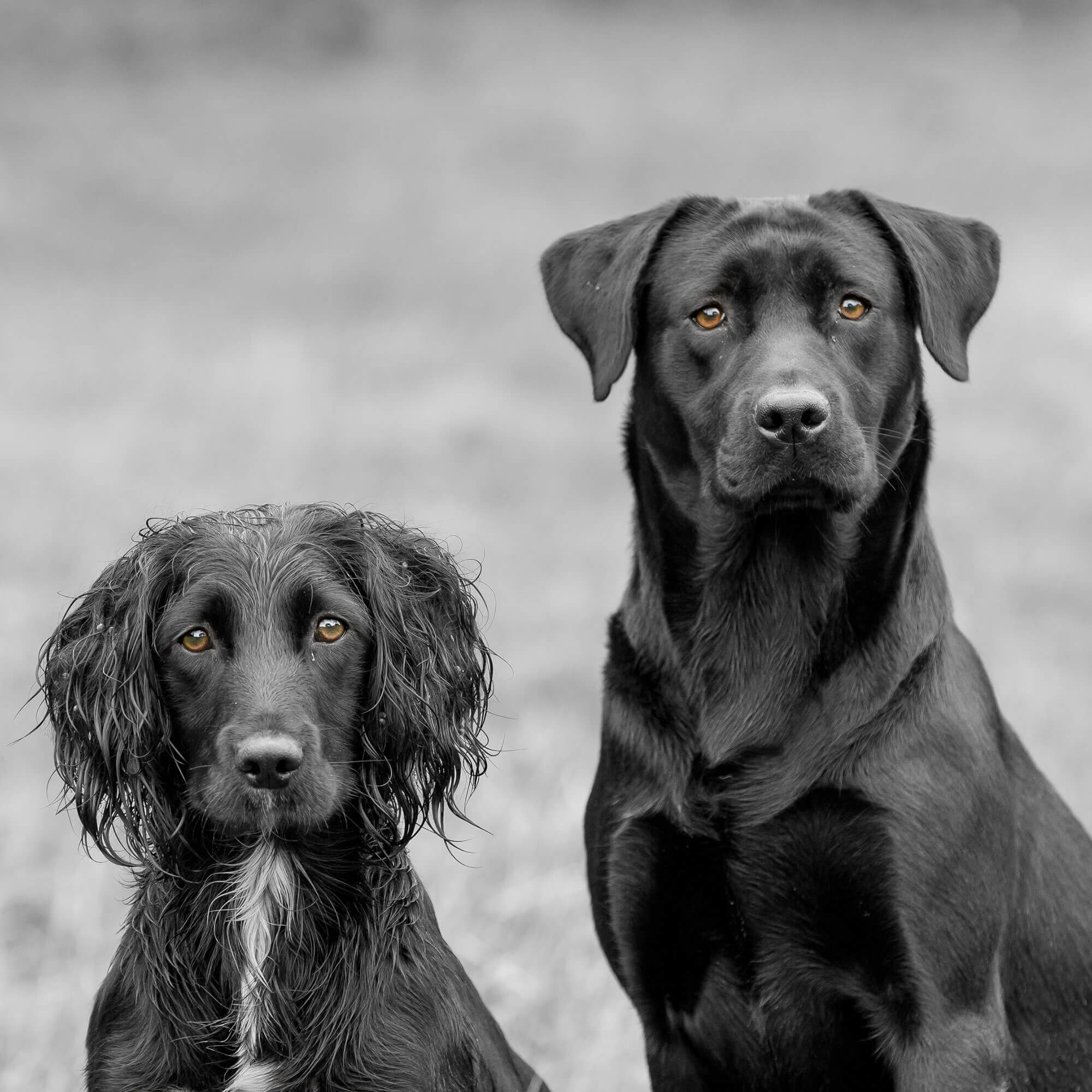
Labrador Retrievers are friendly and gentle. They love playing and spending time with kids. These dogs are easy to train and eager to please. Labs have strong work instincts for tasks. They bring joy and energy to families.
Belgian Malinois
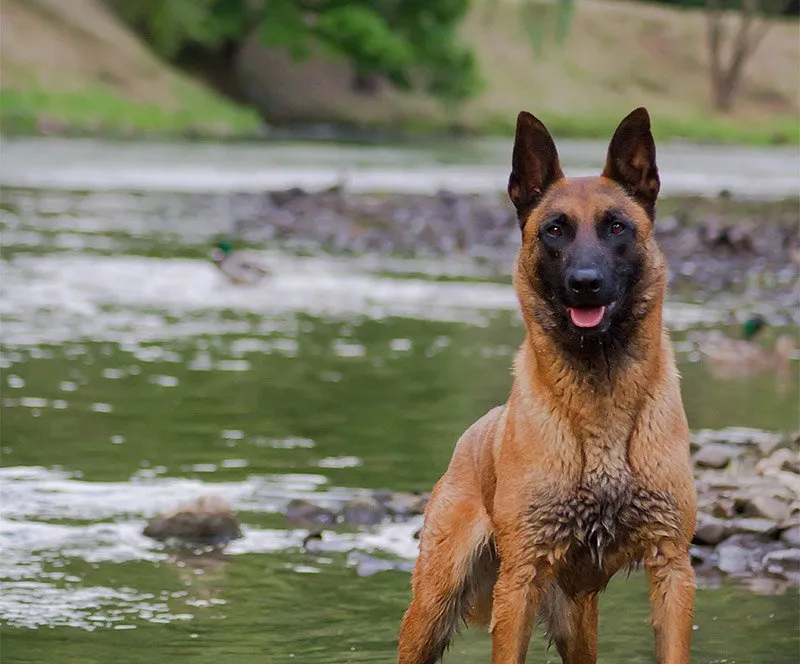
Belgian Malinois are smart and energetic dogs. They require lots of exercise and mental work. These dogs bond closely with their owners. They excel in protection and agility tasks. Malinois are best for active families.
Boxer
Boxers are playful and loyal companions. They enjoy being around children and adults. These dogs have strong protective instincts. Boxers need daily exercise and social interaction. They are great for families who love activity.
Doberman Pinscher
Doberman Pinschers are alert and protective dogs. They are very loyal to their families. These dogs learn commands quickly and obey well. Dobermans need regular training and exercise. They make strong family protectors.
Rottweiler
Rottweilers are confident and powerful dogs. They guard their home and loved ones. These dogs are calm with family if socialized early. Rottweilers need firm training and lots of activity. They fit families who want a watchful friend.
Australian Shepherd
Australian Shepherds are smart and energetic dogs. They love running and learning new tricks. These dogs bond deeply with their family members. Aussies need mental stimulation and daily exercise. They suit families with active lifestyles.
Matching Breeds To Family Lifestyles
Choosing the right working dog depends a lot on family life. Each family has its own routine, energy, and space. Matching a dog’s needs with these factors helps everyone stay happy. A well-suited dog fits smoothly into daily life and feels like part of the family.
Active Families
Active families need dogs with high energy. Breeds like Border Collies and Australian Shepherds enjoy running and playing. These dogs thrive on exercise and mental challenges. They keep up with outdoor activities and love family adventures. Without enough activity, they can become bored and restless.
Families With Young Children
Families with young kids should choose gentle, patient dogs. Labrador Retrievers and Golden Retrievers often work well. These breeds are friendly and tolerant with children. They can handle noise and sudden movements easily. Teaching kids to respect dogs helps build a strong bond.
First-time Dog Owners
First-time owners benefit from calm, easy-to-train dogs. Breeds like the Cavalier King Charles Spaniel or the Poodle suit beginners. These dogs adjust well to new homes and routines. They respond quickly to basic commands. Simple care and training reduce stress for new owners.
Living In Urban Vs. Rural Settings
Urban homes need dogs comfortable in small spaces. French Bulldogs or Shih Tzus fit city life well. They require less exercise and enjoy indoor play. Rural families can choose larger, more active breeds. German Shepherds or Bernese Mountain Dogs love wide open areas. Matching space with breed size keeps dogs happy.
Training Tips For Working Dogs At Home
Training working dogs at home needs patience and clear guidance. These dogs have strong energy and sharp minds. They need structure to stay happy and focused. Good training helps them learn rules and tasks easily. It also builds a strong bond between the dog and family. Here are some key tips to train your working dog well.
Establishing Boundaries
Set clear limits for your dog from the start. Decide where your dog can go and what is allowed. Use simple commands like “no” or “stay” firmly. Boundaries help your dog understand family rules. It keeps them safe and respectful. Consistent boundaries prevent confusion and bad habits.
Socialization Strategies
Expose your dog to different people, animals, and places. Start with calm and safe environments. Let your dog meet new friends gently and slowly. Early socialization reduces fear and aggression. It helps your dog behave well in public. Regular social time keeps them friendly and confident.
Consistency And Positive Reinforcement
Train your dog every day with short sessions. Use the same words and actions for commands. Reward good behavior with treats, praise, or playtime. Positive reinforcement encourages your dog to repeat actions. Avoid punishment, as it can cause fear or stress. Consistent training builds trust and good habits over time.
Health And Care For Working Dogs
Working dogs need special care to stay healthy and active. Their jobs require strength, energy, and focus. Proper health care helps them perform well and live longer. Every family should know how to meet these dogs’ health needs. Simple steps make a big difference.
Nutrition Needs
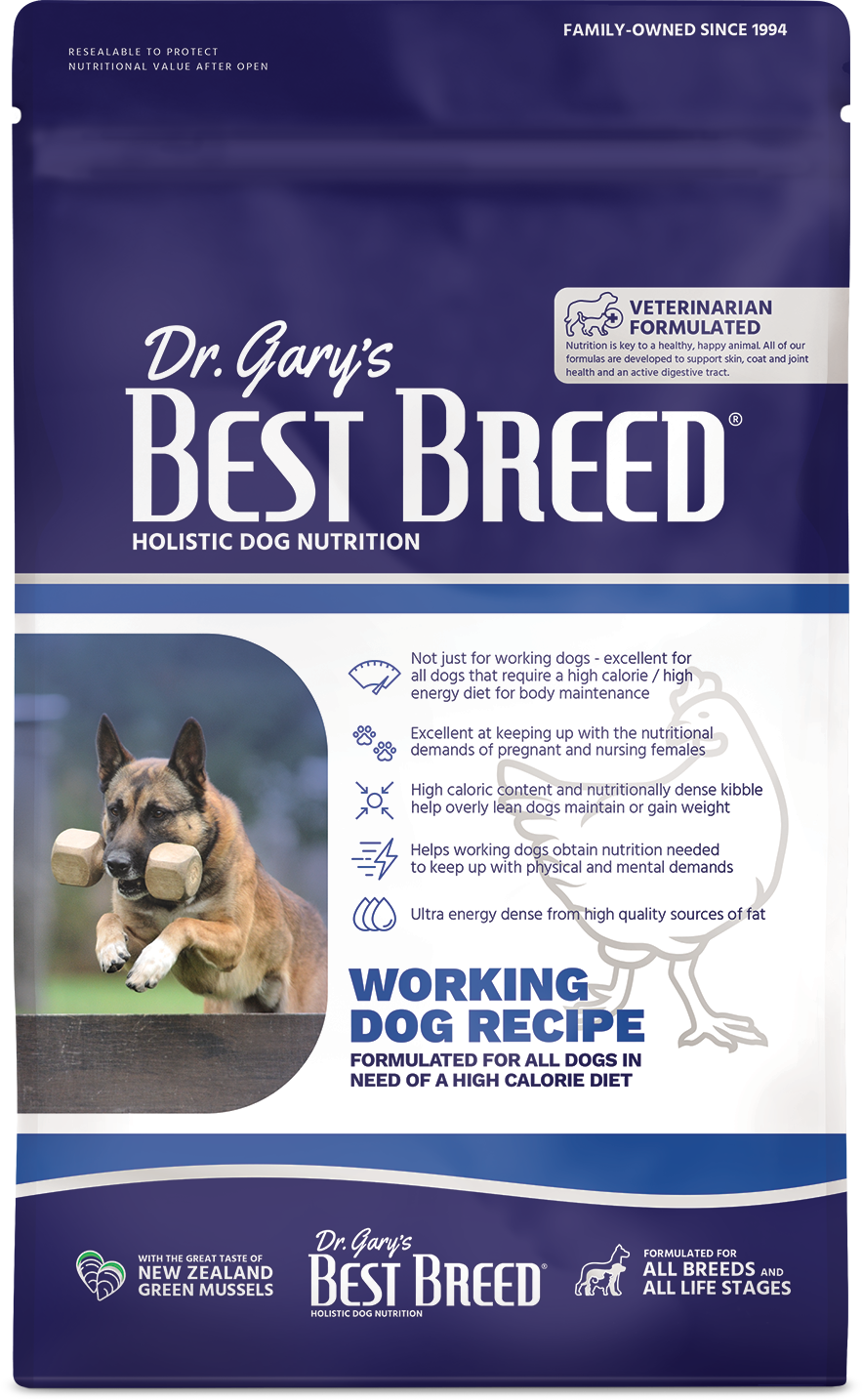
Working dogs burn a lot of energy daily. They need food rich in protein and healthy fats. Balanced meals keep their muscles strong and energy high. Fresh water must always be available. Avoid feeding them too many treats or table scraps. Good nutrition supports their work and overall health.
Exercise Routines
Exercise is vital for working dogs. It keeps their bodies fit and minds sharp. Daily walks and playtime help prevent boredom and stress. Some dogs need more intense activities like running or agility training. Rest days are important too. Proper exercise boosts their performance and happiness.
Regular Vet Checkups
Routine vet visits catch health problems early. Vaccinations protect dogs from dangerous diseases. Parasite control prevents ticks, fleas, and worms. Dental care avoids painful tooth issues. Regular checkups ensure the dog stays in top shape. Early treatment helps dogs return to work quickly.
Credit: www.meatiful.co.uk
Frequently Asked Questions
What Makes A Dog A Good Working Dog For Families?
A good working dog for families is loyal, intelligent, and trainable. They are gentle with kids and protective. These dogs handle tasks well and adapt to family life, providing both companionship and service.
Which Dog Breeds Are Best For Active Families?
Active families benefit from breeds like Labrador Retrievers, Border Collies, and German Shepherds. These dogs have high energy, love exercise, and enjoy outdoor activities. They thrive in active homes and are easy to train.
How Do Working Dogs Help Family Safety?
Working dogs enhance family safety by alerting to dangers and strangers. They are naturally protective and can be trained for guarding roles. Their presence alone often deters threats and provides peace of mind.
Are Working Dogs Good With Children?
Many working dogs are excellent with children due to their gentle nature and patience. Breeds like Golden Retrievers and Boxers are known for family-friendly temperaments. Proper training and socialization ensure safe interactions.
Conclusion
Choosing the best working dog for your family means thinking about needs. Each dog breed offers different skills and energy levels. Some dogs protect, while others help with chores or guide. Consider your family’s lifestyle and space. Training and care matter a lot for any dog.
A happy dog makes a happy home. Spend time with dogs before deciding. That way, everyone feels right and ready. The right working dog brings joy and support every day.


