
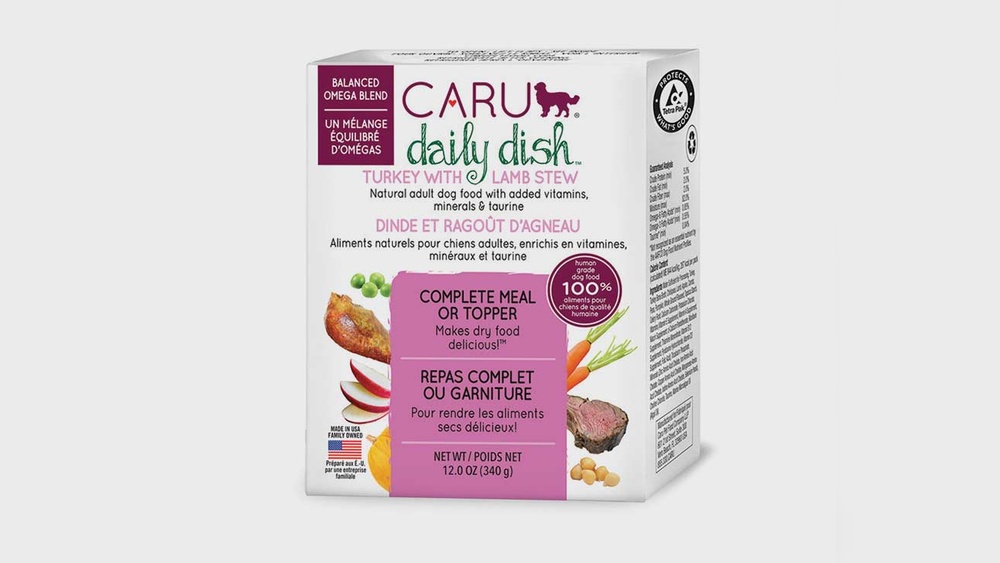
If your dog struggles with allergies, you know how hard it is to find the right food that won’t cause discomfort or skin issues. Choosing the best wet dog food for dogs with allergies can make a huge difference in your furry friend’s health and happiness.
You want something gentle, nutritious, and tasty—something your dog will love and that supports their sensitive system. In this guide, you’ll discover top options designed specifically for dogs with allergies, helping you make the best choice without the guesswork. Keep reading to find the perfect meal that keeps your dog feeling great every day.
Credit: redtek.ir
Causes Of Dog Allergies
Dog allergies can cause discomfort and health issues. Understanding what triggers these allergies helps in managing your pet’s diet and environment. Allergies happen when a dog’s immune system reacts to certain substances as threats. These substances are called allergens. Allergies can come from food, environment, or contact with certain materials.
Food allergies are common and often affect dogs’ skin and digestion. Identifying the cause is key to choosing the best wet dog food for dogs with allergies. Knowing common allergens and symptoms helps you spot problems early.
Common Allergens In Dog Food
Many dog foods contain ingredients that may cause allergies. Beef, chicken, and dairy are frequent culprits. Wheat, soy, and corn are common grain allergens. Eggs and fish can also trigger reactions in some dogs. Artificial additives and preservatives sometimes cause sensitivity too. Wet dog food with limited ingredients reduces risk of allergic reactions.
Symptoms To Watch For
Allergic dogs show clear signs. Itching and scratching are common symptoms. Red, inflamed skin or rashes may appear. Hair loss can develop from constant scratching. Digestive problems include vomiting and diarrhea. Ear infections often happen in allergic dogs. Licking paws excessively is another sign to watch. Early detection helps prevent worsening symptoms.
:strip_icc()/Spruce-best-dog-food-at-walmart-4173197-a02410eb5618412b8495e0eaba6420a8.jpg)
Credit: www.thesprucepets.com
Benefits Of Wet Dog Food For Allergies
Wet dog food offers many benefits for dogs with allergies. It helps reduce irritation and supports overall health. Choosing the right wet food can make a big difference in your dog’s comfort and wellbeing. Many wet foods use simple ingredients that are easier for sensitive dogs to digest. The moisture content also plays a key role in keeping allergic dogs healthy.
Improved Hydration
Wet dog food contains high water content, which keeps dogs hydrated. Proper hydration helps flush out allergens from the body. It also supports healthy skin and coat, reducing itchiness and dryness. Dogs with allergies often need extra moisture to stay comfortable. Wet food provides this hydration naturally, without the need for extra water bowls.
Better Ingredient Control
Wet dog food allows for better control over ingredients. Many wet foods have fewer additives and fillers compared to dry food. This means less chance of triggering allergic reactions. Labels are easier to read and understand. Choosing wet food with simple, limited ingredients helps avoid common allergens. This control makes it easier to manage your dog’s allergies daily.
Key Ingredients To Avoid
Choosing the right wet dog food is important for dogs with allergies. Avoiding certain ingredients helps prevent allergic reactions. Knowing which ingredients cause problems keeps your dog healthy and happy.
Common Allergens In Wet Food
Some ingredients often cause allergies in dogs. Beef, chicken, and dairy are common triggers. Wheat, soy, and corn can also irritate sensitive dogs. These ingredients may cause itching, swelling, or stomach upset. Avoiding these allergens helps reduce allergy symptoms.
Artificial Additives And Preservatives
Artificial colors, flavors, and preservatives can harm dogs with allergies. These additives may cause skin problems and digestive issues. Ingredients like BHA, BHT, and ethoxyquin are harmful preservatives. Choose wet food without artificial additives to protect your dog’s health.
:strip_icc()/Spruce-best-dog-food-for-allergies-4173781-024027f06d344cd8acf7267d38694fa3.jpg)
Credit: www.thesprucepets.com
Top Wet Dog Foods For Allergies
Choosing the right wet dog food helps ease allergy symptoms. Dogs with allergies need special diets. These diets avoid common allergens and support their health. Wet dog food can be gentle and tasty for sensitive dogs.
Here are top wet dog food types that work well for dogs with allergies. Each type focuses on reducing exposure to allergens.
Limited Ingredient Formulas
Limited ingredient formulas use fewer ingredients. They reduce the chance of allergic reactions. These foods often include one protein and one carbohydrate source. This simplicity helps identify and avoid allergens. Limited ingredient wet foods are easy on your dog’s stomach.
Grain-free Options
Grain-free wet foods remove common grains like wheat, corn, and soy. These grains often cause allergies in dogs. Grain-free diets use vegetables and alternative carbs. They help dogs with grain sensitivities feel better. These options provide balanced nutrition without common triggers.
Novel Protein Choices
Novel proteins are less common meat sources. Examples include duck, venison, or rabbit. Dogs rarely eat these proteins, so allergies are less likely. Novel protein wet foods give your dog new protein sources. This helps avoid allergies to usual meats like chicken or beef.
How To Transition To New Food
Changing your dog’s food requires care. Dogs with allergies need extra attention during this change. A sudden food switch can upset their stomach or trigger allergies. Taking small steps helps your dog adjust smoothly. Watch your dog closely for any signs of discomfort or allergic reaction. This approach makes the new food more acceptable and safer for your pet.
Gradual Introduction Tips
Start by mixing 25% of the new food with 75% of the old food. Keep this ratio for three days. Then increase the new food to 50%, decreasing the old food to 50%. Continue this for another three days. Next, move to 75% new food and 25% old food for three days. Finally, feed 100% new food. This slow change helps your dog’s digestive system adjust. Avoid feeding only new food at once. This may cause vomiting, diarrhea, or allergic reactions.
Monitoring Allergic Reactions
Watch for itching, redness, or swelling on your dog. Check for unusual scratching or licking. Look for signs like vomiting or diarrhea. Keep track of any changes in energy or mood. If you notice any symptoms, stop the new food. Contact your vet immediately. Keep a daily log of your dog’s reactions. This helps spot patterns and informs your vet’s advice. Early detection keeps your dog safe and comfortable.
Additional Allergy Management Tips
Managing allergies in dogs requires more than just feeding the right wet food. There are extra steps that help keep your dog’s allergies under control. These tips support your dog’s health and comfort every day.
Supplements And Treats
Supplements can improve your dog’s skin and coat health. Omega-3 fatty acids reduce inflammation and itching. Probiotics support digestion and boost the immune system.
Choose treats made from limited ingredients. Avoid treats with common allergens like wheat, soy, or corn. Look for natural, hypoallergenic options to avoid flare-ups.
Consulting Your Veterinarian
Your veterinarian knows your dog’s health best. Regular check-ups help track allergy progress and adjust treatments. They can recommend tests to find specific allergens.
Vets may suggest medications or special diets to ease symptoms. Follow their advice closely to protect your dog’s well-being. Early veterinary care prevents severe allergy problems later.
Frequently Asked Questions
What Ingredients To Avoid In Wet Dog Food For Allergies?
Avoid common allergens like wheat, soy, corn, and artificial additives. Choose limited-ingredient formulas with novel proteins to reduce allergic reactions. Always read labels carefully to spot hidden allergens.
How To Choose The Best Wet Dog Food For Allergies?
Look for hypoallergenic, grain-free, and limited-ingredient wet dog foods. Consult your vet for specific allergy needs. Prioritize products with high-quality protein and no fillers or artificial preservatives.
Can Wet Dog Food Help Manage My Dog’s Allergies?
Yes, wet dog food with suitable ingredients can reduce allergy symptoms. It provides hydration and easier digestion, which benefits sensitive dogs. Consistent use may improve your dog’s skin and coat health.
How To Transition My Dog To Allergy-friendly Wet Food?
Switch gradually over 7-10 days by mixing increasing amounts of new food. This prevents digestive upset and allows your dog to adapt comfortably. Monitor for any allergic reactions during the transition.
Conclusion
Choosing the right wet dog food helps ease allergy symptoms. Dogs feel better with gentle, simple ingredients. Always read labels carefully before buying any food. Consult your vet to find the best option. Watch your dog’s reaction to new food closely.
Healthy meals lead to happy, active dogs. Take time to pick food that suits your dog. Allergy-friendly wet food can make a big difference. Your dog deserves care that fits their needs. Keep your furry friend comfortable and thriving every day.


