

Finding the best weight maintenance dog food is key to keeping your furry friend healthy and happy. You want to give your dog the right nutrition without overfeeding or risking weight gain.
But with so many options out there, how do you choose the perfect food that supports your dog’s ideal weight? You’ll discover simple, effective choices that make weight control easy and enjoyable for your pet. Keep reading to learn how to fuel your dog’s energy and maintain a healthy weight for years to come.
Why Weight Maintenance Matters
Maintaining a healthy weight is key for your dog’s happiness and long life. Proper weight control helps dogs stay active and feel good every day. Overweight dogs face many problems that can shorten their time with you. Choosing the right food supports weight balance and overall health.
Health Risks Of Overweight Dogs
Extra weight puts stress on your dog’s heart and lungs. It can cause joint pain and arthritis. Overweight dogs may have trouble breathing and moving. They also face a higher chance of diabetes and other illnesses. These problems reduce your dog’s quality of life.
Benefits Of Proper Weight Control
Keeping your dog at a healthy weight improves energy and mood. It lowers the risk of serious health problems. Your dog will enjoy longer walks and playtime. Healthy weight helps your dog’s organs work well. It also supports a strong immune system and better healing.
:strip_icc()/sps-tier-3-product-hills-science-diet-perfect-weight-adult-dog-food-ahuang-086-2297c2254e834607925497383a3dc8b6.jpeg)
Credit: www.thesprucepets.com
Key Ingredients For Weight Control
Choosing the right dog food helps keep your pet’s weight healthy. Certain ingredients support weight control and improve overall health. These key ingredients help manage hunger, boost energy, and maintain muscle.
High-quality Proteins
Protein builds and repairs muscles. It helps dogs stay strong and active. High-quality proteins come from meat, fish, or eggs. These proteins keep dogs full longer, reducing overeating. Muscle maintenance also helps burn calories efficiently.
Fiber And Digestive Health
Fiber improves digestion and controls hunger. It adds bulk to meals without extra calories. Sources include vegetables, fruits, and grains. Fiber supports healthy gut bacteria, which aids digestion. It helps dogs feel satisfied and less hungry.
Low Fat And Calories
Foods low in fat reduce calorie intake. They help prevent weight gain in less active dogs. Look for dog food with controlled fat levels. This supports a healthy weight without losing energy. Balanced calories keep dogs fit and lively.
Top Dog Food Brands For Weight Management
Choosing the right dog food helps keep your pet at a healthy weight. Many brands offer formulas designed to support weight management. These foods balance calories and nutrients to maintain your dog’s ideal shape. Quality ingredients and proper nutrition matter most for lasting health.
Premium Options
Premium dog foods often use high-quality proteins and natural ingredients. These brands focus on balanced nutrition with fewer fillers. They include added fiber to help dogs feel full. Examples include Hill’s Science Diet and Blue Buffalo Healthy Weight. These options suit dogs needing precise calorie control.
Budget-friendly Choices
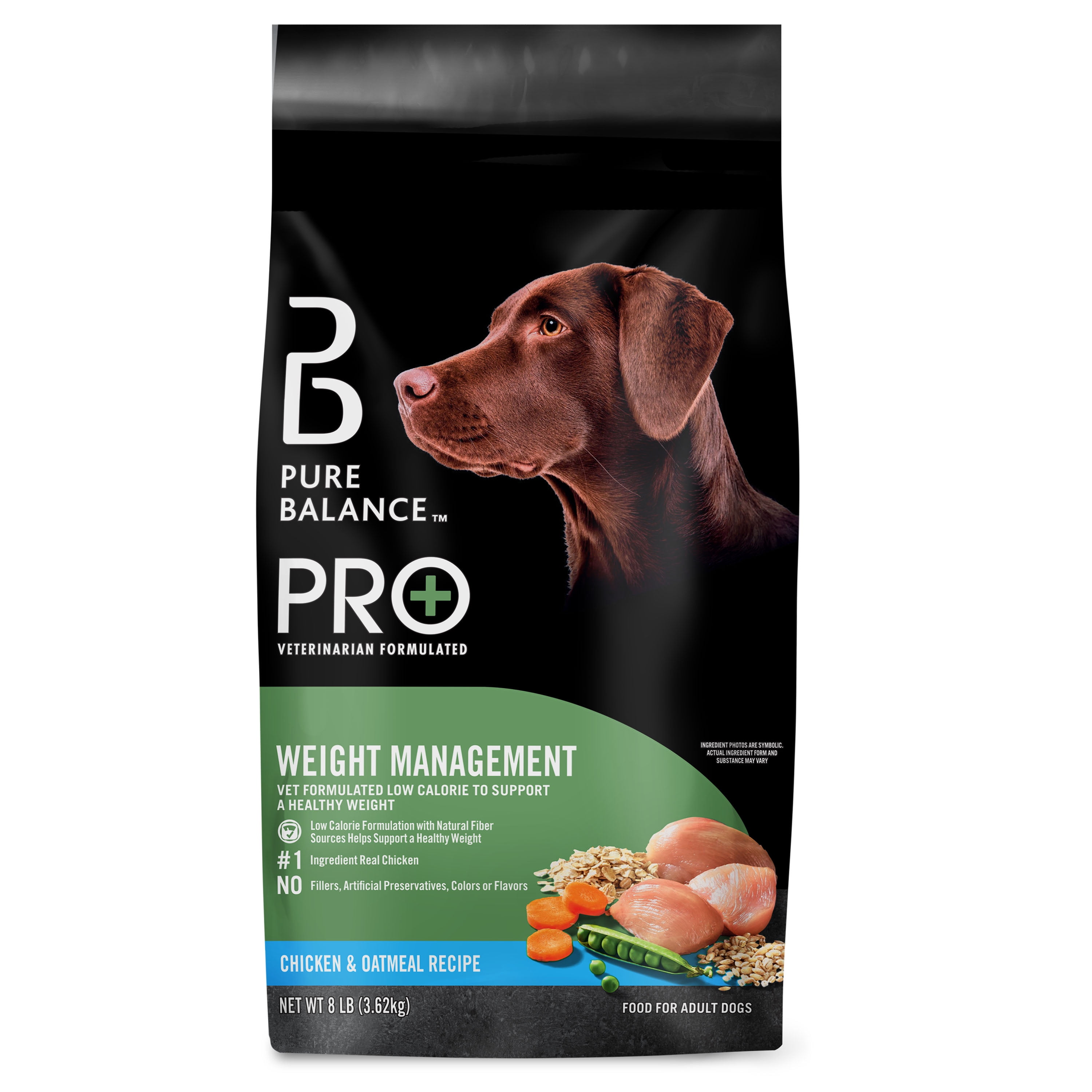
Affordable dog foods can still support weight management. These brands often offer lower-cost recipes with controlled calories. Look for products with lean protein and limited fat. Brands like Purina Pro Plan and Nutro provide good value. These choices help maintain weight without overspending.
Grain-free Alternatives
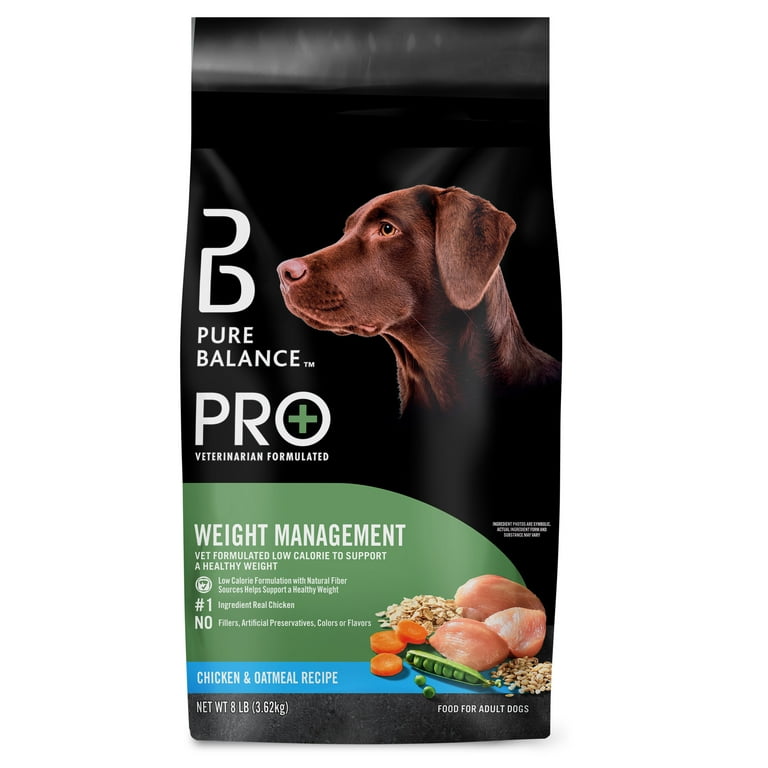
Grain-free dog foods avoid wheat, corn, and soy. They use vegetables and legumes as carbohydrate sources. Many dogs with allergies or sensitivities benefit from these formulas. Brands such as Wellness CORE and Merrick offer grain-free weight management options. They provide balanced nutrition without grains.
Credit: www.walmart.com
Special Diets And Formulas
Special diets and formulas play a key role in helping dogs maintain a healthy weight. These foods are designed to meet unique nutritional needs. They support weight control without sacrificing essential nutrients. Choosing the right formula can improve your dog’s energy and overall health.
Prescription Weight Loss Foods
Prescription weight loss foods are made by veterinarians for dogs with specific health issues. These diets have controlled calories and balanced nutrients. They help reduce fat while preserving muscle. Prescription foods often include added fiber to keep dogs full longer. Always use these diets under veterinary guidance.
Natural And Organic Formulas
Natural and organic formulas use high-quality ingredients from trusted sources. These foods avoid artificial additives, colors, and preservatives. They focus on real meat, vegetables, and grains. Natural diets support digestion and provide steady energy. Many dogs enjoy the fresh taste of organic ingredients.
Limited Ingredient Diets
Limited ingredient diets have fewer components to reduce allergies and sensitivities. These foods use simple recipes with one protein and one carbohydrate source. They help identify food allergies and improve digestion. Limited ingredient diets are gentle on the stomach and promote weight control. Ideal for dogs with food sensitivities or allergies.
Tips For Feeding And Portion Control
Feeding your dog the right amount of food is key to keeping their weight healthy. Proper portion control helps avoid weight gain and supports good energy levels. It also prevents health problems linked to being overweight. These tips guide you to feed your dog well and keep portions just right.
Measuring Proper Portions
Use a standard measuring cup to give accurate food amounts. Check the dog food package for recommended serving sizes. Adjust portions based on your dog’s age, size, and activity level. Weighing food with a kitchen scale can be even more precise. Avoid guessing, as this can lead to overfeeding or underfeeding.
Feeding Schedules
Set regular feeding times each day to control hunger and digestion. Most adult dogs do well with two meals daily. Puppies may need three or more small meals. Consistent schedules help dogs expect food and reduce begging. Avoid leaving food out all day to stop overeating.
Avoiding Overfeeding
Do not give extra treats or table scraps often. Treats should make up less than 10% of daily calories. Watch your dog’s weight and body shape regularly. If your dog gains weight, reduce food or increase exercise. Always ask a vet if unsure about your dog’s diet needs.
Monitoring Your Dog’s Weight Progress
Monitoring your dog’s weight progress is key to keeping them healthy. It helps prevent obesity and related health problems. Regular checks allow you to catch changes early. Small adjustments in food and exercise can make a big difference.
Tracking weight also helps you understand how well your dog food is working. It ensures your dog stays fit and happy.
Regular Weigh-ins
Weigh your dog at least once a week. Use the same scale and time each day. This keeps results consistent and accurate. Write down the weight to track changes over time. Sudden weight gain or loss needs attention.
Recognizing Healthy Body Condition
Look at your dog’s body shape and feel their ribs. You should feel ribs easily but not see them. The waist should be visible from above. The belly should tuck up slightly behind the ribs. These signs show a healthy weight and body condition.
Adjusting Food Intake
Change food amounts based on weight changes. If your dog gains weight, reduce food slightly. If they lose weight, increase food carefully. Follow feeding guidelines on the dog food package. Consult a vet for precise advice on food changes.
Exercise And Lifestyle Factors
Exercise and lifestyle play a big role in keeping your dog at a healthy weight. Good food helps, but activity helps even more. A balanced routine keeps dogs fit and happy. It also supports digestion and energy levels. Dogs need daily movement to burn calories and stay strong. The right exercise fits your dog’s age, size, and breed.
Daily Activity Recommendations
Most dogs need 30 to 60 minutes of exercise each day. Small breeds may need less time but more frequent walks. Larger dogs often enjoy longer, more vigorous activities. Break exercise into two or three sessions for best results. Include walking, running, or playing to keep dogs engaged. Pay attention to your dog’s energy and mood. Adjust activity levels if your dog seems tired or restless.
Fun Ways To Keep Dogs Active
Exercise should be fun for dogs and owners alike. Try games like fetch, tug-of-war, or hide and seek. Use toys that encourage movement and mental stimulation. Swimming is gentle on joints and great for fitness. Agility courses or obstacle challenges add variety and skill-building. Explore new walking routes to keep walks interesting. Social play with other dogs adds excitement and exercise. Active play helps maintain weight and builds a strong bond.
Credit: www.walmart.com
Frequently Asked Questions
What Ingredients Make The Best Weight Maintenance Dog Food?
High-quality protein, fiber, and balanced fats are key. Look for whole grains and vegetables. Avoid fillers, artificial additives, and excess calories. These ingredients help maintain healthy weight and energy.
How To Choose Dog Food For Weight Maintenance?
Select formulas labeled for weight control or maintenance. Check calorie content and nutrient balance. Consider your dog’s age, size, and activity level. Consult your vet for personalized recommendations.
Can Weight Maintenance Dog Food Help Prevent Obesity?
Yes, it helps control calorie intake and promotes healthy metabolism. Proper nutrition supports ideal weight and reduces obesity risks. Combined with exercise, it maintains your dog’s overall health.
How Often Should I Feed My Dog Weight Maintenance Food?
Feed your dog twice daily or as advised by your vet. Measure portions carefully to avoid overfeeding. Consistency in feeding times helps regulate metabolism and weight.
Conclusion
Choosing the best weight maintenance dog food keeps your pet healthy and happy. Balanced nutrition supports steady energy and ideal weight. Feeding the right food helps prevent obesity and related health issues. Always check ingredients for quality and proper nutrients.
Regular vet visits ensure your dog stays fit and active. Healthy food means a longer, joyful life for your dog. Careful food choices show how much you love your pet. Keep your dog’s diet simple, nutritious, and tasty every day.


