If your dog has swallowed something harmful, knowing the best way to induce vomiting can be a lifesaver. You want to act quickly but safely to protect your furry friend.
This guide will walk you through simple, effective steps you can take right at home—and when to call the vet instead. Keep reading to learn how to handle this emergency with confidence and care. Your dog’s health depends on it.
When To Induce Vomiting
Knowing when to induce vomiting in dogs is very important. It can help remove harmful substances quickly. Acting fast can save your dog’s life. But not every situation calls for vomiting. Understanding the right signs and timing matters a lot.
Signs Of Poisoning
Look for sudden drooling or vomiting. Your dog may act weak or dizzy. They might have trouble breathing or coughing. Unusual behavior like shaking or seizures is a red flag. These signs show your dog could be poisoned.
Time Frame For Action
Act within two hours of ingestion. The sooner, the better. After two hours, the poison may pass to the intestines. Inducing vomiting too late can be harmful. Quick response increases the chance to remove toxins.
Substances That Require Vomiting
Vomiting helps with some poisons, not all. Common toxic items include chocolate, certain plants, and household cleaners. Some medications can also be harmful. Avoid vomiting if your dog ate sharp objects or acids. These can damage the throat or stomach further.
Credit: www.bemidjivethospital.com
Risks Of Inducing Vomiting
Inducing vomiting in dogs may seem like a quick solution after they eat something harmful. Yet, this action carries risks. Understanding these risks helps protect your dog’s health and safety. Not every situation suits vomiting, and mistakes can cause harm. Always weigh the dangers before trying to make your dog vomit.
Potential Complications
Vomiting can cause choking if the dog inhales vomit. This can lead to serious lung infections. Some substances may burn the throat or mouth on the way back up. Vomiting may worsen injuries caused by sharp objects inside the stomach. There is a chance of dehydration if vomiting happens repeatedly. Some dogs may become weak or dizzy after vomiting. These complications can make the dog’s condition worse.
When Not To Induce Vomiting
Do not induce vomiting if the dog ate something corrosive like bleach or acid. Vomiting these substances can damage the throat and mouth. Avoid vomiting if the dog is unconscious or having seizures. Dogs with breathing problems should not be made to vomit. If the dog swallowed sharp objects like glass, vomiting is unsafe. Always call a vet before trying to induce vomiting. Professional advice is crucial to avoid risks.
Safe Home Methods
Safe home methods for inducing vomiting in dogs can be helpful in emergencies. These methods should only be used after consulting a vet. Using the right technique and substance is key. Incorrect methods can harm your dog. Always watch your dog closely during the process.
Using Hydrogen Peroxide
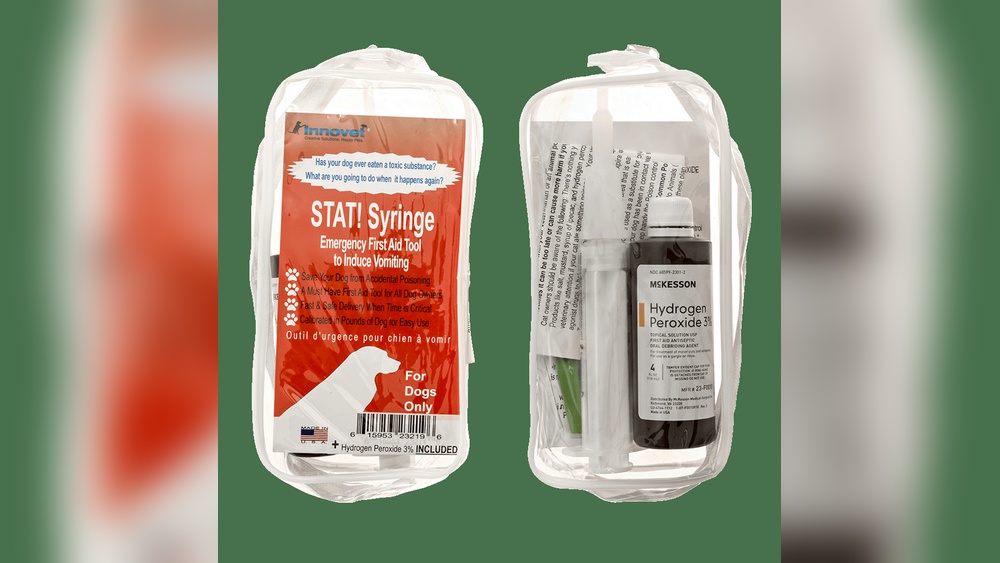
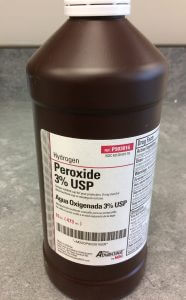
Hydrogen peroxide is the most common home remedy to induce vomiting. It works by irritating the stomach lining. This causes your dog to vomit and clear harmful substances. Only use 3% hydrogen peroxide for safety. Never use other strengths or chemicals.
Dosage Guidelines
The correct dose is 1 teaspoon per 10 pounds of your dog’s weight. Do not give more than 3 tablespoons total. Measure the dose carefully to avoid overdose. Giving too much can cause stomach irritation or worse. Always use a proper measuring spoon or syringe.
Administering The Solution
Use a syringe or a turkey baster to give the solution. Gently place it inside the side of your dog’s mouth. Slowly squirt the hydrogen peroxide into your dog’s throat. Be calm and gentle to avoid choking. After giving it, encourage your dog to move around. Vomiting usually happens within 15 minutes. If your dog does not vomit, do not give a second dose without vet advice.

Credit: brightcarevet.com
Veterinary Procedures
Veterinary procedures are the safest way to induce vomiting in dogs. Trained vets know the right methods and doses to protect your pet. They handle cases with care and prevent complications. This section explains common veterinary techniques used for inducing vomiting in dogs.
Professional Induction Techniques
Veterinarians use specific methods to make dogs vomit safely. These methods include physical stimulation of the throat or use of special tools. They avoid causing harm while making sure the dog expels harmful substances. Vets choose the best technique based on the dog’s size and condition.
Use Of Medications
Medications are common in veterinary vomiting induction. Apomorphine is often given to dogs. It acts quickly to trigger vomiting. Vets control the dose to avoid side effects. They may use hydrogen peroxide only if it is safe for the dog. All medicines are used under strict supervision.
Monitoring After Vomiting
After vomiting, vets watch the dog closely. They check for breathing problems or signs of distress. Fluid therapy might be given to prevent dehydration. Sometimes, further treatment is needed if the dog swallowed poison. Continuous monitoring ensures the dog recovers well.
Aftercare For Your Dog
After helping your dog vomit, care must continue at home. Proper aftercare helps your dog recover faster and stay safe. Watch your dog closely for any changes. Provide a calm and comfortable space. Your dog needs gentle care and attention now.
Hydration And Rest
Offer fresh water in small amounts often. Drinking too much at once can upset the stomach. Rest is very important for healing. Keep your dog in a quiet, warm place. Avoid physical activity until your dog feels better.
Monitoring Symptoms
Check your dog’s behavior closely. Look for signs like weakness, coughing, or more vomiting. Note any unusual breathing or swelling. Keep track of your dog’s eating and drinking habits. Early detection of problems helps avoid serious issues.
When To Seek Further Help
Call your vet if vomiting lasts more than 24 hours. Seek help if your dog becomes very weak or unresponsive. Get immediate care for blood in vomit or stool. Sudden swelling of the face or difficulty breathing needs urgent attention. Always trust your instincts if your dog seems very ill.
Preventing Future Incidents
Preventing future incidents of poisoning in dogs is crucial for their safety. Taking steps to stop your dog from ingesting harmful substances can save their life. Careful planning and daily habits help reduce risks at home and outside.
Safe Storage Of Hazardous Items
Keep all cleaning products, medicines, and chemicals out of your dog’s reach. Store them in locked cabinets or high shelves. Avoid leaving dangerous items on counters or floors. Use containers with childproof caps to add extra safety.
Training And Supervision
Teach your dog basic commands like “leave it” and “drop.” These commands help control their behavior around harmful items. Supervise your dog closely during walks and playtime. Avoid areas with trash or unknown substances that might be dangerous.
Emergency Preparedness
Have your vet’s phone number saved on your phone. Know the location of the nearest emergency animal clinic. Keep a pet first aid kit ready at home. Learn the signs of poisoning to act quickly if needed.

Credit: www.wikihow.com
Frequently Asked Questions
How To Safely Induce Vomiting In Dogs At Home?
To safely induce vomiting, use 3% hydrogen peroxide. Administer 1 teaspoon per 10 pounds of body weight. Do not exceed 3 tablespoons. Only do this if a vet approves and within 2 hours of ingestion. Avoid this method if the dog is unconscious or having seizures.
When Should I Avoid Inducing Vomiting In Dogs?
Avoid inducing vomiting if your dog ingested sharp objects, caustic substances, or petroleum products. Also, do not induce vomiting if the dog is unconscious, having seizures, or struggling to breathe. Always consult a vet before attempting to induce vomiting to ensure safety.
What Are The Risks Of Inducing Vomiting In Dogs?
Inducing vomiting can cause choking, aspiration pneumonia, or worsening injuries. Incorrect methods can harm the dog’s throat or esophagus. Always consult a vet before inducing vomiting to minimize risks. Prompt professional care is often safer and more effective.
How Long After Poisoning Can I Induce Vomiting?
You should induce vomiting within 1 to 2 hours after poisoning. After this window, toxins may have absorbed, making vomiting ineffective and unsafe. Always consult a veterinarian immediately to determine the best course of action.
Conclusion
Helping a dog vomit can be urgent and tricky. Always act fast but stay calm. Use safe methods only, like hydrogen peroxide, and follow vet advice. Never try to induce vomiting without knowing what your dog swallowed. Some poisons make vomiting very dangerous.
Keep your vet’s number handy for quick help. Caring for your dog means knowing when and how to act. Safety comes first—always protect your furry friend.