If your dog is showing signs of discomfort, frequent urination, or accidents in the house, you might be worried about a urinary tract infection (UTI). Finding the best UTI treatment for dogs is crucial to help your furry friend feel better quickly and avoid serious health problems.
You’ll discover clear, effective solutions that can ease your dog’s pain and get them back to their happy, playful self. Keep reading to learn what steps you should take right now to protect your dog’s health and comfort.

Credit: todaysveterinarypractice.com
Symptoms Of Uti In Dogs
Urinary tract infections (UTIs) are common in dogs and can cause discomfort. Spotting symptoms early helps get the right treatment fast. Watch your dog closely for signs of a UTI. Recognizing these symptoms can prevent serious health problems.
Common Signs To Watch For
Frequent urination is a key sign of UTI in dogs. Your dog may need to go outside more often. Sometimes, they may strain or have accidents inside the house. Blood in the urine is a red flag. Foul-smelling urine can also indicate infection.
Behavioral Changes
Dogs with a UTI may seem restless or anxious. They might lick their genital area more than usual. Your dog may seem tired or less active. Some dogs become irritable or whine without clear reason. Changes in behavior often reflect discomfort or pain.
Physical Symptoms
Look for redness or swelling around the urinary opening. Your dog might show signs of pain when urinating. Fever can occur but is less common. Loss of appetite and vomiting may appear if infection spreads. Early physical signs help catch UTIs before they worsen.

Credit: www.amazon.com
Causes Of Uti In Dogs
Urinary tract infections (UTIs) in dogs happen for several reasons. Knowing these causes helps pet owners spot problems early. It also guides proper treatment to keep dogs healthy and happy. Understanding what triggers UTIs is the first step to prevention.
Bacterial Infections
Bacteria are the most common cause of UTIs in dogs. These germs enter the urinary tract and multiply quickly. They cause pain, frequent urination, and discomfort. Common bacteria include E. coli, which lives naturally in the intestines. Poor hygiene or dirty water can increase infection risks.
Underlying Health Issues
Some health problems make dogs prone to UTIs. Diabetes, bladder stones, and weakened immune systems are examples. These conditions affect how the body fights infections. Older dogs and females often have higher chances of getting UTIs. Regular vet checks can catch these issues early.
Environmental Factors
Where and how a dog lives impacts UTI risks. Dirty living areas or limited water access can cause infections. Stress from new places or changes in routine may weaken the immune system. Proper hygiene and a clean environment reduce chances of UTIs in dogs.
Effective Uti Treatments
Urinary tract infections (UTIs) in dogs need quick and proper treatment. Untreated UTIs can cause pain and lead to serious health problems. Effective treatments focus on clearing infection, easing discomfort, and preventing future issues. This section covers key ways to treat UTIs in dogs safely and effectively.
Antibiotic Options
Antibiotics are the main treatment for bacterial UTIs in dogs. Vets usually prescribe drugs like amoxicillin or cephalexin. These medicines kill the bacteria causing the infection. It is important to give the full course of antibiotics, even if symptoms improve early. Stopping treatment too soon can cause the infection to return. A vet will choose the right antibiotic based on the dog’s condition and test results.
Natural Remedies
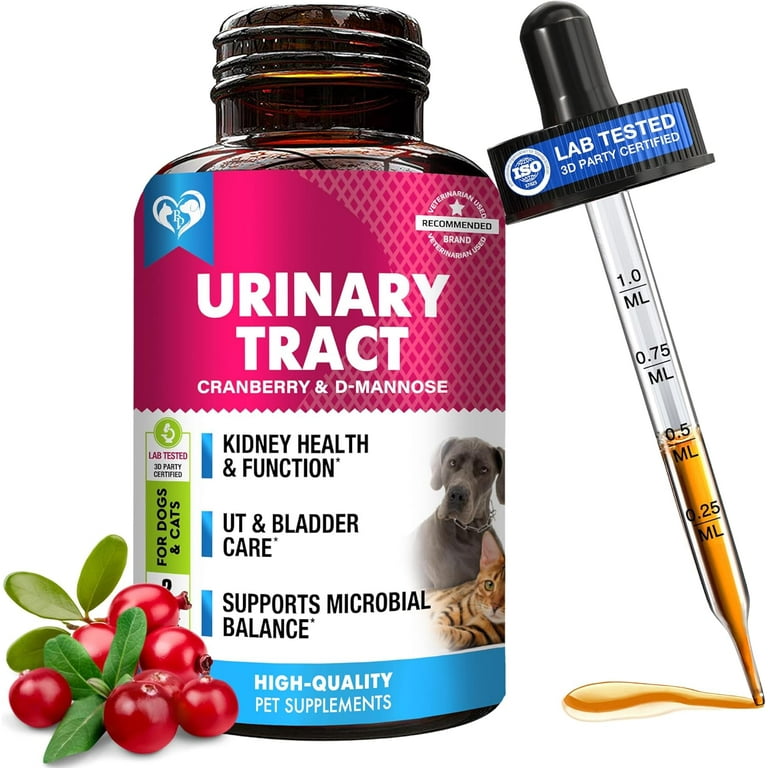
Natural remedies can support antibiotic treatment or help prevent UTIs. Cranberry extract is popular for stopping bacteria from sticking to the urinary tract. Probiotics help keep a healthy balance of bacteria in the body. Plenty of fresh water helps flush out the urinary system. These remedies work best with vet care and proper medication. Always check with a vet before using natural treatments.
Pain Relief Methods
UTIs can cause pain and discomfort in dogs. Pain relief helps dogs feel better during treatment. Vets may suggest medications like anti-inflammatories or painkillers. Warm compresses on the belly can soothe discomfort. Encouraging rest and quiet helps dogs recover faster. Never give human pain medicine to dogs, as it can be dangerous. Follow the vet’s advice carefully for safe pain management.
Home Care For Fast Relief
Home care plays a key role in easing your dog’s discomfort from a UTI. Simple steps at home can help reduce pain and speed up recovery. These actions support medical treatment and keep your dog comfortable.
Hydration Tips
Water helps flush out bacteria from your dog’s bladder. Always provide fresh, clean water. Encourage your dog to drink often. You can add a little low-sodium broth to their water for taste. Avoid sugary drinks or milk, as they can worsen symptoms.
Diet Adjustments
Feed your dog a balanced diet that supports urinary health. Wet food helps increase fluid intake. Avoid salty or processed treats. Cranberry supplements may help prevent bacteria growth, but check with your vet first. Small, frequent meals can help if your dog feels weak.
Hygiene Practices
Keep your dog’s genital area clean and dry. Use a damp cloth to gently wipe after bathroom breaks. Change bedding regularly to prevent bacteria buildup. Trim fur around the urinary area to improve airflow. Monitor for any signs of irritation or swelling daily.
Preventing Future Utis
Preventing future urinary tract infections (UTIs) in dogs is key to keeping them healthy and happy. UTIs can cause discomfort and lead to more serious health issues if not managed properly. Taking simple steps can reduce the risk of recurrence. Focus on regular care and small changes to protect your dog’s urinary health.
Regular Vet Checkups
Schedule routine vet visits to catch infections early. Vets can perform urine tests to detect bacteria or crystals. Early treatment stops infections from worsening. Regular checkups also help monitor your dog’s overall health. Keep all appointments and follow your vet’s advice closely.
Dietary Considerations
Feed your dog a balanced diet that supports urinary health. Some foods lower the risk of crystal formation in the bladder. Fresh water must be available at all times to flush out bacteria. Avoid giving too many treats or table scraps. Consult your vet about special diets designed for urinary care.
Lifestyle Changes
Encourage your dog to urinate frequently to prevent bacteria buildup. Take regular walks and bathroom breaks throughout the day. Keep their living area clean and dry to reduce infection risks. Stress can weaken the immune system, so create a calm environment. Simple lifestyle habits help maintain your dog’s urinary health long-term.
When To See A Veterinarian
Knowing when to see a veterinarian is crucial for your dog’s health. Urinary tract infections (UTIs) can cause pain and discomfort. Early care prevents complications and helps your dog heal faster. Watch for signs that need professional attention. Acting quickly can avoid serious problems.
Emergency Signs
Severe pain during urination needs urgent care. Blood in the urine is a warning sign. If your dog cannot urinate, seek help immediately. Sudden weakness or collapse requires emergency treatment. High fever or vomiting also calls for quick veterinary attention.
Treatment Follow-ups
Follow your veterinarian’s advice carefully. Complete all prescribed medications even if symptoms improve. Schedule follow-up visits to check progress. Your vet may need to adjust treatment based on how your dog responds. Regular check-ins ensure full recovery and prevent recurrence.
Diagnostic Tests
Veterinarians use tests to find the infection cause. Urine analysis identifies bacteria and blood in urine. Sometimes, a urine culture determines the exact bacteria type. Blood tests check your dog’s overall health. Imaging like X-rays can spot bladder stones or other issues.
Credit: www.walmart.com
Frequently Asked Questions
What Are The Common Symptoms Of Uti In Dogs?
Common UTI symptoms include frequent urination, straining, blood in urine, and discomfort. Dogs may also lick their genital area excessively and show signs of lethargy or fever.
How Is A Uti Diagnosed In Dogs?
A vet diagnoses UTI through a physical exam and urine analysis. They check for bacteria, white blood cells, and crystals in the urine.
What Is The Best Treatment For Dog Uti?
The best treatment involves antibiotics prescribed by a vet. Additionally, ensuring your dog drinks plenty of water helps flush out bacteria.
Can Diet Help Prevent Utis In Dogs?
Yes, a balanced diet and proper hydration support urinary health. Special urinary diets may reduce UTI risk in susceptible dogs.
Conclusion
Treating a UTI in dogs quickly helps them feel better fast. Always follow your vet’s advice for the best results. Giving the full course of medicine stops infections from coming back. Clean water and good hygiene support your dog’s health too.
Watch for signs like frequent urination or discomfort. Early care prevents serious problems later. Keep your dog comfortable and safe with the right treatment. Simple steps make a big difference in healing UTIs. Your dog deserves the best care every day.