
If you want your dog to have a healthy smile and fresh breath, choosing the best treats to clean their teeth is a smart move. You might not realize it, but regular treats can do more than just satisfy your pup’s cravings—they can help fight plaque and keep their gums strong.
Imagine giving your furry friend something they love that also supports their dental health. You’ll discover the top treats that make dental care easy and enjoyable for both you and your dog. Keep reading to find out how to keep your dog’s teeth clean without the hassle.
Benefits Of Dental Treats
Dental treats offer a simple way to care for your dog’s teeth. They help keep the mouth clean and healthy. These treats support daily dental hygiene without extra effort. Dogs enjoy the taste, making dental care fun and easy.
Using dental treats regularly can improve your dog’s oral health. They provide benefits beyond regular brushing. Many treats are designed to fight common dental issues. Let’s explore the key benefits dental treats provide.
Reducing Plaque And Tartar
Dental treats help remove plaque before it hardens into tartar. The chewy texture scrapes the teeth gently. This action lowers the risk of tooth decay and gum disease. Regular use can keep your dog’s teeth cleaner and stronger.
Freshening Breath
Bad breath comes from bacteria in the mouth. Dental treats reduce these bacteria with every chew. Some treats contain ingredients to neutralize odors quickly. This keeps your dog’s breath smelling fresher for longer.
Supporting Gum Health
Healthy gums are vital for strong teeth and overall health. Dental treats massage the gums and improve blood flow. This helps prevent gum inflammation and infections. Strong gums reduce the chance of tooth loss and pain.
Credit: www.walmart.com
Types Of Dental Treats
Dental treats help keep your dog’s teeth clean and healthy. They reduce plaque and freshen breath. Different types of treats work in different ways. Choosing the right type helps maintain your dog’s oral hygiene. Here are some common types of dental treats for dogs.
Chewable Treats
Chewable treats are soft but firm. Dogs enjoy chewing them for a long time. The action of chewing scrapes off plaque and tartar. These treats often contain ingredients that support dental health. They are easy to digest and come in many flavors.
Rawhide Alternatives
Rawhide alternatives mimic rawhide but are safer to digest. They are made from natural ingredients like sweet potato or rice. These treats offer a good chew experience without the risk of choking. Rawhide alternatives help reduce plaque build-up effectively.
Dental Biscuits
Dental biscuits are crunchy and designed to clean teeth. Their texture helps scrub the teeth as dogs chew. Many biscuits contain enzymes that break down plaque. They also freshen breath and are often fortified with vitamins.
Top Ingredients To Look For
Choosing the right treats can help clean your dog’s teeth and keep their mouth healthy. Some ingredients work better than others to fight plaque and bad breath. Knowing what to pick helps you get the best treats for your pet’s dental care.
Natural Enzymes
Natural enzymes break down food particles stuck on teeth. They help reduce plaque build-up and keep gums healthy. These enzymes come from natural sources like pineapple or papaya. Treats with these enzymes support daily cleaning without harsh chemicals.
Antibacterial Components
Antibacterial ingredients stop bacteria that cause bad breath and gum disease. Common safe options include parsley and mint extracts. These components help fight germs and keep your dog’s mouth fresh. They work gently and are good for long-term dental health.
Safe Flavorings
Flavor matters to dogs, but some flavors can harm teeth. Choose treats with safe, natural flavors like chicken, beef, or peanut butter. Avoid artificial sweeteners and harmful additives. Safe flavorings make treats tasty and help your dog enjoy cleaning time.
Popular Brands And Products
Choosing the right dental treats for dogs can improve their oral health effectively. Many popular brands offer products designed to clean teeth and freshen breath. These treats vary in ingredients, size, texture, and price. This section highlights some well-known options to help you decide.
Vet-recommended Options
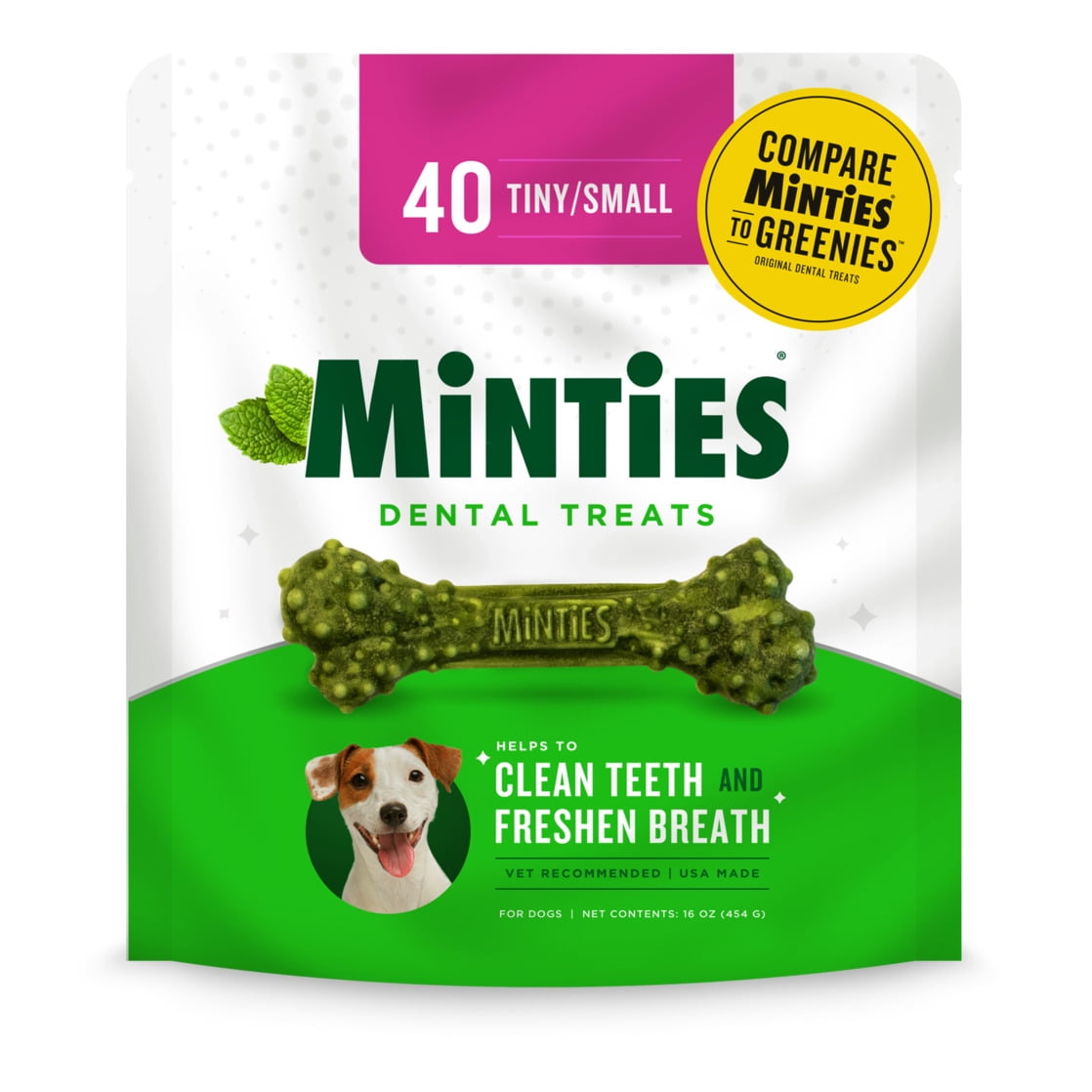
Many veterinarians suggest treats with special enzymes and textures. Greenies Dental Chews are a top pick. They help reduce plaque and tartar. Another favorite is Virbac C.E.T. Enzymatic Chews. These chews support gum health and fight bacteria. Vet-recommended treats often carry safety and health guarantees.
Budget-friendly Choices
Good dental care doesn’t need to be expensive. Milk-Bone Brushing Chews offer affordable cleaning with a crunchy texture. Pedigree Dentastix also fits a tight budget. It helps clean teeth with a unique shape and flavor dogs enjoy. These options provide value without sacrificing quality.
Premium Treats
High-end dental treats use natural ingredients and advanced formulas. Blue Buffalo Dental Bones are crafted with wholesome ingredients. They clean teeth gently while supporting overall health. Another premium choice is Whimzees Dental Chews, made from natural plant-based ingredients. These treats offer a tasty and healthy dental solution.
Choosing Treats For Different Dogs
Choosing the right treats for your dog’s teeth is important. Different dogs have different needs. Age, size, and health affect the best treat choice. Treats help clean teeth and keep gums healthy. Picking the right treat makes dental care easier and safer.
Puppies And Small Breeds
Puppies have soft, developing teeth. Choose gentle treats that do not harm their gums. Small breeds have tiny mouths and teeth. Look for treats made for small dogs. Soft, easy-to-chew treats work best. Avoid hard treats that can break teeth.
Adult Dogs
Adult dogs have stronger teeth. They can handle firmer, textured treats. These treats help scrape off plaque and tartar. Choose treats sized to your dog’s mouth. Medium to large treats encourage chewing. Chewing boosts saliva, which cleans teeth naturally.
Senior Dogs
Senior dogs may have weaker teeth or dental issues. Soft treats protect sensitive gums and teeth. Look for treats with dental benefits. These treats reduce plaque and freshen breath. Avoid very hard or crunchy treats. Gentle dental care is key for older dogs.
Credit: www.coloradodog.net
Tips For Using Dental Treats Effectively
Using dental treats can help keep your dog’s teeth clean and healthy. These treats work best when used the right way. Follow simple tips to get the most benefit from dental treats. This will support your dog’s oral health effectively.
Frequency And Portion Control
Give dental treats in the right amount. Too many treats can cause weight gain. Too few may not clean teeth well. Usually, one treat a day is enough. Follow the package instructions for portion size. Adjust based on your dog’s size and needs.
Combining With Brushing
Dental treats do not replace brushing. Use treats alongside regular brushing sessions. Brushing removes plaque and keeps gums healthy. Treats help reduce tartar buildup between brushings. This combination improves your dog’s dental care.
Monitoring Your Dog’s Response
Watch how your dog reacts to treats. Some dogs may not like the taste. Others might have allergies or digestive issues. Stop use if you see problems like vomiting or diarrhea. Choose treats that suit your dog’s health and preferences.
Potential Risks And Precautions
Giving your dog treats to clean their teeth is a helpful habit. These treats can reduce plaque and freshen breath. Still, some risks need attention. Safety comes first when offering any treat. Knowing potential dangers helps protect your pet’s health. Read on to learn about key risks and how to avoid them.
Choking Hazards
Some treats can break into small, sharp pieces. These pieces might block your dog’s throat. Dogs that eat too fast are at higher risk. Always choose treats made for dental health. Check the size and texture before giving. Supervise your dog while they chew. Remove small or broken bits immediately.
Allergic Reactions
Dogs can be allergic to ingredients in treats. Signs include itching, swelling, or vomiting. Start with a small amount to test tolerance. Avoid treats with unknown or mixed ingredients. Consult your vet about allergies before introducing new treats. Safe treats keep your dog happy and healthy.
Avoiding Overfeeding
Treats should not replace regular meals. Too many treats cause weight gain and health problems. Follow the recommended daily amount on the package. Use treats as rewards, not snacks all day. Balance treats with a healthy diet and exercise. Moderation keeps your dog fit and teeth clean.
Credit: ohmypaws.com.au
Frequently Asked Questions
What Are The Best Treats To Clean Dogs’ Teeth?
The best treats contain natural ingredients that reduce plaque and tartar. Look for dental chews approved by veterinarians. They help freshen breath and promote healthy gums effectively.
How Do Dental Treats Improve My Dog’s Oral Health?
Dental treats mechanically clean teeth as dogs chew. They reduce plaque buildup and prevent tartar formation. Regular use supports healthier gums and fresher breath.
Can All Dog Treats Clean Teeth Effectively?
Not all treats clean teeth. Choose treats specifically designed for dental care with approved ingredients. Avoid sugary or soft treats that may worsen dental issues.
How Often Should I Give My Dog Dental Treats?
Giving dental treats daily or several times a week is ideal. Consistent use ensures plaque control and better oral hygiene. Always follow product guidelines and your vet’s advice.
Conclusion
Healthy teeth mean a happy dog. Treats that clean teeth help reduce plaque and bad breath. Choose treats with natural ingredients and a good texture. Regular dental care keeps your dog’s smile bright and strong. Remember, treats are just one part of dental health.
Combine them with brushing and vet check-ups for best results. Your dog deserves the best care every day. Simple steps make a big difference. Keep your dog’s teeth clean, and enjoy many joyful moments together.


