

Are you wondering when is the best time to train your dog? Timing can make all the difference in how quickly your furry friend learns and how well they respond.
Whether you have a playful puppy or an older dog, knowing the right moments to start training can save you time and frustration. You’ll discover the ideal times to teach your dog new skills, helping you build a stronger bond and enjoy a happier, well-behaved companion.
Keep reading to find out how to make training easier and more effective for both you and your dog.

Credit: www.mccanndogs.com
Ideal Age To Start Training
Training a dog starts best at the right age. The ideal age to start training depends on the dog’s stage in life. Early training builds good habits fast. Dogs of all ages can learn. It takes patience and the right methods. Understanding the best time to begin helps make training easier and more fun for both you and your dog.
Puppy Training Benefits
Puppies learn quickly and easily. Starting early helps shape their behavior well. Training puppies teaches them basic commands and social skills. It stops bad habits before they start. Early training builds a strong bond with your puppy. It helps them feel safe and confident. Puppies enjoy learning new things every day.
Training Adult Dogs
Adult dogs can learn new skills too. They may need more time and patience. Training helps fix bad habits and teaches new commands. Adult dogs already know some rules, making training smoother. Consistency is key to success. Training keeps adult dogs happy and mentally active.
Senior Dog Considerations
Senior dogs can still learn but slower. Training sessions should be shorter and gentle. Focus on simple commands and comfort. Use positive reinforcement to encourage them. Training improves their quality of life and keeps their mind sharp. Respect their limits and celebrate small progress.
Daily Timing For Training Sessions
Choosing the right time for daily dog training helps improve learning. Dogs focus better during certain hours. Training at the best times builds habits faster. It also keeps your dog happy and eager to learn.
Morning Advantages
Mornings are calm and quiet. Your dog has more energy after rest. This makes learning easier. The cool air helps your dog stay fresh. Short sessions in the morning keep your dog motivated.
Afternoon Training Tips
Afternoons can be warm and busy. Pick a quiet spot for training. Keep sessions short to avoid tiredness. Use treats to keep your dog interested. Practice simple commands during this time.
Evening Session Benefits
Evenings are good for calm training. Your dog feels relaxed after playtime. Use this time for gentle lessons. It helps your dog wind down before bed. Consistent evening training builds strong habits.
Training Duration And Frequency
Training your dog takes time and planning. The length and how often you train affect how well your dog learns. Dogs need clear signals and regular practice. Training sessions must fit your dog’s energy and attention span. Proper duration and frequency keep learning fun and effective.
Short Vs Long Sessions
Short training sessions work best for most dogs. Five to ten minutes is enough to keep your dog focused. Long sessions can make dogs tired or bored. Short bursts help dogs remember commands better. Keep sessions lively and positive. End on a good note to build interest.
Consistency Importance
Training every day builds strong habits. Regular practice helps dogs understand what you want. Even short sessions work well if done often. Consistency helps your dog learn faster and stay confident. Avoid skipping days to keep progress steady. Make training part of your daily routine.
Avoiding Burnout
Training too much can stress your dog. Watch for signs like yawning, ignoring, or walking away. Stop before your dog loses interest. Give time to rest and play. Breaks help your dog feel happy and ready to learn. Balance training with fun and relaxation.

Credit: ottertailkennels.com
Environment And Timing Factors
The environment and timing play a big role in dog training success. Dogs learn best when they feel safe and calm. Choosing the right place and time helps your dog focus better. It also makes training sessions shorter and more effective.
Quiet Spaces
Pick a quiet spot for training sessions. Avoid busy areas with loud noises or many people. Quiet places help your dog stay calm and attentive. A calm dog learns commands faster and with less stress. Try a small room or a fenced backyard for training.
Minimizing Distractions
Remove items that may distract your dog during training. Keep toys, food, and other pets away. Distractions make it hard for dogs to focus on you. Start training with fewer distractions. Slowly add distractions as your dog improves.
Weather Impact
Choose weather that suits your dog’s comfort. Avoid very hot or cold days for outdoor training. Extreme weather makes dogs restless or tired. Mild weather keeps your dog happy and ready to learn. Short sessions are best during warm or cold weather.
Signs Your Dog Is Ready To Train
Knowing when your dog is ready to train makes the process smoother and more successful. Dogs show clear signs that they are open to learning new commands and behaviors. These signs help you start training at the right time.
Alertness And Focus
Your dog should pay attention to you during training. Look for moments when your dog stops playing and watches your face or hands. This alertness means your dog is ready to listen and learn. A focused dog can follow simple commands better.
Energy Levels
Check if your dog has enough energy for training. Too tired or too hyper dogs may not respond well. A calm but lively dog is best for training sessions. Energy that is balanced helps your dog stay engaged and learn faster.
Motivation Cues
Notice what excites your dog during training. Some dogs respond to treats, others to toys or praise. Use what motivates your dog most to encourage learning. Motivation keeps your dog interested and eager to follow commands.
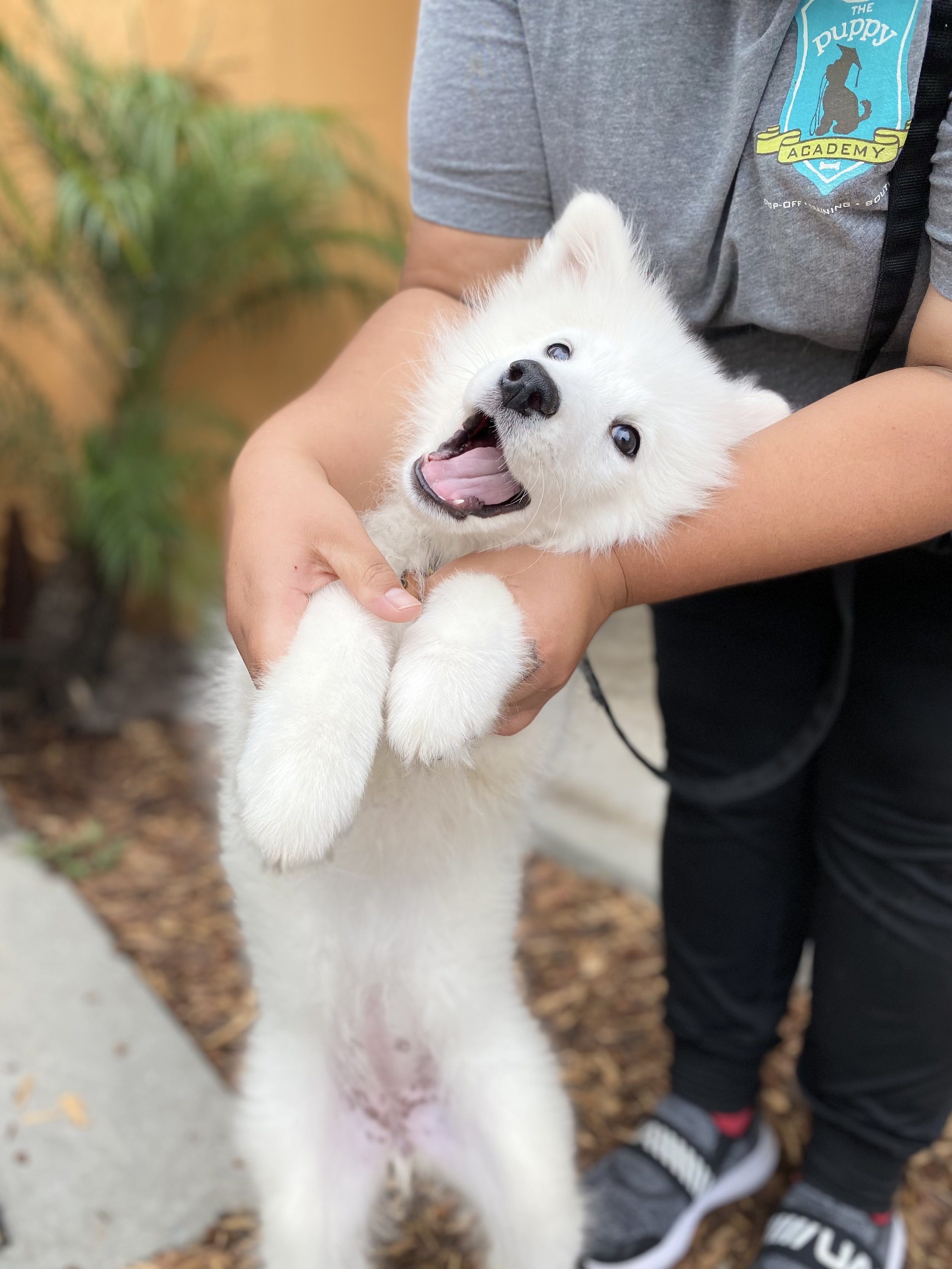
Credit: www.thepuppyacademy.com
Adjusting Training Based On Dog Breed
Training a dog works best when tailored to its breed. Different breeds have unique traits. These traits affect how and when you should train them. Adjusting training based on breed helps your dog learn faster and enjoy the process. Understanding your dog’s energy and purpose guides your approach.
High-energy Breeds
High-energy breeds need more exercise before training. Dogs like Border Collies or Huskies have lots of stamina. They focus better after physical activity. Short, frequent training sessions work well. Use games and tasks to keep their mind sharp. These dogs thrive with challenges and variety.
Calm Breeds
Calm breeds learn best with gentle, patient training. Breeds such as Bulldogs or Basset Hounds prefer slow-paced lessons. They may tire quickly. Keep sessions short but consistent. Use calm tones and positive reinforcement. This creates a relaxed and trusting training environment.
Working Vs Companion Dogs
Working dogs have strong instincts to perform tasks. Examples include German Shepherds and Dobermans. Training should include job-related skills and obedience. Companion dogs focus more on social behavior and manners. Small breeds like Pugs or Shih Tzus need gentle socialization and basic commands. Tailor training goals to your dog’s role.
Frequently Asked Questions
When Is The Best Age To Start Training A Dog?
The ideal age to begin training a dog is around 8 weeks old. Puppies at this age are eager to learn and adapt quickly. Early training helps establish good behavior and social skills, making future training easier and more effective.
How Long Should A Dog Training Session Last?
A dog training session should last about 5 to 15 minutes. Short sessions keep your dog engaged and prevent boredom. Frequent, brief training helps reinforce commands and builds a strong learning habit over time.
Can Adult Dogs Learn New Training Commands?
Yes, adult dogs can learn new commands at any age. Training may require more patience but is equally effective. Consistent practice and positive reinforcement help adult dogs adapt and learn new behaviors successfully.
What Time Of Day Is Best For Dog Training?
Early morning or late afternoon is ideal for dog training. These times are cooler and quieter, helping your dog focus better. Avoid training during peak heat or noisy periods to ensure effective learning.
Conclusion
Training your dog at the right time helps build good habits fast. Puppies learn best between 8 and 16 weeks old. Older dogs can also learn, but patience is key. Short, regular sessions work better than long ones. Consistency and positive rewards keep your dog motivated.
Early training strengthens your bond and makes life easier. Start training today for a happy, well-behaved dog tomorrow. Small steps lead to big progress over time. Your dog will thank you with love and loyalty.


