

Is your dog constantly scratching, biting, or licking their skin? It can be frustrating to watch your furry friend suffer from itchy skin.
You want to help them feel comfortable and happy again—but where do you start? Finding the best thing for your dog’s itchy skin is key to bringing quick relief and keeping their coat healthy. You’ll discover simple, effective solutions that can ease your dog’s discomfort and restore their joy.
Keep reading to learn how you can make your dog’s itchiness a thing of the past.
Common Causes Of Itchy Skin
Itchy skin is a common problem for many dogs. It can cause discomfort and worry for pet owners. Understanding the causes of itchy skin helps in finding the right treatment. Several factors can make a dog scratch and bite its skin. These include allergies, parasites, infections, and dry skin. Knowing these causes is the first step to relief.
Allergies And Sensitivities
Many dogs suffer from allergies that cause itchy skin. These allergies can come from food, pollen, dust, or chemicals. Some dogs react to certain ingredients in their food. Others may be sensitive to things in the environment, like grass or mold. Allergies cause redness, swelling, and constant scratching. Identifying the allergen can help reduce the itching.
Parasites And Infections
Parasites such as fleas, ticks, and mites often cause intense itching. Flea bites irritate the skin and can lead to allergic reactions. Mites cause mange, which creates hair loss and scabs. Bacterial and fungal infections also cause itchy, inflamed skin. These infections often happen after scratching damages the skin. Treating parasites and infections is key to stopping the itch.
Dry Skin Issues
Dry skin is a simple but common cause of itching. It can happen due to weather changes, poor diet, or frequent bathing. Dry skin feels rough and looks flaky. Dogs with dry skin will lick and scratch to find relief. Adding moisture to the skin and using gentle shampoos can help. Proper care keeps the skin healthy and less itchy.

Credit: www.amazon.com
Signs Your Dog Is Uncomfortable
Dogs cannot tell us when they feel itchy or uncomfortable. Instead, they show signs through their behavior and skin condition. Watching your dog closely helps you spot these signs early. Early detection can make a big difference in your dog’s comfort and health.
Scratching And Biting Behavior
Scratching is the most common sign your dog feels itchy. Dogs may also bite or lick certain spots repeatedly. These actions can cause wounds or sores. Watch for constant scratching or biting, especially at the same places.
Redness And Inflammation
Redness on your dog’s skin shows irritation. Inflamed areas may feel warm or swollen. Check areas like the belly, paws, ears, and neck. Red or swollen skin means your dog needs care to ease discomfort.
Hair Loss Patterns
Hair loss can happen from constant scratching or biting. Look for patches of missing fur or thinning hair. These spots can appear in different parts of the body. Hair loss is a clear sign your dog is struggling with itchy skin.
Effective Home Remedies
Effective home remedies can help ease your dog’s itchy skin. These natural treatments soothe irritation without harsh chemicals. Using simple ingredients at home can bring quick relief.
Try these easy remedies to comfort your dog and reduce itching. They support skin healing and improve overall coat health.
Oatmeal Baths For Soothing
Oatmeal baths calm inflamed and itchy skin. Ground oatmeal mixes with warm water to create a gentle paste. Soak your dog in this mixture for 10 to 15 minutes. It helps reduce redness and dryness. Oatmeal contains compounds that relieve itching naturally. This bath also cleans dirt and allergens from the skin.
Aloe Vera Applications
Aloe vera gel cools and hydrates irritated skin. Apply pure aloe vera directly to itchy spots. It has anti-inflammatory properties that reduce swelling. Aloe vera also promotes faster skin healing. Avoid products with added chemicals or alcohol. Use fresh gel from the plant or a natural store-bought gel.
Coconut Oil Benefits
Coconut oil moisturizes dry skin and fights bacteria. Rub a small amount on your dog’s coat and skin. It helps reduce itchiness and improve skin softness. Coconut oil contains fatty acids that boost skin health. Regular use can prevent further irritation and support healing.

Credit: www.amazon.com
Diet And Supplements For Skin Health
Diet and supplements can help reduce your dog’s itchy skin. Good nutrition supports healthy skin and fur. Choosing the right foods and supplements soothes irritation and improves comfort. Here are important diet tips and supplements for skin health.
Omega-3 Fatty Acids
Omega-3 fatty acids reduce inflammation and calm itchy skin. Fish oil is a common source of omega-3. It helps repair skin and improves coat shine. Adding omega-3 supplements to your dog’s diet supports skin healing and reduces redness.
Hypoallergenic Diet Options
Hypoallergenic diets limit foods that cause allergies. They contain simple, easy-to-digest ingredients. This diet reduces allergic reactions that cause itching and rashes. Switching to hypoallergenic food can help identify and avoid triggers.
Probiotics Role
Probiotics support healthy gut bacteria. A balanced gut can reduce skin problems. Probiotics improve digestion and immune response. Giving probiotics helps your dog fight skin allergies naturally.
When To See A Veterinarian
Knowing when to see a veterinarian is crucial for your dog’s itchy skin. Some skin problems are simple and clear up on their own. Others need medical care to avoid serious issues. Watching your dog closely helps you decide the right time to visit the vet.
Persistent Symptoms
Itching that lasts more than a week needs a vet’s attention. Constant scratching can cause wounds or hair loss. Do not wait if the skin looks worse over time. Long-lasting discomfort affects your dog’s happiness and health.
Signs Of Infection
Redness, swelling, or pus shows infection. Your dog may also have a bad smell or oozing sores. Infections need treatment to stop spreading. A vet can provide medicine to clear the infection fast.
Specialized Treatments
Some skin issues require special care like allergy tests or creams. Your vet can find the exact cause of itching. They may suggest diets or shampoos made for sensitive skin. Proper treatment brings quick relief and prevents future problems.
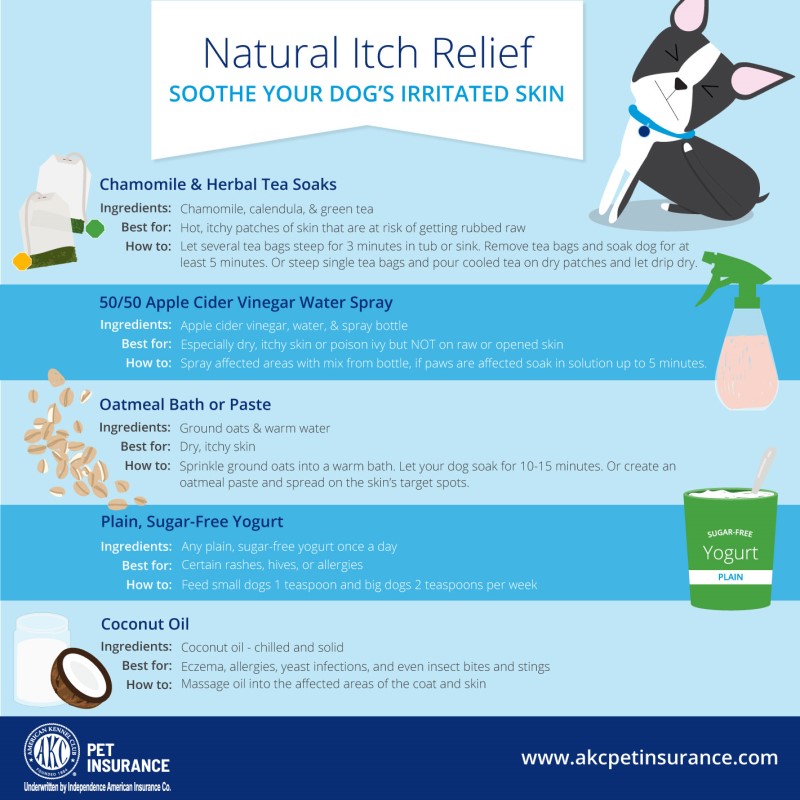
Credit: www.akcpetinsurance.com
Preventive Measures
Preventive measures help keep your dog’s skin healthy and itch-free. Regular care reduces the chance of skin problems. Simple steps can protect your dog from discomfort and infections. Focus on grooming, pest control, and environment for best results.
Regular Grooming Tips
Brush your dog’s coat often. This removes dirt and loose fur. It also spreads natural oils for healthy skin. Bath your dog with gentle shampoo designed for dogs. Avoid over-bathing as it can dry the skin. Check your dog’s skin for redness or bumps during grooming.
Flea And Tick Control
Fleas and ticks cause itching and skin issues. Use vet-approved flea and tick treatments regularly. Clean your dog’s bedding and living area often. Comb your dog with a flea comb to catch pests early. Preventing bites stops infections and irritation.
Environmental Adjustments
Keep your dog’s environment clean and dry. Remove dust and allergens from your home. Avoid harsh chemicals or sprays around your dog. Use air filters if your dog has allergies. Provide shade and fresh water during hot weather. A safe environment reduces skin problems and itching.
Frequently Asked Questions
What Causes Dog Itchy Skin?
Dog itchy skin is often caused by allergies, fleas, dry skin, or infections. Identifying the root cause helps in effective treatment.
How To Relieve Dog Itchy Skin Quickly?
Use soothing shampoos, apply medicated creams, and keep your dog hydrated. Consult a vet for persistent itching.
Are Natural Remedies Effective For Dog Itchy Skin?
Yes, natural remedies like oatmeal baths and coconut oil can soothe itching. However, severe cases need veterinary care.
When Should I See A Vet For My Dog’s Itching?
See a vet if itching lasts more than a week or causes sores. Early diagnosis prevents complications.
Conclusion
Healthy skin means a happy dog. Treat itching quickly and gently. Use natural remedies and vet advice. Keep your dog clean and dry. Watch for signs that need a vet. Small steps bring big relief. Your dog will thank you with wagging tails.
Care today helps avoid problems tomorrow. Keep itching under control for a joyful pet.


