

If you’re looking for a way to boost your mental health, therapy dogs might be exactly what you need. These special dogs offer comfort, reduce stress, and bring a sense of calm when life feels overwhelming.
Imagine having a loyal companion who understands your struggles and helps you feel better every day. You’ll discover the best therapy dogs that can support your mental well-being and learn how they can make a real difference in your life.
Keep reading to find the perfect furry friend to brighten your days and soothe your mind.
Benefits Of Therapy Dogs For Mental Health
Therapy dogs offer many benefits for mental health. They bring comfort and calm to people facing emotional challenges. These dogs help reduce feelings of loneliness and stress. Their presence creates a safe space for healing and support.
Emotional Support And Stress Relief
Therapy dogs provide a strong sense of emotional support. Their gentle nature helps lower stress levels quickly. Petting a therapy dog can reduce heart rate and blood pressure. This calming effect helps people feel more relaxed and safe. Dogs offer non-judgmental companionship that soothes troubled minds.
Improved Social Interaction
Therapy dogs encourage better social interaction. They act as icebreakers in social settings. People feel more confident starting conversations around dogs. This helps reduce social anxiety and isolation. Therapy dogs create opportunities to connect with others easily.
Boosting Mood And Reducing Anxiety
Spending time with therapy dogs lifts spirits and reduces anxiety. Dogs release feel-good hormones like serotonin and dopamine. Their playful behavior brings joy and distraction from worries. Therapy dogs help break cycles of negative thoughts quickly.
Traits Of Ideal Therapy Dogs
Choosing the right therapy dog involves understanding key traits. These traits help dogs provide comfort and support effectively. Ideal therapy dogs show calmness and patience. They also respond well to training and fit various environments. These qualities ensure they can help people with mental health challenges.
Temperament And Behavior
Therapy dogs must have a gentle and calm nature. They stay relaxed around different people and noises. Friendly and patient behavior is important. Dogs that get nervous or aggressive are not good therapy dogs. They should enjoy being touched and hugged. A steady temperament helps them comfort those in need.
Trainability And Intelligence
Smart dogs learn commands and tasks quickly. They follow instructions without confusion or delay. Training helps dogs behave well in public. Therapy dogs must know basic commands like sit, stay, and come. They should handle distractions calmly. Good memory and problem-solving skills also help during therapy sessions.
Size And Adaptability
Size matters in therapy dogs. Small to medium dogs are easy to carry and control. They fit well in small spaces like hospitals and schools. Adaptable dogs adjust to new places and people easily. They stay calm in busy or noisy environments. Flexibility in behavior helps them serve different needs.
Top Therapy Dog Breeds
Therapy dogs play a big role in improving mental health. They offer comfort and calmness to many people. Some dog breeds have traits that make them better suited for therapy work. These breeds are gentle, friendly, and easy to train. Here are some of the top therapy dog breeds that help many feel better.
Labrador Retriever
Labradors are friendly and patient dogs. They love people and enjoy being around them. Their calm nature makes them perfect for therapy work. Labs are smart and easy to train. They respond well to commands and adapt to new environments quickly.
Golden Retriever
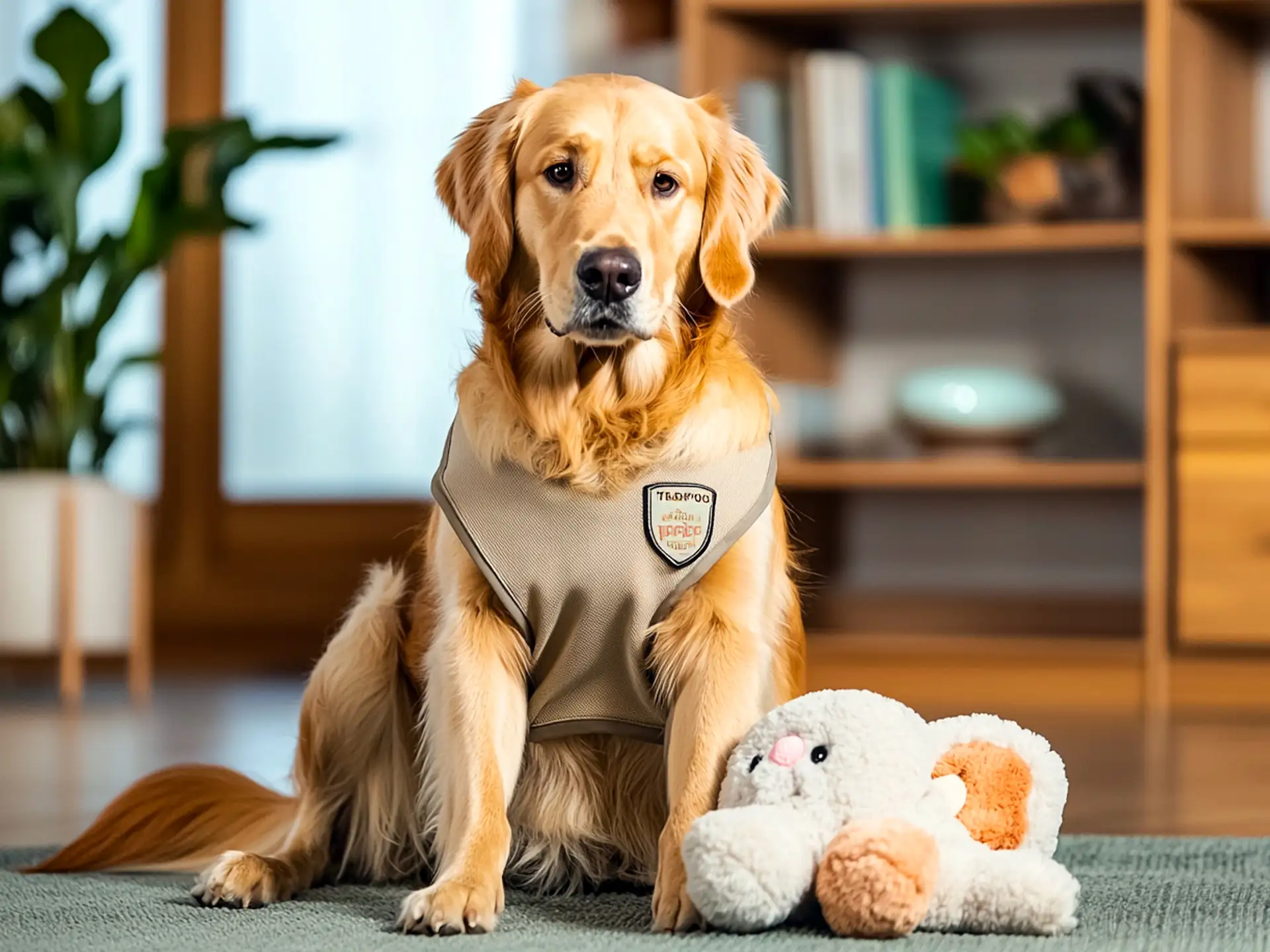
Golden Retrievers are loving and gentle. They have a calm and friendly personality. These dogs are very loyal and enjoy helping others. Golden Retrievers are also easy to train. Their soft nature helps many feel safe and cared for.
Poodle
Poodles are smart and very trainable. They come in different sizes, which helps in many therapy settings. Poodles are gentle and friendly with people. Their hypoallergenic coat suits those with allergies. Poodles are calm and enjoy spending time with people.
Cavalier King Charles Spaniel
This small breed is very affectionate. They love to cuddle and be close to people. Cavaliers have a calm and gentle nature. Their size makes them great for therapy in small spaces. They form strong bonds and bring comfort easily.
German Shepherd
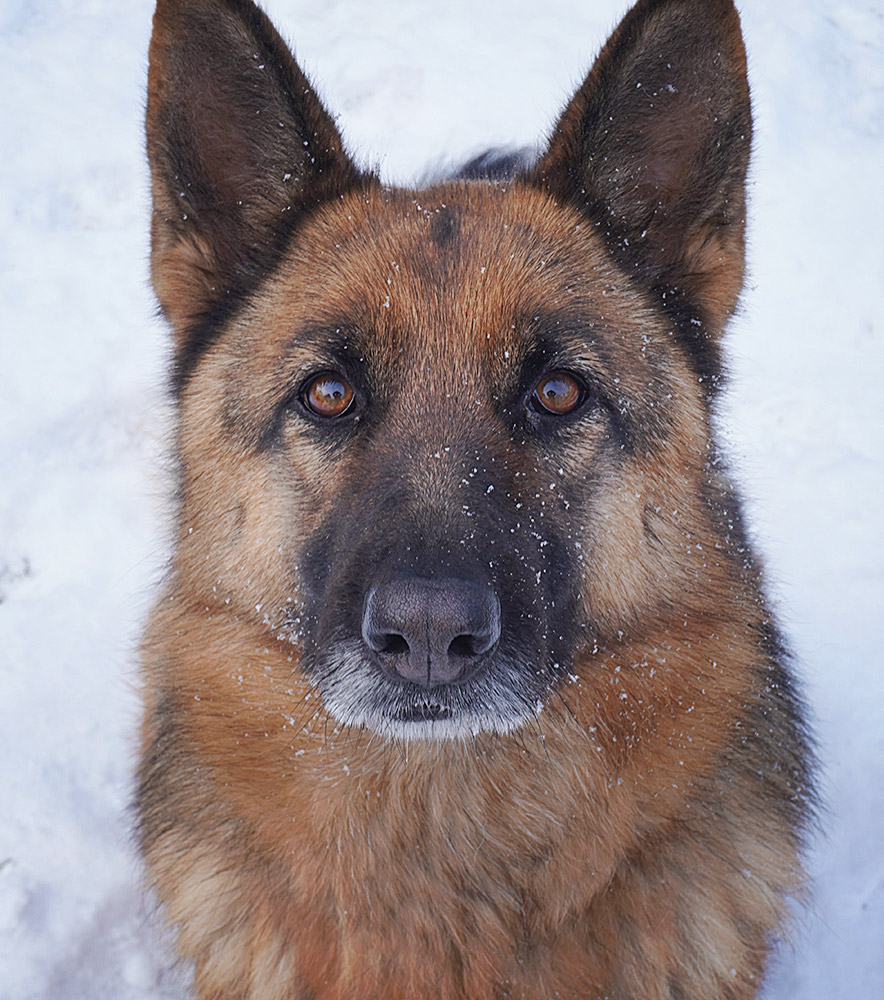
German Shepherds are smart and loyal. They are protective yet gentle with those they trust. These dogs are highly trainable and focused. Their strong presence can provide a sense of security. German Shepherds are good for therapy in many settings.
Beagle
Beagles are friendly and curious dogs. They have a gentle nature and love people. Beagles are small but sturdy, good for therapy work. They enjoy social interaction and help lift moods. Their cheerful spirit makes them great companions.

Credit: www.pawsinwork.com
Training Therapy Dogs
Training therapy dogs requires patience and skill. These dogs must learn more than basic commands. They need to stay calm and gentle in many situations. The training shapes their behavior to help people feel better. Each step builds trust between the dog and the handler.
Basic Obedience Skills
Therapy dogs must know simple commands well. Sit, stay, come, and heel are important. These commands keep the dog safe and controlled. Good manners in public places are essential too. The dog should ignore distractions and follow instructions quickly. This stage forms the foundation for more training.
Specialized Therapy Training
Therapy dogs learn to comfort and support people. They practice gentle touching and staying calm. Social skills are key for visits in hospitals or schools. Dogs train to react well to different sounds and movements. They also learn to work with various ages and needs. This training helps dogs provide emotional support effectively.
Certification And Evaluation
Certification proves a therapy dog is ready for work. Evaluations test the dog’s behavior in real situations. Dogs must show patience, calmness, and friendliness. Handlers often must pass tests too. Certified dogs can visit hospitals, nursing homes, and schools. This step ensures safety for everyone involved.
How To Choose The Right Therapy Dog
Choosing the right therapy dog is a vital step for mental health support. The dog must fit your lifestyle and emotional needs. Picking a therapy dog involves more than just breed or size. It includes personality, living space, and your daily routine. This guide will help you find a dog that truly helps you feel better.
Matching Personality And Needs
Every dog has a unique personality. Some dogs are calm and gentle. Others are playful and energetic. Your therapy dog should match your emotional needs. A calm dog suits anxious or stressed individuals. An active dog may help those who enjoy exercise. Consider how the dog reacts to strangers and loud noises. The right personality creates a strong bond and trust.
Considering Living Environment
Your home size affects the type of dog you can choose. Small apartments suit small or quiet dogs. Large homes or yards can handle bigger, more active breeds. Think about neighbors and noise levels. Some dogs bark more and need space to roam. Your dog should feel comfortable and safe in your living area. This helps the dog stay relaxed and happy.
Assessing Time And Commitment
Therapy dogs need daily care and attention. Feeding, grooming, and exercise take time. Training is also important for good behavior. Consider your daily schedule and energy levels. A busy person may prefer a low-maintenance dog. A person with more free time can handle a dog needing more activity. Matching your lifestyle ensures the dog stays healthy and happy.
Credit: www.dogpackapp.com
Real-life Stories Of Therapy Dogs
Therapy dogs bring comfort and hope to many people. Their presence helps reduce stress and sadness. Real-life stories show how these dogs change lives. They offer more than companionship. They offer healing and strength.
Healing Through Companionship
Many people feel lonely or anxious. Therapy dogs provide steady support in these times. A woman with depression found peace with her dog. She said, “My dog listens without judgment.” The dog’s calm nature helped her heal. Another man with PTSD used therapy dogs to calm panic attacks. The dogs helped him face daily challenges with courage.
Therapy Dogs In Hospitals And Schools
Hospitals use therapy dogs to comfort patients. Children in hospitals feel less afraid and lonely. A young boy with cancer smiled when a therapy dog visited. Teachers bring therapy dogs into classrooms. Students with anxiety focus better during lessons. One school reported fewer behavior problems after therapy dog visits. These dogs create safe, happy spaces for learning and healing.
Credit: www.servicedogcertifications.org
Frequently Asked Questions
What Breeds Make The Best Therapy Dogs For Mental Health?
Labrador Retrievers, Golden Retrievers, and Poodles are top therapy dog breeds. They are gentle, intelligent, and easy to train. Their calm nature helps reduce anxiety and depression symptoms effectively.
How Do Therapy Dogs Improve Mental Health?
Therapy dogs provide comfort, reduce stress, and boost mood. They encourage social interaction and physical activity, which improves emotional well-being. Their presence can lower cortisol levels and increase serotonin in the brain.
Can Any Dog Become A Therapy Dog For Mental Health?
Not all dogs qualify as therapy dogs. They need a calm temperament, good obedience, and social skills. Proper training and certification are essential to ensure they can support mental health effectively.
How Often Should Someone Interact With A Therapy Dog?
Regular interaction, like daily or weekly sessions, is ideal. Consistent contact helps build trust and maximizes mental health benefits. Even short visits can significantly reduce stress and improve mood.
Conclusion
Choosing the right therapy dog can truly support mental health. Dogs offer comfort, reduce stress, and bring joy daily. Each breed has unique traits that fit different needs. Remember, spending time with a calm, friendly dog helps improve mood and calm the mind.
Therapy dogs do more than just provide company—they offer real emotional support. Finding the best therapy dog means finding a loyal friend who helps you feel better. Simple moments with these dogs can make a big difference in life.


