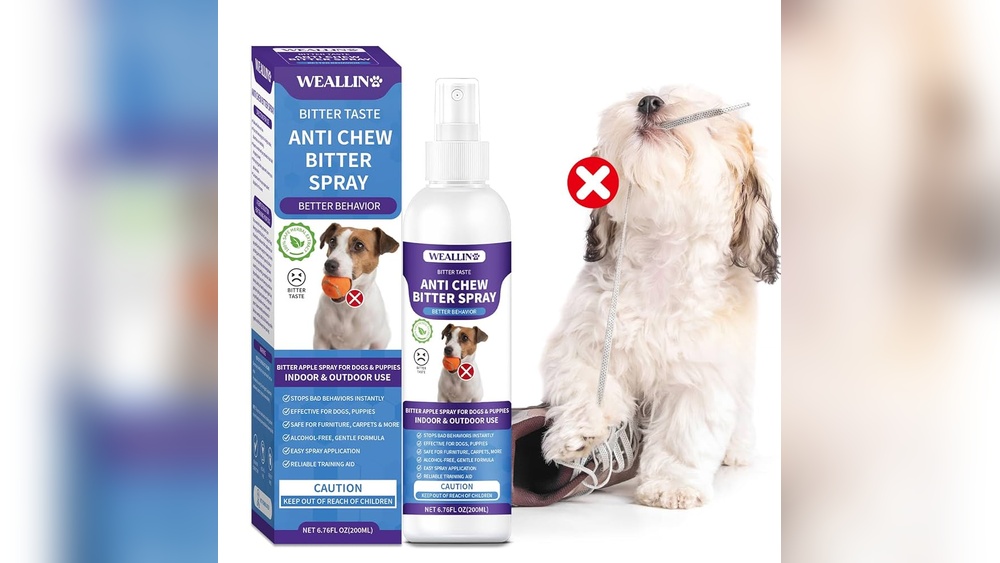
Are you tired of your dog chewing on things they shouldn’t? Whether it’s your favorite shoes, furniture, or important cables, unwanted chewing can be frustrating and costly.
But what if there was a simple way to stop this behavior without harsh training? The best taste deterrent for dogs might be exactly what you need. You’ll discover easy, effective solutions that protect your belongings and keep your furry friend safe.
Keep reading to find out which products really work and how to use them to change your dog’s habits for good.
Why Taste Deterrents Matter
Taste deterrents help protect dogs from chewing harmful items. Dogs explore the world with their mouths. They often chew things that can hurt them or damage your home.
Taste deterrents make those items taste bad. This stops dogs from chewing on furniture, plants, or dangerous objects. They learn to avoid these things without harm.
Using taste deterrents supports training and safety. It teaches dogs limits gently and clearly. This method is simple and effective for many pet owners.
Prevents Harmful Chewing Habits
Dogs may chew toxic or sharp objects by mistake. Taste deterrents stop this behavior early. They protect dogs from health risks and injuries.
Protects Your Belongings
Chewing can destroy furniture and shoes. Bitter sprays make items less tasty. This saves money and avoids frustration for owners.
Supports Training Efforts
Taste deterrents reinforce commands and lessons. They help dogs understand which items are off-limits. Training becomes easier and faster.
Safe And Humane Approach
Taste deterrents use bad taste, not pain. They do not harm dogs physically. This method respects the dog’s well-being and comfort.
Common Ingredients In Taste Deterrents
Taste deterrents help stop dogs from chewing or licking things they should avoid. These products use certain ingredients that taste bad to dogs. The bad taste teaches dogs to leave items alone. Understanding common ingredients helps choose the right deterrent for your dog. Below are some typical components found in these products.
Denatonium Benzoate
Denatonium benzoate is one of the most bitter substances known. It makes items taste extremely unpleasant to dogs. This ingredient is safe but very effective. Dogs quickly learn to avoid anything sprayed with it.
Capsaicin
Capsaicin comes from chili peppers. It creates a hot, spicy sensation in the mouth. Dogs dislike this burning feeling. Capsaicin discourages biting and chewing on treated objects.
Citric Acid
Citric acid tastes sour and sharp. It is often used to make taste deterrents more unpleasant. This ingredient is natural and safe for pets. Dogs usually avoid anything with a sour taste.
Bitter Apple
Bitter apple is a popular natural ingredient. It has a strong, bitter flavor dogs hate. Many pet owners prefer bitter apple because it is non-toxic. It works well to stop unwanted chewing and licking.
Essential Oils
Some taste deterrents use essential oils like eucalyptus or citronella. These oils have strong smells and tastes. Dogs often dislike these scents and avoid treated areas. Essential oils add a natural barrier against chewing.
Top Commercial Taste Deterrents
Taste deterrents help stop dogs from chewing or biting things they shouldn’t. These products have a bitter taste that dogs dislike. This makes them avoid furniture, shoes, or plants.
Many brands offer commercial taste deterrents. They come in sprays or liquids. These products are safe for dogs and easy to use. Here are some popular options that pet owners trust.
Bitter Apple
Bitter Apple is one of the most well-known taste deterrents. It has a strong, bitter flavor dogs do not like. You spray it on furniture, shoes, or other items. The bitter taste teaches dogs to leave those things alone.
This product is non-toxic and safe for pets. It works on puppies and adult dogs. Many pet owners see good results quickly with Bitter Apple.
Grannick’s Bitter Apple Spray
Grannick’s Bitter Apple Spray is another popular choice. It uses a bitter formula to stop chewing. The spray is easy to apply on different surfaces.
This product is safe and vet-approved. It helps train dogs to avoid chewing on unwanted items. The spray dries quickly and leaves no sticky residue.
Rocco & Roxie No Chew Spray
Rocco & Roxie No Chew Spray has a strong bitter taste. It discourages dogs from chewing furniture and cords. The formula is made with natural ingredients.
This spray is safe for dogs and humans. It works well on wood, fabric, and plastic. Many dog owners report fewer chewing problems after using it.

Credit: www.onlynaturalpet.com
Natural Taste Deterrent Options
Natural taste deterrents offer a safe way to stop dogs from chewing or licking unwanted items. These options use simple ingredients found at home or in nature. They keep pets away without harsh chemicals. Natural deterrents work by making objects taste unpleasant to dogs. This helps train them to avoid certain places or items. Try these natural solutions for a gentle and effective method.
Vinegar Solutions
Vinegar has a strong, sour taste dogs dislike. Mix equal parts of water and white vinegar in a spray bottle. Spray the mixture on furniture, plants, or other areas to protect them. The smell fades quickly but leaves a bitter taste. Vinegar is safe and easy to use. Avoid spraying on delicate fabrics or wood to prevent damage.
Citrus Peels
Dogs dislike the sharp, bitter taste of citrus peels. Use orange, lemon, or lime peels around plants or furniture. Place peels where dogs tend to chew or dig. Replace the peels often to keep the scent strong. Citrus is natural and non-toxic for dogs. It also adds a fresh smell to the area.
Hot Pepper Sprays
Hot pepper sprays contain capsaicin, which dogs find unpleasant. Mix water with ground cayenne pepper or chili powder and spray on problem spots. The spicy taste discourages chewing or licking. Be careful to avoid eyes and nose when applying. Use gloves to protect your hands. Hot pepper sprays are a natural deterrent but use them with caution.
How To Apply Taste Deterrents Effectively
Applying taste deterrents properly helps stop dogs from chewing unwanted items. The right method makes the product work faster and last longer. Careful application also avoids harming your dog or damaging surfaces. Follow clear steps for best results.
Preparing The Area Before Application
Clean the item or spot well. Remove dirt and grease. Dry the surface completely. This step helps the deterrent stick better. Choose a safe and quiet place for application.
Using The Right Amount Of Deterrent
Apply a thin, even layer of the product. Avoid soaking or dripping. Too much can annoy your dog or stain items. Follow the instructions on the label carefully.
Reapplying Regularly For Consistency
Reapply the taste deterrent often. Repeat after cleaning or rain. Consistency helps your dog learn faster. Check the product’s recommended reapplication schedule.
Monitoring Your Dog’s Reaction
Watch your dog closely after applying. Notice if they avoid the treated area. If your dog still chews, try a stronger deterrent. Adjust the method if needed but stay patient.

Credit: www.amazon.com
Safety Tips For Using Deterrents
Using taste deterrents for dogs helps stop unwanted chewing or biting. Safety is very important when applying these products. Knowing how to use them correctly keeps your dog healthy and happy.
Some deterrents have strong ingredients. These can irritate your dog’s skin or mouth if not used right. Always read the product label before use. Follow the instructions carefully to avoid harm.
Keep the deterrent away from your dog’s eyes, nose, and wounds. Avoid using too much product. Start with a small amount to see how your dog reacts. Watch your dog closely after applying the deterrent.
Choose Non-toxic Products
Select taste deterrents made from safe, natural ingredients. Avoid harsh chemicals that can cause poisoning. Check product reviews and ask your vet for recommendations.
Apply Deterrents Properly
Spray or paint the deterrent only on the targeted area. Avoid places your dog can lick easily, like the face. Reapply as directed, but do not overuse the product.
Monitor Your Dog’s Reaction
Look for signs of discomfort or allergy after use. Redness, swelling, or excessive drooling are warning signs. Stop using the product and contact your vet if you notice any problems.
Keep Deterrents Out Of Reach
Store products where your dog cannot access them. Dogs might chew on bottles or containers, risking poisoning. Lock them in cabinets or high shelves.
When Taste Deterrents Aren’t Enough
Taste deterrents can help stop dogs from chewing on things they should not. These products usually have a bitter or unpleasant flavor. Dogs learn to avoid the taste and stop chewing. But sometimes, taste deterrents do not work well enough.
Some dogs ignore the taste and keep chewing. Others may not care about the bad flavor. This can happen with strong chewers or very curious dogs. Taste deterrents alone might not solve the problem in these cases.
Understanding Why Taste Deterrents Fail
Dogs have different reactions to tastes. Some dogs tolerate bitter flavors better. They may even like the challenge. The strength of the taste deterrent matters. Weak or diluted sprays lose their effect quickly. Also, if the product washes off or fades, dogs may try again.
Signs That Taste Deterrents Aren’t Working
Watch your dog’s behavior closely. If chewing continues after applying deterrent, the product may not work. Look for signs like repeated chewing on treated items. Also, check if your dog seems unaffected by the taste. These signs show it is time for other methods.
Alternative Solutions To Try
Use physical barriers to block access to items. Provide plenty of chew toys to redirect chewing. Offer more exercise and playtime to reduce boredom. Training your dog to understand “leave it” commands helps a lot. Combining these steps improves success beyond taste deterrents.

Credit: www.ukuscadoggie.com
Frequently Asked Questions
What Is The Best Taste Deterrent For Dogs?
The best taste deterrent for dogs is bitter apple spray. It is non-toxic and effectively discourages chewing and licking.
How Do Taste Deterrents Work For Dogs?
Taste deterrents create an unpleasant flavor on surfaces. Dogs dislike the bitter taste, reducing unwanted chewing or biting habits.
Are Taste Deterrents Safe For All Dog Breeds?
Yes, most taste deterrents are safe for all breeds. Always check product ingredients and consult a vet if unsure.
Can Taste Deterrents Train Dogs To Stop Chewing?
Yes, taste deterrents support training by discouraging chewing. Combined with positive reinforcement, they help modify dog behavior effectively.
Conclusion
Choosing the best taste deterrent helps keep dogs safe and happy. It stops them from chewing things they shouldn’t. Easy-to-use options work well for most dogs. Always watch your pet closely when trying new products. Consistency is key to success with any deterrent.
Patience and care make training more effective. A good deterrent supports better behavior in your dog. Keep your home safe and your dog calm. Good habits start with the right tools and love.