
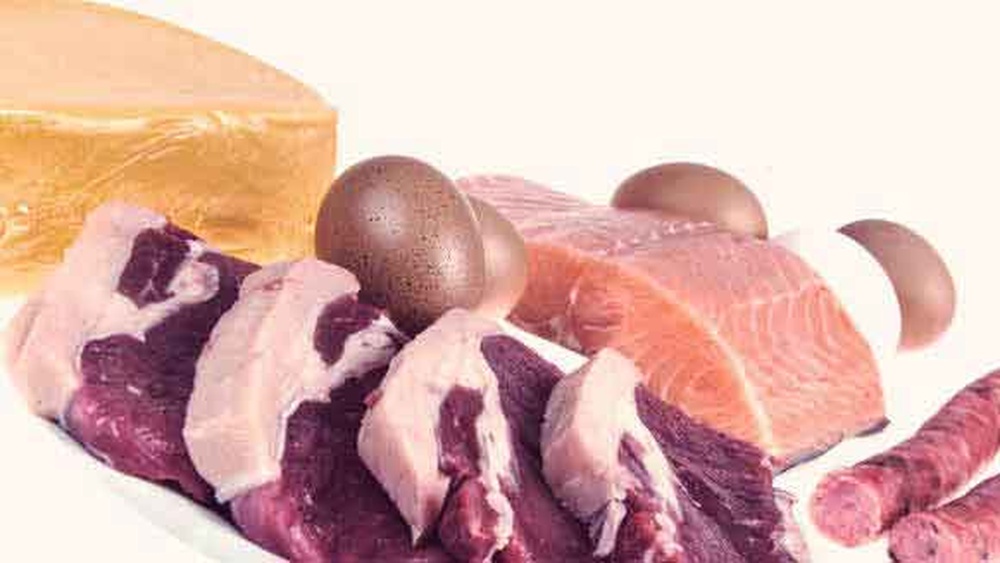
Are you wondering what the best source of protein for your dog is? Choosing the right protein can make a huge difference in your dog’s health, energy, and happiness.
You want to give your furry friend the best fuel to keep them active and strong every day. You’ll discover which proteins provide the most benefits and why some options are better than others. Keep reading to find out how to give your dog the nutrition they truly deserve.
Why Protein Matters For Dogs
Protein plays a vital role in a dog’s diet. It supports many body functions and keeps dogs strong and healthy. Without enough protein, dogs may face health problems and weaker muscles. Understanding why protein matters helps pet owners make better food choices for their dogs.
Role Of Protein In Canine Health
Protein builds and repairs muscles, skin, and fur. It also creates enzymes and hormones needed for daily body functions. Protein helps the immune system fight diseases. Dogs need protein to stay active and maintain good health.
Protein Needs By Life Stage
Puppies need more protein for growth and development. Adult dogs require moderate protein to maintain muscle mass. Senior dogs benefit from protein to support aging muscles and organs. Each life stage has different protein requirements.
Signs Of Protein Deficiency
Weak muscles and slow healing can signal low protein. Dull coat and hair loss may also appear. Dogs might lose weight or feel tired easily. Lack of protein affects energy and overall health.
Credit: shop.bullymax.com
Animal-based Protein Sources
Animal-based protein sources provide essential nutrients that dogs need to stay healthy and strong. These proteins contain all the important amino acids dogs require for muscle growth, repair, and overall energy. Feeding dogs animal proteins supports their natural diet and helps keep their coat shiny and skin healthy.
Choosing the right animal protein can influence your dog’s health and digestion. Each source offers unique benefits and flavors. Variety in their diet can also prevent boredom and ensure balanced nutrition.
Chicken And Turkey
Chicken and turkey are popular protein choices for dogs. They are lean meats, easy to digest, and rich in essential amino acids. These proteins support muscle development and provide energy without too much fat. Chicken and turkey also contain vitamins like B6 and niacin, which help with metabolism and brain function.
Beef And Lamb
Beef and lamb offer rich, flavorful protein options. These meats have more fat than poultry, which provides extra energy for active dogs. Beef is a great source of iron, important for healthy blood cells. Lamb is often easier to digest for dogs with food sensitivities or allergies. Both supply key minerals like zinc and selenium.
Fish And Seafood
Fish and seafood are excellent sources of protein and omega-3 fatty acids. These fats promote healthy skin, reduce inflammation, and support brain health. Salmon, sardines, and whitefish are common choices. Fish is gentle on the stomach and often suits dogs with allergies. It also offers vitamins D and B12 for immune support.
Eggs And Dairy
Eggs provide high-quality protein and essential amino acids in a small package. They are easy to prepare and highly digestible. Dairy products like yogurt and cheese add protein and calcium. These foods promote strong bones and healthy digestion. Use dairy carefully, as some dogs may be lactose intolerant.
Plant-based Protein Options
Plant-based protein options provide dogs with essential nutrients without animal products. These proteins support muscle health and energy. Many dogs tolerate plant proteins well, especially with a balanced diet. Plant proteins also offer fiber, vitamins, and minerals that benefit digestion and overall health.
Lentils And Peas
Lentils and peas are rich sources of protein and fiber. They help maintain healthy muscles and keep your dog full longer. These legumes also contain iron and B vitamins. Lentils and peas are easy to digest and gentle on the stomach. Many dog foods use them as a main protein ingredient.
Quinoa And Brown Rice
Quinoa is a complete protein, meaning it has all essential amino acids. Brown rice provides steady energy and supports digestion. Both grains are gluten-free and easy to digest. They serve as excellent carbohydrate sources with added protein. Including quinoa and brown rice can improve your dog’s diet diversity.
Soy And Other Legumes
Soy offers a high protein content with all essential amino acids. Other legumes like chickpeas and black beans also provide good protein. These options add variety and important nutrients to a dog’s meal. Soy and legumes support muscle repair and growth. Some dogs may need gradual introduction to avoid stomach upset.
Comparing Protein Quality
Protein quality plays a big role in your dog’s health. Not all proteins are the same. Some provide better nutrition and energy. Understanding protein quality helps you pick the best food for your dog.
Complete Vs Incomplete Proteins
Complete proteins have all nine essential amino acids dogs need. These come mostly from animal sources like meat, eggs, and fish. Incomplete proteins lack some amino acids. Plant sources like beans and grains often fall here. Dogs need complete proteins to build muscles and stay healthy.
Digestibility Factors
Digestibility shows how well your dog can absorb protein. Animal proteins usually digest easier and fully. Plant proteins can be harder to digest due to fiber and anti-nutrients. Good digestibility means your dog gets more nutrients from less food. Always consider digestibility when choosing protein sources.
Amino Acid Profiles
Amino acids are the building blocks of protein. Different proteins have different amino acid mixes. Dogs need certain essential amino acids from their diet. Animal proteins offer a balanced mix for dogs. Plant proteins might miss some important amino acids. Balanced amino acids support your dog’s growth and repair.
Choosing Protein Based On Dog’s Needs
Choosing the right protein for your dog depends on their age, health, and specific needs. Different dogs require different types of protein to stay strong and healthy. Understanding these needs helps you pick the best source of protein for your pet.
Puppies Vs Adult Dogs
Puppies need more protein to grow muscles and develop bones. Their food should have high-quality protein from sources like chicken, turkey, or lamb. Adult dogs need less protein than puppies but still require good quality sources to maintain muscle and energy. Balance is key for adult dogs to avoid weight gain.
Dogs With Allergies
Some dogs have allergies to common proteins like beef or chicken. Novel proteins like duck, venison, or fish can reduce allergy symptoms. Limited ingredient diets often use a single protein source to avoid reactions. Always observe your dog’s response to new proteins carefully.
Senior Dog Considerations
Older dogs need protein to prevent muscle loss but in moderate amounts. Easy-to-digest proteins like fish or eggs work well for senior dogs. Protein with added vitamins and minerals supports joint health and overall well-being. Tailoring protein helps keep seniors active and comfortable.

Credit: www.darwinspet.com
Homemade Vs Commercial Protein Sources
Choosing the best protein source for your dog involves deciding between homemade and commercial options. Both have unique advantages and challenges. Understanding these can help provide the best nutrition for your pet.
Benefits Of Homemade Meals
Homemade meals let you control every ingredient. You can choose fresh meats like chicken, beef, or fish. This control reduces fillers and additives. Homemade food often suits dogs with allergies or sensitivities. It also allows variety, which keeps your dog interested in meals. Preparing meals at home can build a stronger bond with your pet.
Evaluating Commercial Dog Foods
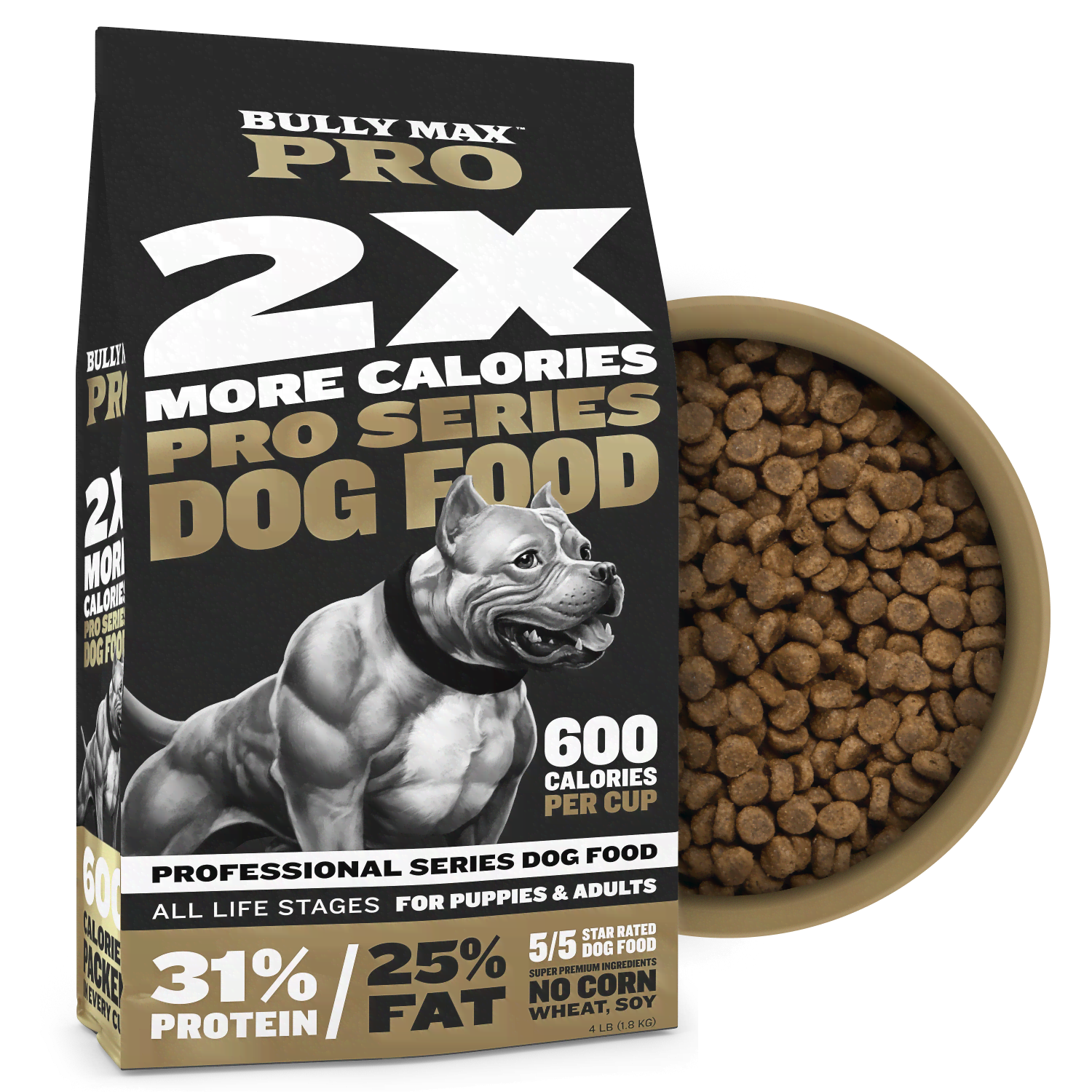
Commercial dog foods offer convenience and balanced nutrition. They are made to meet dog dietary needs. Many brands use high-quality protein sources like real meat or fish. They undergo strict safety checks. Commercial foods save time and reduce meal prep stress. They also have added vitamins and minerals for complete health support.
Safe Preparation Tips
Always cook meats thoroughly to kill harmful bacteria. Avoid using seasonings or spices, as they can harm dogs. Wash hands and surfaces to prevent contamination. Store homemade meals in airtight containers in the fridge. Use fresh ingredients to ensure nutrient quality. Consult your vet before changing your dog’s diet to ensure safety and balance.
Common Protein Myths For Dogs
Many dog owners have questions about protein and what is best for their pets. Some ideas about protein are not true. These myths can cause confusion about feeding dogs properly. Understanding common protein myths helps you choose the right diet for your dog. Let’s clear up some wrong ideas about protein and dogs.
High Protein And Kidney Health
Some people think high protein harms dog kidneys. This is not true for healthy dogs. Dogs need protein to build muscles and stay strong. Only dogs with kidney disease must eat less protein. For most dogs, protein supports good health and energy.
Myth Of Plant Proteins Being Inadequate
Plant proteins are often seen as poor for dogs. This is a myth. Plants can provide good protein when combined right. Dogs need all essential amino acids, and plant proteins can supply them. Mixing different plant proteins can meet dogs’ nutritional needs well.
Overfeeding Protein Risks
Feeding too much protein can cause problems. Extra protein may lead to weight gain or digestion issues. Balance is important. Dogs need the right amount of protein for their age and activity. Overfeeding protein is not healthy or necessary.

Credit: apupabove.com
Frequently Asked Questions
What Is The Best Protein Source For Dogs?
The best protein source for dogs is high-quality animal protein like chicken, beef, or fish. These provide essential amino acids for muscle growth and overall health. Avoid low-quality or plant-based proteins as the main source since dogs are primarily carnivores.
Can Dogs Eat Plant-based Protein Safely?
Dogs can eat some plant-based proteins like lentils or peas, but these shouldn’t be the main source. Animal proteins are more complete and digestible for dogs. Plant proteins may lack certain amino acids crucial for canine health.
How Much Protein Do Dogs Need Daily?
Dogs generally need 18-25% protein in their diet, depending on age and activity. Puppies and active dogs require higher protein levels. Always consult your vet for precise protein needs based on your dog’s health and lifestyle.
Is Fish A Good Protein Source For Dogs?
Yes, fish like salmon or sardines are excellent protein sources. They provide omega-3 fatty acids that support skin, coat, and joint health. Ensure fish is cooked and free from bones before feeding your dog.
Conclusion
Choosing the right protein helps keep your dog healthy and strong. Meat, fish, and eggs are great natural options. Plant proteins can also support your dog’s diet well. Always consider your dog’s needs and preferences first. Balanced meals make a big difference in their energy and growth.
Regularly check with your vet for the best advice. Healthy protein sources lead to a happier, more active dog. Simple choices can bring lasting benefits to your pet’s life.


