Choosing your first dog is exciting, but it can also feel overwhelming. You want a furry friend who fits your lifestyle, is easy to care for, and brings joy every day.
Small dog breeds are often perfect for first-time owners like you—they’re manageable, affectionate, and full of personality. You’ll discover the best small dog breeds that make great companions, even if you’ve never owned a dog before. Keep reading to find the perfect match that will turn your house into a happy home.

Credit: www.goletapethospital.com
Traits Of Ideal Small Dogs
Choosing the right small dog means understanding their key traits. These traits affect daily life and your bond. Ideal small dogs fit well in homes with first-time owners. They show friendly behavior, need manageable care, and stay healthy with simple routines.
Temperament And Behavior
Good small dogs are calm and friendly. They enjoy being close to people. They rarely show aggression or fear. A patient dog adapts well to new owners. They respond well to training and commands. Social dogs get along with children and other pets.
Exercise Needs
Small dogs need regular but short exercise. Daily walks and playtime keep them healthy. They do not need long or hard workouts. Moderate activity prevents boredom and bad habits. Exercise helps manage weight and energy levels.
Grooming Requirements
Easy grooming suits first-time owners best. Short-haired dogs need less brushing and bathing. Dogs with simple coats shed less and stay clean. Regular nail trimming and ear cleaning are needed. Grooming time should fit your schedule well.
Health Considerations
Choose breeds with fewer health problems. Small dogs can have dental or joint issues. Regular vet visits help catch problems early. Healthy dogs live longer and feel better. A good diet and care support their well-being.
Top Small Dog Breeds For Beginners
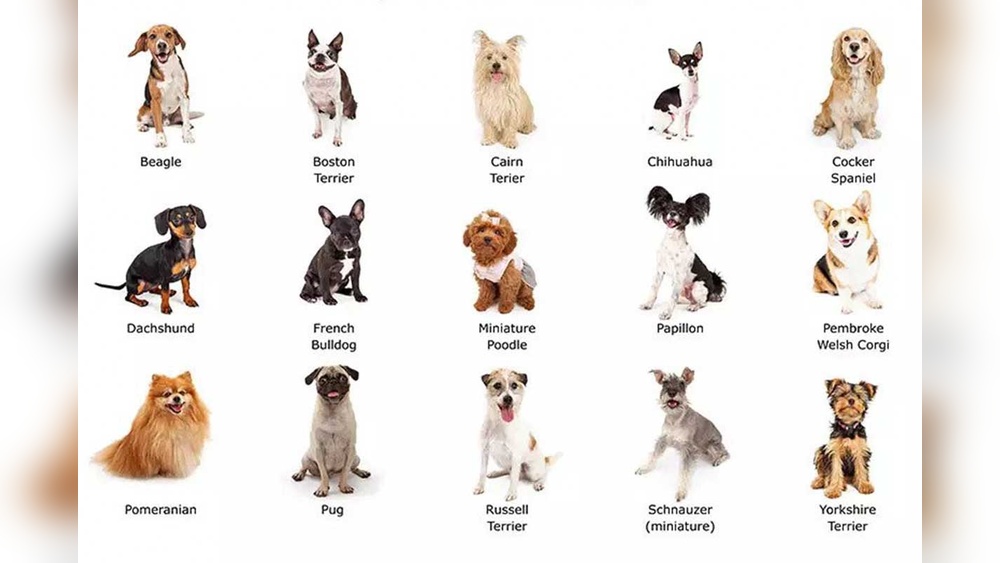
Choosing a small dog breed is a smart choice for first-time owners. Small dogs need less space and are easier to handle. They often have friendly personalities and adjust well to new homes. Below are some top small dog breeds that suit beginners perfectly.
Cavalier King Charles Spaniel
This breed is gentle and affectionate. Cavaliers love being around people and are good with children. Their size makes them easy to carry and care for. They enjoy short walks and playtime. Regular grooming keeps their coat healthy and shiny.
French Bulldog
French Bulldogs are calm and playful. They do not need much exercise, which suits busy owners. Their small size fits well in apartments. They have a loving nature and are loyal companions. Watch for breathing issues due to their flat faces.
Pug
Pugs are friendly and full of personality. They get along well with kids and other pets. Their short coat is easy to maintain. Pugs enjoy cuddles and short walks. They can be stubborn but respond well to gentle training.
Shih Tzu
Shih Tzus are charming and outgoing dogs. They have a calm demeanor and adapt well to new environments. Their coat needs regular brushing to avoid mats. They enjoy being with their owners and love attention. Small size makes them great for indoor living.
Boston Terrier
Boston Terriers are intelligent and easy to train. They have a friendly and alert personality. Their short coat is simple to care for. They do well in small spaces and enjoy playtime. Boston Terriers form strong bonds with their families.
Training Tips For First-time Owners
Training a small dog can be a joyful experience for first-time owners. Start early and keep sessions short. Consistency is key to help your dog learn good habits. Patience and clear communication build trust and good behavior.
Basic Commands
Teach simple commands like sit, stay, and come. Use a calm voice and clear hand signals. Practice daily in a quiet place. Reward your dog with treats or praise after each success. These commands keep your dog safe and obedient.
Socialization Strategies
Expose your dog to different people and places. Short, positive experiences help reduce fear. Invite friends to meet your dog gently. Visit parks or pet-friendly stores often. Socialization prevents behavior problems and builds confidence.
Potty Training
Set a regular schedule for bathroom breaks. Take your dog outside after meals and naps. Praise or reward immediately after they go outside. Watch for signs your dog needs to go. Clean accidents calmly without punishment.
Positive Reinforcement
Reward good behavior with treats, toys, or kind words. Ignore unwanted behavior instead of punishment. Positive feedback encourages your dog to repeat good actions. Keep training fun and full of encouragement. This creates a strong bond and happy dog.
:max_bytes(150000):strip_icc()/maltipoo-on-table-390083464-2000-4484ee5f277149e6a59b20870efe1312.jpg)
Credit: www.dailypaws.com
Creating A Safe Home Environment
Creating a safe home environment is key for first-time dog owners. Small dogs need special care and attention. A secure space helps them feel comfortable and stay healthy. It also protects your belongings and family from accidents. Planning your home for a small dog makes daily life easier and more fun.
Dog-proofing Tips
Start by removing small objects from the floor. Small dogs can swallow things easily. Cover electrical cords to prevent chewing. Keep cleaning supplies and medications out of reach. Use baby gates to block off unsafe areas. Check for sharp edges on furniture. Provide a cozy spot where your dog can rest safely.
Essential Supplies
Get a collar and leash suitable for small dogs. Choose a soft bed that supports their joints. Provide food and water bowls that don’t tip over. Stock up on chew toys to keep them busy. Use puppy pads or have a designated outdoor potty area. Have grooming tools like brushes and nail clippers ready. Always keep fresh water available.
Setting A Routine
Small dogs thrive on consistent daily schedules. Set regular times for feeding and walks. Create a bedtime routine to help your dog relax. Use the same commands during training sessions. Stick to playtime and rest periods each day. Routines build trust and reduce anxiety in your dog.
Common Challenges And Solutions
Owning a small dog for the first time can bring joy and some challenges. Knowing common problems helps prepare new owners. Solutions make life easier and happier for both dog and owner. Understanding these issues leads to better care and a stronger bond.
Separation Anxiety
Small dogs often feel scared when left alone. They may bark, whine, or destroy things. To help, start with short alone times. Use toys or treats to keep them busy. Gradually increase alone time as they get used to it. Consistent routines calm anxious dogs.
Barking Issues
Small dogs can bark a lot. They bark at noises, strangers, or out of boredom. Teach a quiet command and reward silence. Give enough exercise to reduce energy. Avoid yelling, which can make barking worse. Training with patience brings good results.
Chewing And Destructive Behavior
Chewing is common in puppies and small dogs. They chew to explore or relieve teething pain. Provide safe chew toys to satisfy this need. Keep valuable items out of reach. Redirect chewing to toys and praise good behavior. Consistent training protects your home.

Credit: chillydogsweaters.com
Frequently Asked Questions
What Are The Best Small Dog Breeds For Beginners?
Popular small breeds for first-time owners include Cavalier King Charles Spaniel, French Bulldog, and Pug. They are friendly, easy to train, and adapt well to various living spaces. These breeds require moderate exercise and are great companions for new dog owners.
How Much Exercise Do Small Dogs Need Daily?
Small dogs typically need 30 to 60 minutes of exercise daily. Short walks, playtime, and mental stimulation keep them healthy and happy. Exercise needs vary by breed, so adjust based on your dog’s energy level and health.
Are Small Dog Breeds Good For Apartment Living?
Yes, many small dog breeds thrive in apartments. Breeds like Dachshunds and Chihuahuas adapt well to limited space. Regular walks and indoor play help them stay active and content in smaller living areas.
What Health Issues Should First-time Owners Expect?
Common issues include dental problems, allergies, and joint concerns. Regular vet check-ups and proper diet prevent many issues. Early detection and care help ensure a happy, healthy small dog.
Conclusion
Choosing a small dog breed fits well with first-time owners. These dogs offer friendly, easy care and lots of love. Each breed has unique traits to match your lifestyle. Think about your home space and daily routine. Small dogs often need less exercise but still enjoy playtime.
They make great companions and bring joy every day. Start your journey with a dog that suits you best. Enjoy the special bond that grows with care and time.