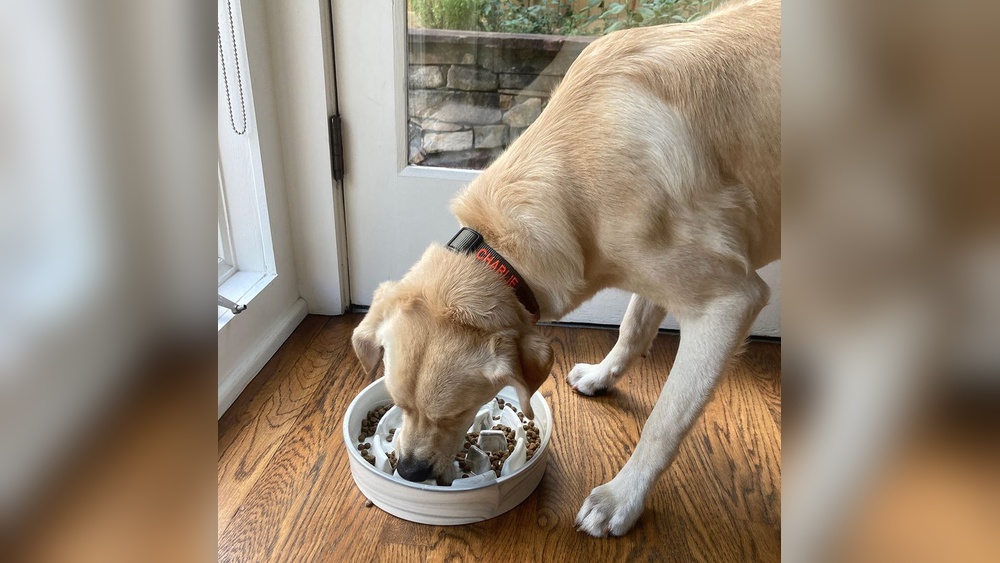
If your dog tends to gulp down their food too quickly, you know the risks—choking, bloating, and poor digestion. Finding the best slow feeders for dogs can make mealtime safer and more enjoyable for your furry friend.
Imagine your dog eating at a healthy pace, feeling full longer, and staying happy and healthy. You’ll discover top slow feeders designed to fit your dog’s needs, plus tips to choose the perfect one. Keep reading to transform your dog’s mealtime and give them the care they deserve.
Benefits Of Slow Feeders
Slow feeders offer many benefits for dogs. They help control the speed of eating. This simple change can improve a dog’s health and behavior. Slow feeders make mealtime safer and more enjoyable. Pets get to savor their food without rushing. This leads to better digestion and less stress.
Health Advantages
Slow feeders support better digestion by slowing down eating. Dogs that eat slowly absorb nutrients more effectively. This helps maintain a strong immune system. Slow feeding reduces the risk of choking and vomiting. It promotes a healthy weight by managing portion control. Overall, slow feeders contribute to a longer, healthier life.
Behavioral Improvements
Using slow feeders helps reduce anxiety during meals. Dogs focus more on eating instead of rushing. This can lower aggressive or competitive behavior around food. Slow feeding encourages calmness and patience. It also provides mental stimulation as dogs solve the feeder’s puzzle. These positive changes improve overall behavior at mealtime.
Preventing Bloating And Obesity
Bloating is dangerous and often linked to fast eating. Slow feeders decrease the chance of bloating by pacing food intake. This reduces air swallowed during meals. Controlled eating also helps prevent obesity by limiting overeating. Dogs feel full without eating too fast. Slow feeders are a simple tool to protect your dog’s health.
Types Of Slow Feeders
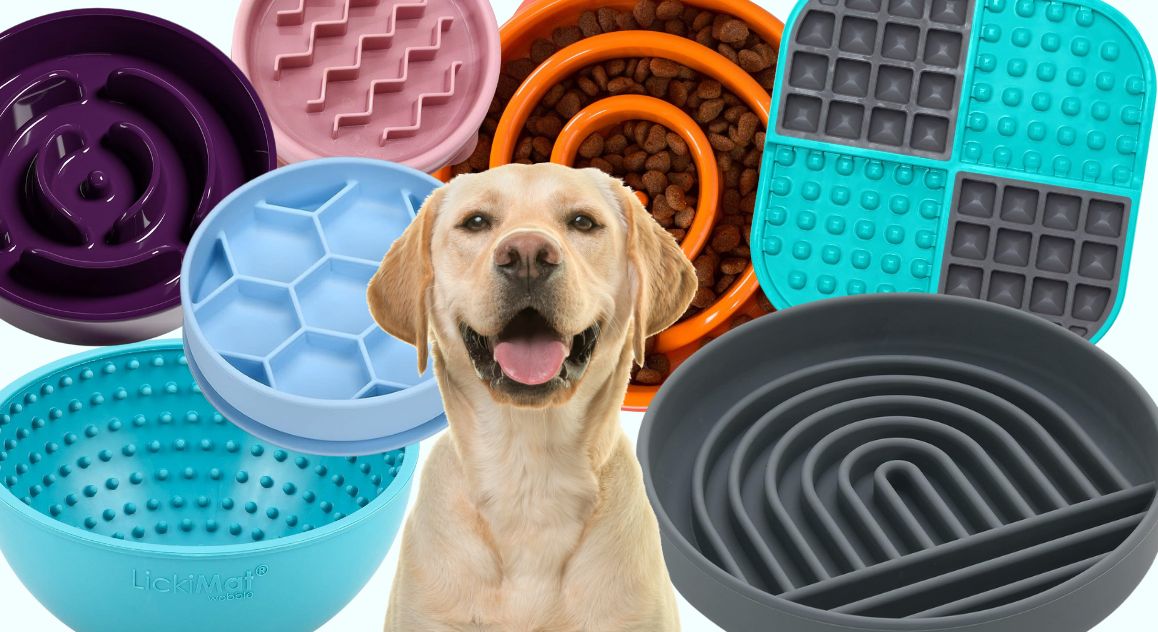
Slow feeders come in many shapes and styles. Each type helps dogs eat slower and enjoy their meals more. Choosing the right type can improve your dog’s digestion and prevent choking. Here are the main types of slow feeders.
Bowls With Maze Designs
These bowls have raised patterns inside. The maze forces dogs to eat around obstacles. This slows down their eating speed naturally. Dogs spend more time licking and biting food. It also makes mealtime more fun and challenging.
Interactive Feeders
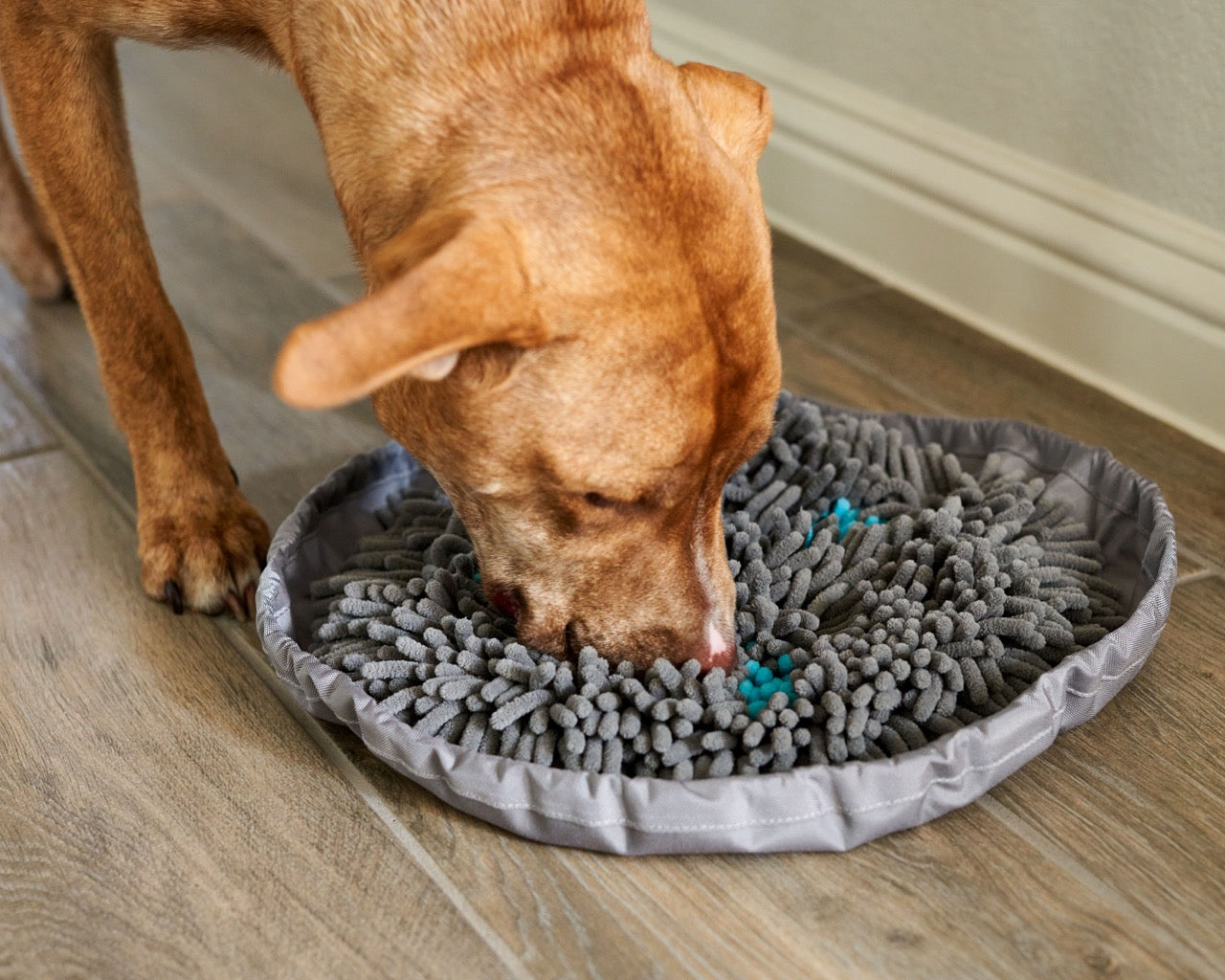
Interactive feeders require dogs to solve puzzles. Dogs have to move parts or open compartments to get food. This stimulates their minds and body. It keeps dogs busy and focused during mealtime. Great for dogs who need extra mental exercise.
Elevated And Weighted Bowls
Elevated bowls raise the food to a comfortable height. This helps dogs eat more slowly and comfortably. Weighted bowls stay steady and do not move easily. This prevents dogs from gulping food quickly. Both types improve posture and reduce mess.
Key Features To Look For
Choosing the right slow feeder for your dog can improve their eating habits and health. Knowing the key features helps pick a feeder that fits your dog’s needs. These features ensure safety, comfort, and ease for both you and your pet.
Material Durability
Strong material lasts longer and resists chewing. Look for feeders made from tough plastic, silicone, or stainless steel. These materials do not break or crack easily. Durable feeders stand up to daily use and rough play. They keep your dog safe from sharp edges or broken pieces.
Ease Of Cleaning
Easy cleaning prevents bacteria build-up and keeps feeding safe. Choose feeders that can be washed by hand or dishwasher. Simple designs with fewer crevices save time and effort. Clean feeders help keep your dog healthy by reducing germs.
Size And Capacity
Select a feeder that fits your dog’s size and eating habits. Small feeders suit puppies or small breeds. Larger feeders hold enough food for bigger dogs or multiple meals. The right size stops food waste and controls portion sizes well.
Credit: www.prouddogmom.com
Top Slow Feeders For Dogs
Slow feeders help dogs eat at a healthy pace. They reduce choking and bloating risks. These feeders also make mealtime fun and stimulating. Choosing the right slow feeder can improve your dog’s digestion and behavior. Here are some top slow feeders for dogs of all sizes and budgets.
Best Overall Slow Feeder
The best overall slow feeder suits most dogs well. It has a maze design that challenges dogs to eat slower. Made from durable, non-toxic materials, it is easy to clean. Its size fits medium and large dogs comfortably. This feeder balances quality, price, and effectiveness perfectly.
Best Budget Option
A budget-friendly slow feeder offers great value without sacrificing quality. It usually has simple ridges or bumps to slow eating. Lightweight and dishwasher safe, it is easy to maintain. This option works well for dogs new to slow feeding. It keeps your pet safe without spending much money.
Best For Large Breeds
Large breed dogs need feeders with bigger compartments and sturdy build. These feeders prevent fast eating and reduce the risk of bloating. They are made from tough materials that withstand heavy use. The design allows large dogs to eat comfortably at their own pace. Ideal for breeds like Labradors and German Shepherds.
Best For Small Breeds
Small dogs need feeders with smaller, shallow compartments. This design helps control portion size and slow eating effectively. Made from lightweight, safe materials, they are easy for small dogs to use. Perfect for breeds like Chihuahuas and Dachshunds. These feeders keep mealtime calm and enjoyable.
Tips For Introducing Slow Feeders
Introducing a slow feeder to your dog can improve their eating habits and digestion. It takes time and patience to help your dog adjust. Follow these tips to ensure a smooth change to slow feeding.
Gradual Transition
Start by mixing the slow feeder with your dog’s usual bowl. Use a small amount of food in the slow feeder at first. Increase the portion over several days. This helps your dog get used to the new style of eating.
Encouraging Positive Mealtime Habits
Make mealtime calm and quiet to help your dog focus. Praise your dog for eating slowly and calmly. Avoid rushing or pushing your dog to eat. Consistent rewards make slow feeding a positive experience.
Monitoring Your Dog’s Adjustment
Watch your dog closely during the first week. Look for signs of frustration or stress. If your dog struggles, reduce the difficulty of the slow feeder. Adjust the feeding pace to keep mealtime enjoyable.
Credit: itie.rivilgroup.com
Common Mistakes To Avoid
Using a slow feeder for dogs can improve your pet’s eating habits. Many dog owners make simple mistakes that reduce the feeder’s benefits. Avoiding these common errors helps your dog eat healthier and safer.
Overfeeding
Feeding too much food defeats the purpose of a slow feeder. Excess food can cause weight gain and health problems. Measure your dog’s portions carefully. Follow the recommended serving size on the food package or vet advice. Slow feeders control speed, not quantity.
Ignoring Cleaning Needs
Slow feeders trap food in small grooves and crevices. Food left inside can spoil and grow bacteria. Clean the feeder after every use. Use warm water and mild soap. This keeps your dog safe from germs and prevents bad smells.
Choosing The Wrong Size
Selecting the wrong feeder size can frustrate your dog. A feeder too small may cause stress. Too large makes it hard to slow down eating. Match the feeder size to your dog’s breed and eating style. Proper size ensures a positive feeding experience.
:strip_icc()/sps-dog-bowls-test-outward-hound-non-skid-plastic-slow-feeder-interactive-kaity-velez-12_crop-5af91c174e1748efa00be09546b5cf79.jpeg)
Credit: www.thesprucepets.com
Frequently Asked Questions
What Are The Benefits Of Using Slow Feeders For Dogs?
Slow feeders help prevent overeating and reduce choking risks. They promote better digestion and mental stimulation. Using them can improve your dog’s eating habits and overall health.
How Do Slow Feeders Work For Dogs?
Slow feeders have ridges or obstacles that slow down eating. Dogs must eat around these barriers, which reduces gulping. This encourages mindful eating and helps prevent bloat and indigestion.
Which Dog Breeds Benefit Most From Slow Feeders?
Breeds prone to fast eating or bloat benefit most. Examples include Bulldogs, Boxers, and Great Danes. Slow feeders help manage their eating pace and improve digestion.
Can Slow Feeders Help With Weight Management?
Yes, slow feeders promote portion control and reduce overeating. They make dogs feel fuller longer by slowing food intake. This aids in maintaining a healthy weight and preventing obesity.
Conclusion
Choosing the right slow feeder helps dogs eat safely and enjoy mealtime. These feeders reduce choking and improve digestion. They keep dogs calm while eating. Your dog’s health and happiness improve with slower eating. Pick a feeder that fits your dog’s size and habits.
Watch how your dog responds and adjust as needed. Slow feeders make mealtime better for both dogs and owners. Simple tools, big benefits. A happy dog starts with good eating habits.