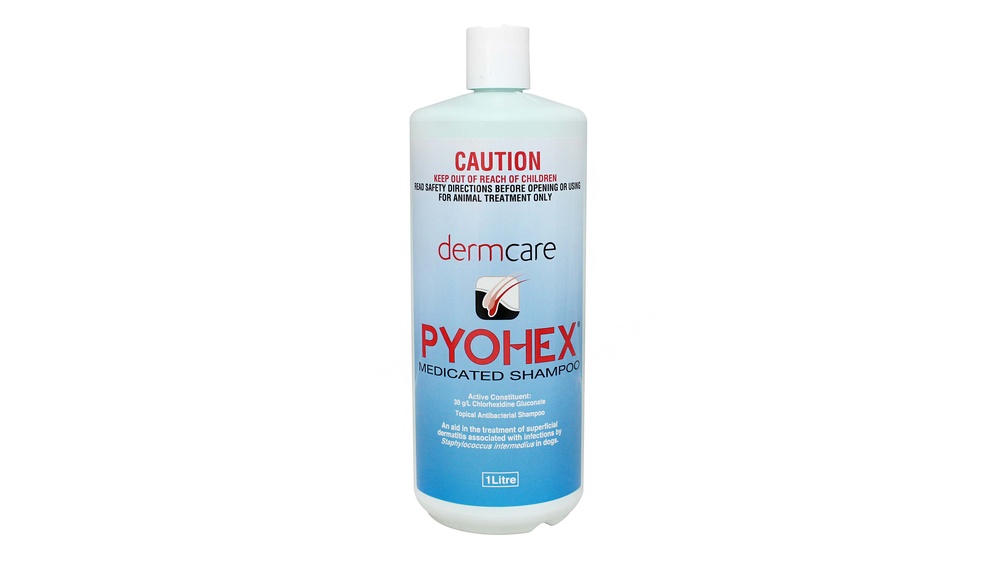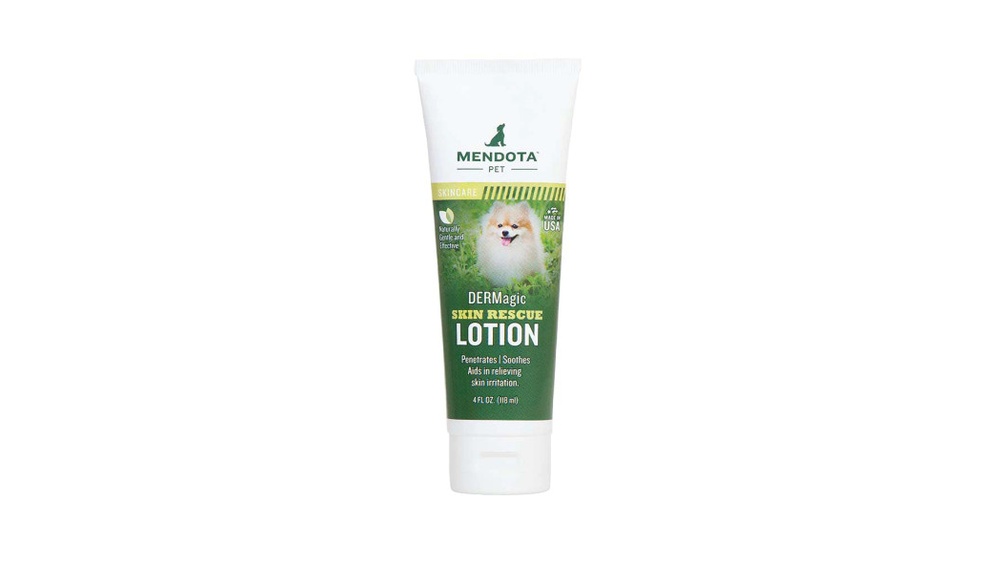
You want your dog to look and feel their best every day. But just like humans, dogs need the right skin care to stay healthy and happy.
If your furry friend is scratching more than usual or has dry, irritated skin, it’s a sign you need to take action. Finding the best skin care for dogs can seem confusing with so many products out there. That’s why this guide is here—to help you understand exactly what your dog’s skin needs and how you can give it the care it deserves.
Keep reading, and you’ll discover simple, effective ways to keep your dog’s skin smooth, shiny, and comfortable.
Common Skin Issues In Dogs
Dogs often face skin problems that can affect their health and comfort. These issues can cause itching, redness, and hair loss. Knowing common skin problems helps in proper care and quick treatment. Understanding the causes and signs is important to keep your dog happy and healthy.
Allergies And Irritations
Allergies are one of the top skin problems in dogs. They can come from food, pollen, or dust mites. Dogs with allergies often scratch or lick their skin. This causes redness and swelling. Some dogs develop rashes or hot spots. Avoiding allergens and using gentle skin care products helps reduce these issues.
Parasites And Infections
Parasites like fleas and ticks cause skin irritation and infections. Flea bites make dogs itchy and restless. Ticks can spread diseases that harm the skin and body. Bacterial and fungal infections also affect the skin. These infections cause sores, bad smell, and hair loss. Regular parasite control and cleaning prevent these problems.
Dry And Flaky Skin
Dry skin makes dogs uncomfortable and causes flaking. It can happen due to cold weather or poor diet. Dogs with dry skin may scratch or bite themselves. This can lead to cracks and infections. Using moisturizing shampoos and feeding a balanced diet supports healthy skin. Proper hydration also helps keep the skin soft.
Credit: www.labiosthetique.ee
Essential Grooming Practices
Good skin care starts with essential grooming practices. These help keep your dog’s coat healthy and skin free from problems. Regular grooming also strengthens the bond between you and your pet. Clean skin and a shiny coat show a happy, well-cared-for dog.
Regular Brushing Techniques
Brushing your dog removes dirt, loose hair, and dead skin. It helps spread natural oils that keep the coat shiny. Use a brush that matches your dog’s fur type. Brush gently to avoid hurting the skin. For long-haired dogs, brush daily to prevent tangles. Short-haired dogs need brushing once or twice a week. Pay attention to common trouble spots like behind ears and under legs.
Bathing Frequency And Products
Bathe your dog based on their breed and activity level. Too many baths can dry out the skin. Use a mild shampoo made for dogs only. Human shampoos can irritate their skin. Rinse thoroughly to remove all soap residue. Dry your dog well after bathing to prevent skin infections. Spot clean between baths if needed with pet wipes or a damp cloth.
Trimming And Nail Care
Keep your dog’s nails trimmed to a safe length. Long nails cause pain and affect walking. Use a proper dog nail clipper or grinder. Trim slowly and stop if you see the pink part inside the nail. Trim hair around the paws to avoid dirt buildup and matting. Regular trimming prevents infections and keeps your dog comfortable.
Nutrition For Healthy Skin
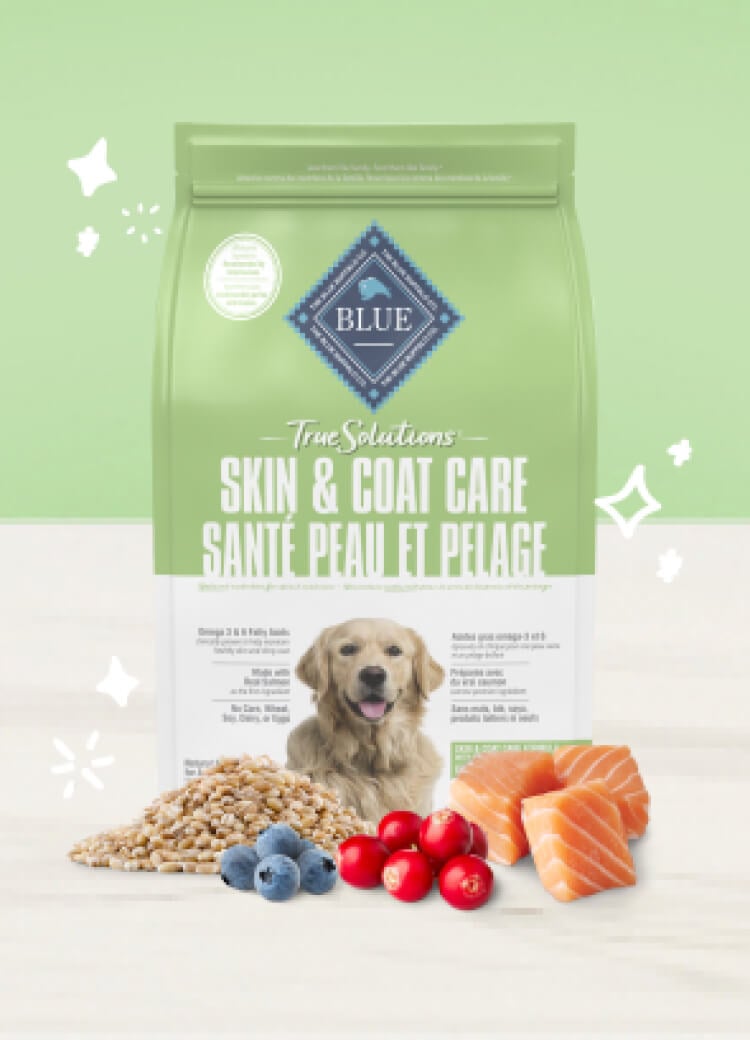
Nutrition plays a key role in keeping your dog’s skin healthy. Good food helps repair and protect the skin. It also reduces itching and dryness. Choosing the right nutrients supports a shiny coat and strong skin barriers.
Balanced meals provide essential vitamins and minerals. These help fight skin problems and keep your pet comfortable. Feeding your dog the right diet can prevent many common skin issues.
Omega Fatty Acids Benefits
Omega fatty acids are vital for skin health. They reduce inflammation and improve moisture. These fats help repair damaged skin cells. Your dog’s coat will look softer and shinier. Fish oil and flaxseed are rich sources of omega fats. Regular intake supports a smooth, itch-free skin.
Hydration And Diet Tips
Water is crucial for skin health. Well-hydrated skin stays elastic and less prone to cracks. Always provide fresh water for your dog. Include wet food in your dog’s diet to boost hydration. Avoid foods with too many fillers or artificial ingredients. Natural, whole foods nourish skin better.
Supplements To Consider
Supplements can aid skin and coat health. Biotin supports skin cell growth and repair. Vitamin E acts as an antioxidant to protect skin cells. Zinc helps heal wounds and fight infections. Consult your vet before adding supplements. Proper doses ensure safety and best results.

Credit: www.amazon.com
Choosing The Right Skin Care Products
Choosing the right skin care products for your dog is very important. Dogs have sensitive skin that needs gentle care. The wrong product can cause itching, dryness, or allergies. Select products made especially for dogs. They should be safe, mild, and effective.
Consider your dog’s skin type and any problems like dryness or redness. Always read labels and avoid harsh chemicals. Products with natural ingredients often work best. Testing a small area first can prevent big reactions.
Shampoos And Conditioners
Pick shampoos that clean without stripping natural oils. Look for formulas that soothe and moisturize skin. Avoid products with strong fragrances or dyes. Conditioners help keep fur soft and reduce tangles. They also protect the skin from dryness. Use only as directed to avoid over-washing.
Topical Treatments
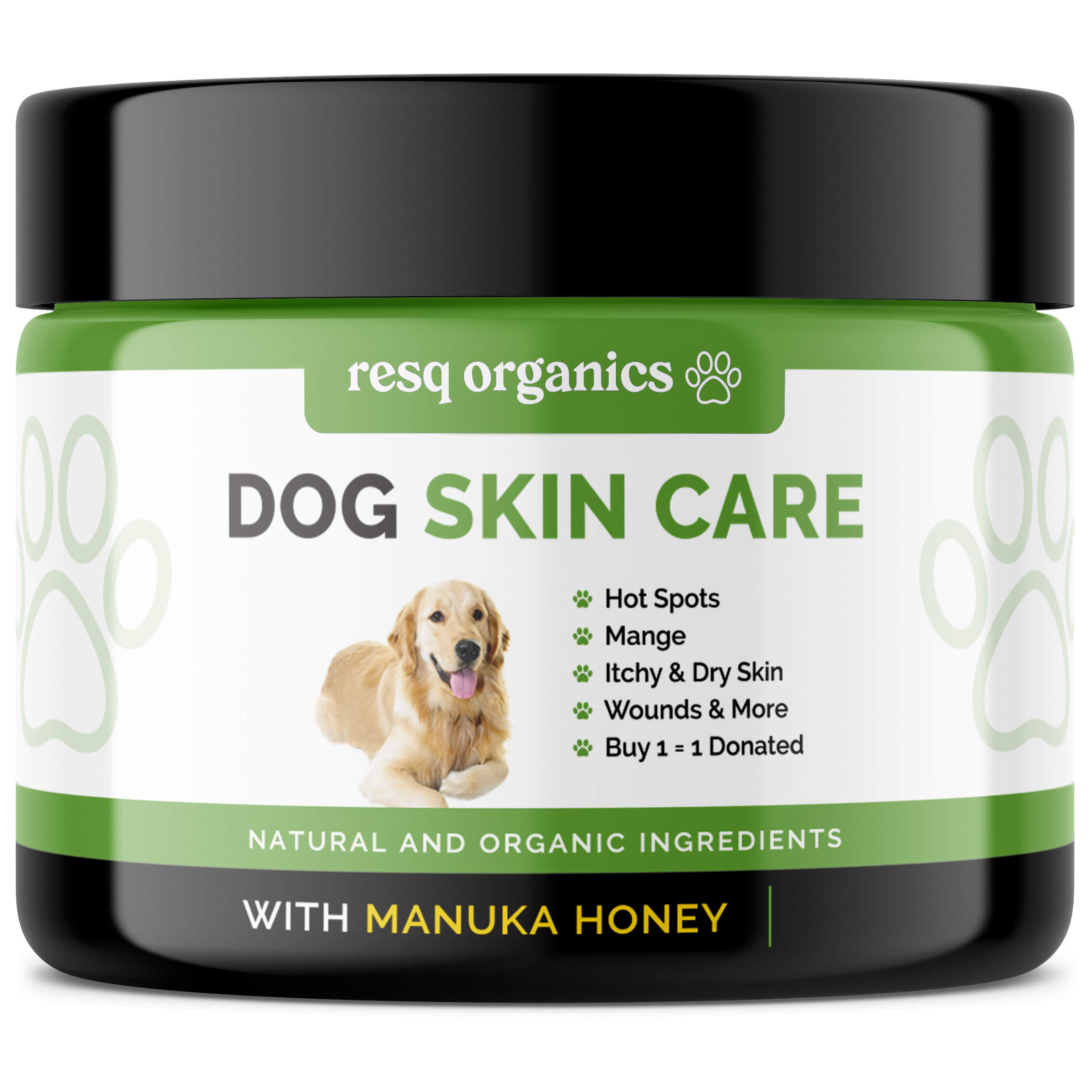
Topical treatments target specific skin issues like hot spots or infections. These come as sprays, creams, or ointments. Choose treatments recommended by your vet. They should calm inflammation and kill bacteria. Apply gently to avoid irritating your dog’s skin. Monitor your dog after use to spot any problems.
Natural Remedies
Natural remedies can support skin health without chemicals. Aloe vera gel soothes and cools irritated skin. Coconut oil moisturizes and fights bacteria. Oatmeal baths relieve itching and dryness. Always use pure, safe ingredients. Consult your vet before trying new remedies. Natural does not always mean safe for every dog.
Preventive Measures
Preventive care is key to keeping your dog’s skin healthy. Good habits stop problems before they start. Simple steps protect your dog from irritation and infections. These measures save you time and money on vet visits.
Parasite Control
Parasites like fleas and ticks cause skin irritation. They can lead to redness, itching, and hair loss. Use vet-approved treatments regularly to keep parasites away. Check your dog’s skin often for signs of bugs. Clean your dog’s bedding and living area frequently.
Environmental Factors
Weather changes can affect your dog’s skin health. Dry air causes flaking and itchiness. Hot sun may burn sensitive skin. Avoid harsh chemicals in cleaning products and lawn treatments. Use gentle, dog-friendly shampoos during baths. Keep your dog’s coat clean and dry.
Regular Vet Checkups
Routine vet visits catch skin problems early. Vets check for allergies, infections, and parasites. They recommend treatments tailored to your dog’s needs. Regular checkups help maintain overall skin health. Don’t wait for visible signs of trouble to visit.
Credit: www.bluebuffalo.com
Signs Of Skin Problems To Watch
Dogs cannot tell us when their skin feels itchy or sore. Watching for signs of skin problems helps catch issues early. Healthy skin keeps your dog comfortable and happy.
Noticing changes in your dog’s behavior or appearance can signal skin troubles. Early attention can prevent infections and pain. Learn what to watch for below.
Behavioral Changes
Your dog may scratch or lick more than usual. Restlessness or irritability can also show discomfort. Pawing at certain spots or rubbing against furniture signals itching.
Sudden biting or chewing on the skin can mean pain or irritation. If your dog hides or acts withdrawn, skin problems could cause stress. Pay attention to these behavior shifts.
Visible Symptoms
Look for redness, swelling, or bumps on the skin. Dry, flaky patches or scabs are signs of irritation. Hair loss or bald spots may indicate a serious problem.
Oily or smelly skin can mean infection. Crusty areas or sores require care. Check your dog’s ears, belly, and paws often for unusual marks.
When To Seek Professional Help
If symptoms persist more than a few days, see a vet. Sudden wounds, bleeding, or severe itching need quick attention. A vet can diagnose and treat underlying causes.
Do not wait if your dog seems in pain or stops eating. Early care improves healing and comfort. Professional advice keeps your dog’s skin healthy.
Frequently Asked Questions
What Are The Best Ingredients For Dog Skin Care?
Look for natural ingredients like aloe vera, oatmeal, and coconut oil. These soothe and hydrate your dog’s skin safely. Avoid harsh chemicals and artificial fragrances that can irritate.
How Often Should I Bathe My Dog For Healthy Skin?
Bathing once every 4 to 6 weeks is ideal for most dogs. Overbathing can strip natural oils and cause dryness. Use a gentle dog shampoo designed for sensitive skin.
Can Diet Affect My Dog’s Skin Condition?
Yes, a balanced diet rich in omega-3 fatty acids supports healthy skin. High-quality protein and vitamins also promote a shiny coat. Consult your vet for suitable supplements.
How Do I Prevent Dog Skin Allergies?
Regular grooming and using hypoallergenic shampoos help prevent allergies. Avoid exposure to known irritants like certain plants or chemicals. If symptoms persist, consult a veterinarian.
Conclusion
Healthy skin means a happy dog. Choose gentle, natural products for care. Regular baths and brushing help keep skin clean. Watch for signs of irritation or dryness. A balanced diet supports skin from inside out. Consult a vet for serious skin issues.
Small steps make a big difference daily. Your dog will feel comfortable and loved. Keep skin care simple and consistent always. Good skin care shows your love clearly.