Finding the best shock collar for your dog can feel overwhelming. You want something that works well, keeps your pet safe, and fits your training style.
Choosing the right collar can make a huge difference in your dog’s behavior and your peace of mind. You’ll discover top options that combine effectiveness with comfort. Keep reading to find the perfect match for your furry friend and take the first step toward a happier, better-behaved dog.
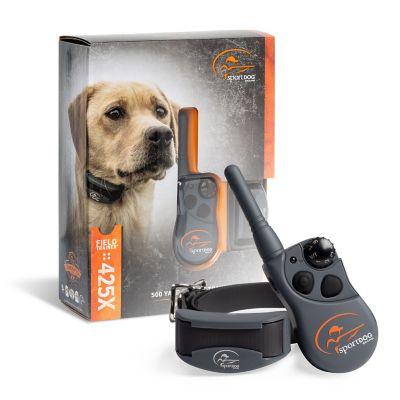
Credit: www.tractorsupply.com
Why Choose A Shock Collar
Choosing the right training tool for your dog is important. A shock collar can be a useful option for many dog owners. It helps correct unwanted behaviors quickly and clearly. Understanding why a shock collar might work for your dog is key to effective training.
Benefits Of Shock Collars
Shock collars provide immediate feedback to dogs during training. They help dogs learn commands faster by linking actions to a signal. This tool can improve focus and reduce distractions. Many owners find it easier to train dogs at a distance. Shock collars can also be adjusted to suit your dog’s size and temperament.
Common Training Challenges
Dogs often ignore verbal commands or get distracted outside. Some dogs bark excessively or pull on the leash. These behaviors can be hard to control with only treats or voice. Shock collars help address these issues by giving clear signals. They guide dogs to stop unwanted behaviors quickly.
Safety Considerations
Not all shock collars are the same. Choose a collar with adjustable settings for safety. Start with the lowest setting and watch your dog’s reaction. Use the collar only for training, not punishment. Proper use ensures your dog stays safe and comfortable. Always follow the manufacturer’s instructions carefully.
Key Features To Look For
Choosing the best shock collar for your dog requires attention to important features. These features affect how well the collar works and how safe it is for your pet. Understanding these key points helps pick the right collar for training and behavior control.
Adjustable Intensity Levels
Different dogs need different shock levels. A collar with adjustable intensity lets you set the right strength. Start with the lowest level and increase if needed. This protects your dog from too much discomfort. It also helps train dogs with different sizes and temperaments.
Range And Battery Life
The range shows how far the collar’s signal reaches. A longer range means better control during outdoor training. Battery life is important for long sessions. Look for collars with batteries that last several days or have quick charging. This prevents interruptions during training.
Water Resistance And Durability
Dogs play in water and dirt. A water-resistant collar stays safe during rain or swims. Durable materials prevent damage from chewing or rough play. These features ensure the collar lasts longer and keeps working well.
Ease Of Use And Comfort
The collar should be easy to put on and take off. Simple controls make training less stressful for you and your dog. Comfort is key to avoid skin irritation. Soft, adjustable straps fit well and keep your dog happy.
Top Shock Collars Reviewed
Choosing the right shock collar helps train your dog effectively and safely. Many options exist, each with unique features. This guide reviews top shock collars to help you find the best fit for your dog’s size and training needs.
These collars offer various levels of stimulation and control. Some work better for small dogs, while others suit large breeds. Budget choices and advanced training models are also covered. Read on to discover which collar suits your dog best.
Best Overall Choice
This collar balances features, ease of use, and price. It offers multiple stimulation levels and a reliable remote. The battery lasts long, making it ideal for daily training. Many dog owners trust this model for consistent results.
Best For Small Dogs
Small dogs need gentle stimulation to avoid discomfort. This collar provides low-level static correction. It is lightweight and fits comfortably on small necks. The remote control is simple, perfect for new trainers.
Best For Large Dogs
Large dogs require stronger signals to get their attention. This collar delivers powerful but safe static stimulation. Its durable design withstands rough use and outdoor conditions. The range is wide, ideal for open spaces.
Best Budget Option
Affordable does not mean low quality with this collar. It offers essential training features and adjustable levels. The battery life supports several hours of use. Beginners will find this collar easy to operate.
Best For Advanced Training
This collar has advanced settings for experienced trainers. It includes vibration and tone modes alongside static shock. Programmable options allow customized training sessions. It works well for complex behavior correction.

Credit: www.amazon.com
Training Tips With Shock Collars
Training your dog with a shock collar can be effective if done correctly. It needs patience and care to ensure your pet stays safe and learns well. This section offers simple tips to help you train your dog using a shock collar.
Introducing The Collar To Your Dog
Start by letting your dog wear the collar without turning it on. Let your dog get used to the feel of the collar for a few days. Watch your dog’s behavior to make sure it is comfortable. Use calm words and gentle petting to create a positive experience.
Timing And Consistency
Apply the shock immediately after the unwanted behavior. This helps your dog connect the correction with the action. Be consistent with your commands and corrections. Use the collar only when necessary, not all the time.
Combining With Positive Reinforcement
Reward your dog for good behavior with treats or praise. This helps your dog learn what you want them to do. Use the collar as a guide, not as the only tool. Positive reinforcement makes training kinder and more effective.
Avoiding Common Mistakes
Do not use high shock levels that cause pain. Avoid using the collar for punishment only. Do not leave the collar on your dog all day. Watch your dog’s reaction and stop if you see fear or distress.
Alternatives To Shock Collars
Shock collars are not the only option for dog training. Many pet owners prefer gentler methods. These alternatives can be effective without causing stress to the dog. They offer ways to guide behavior with less risk.
Vibration And Sound Collars
Vibration collars use gentle shakes to get a dog’s attention. Sound collars emit a beep or tone instead. Both help train dogs without pain. They are useful for dogs sensitive to loud noises or touch. These collars work well for basic commands and distractions.
Remote Training Devices
Remote training devices let owners send signals from a distance. They can use sounds, vibrations, or mild static pulses. These tools allow precise control during walks or outdoor training. Owners can reward good behavior or stop unwanted actions quickly. Training stays consistent and clear for the dog.
Positive Reinforcement Tools
Positive reinforcement uses treats, praise, or toys to reward good actions. Clicker training is a popular method here. It marks the exact moment a dog does well. This approach builds trust and encourages dogs to repeat good behavior. It focuses on kindness and patience, helping dogs learn happily.
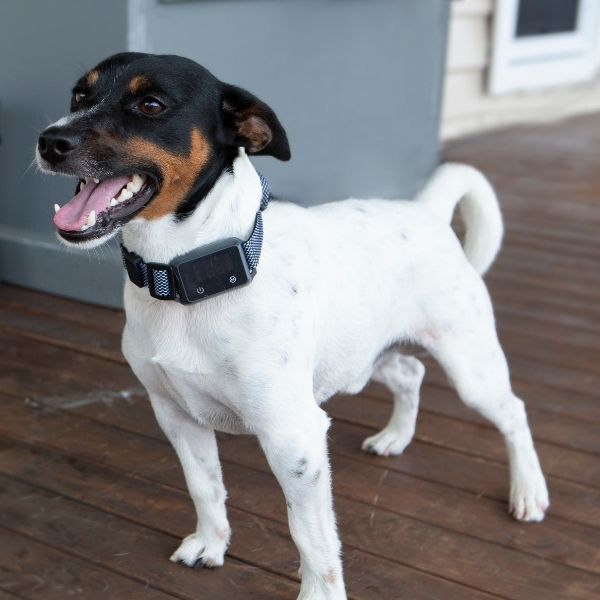
Credit: edog.co.nz
Frequently Asked Questions
What Features Make A Shock Collar The Best Choice?
The best shock collars have adjustable intensity, waterproof design, and long battery life. They offer remote control and safe, humane correction. Comfort and durability are essential for effective training and lasting use.
Are Shock Collars Safe For All Dog Breeds?
Yes, shock collars are safe when used properly across breeds. Always choose appropriate intensity and monitor your dog’s reaction. Consult a vet for sensitive or small breeds to ensure comfort and safety.
How To Use A Shock Collar Effectively For Training?
Use the collar consistently with clear commands. Start at the lowest stimulation level and increase gradually. Combine with positive reinforcement to encourage good behavior and avoid overuse or punishment.
Can Shock Collars Help With Barking Control?
Yes, shock collars with vibration or tone modes effectively reduce excessive barking. They discourage unwanted noise without causing harm, promoting peaceful behavior when used correctly.
Conclusion
Choosing the best shock collar helps train your dog safely and kindly. It improves communication between you and your pet. Always pick a collar with adjustable settings for comfort. Use it responsibly to avoid stress or harm. Training becomes easier with patience and consistency.
Your dog learns commands faster and behaves better. A good shock collar supports positive dog training. Stay calm and gentle during every training session. This tool can make life with your dog more peaceful and happy.