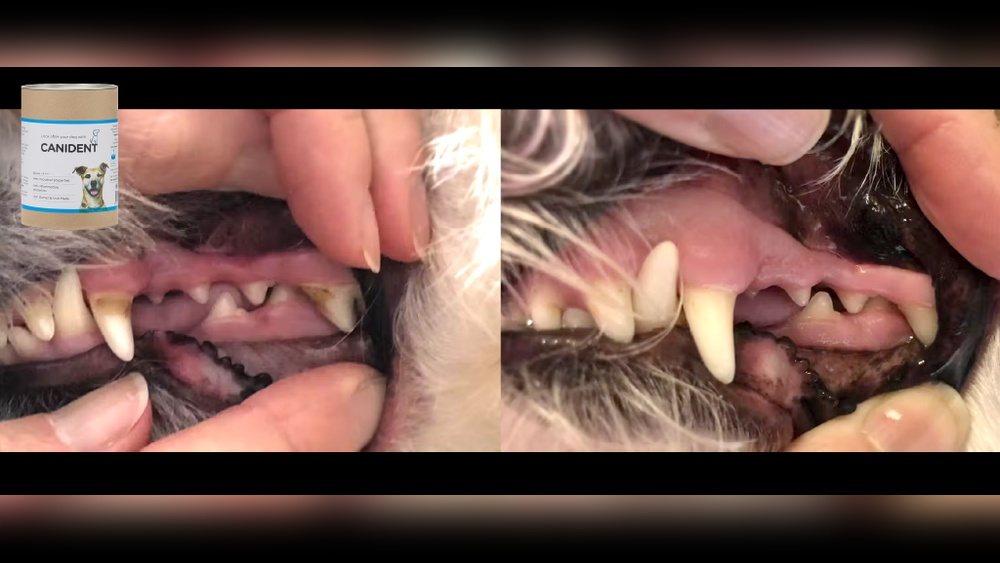
Are you looking for a natural way to keep your dog’s teeth clean and healthy? Seaweed might be the secret ingredient you’ve been missing.
Packed with nutrients, seaweed can help fight bad breath, reduce plaque, and support your dog’s overall dental health. If you want to learn which type of seaweed works best and how to use it safely, keep reading. Your dog’s smile will thank you!
Benefits Of Seaweed For Dogs’ Teeth
Seaweed offers natural benefits for dogs’ dental health. It helps reduce plaque and freshens breath. Certain types stand out for their effectiveness and safety. Below are top seaweed types that support your dog’s teeth and gums.
Kelp
Kelp is rich in minerals like iodine and calcium. These nutrients strengthen teeth and fight bacteria. Kelp also has antioxidants that protect gums from damage. Many dog foods include kelp for dental care.
Nori
Nori is a popular seaweed often used as a treat. It contains vitamins A and C, which promote healthy gums. Nori is soft and easy for dogs to chew. It helps reduce bad breath naturally.
Dulse
Dulse is known for its strong flavor and dental benefits. It helps clean teeth by reducing plaque buildup. Dulse also supports the immune system to keep gums healthy. Small amounts added to meals work well.

Credit: bellandbone.com.au
Top Seaweed Types For Dental Care
Seaweed offers natural benefits for your dog’s dental health. It helps reduce plaque and tartar, which cause bad breath and gum problems. Seaweed contains compounds that work in two important ways to keep teeth clean and gums healthy.
Inhibiting Bacterial Growth
Seaweed has natural substances that stop harmful bacteria in the mouth. These bacteria cause plaque, a sticky layer that builds on teeth. By slowing down bacterial growth, seaweed helps prevent plaque from forming. Less plaque means less tartar, which is hardened plaque that sticks to teeth. This keeps your dog’s mouth healthier and fresher.
Enhancing Saliva Production
Seaweed also helps increase saliva in the mouth. Saliva washes away food and debris that cause plaque. More saliva means a cleaner mouth and stronger teeth. It also keeps gums moist and reduces irritation. This natural boost supports your dog’s oral health without harsh chemicals.
How Seaweed Helps Reduce Plaque And Tartar
Seaweed can benefit your dog’s teeth and health. Still, it is important to take some precautions. Not every dog reacts the same to seaweed. Watch for signs of problems. Knowing the risks helps keep your pet safe and healthy.
Allergy Risks
Some dogs may have allergies to seaweed. Signs include itching, swelling, or stomach upset. Start with a small amount to check for reactions. Stop giving seaweed if your dog shows any allergy signs.
Iodine Content Considerations
Seaweed contains iodine, which helps thyroid health. Too much iodine can cause thyroid problems. Use seaweed in small amounts only. Avoid giving seaweed to dogs with thyroid issues unless your vet approves.
Consulting A Veterinarian
Ask a vet before adding seaweed to your dog’s diet. Vets can suggest the right type and amount. They can also check for possible health risks. Professional advice ensures your dog stays safe and healthy.

Credit: www.amazon.com
Ways To Incorporate Seaweed Into Your Dog’s Diet
Natural remedies can support your dog’s dental health alongside seaweed benefits. They help reduce plaque and keep gums healthy. These options are easy to add to daily care. Here are some effective natural solutions for better dog teeth.
Coconut Oil
Coconut oil has antibacterial properties that fight mouth bacteria. Gently rubbing it on your dog’s gums can reduce inflammation. You can also add a small amount to their food. This helps freshen breath and promotes clean teeth naturally.
Chewing Toys
Chewing toys help scrape away plaque and tartar from teeth. They also keep your dog busy and reduce stress. Choose toys made of safe, durable materials. Regular chewing supports strong teeth and healthy gums.
Herbal Additives
Herbal additives like parsley and neem have natural cleaning effects. These herbs can be mixed into your dog’s food or given as supplements. They help fight bad breath and improve oral hygiene. Always check with a vet before use.
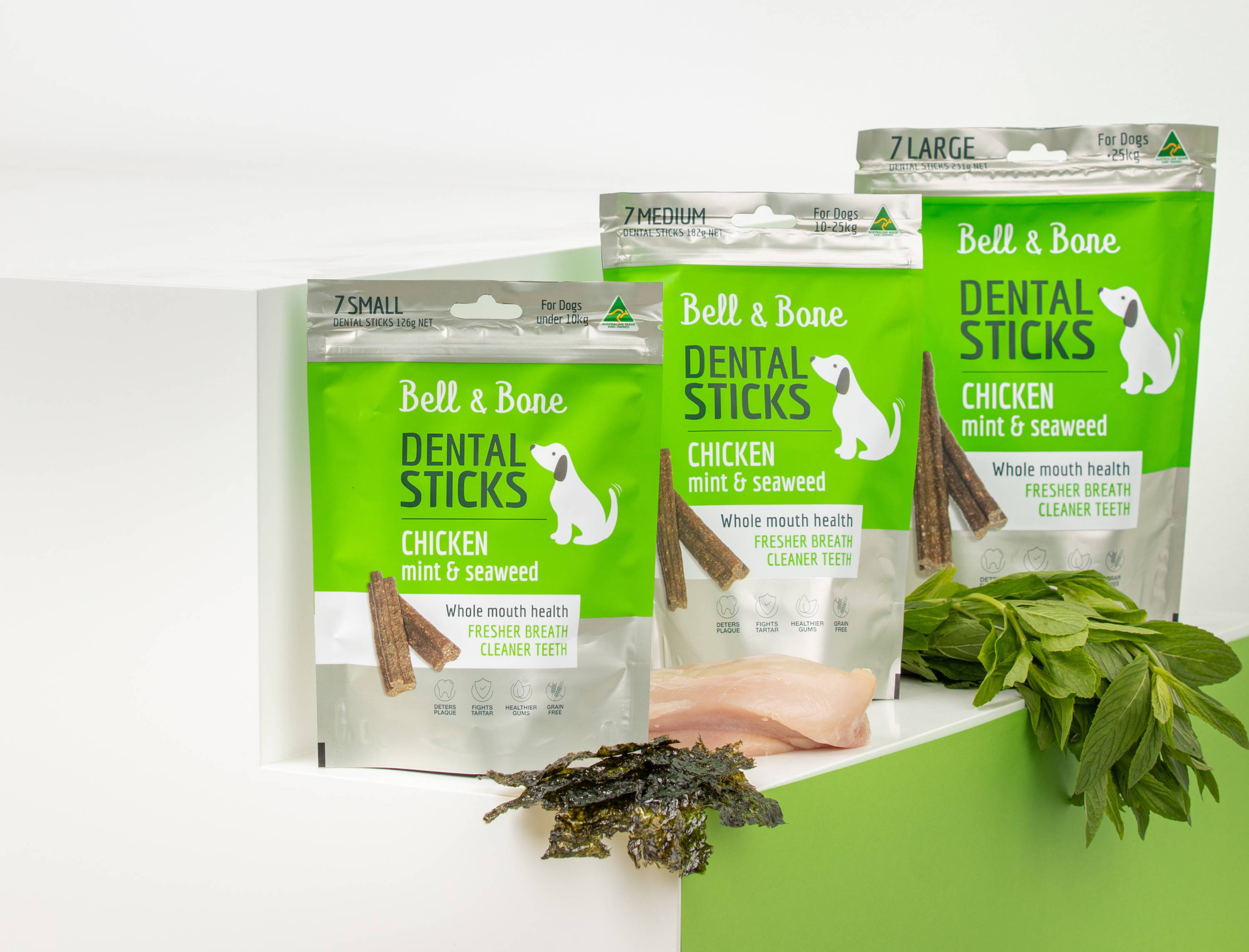
Credit: bellandbone.com.au
Frequently Asked Questions
What Is The Best Seaweed For Dogs’ Teeth?
Kelp is the best seaweed for dogs’ teeth. It contains natural minerals that reduce plaque and tartar buildup. Kelp also supports gum health and freshens breath, making it a popular choice for canine dental care.
How Does Seaweed Improve My Dog’s Dental Health?
Seaweed contains antioxidants and natural enzymes that fight bacteria in the mouth. It helps reduce plaque formation and strengthens gums. Regular use can lead to fresher breath and healthier teeth in dogs.
Can Seaweed Prevent Dental Diseases In Dogs?
Yes, seaweed helps prevent dental diseases by reducing harmful bacteria. Its anti-inflammatory properties promote healthy gums. Adding seaweed to your dog’s diet supports overall oral hygiene and lowers the risk of periodontal issues.
How Should I Give Seaweed To My Dog For Teeth Care?
You can add dried or powdered seaweed to your dog’s food. Start with small amounts to avoid digestive upset. Seaweed treats or supplements specifically designed for dogs are also effective and easy to use.
Conclusion
Seaweed can help keep your dog’s teeth clean and healthy. It contains natural ingredients that fight bacteria and reduce bad breath. Adding the right seaweed to your dog’s diet supports strong teeth and gums. Always choose high-quality, safe seaweed products.
Watch how your dog reacts to new treats and consult your vet if needed. Healthy teeth mean a happier, more comfortable dog. Try seaweed as a simple, natural step for better dental care. Small changes can make a big difference in your dog’s smile.