Choosing the best rock for your dog to walk on is more important than you might think. If you want your furry friend to enjoy safe and comfortable walks, the surface they step on plays a big role.
You don’t want your dog to hurt their paws or feel uneasy during your outings. You’ll discover which types of rocks are gentle on your dog’s paws and why some common surfaces might cause problems. Keep reading to make every walk enjoyable and safe for your best friend!
Safe Rock Options
Choosing the right rock for dogs to walk on is important for their safety. Some rocks are rough and can hurt their paws. Others are smooth and comfortable. Safe rock options protect your dog’s feet and make walks more enjoyable.
These rocks also help keep your walking area clean. They drain water well and stop mud. Safe rocks are easy to walk on and last a long time.
Smooth River Stones
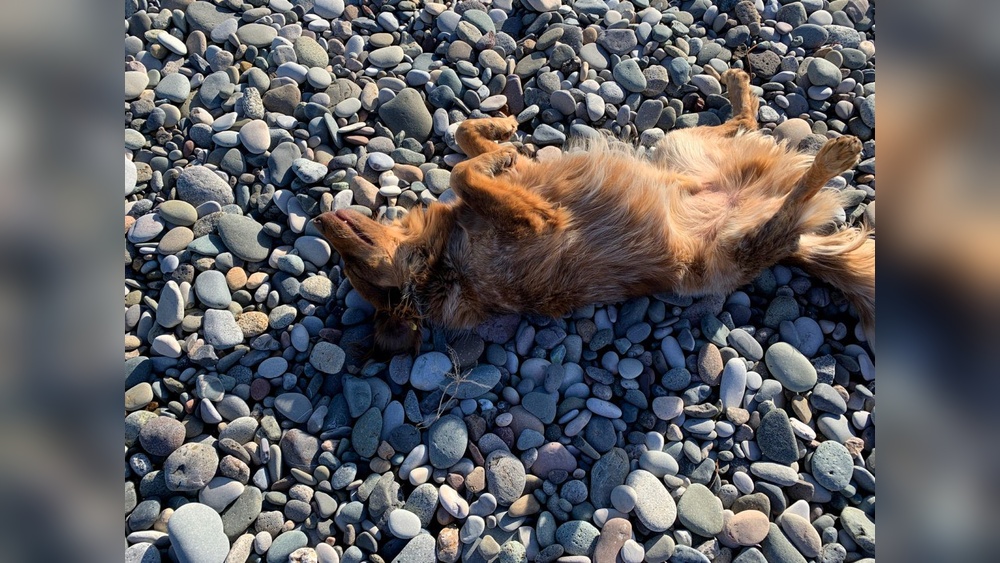
Smooth river stones have rounded edges. They do not scratch or cut dog paws. These stones feel nice underfoot. They also look natural in gardens and yards. River stones allow good drainage, keeping the area dry.
They are heavy enough to stay in place. This means fewer stones move and cause slips. Smooth river stones are a safe and pretty choice for dog paths.
Crushed Granite
Crushed granite is made of small, sharp pieces. But it compacts well to form a firm surface. This surface is gentle on dog paws. It does not have large sharp edges that hurt.
Crushed granite drains water quickly. It prevents puddles and mud buildup. This rock is affordable and easy to maintain. Dogs can walk easily without slipping on it.
Decomposed Granite
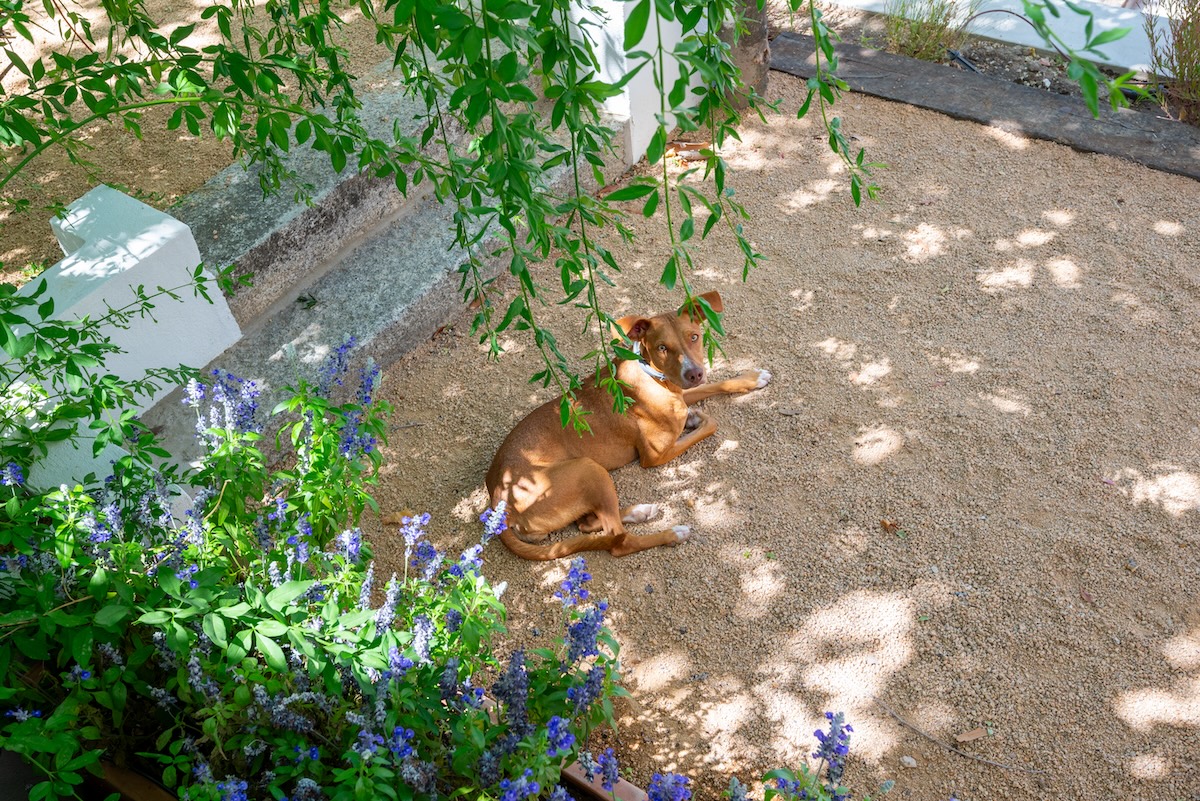
Decomposed granite is soft and sandy. It feels smooth and warm under paws. This rock compacts tightly to create a stable path. It is gentle on dogs’ feet and joints.
This material helps prevent weed growth. It also drains water well to keep paths dry. Decomposed granite is a popular, safe choice for dog walkways.
Credit: braytopsoilandgravel.com
Durable Rock Choices
Choosing the right rock for dogs to walk on is important for safety and comfort. Durable rocks last longer and cause less wear on paws. These rocks resist weather and keep their shape over time. They also provide good traction to prevent slips. Here are some durable rock choices that work well for dog walking paths.
Lava Rock
Lava rock is lightweight and porous. It absorbs heat but cools down quickly in shade. This rock offers excellent drainage, so water does not pool. Its rough texture gives dogs good footing. Lava rock is strong and does not break easily. It also looks natural in garden spaces.
Slate Chips
Slate chips are flat and smooth but still provide grip. They stay cool under the sun and feel gentle on paws. Slate is very durable and holds up well under foot traffic. These chips come in many colors, adding beauty to paths. They resist fading and keep their shape for years.
Pea Gravel
Pea gravel consists of small, rounded stones. It is soft on dog paws and easy to walk on. This gravel drains water quickly, preventing mud and puddles. Pea gravel compacts well and stays in place. It is a popular choice for dog runs and walking paths. Its smooth surface reduces the risk of injury.
Comfortable Surfaces For Dogs
Choosing the right surface for dogs to walk on is very important. Some rocks can hurt their paws. Comfortable surfaces keep dogs happy and safe during walks. Soft and smooth textures reduce the risk of cuts and soreness. Dogs enjoy walking on rocks that feel gentle under their feet.
Soft Sandstone
Soft sandstone is a great choice for dog walks. It feels smooth and warm to touch. Its texture is gentle on dog paws, reducing discomfort. Sandstone does not have rough edges that can cause cuts. It also absorbs heat slowly, so it stays cooler longer. Walking on soft sandstone is easy and safe for dogs.
Rounded Pebbles
Rounded pebbles are another good option. Their smooth, curved shapes avoid sharp points. Pebbles provide a natural cushion for paws. Dogs can walk comfortably without slipping or hurting themselves. These stones also allow good drainage, keeping the path dry. Rounded pebbles make outdoor walks pleasant and safe.
Avoiding Sharp Edges
Sharp edges on rocks can cause paw injuries. Cuts and scrapes hurt dogs and slow walks. Look for rocks with no jagged or rough parts. Avoid broken stones or rocky areas with pointy shapes. Smooth, flat rocks protect paws better. Keeping paws safe means more fun and longer walks for dogs.

Credit: www.landscape-design-in-a-day.com
Factors To Consider
Choosing the best rock for dogs to walk on requires careful thought. The right rock keeps your dog safe and comfortable. Several key factors affect this choice. Understanding these helps you pick the best option for your pet’s walks.
Temperature Impact
Rocks can get very hot under the sun. Hot rocks may burn your dog’s paws. Lighter colored rocks reflect heat better than dark ones. Cool rocks protect your dog’s feet during summer. Check the rock’s temperature before walking your dog.
Traction And Grip
Good traction prevents slips and falls. Rough-textured rocks offer better grip for paws. Smooth rocks may be slippery, especially when wet. Choose rocks with a surface that helps your dog walk safely. This reduces injury risk on walks.
Maintenance Requirements
Some rocks need more cleaning and care. Dirt and debris can build up on certain types. Easy-to-clean rocks keep your walking area neat. Low maintenance rocks save time and effort. Pick rocks that stay clean and safe with less work.
Common Rocks To Avoid
Choosing the right surface for dogs to walk on is important for their safety and comfort. Some common rocks can cause injuries or health problems. It is best to avoid certain types of rocks that pose risks to your dog’s paws and well-being.
Sharp Crushed Stones
Sharp crushed stones can cut your dog’s paws. These rocks have jagged edges. Walking on them causes pain and wounds. Small cuts can get infected easily. Avoid areas with loose, sharp stones for safe walks.
Heat Retaining Rocks
Some rocks hold heat for a long time. They get very hot in the sun. Hot rocks can burn your dog’s paw pads. This can cause blisters and discomfort. Choose cooler surfaces or walk during cooler parts of the day.
Toxic Mineral Rocks
Certain mineral rocks contain harmful substances. Dogs may lick or chew these rocks out of curiosity. Toxic minerals can cause poisoning or stomach problems. It is safer to keep your dog away from unknown rocks.
Tips For Introducing New Surfaces
Introducing your dog to new walking surfaces can be a smooth process with the right approach. Dogs may find some rocks hard or uncomfortable at first. Taking small steps helps your dog adjust without stress. This section shares simple tips to make the experience safe and fun.
Gradual Exposure
Start with short walks on the new rock surface. Let your dog explore at its own pace. Increase time slowly over days or weeks. Watch your dog’s comfort and behavior closely. This builds confidence and reduces fear.
Monitoring Paw Health
Check your dog’s paws after every walk. Look for cuts, cracks, or redness. Clean paws gently to remove dirt or debris. Use paw balm if the skin looks dry or cracked. Healthy paws help your dog enjoy walking more.
Hydration And Cooling
Bring water for your dog on walks. Offer water breaks often, especially in warm weather. Avoid walking on hot rocks during midday. Early morning or late evening walks keep paws cool. Hydration and shade protect your dog from heat stress.

Credit: www.southwestboulder.com
Frequently Asked Questions
What Type Of Rock Is Safest For Dogs To Walk On?
Smooth, rounded river rocks or pea gravel are safest. They avoid sharp edges that can hurt paws and provide good traction.
Can Dogs Walk On Gravel Without Injury?
Yes, if the gravel is small and smooth. Large, sharp gravel can cause cuts or discomfort to your dog’s paws.
Why Avoid Sharp Rocks For Dog Walking Paths?
Sharp rocks can cut or injure dogs’ paws. They also cause discomfort, making walks unpleasant and potentially dangerous.
How Does Rock Texture Affect Dog Paw Comfort?
Smooth textures reduce paw irritation and injuries. Rough or jagged surfaces can cause cuts, abrasions, or soreness on sensitive paw pads.
Conclusion
Choosing the best rock for dogs to walk on keeps their paws safe and healthy. Smooth, rounded stones work well and avoid cuts or discomfort. Avoid sharp, jagged rocks that can hurt your dog’s feet. Consider the temperature too; some rocks get very hot in the sun.
Soft gravel or river rocks often provide a comfortable walking surface. A good path helps your dog enjoy walks without pain or injury. Always watch your dog’s paws for signs of discomfort. Safe rocks make outdoor time fun for both you and your dog.