Choosing the right protection dog for your family is a big decision. You want a dog that is loyal, gentle with kids, and ready to keep your home safe.
But with so many breeds out there, how do you pick the best one? This guide will help you discover the top protection dogs that fit perfectly into family life. By the end, you’ll know exactly which dog can give you peace of mind and become your family’s trusted guardian.
Keep reading to find the perfect match for your home.
Credit: itie.rivilgroup.com
Traits Of Ideal Family Protection Dogs
Choosing the right protection dog for your family means knowing the key traits these dogs should have. Ideal family protection dogs combine safety with a caring nature. They must be loyal, smart, and strong enough to protect loved ones. At the same time, they need to be gentle and easy to train. These traits help them fit well into family life.
Understanding these qualities helps families pick dogs that protect without causing stress or fear. The right balance of temperament, intelligence, and size makes all the difference. Here is a closer look at these important traits.
Temperament And Loyalty
Good protection dogs have calm and steady temperaments. They stay alert without being aggressive all the time. These dogs trust their family and show strong loyalty. They protect by watching and warning, not by attacking without reason. A loyal dog forms a deep bond with all family members. This bond keeps the dog focused on protecting the family safely.
Trainability And Intelligence
Smart dogs learn commands quickly and follow instructions well. Trainability is key for protection dogs to act properly in different situations. Intelligent dogs understand when to be gentle and when to be firm. They respond to training with enthusiasm. Consistent training helps them behave well around children and guests.
Size And Strength Considerations
Size matters for protection dogs, but it is not everything. A dog should be strong enough to defend but not too large to control. Medium to large dogs often make the best family protectors. They have enough power to deter threats and stay safe with kids. Strength combined with control means the dog can protect without causing harm.
:strip_icc()/GettyImages-93440349-3eaa4bfe54e24565bac54b54e6f255e3.jpg)
Credit: www.thesprucepets.com
Top Protection Dog Breeds For Families
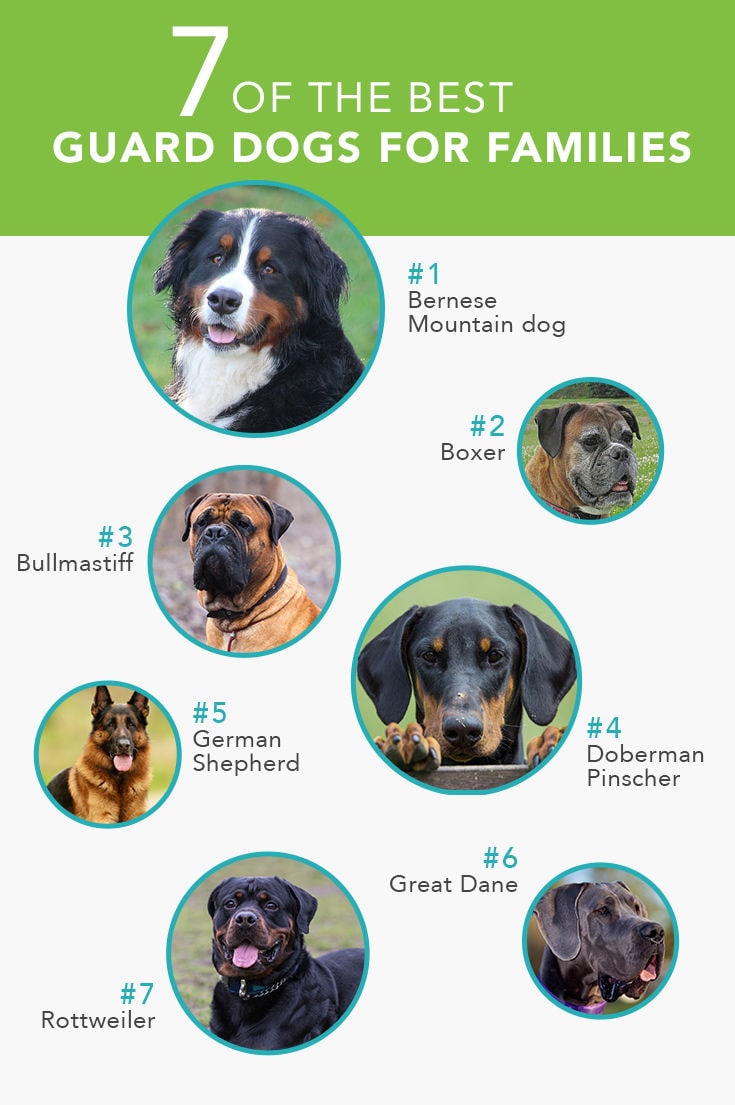
Protection dogs provide safety and companionship for families. They are loyal and alert. Choosing the right breed matters for family life. Some breeds are better with children. Others are more protective and easy to train. Below are top protection dog breeds that suit families well.
German Shepherd
German Shepherds are smart and loyal dogs. They learn commands quickly and obey well. Their strong protective instincts make them great guards. They bond deeply with family members. They are gentle with children but alert to danger. Regular exercise keeps them happy and healthy.
Doberman Pinscher
Dobermans are fast and powerful dogs. They protect their family with great courage. They are intelligent and easy to train. Dobermans love being part of family activities. They need firm, consistent training from an early age. Their alertness makes them excellent watchdogs.
Rottweiler
Rottweilers are strong and confident dogs. They protect their home and family without fear. They are calm and gentle with children. Early socialization helps them become well-behaved pets. Rottweilers need regular exercise to stay balanced. Their loyalty is unmatched in family protection.
Belgian Malinois
Belgian Malinois are agile and intelligent dogs. They are often used in police work. They protect family members with great focus. They require lots of physical and mental activity. Malinois bond closely with their owners. Their energy suits active families well.
Boxer
Boxers are playful and protective dogs. They have a friendly nature with kids. Their strong build helps guard the home. They enjoy being part of family fun. Boxers need daily exercise to stay fit. Their loving nature makes them great family dogs.
Safety And Socialization Tips
Choosing the best protection dog for your family means more than just strength. Safety and socialization are key. Teaching your dog how to behave around people and other animals helps keep everyone safe. Early training builds trust and control. This section offers simple tips for raising a protective yet friendly dog.
Early Socialization Techniques
Start socializing your dog as early as possible. Introduce them to different people, places, and sounds. Gentle exposure helps reduce fear and aggression. Use positive rewards like treats and praise. Let the dog meet children, adults, and other pets safely. This creates a calm and confident dog. Avoid overwhelming situations. Short, frequent sessions work best.
Training For Controlled Protection
Teach your dog to protect only on command. Use clear, consistent signals. Practice obedience skills like sit, stay, and come. Controlled training stops unwanted aggression. Work with a professional trainer if needed. Training should focus on respect and control. Regular practice keeps skills sharp. Your dog learns when to act and when to relax.
Ensuring Child And Pet Safety
Always supervise your dog around children and other pets. Teach kids how to behave calmly near the dog. Avoid rough play or sudden movements. Create safe spaces for your dog to retreat. Monitor interactions closely to prevent accidents. Use gates or barriers if needed. Safety first protects both the dog and family members.
Credit: tehachapisportsmanclub.com
Living With A Protection Dog
Living with a protection dog brings both joy and responsibility. These dogs are loyal and alert, providing safety for your family. Their presence offers peace of mind and a sense of security. Understanding their needs helps create a happy home for everyone.
Daily Care And Exercise Needs
Protection dogs need regular exercise to stay healthy and calm. Daily walks and playtime keep their bodies strong and minds sharp. Lack of activity can cause boredom and unwanted behaviors. Feeding them a balanced diet supports their energy and overall health. Grooming is also important to keep their coat clean and skin healthy.
Managing Protective Instincts
These dogs have natural protective instincts that must be guided. Training helps control when to be alert and when to relax. Consistent commands teach them to respond only to real threats. Socializing with other people and pets reduces unnecessary guarding. Patience and clear rules build trust and respect between you and your dog.
Building Strong Family Bonds
Spending quality time with your protection dog strengthens your connection. Simple activities like playing, training, and relaxing together build trust. Praise and gentle affection encourage positive behavior. Involving the whole family in care and training makes the dog feel part of the group. A strong bond creates a loyal and happy protector for your home.
Choosing The Right Protection Dog
Choosing the right protection dog for your family is a big decision. Every family has unique needs and lifestyles. The dog must fit well into daily life and offer safety. This choice requires careful thought and planning. The right dog brings peace and security without stress.
Several factors affect this decision. Consider how active your family is. Think about space and time for training. These points help match the dog’s personality and skills with your home.
Assessing Family Lifestyle
Family routines shape the dog’s role and behavior. Active families may prefer energetic breeds. Calm families might choose gentle, less demanding dogs. Size of living space matters too. Larger dogs often need more room to move. Time for exercise and training is key. A dog with protection skills needs regular practice. Understand your family’s daily habits clearly.
Working With Professional Trainers
Protection dogs require special training. Professionals teach dogs how to guard safely. Trainers also help owners understand dog behavior. Training builds trust between dog and family. Choose trainers with experience in protection dogs. Good training reduces risks and improves control. It ensures the dog responds well in different situations. Start training early to get the best results.
Adoption Vs. Breeder Selection
Decide whether to adopt or buy from a breeder. Adoption gives a chance to save a dog’s life. Some rescue dogs have protection instincts. Breeders offer specific breeds with known traits. Select breeders who focus on health and temperament. Ask about the dog’s background and training. Both options need careful research. Choose what fits your family’s needs and values.
Frequently Asked Questions
What Are The Best Protection Dogs For Families?
The best protection dogs for families combine loyalty, intelligence, and gentleness. Breeds like German Shepherds, Boxers, and Rottweilers offer strong protection while being great with kids.
How Do Protection Dogs Keep Families Safe?
Protection dogs guard their home by alerting owners to danger. They deter intruders with their presence and can intervene if needed, providing safety and peace of mind.
Are Protection Dogs Good With Children?
Yes, many protection dog breeds are affectionate and protective with children. Proper training ensures they are gentle, patient, and safe around family members of all ages.
What Training Do Protection Dogs Require?
Protection dogs need consistent obedience and socialization training. Specialized protection training helps them respond accurately to threats while remaining calm around family and guests.
Conclusion
Choosing the right protection dog keeps your family safe and happy. These dogs are loyal, brave, and loving. They watch over your home and offer comfort too. Training and care help them do their best. Every family needs a friend they can trust.
A protection dog gives peace of mind every day. Think about your family’s needs before deciding. A good dog fits well with your lifestyle. Trust grows with time and patience. A protection dog is more than a guard—it’s part of your family.