If your dog is fighting an infection, you want the best care possible—starting with where to give their injection. Choosing the right place can make a huge difference in how comfortable your pet feels and how quickly they recover.
You might be wondering: Should it be at home, at the vet’s office, or somewhere else? You’ll discover the safest and most effective spots to give your dog injections. By the end, you’ll feel confident in making the best choice for your furry friend’s health and comfort.
Keep reading to learn exactly what you need to know.
Credit: vetic.in
Choosing Injection Sites
Choosing the right place to give a dog an injection is very important. The area must be safe and easy to reach. The injection site can affect how well the medicine works and how comfortable the dog feels. Knowing where to inject helps avoid pain and injury.
Common Injection Areas
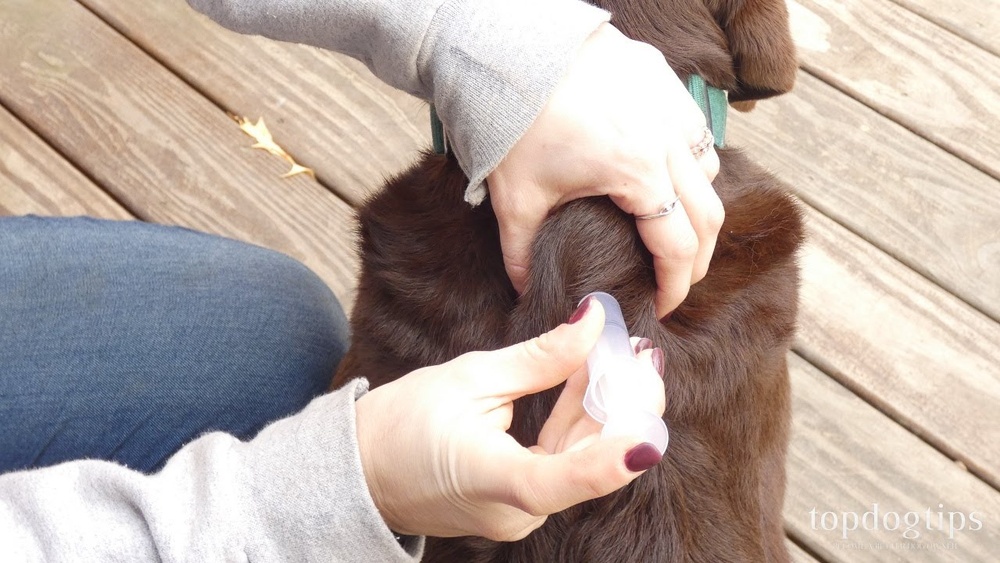
The most common places for dog injections are the scruff of the neck, the thigh muscle, and the loose skin over the shoulder. The scruff is the loose skin on the back of the neck. The thigh muscle is found on the back leg. The shoulder area has loose skin and muscle.
Pros And Cons Of Each Site
The scruff is easy to lift and inject under the skin. It causes less pain but is only good for small doses. The thigh muscle absorbs medicine quickly. It is good for larger doses but may hurt more. The shoulder area is easy to reach and less painful. It is not good for large injections.
Avoiding Sensitive Zones
Avoid areas with large nerves and blood vessels. Stay away from the spine and joints. Do not inject into wounds or irritated skin. Check the area for lumps or cuts. This helps prevent pain and complications. Always clean the site before injection.
Preparing Your Dog
Giving your dog an injection for infection needs calm and care. Preparing your dog helps make the process smooth. It also lowers stress for both you and your pet. Start with gentle steps to keep your dog relaxed. This preparation makes the injection safer and easier.
Calming Techniques
Speak softly to your dog. Use a calm voice to soothe them. Pet your dog gently to ease their nerves. Give treats to create a positive feeling. Take deep breaths and stay relaxed yourself. Your calm energy helps your dog stay calm too.
Proper Restraint Methods
Hold your dog firmly but gently. Use a helper if your dog is very active. Wrap small dogs in a towel for control. Avoid tight grips that hurt or scare your dog. Keep your dog still to avoid sudden moves. Proper restraint protects both you and your dog.
Cleaning The Injection Site
Use an alcohol swab to clean the skin. Clean in a circular motion, moving outward. Let the area dry before injecting. This removes dirt and germs that cause infection. Clean skin helps the injection work better. Always use a fresh swab for each injection.
Injection Types And Methods
Choosing the right injection type and method is key for treating a dog’s infection. Different injections serve different purposes. Each method has its own place on the dog’s body. Understanding these options helps ensure safe and effective care.
Subcutaneous Injections
Subcutaneous injections go under the skin but above the muscle. This method is common for fluids and some medicines. The loose skin over the shoulders or back is ideal for these shots. It causes less pain and is easier to give. This method allows slow absorption of the medicine into the body.
Intramuscular Injections
Intramuscular injections go directly into the muscle. The thigh or shoulder muscles are typical spots for these shots. This method delivers medicine faster than subcutaneous injections. It can be a bit more uncomfortable for the dog. Trained hands should give these injections to avoid injury.
Using Auto-injectors
Auto-injectors are devices that help give injections quickly and safely. They are easy to use and reduce fear in dogs. These devices often hold pre-measured doses. Auto-injectors are useful for emergency medicines or daily treatments. They make the injection process smoother for both pets and owners.
Administering The Injection
Administering an injection to a dog for infection requires care and precision. It helps deliver medicine fast and fights the infection effectively. Knowing the right method keeps your dog safe and comfortable. This section guides you through the process step by step.
Step-by-step Guide
First, gather all supplies: syringe, medication, alcohol swab, and cotton ball.
Next, wash your hands well to keep the area clean.
Choose the best injection site, often the loose skin over the shoulder or thigh.
Wipe the area with an alcohol swab to reduce germs.
Hold the syringe like a pencil and remove air bubbles.
Pinch the skin gently to create a small tent.
Insert the needle quickly at a 45-degree angle into the skin.
Push the plunger slowly to inject the medicine.
Remove the needle smoothly and press the spot with cotton.
Dispose of the needle safely in a sharps container.
Common Mistakes To Avoid
Do not inject too deep or too shallow; this can cause pain or no effect.
Avoid shaking the syringe, as it can cause air bubbles.
Never reuse needles or syringes; it risks infection.
Do not rush the injection; move steadily and calmly.
Do not inject into muscle unless instructed by a vet.
Handling Injection Pain
Distract your dog with gentle petting or soft words.
Offer a treat after the injection to create a positive link.
Keep the injection site clean and check for swelling or redness.
If your dog shows strong pain signs, consult your vet immediately.
Stay calm; your pet will feel safer with your steady presence.
Aftercare And Monitoring
After giving your dog an injection for infection, careful aftercare and monitoring are very important. This helps your pet heal well and avoids problems. Watch your dog closely for any changes in behavior or health. Small signs can show if your dog needs extra care.
Spotting Side Effects
Check the injection area often for redness or lumps. Look for unusual behaviors like tiredness or loss of appetite. Some dogs might sneeze or cough after the shot. These can be side effects but must be noted. Keep a list of any new symptoms you see.
Managing Swelling Or Discomfort
Swelling near the injection spot can happen. Use a cool cloth to gently press the area. This helps reduce swelling and pain. Do not massage the spot hard. Let your dog rest in a quiet place. Offer water and comfort to ease discomfort.
When To Contact A Vet
Call your vet if swelling gets bigger or very red. If your dog shows trouble breathing or severe vomiting, seek help fast. Keep an eye on fever or shaking. Sudden weakness or refusal to eat also needs vet attention. Quick action can protect your dog’s health.
Credit: vetic.in
Expert Tips For Safe Injections
Giving your dog an injection for infection needs care and attention. Safe injections protect your dog from harm and help the medicine work well. Follow expert tips to keep the process smooth and stress-free for your pet.
Maintaining Sterility
Always wash your hands before handling the injection. Use a new, sterile needle and syringe for each injection. Avoid touching the needle or the tip of the syringe. Clean the injection site on your dog’s skin with an alcohol swab. This stops germs from causing more infection. Dispose of needles safely in a sharps container.
Proper Storage Of Medication
Store the medicine as the label directs. Keep it away from heat, light, and moisture. Some medications need refrigeration; others do not. Check the expiration date before use. Using old or poorly stored medicine can harm your dog.
Keeping Your Dog Comfortable
Choose a quiet, calm spot for the injection. Speak softly to your dog to reduce fear. Hold your dog gently but firmly to prevent sudden moves. Give a treat or praise after the injection. This helps your dog feel safe and builds trust.

Credit: www.youtube.com
Frequently Asked Questions
Where Is The Best Place To Inject A Dog For Infection?
The best place to inject a dog is usually the scruff of the neck or thigh muscles. These areas have fewer nerves and muscles, making injections less painful and safer. Always consult a vet for the correct site and technique to avoid complications.
Can I Give My Dog An Injection At Home Safely?
Yes, you can give injections at home if trained properly by a vet. Follow sterile techniques, use the right needle size, and inject at recommended sites. Always monitor your dog for any reactions and seek vet advice if unsure.
How Often Should Dog Injections For Infections Be Given?
Injection frequency depends on the medication and infection type. Vets usually prescribe daily or every few days. Follow your vet’s instructions strictly to ensure effective treatment and avoid resistance or side effects.
What Equipment Is Needed For Dog Injections?
You need sterile syringes, the correct size needles, antiseptic wipes, and the prescribed medication. Using clean, appropriate equipment minimizes infection risk and ensures proper dosage. Always dispose of needles safely after use.
Conclusion
Choosing the right place to give your dog injections matters a lot. A clean and calm environment helps your dog feel safe. Always pick a spot with good lighting and easy access. Make sure the area is free from distractions and hazards.
A quiet room or a vet clinic often works best. This helps the injection go smoothly and reduces stress. Taking care during this process supports your dog’s quick recovery. Keep these tips in mind for healthier, happier pets. Your dog deserves the best care every time.