
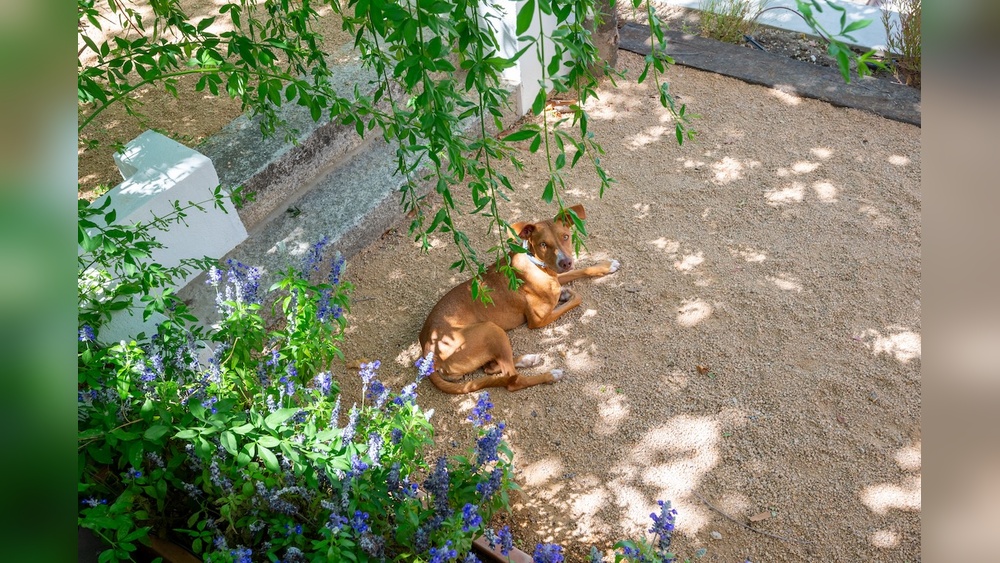
Choosing the best pea gravel for your dog is more important than you might think. You want a surface that is safe, comfortable, and easy to clean.
But with so many options out there, how do you know which one is right for your furry friend? You’ll discover exactly what makes pea gravel perfect for dogs and how to pick the best type for your yard. Keep reading to find out how to create a space your dog will love—and you’ll feel great about too.
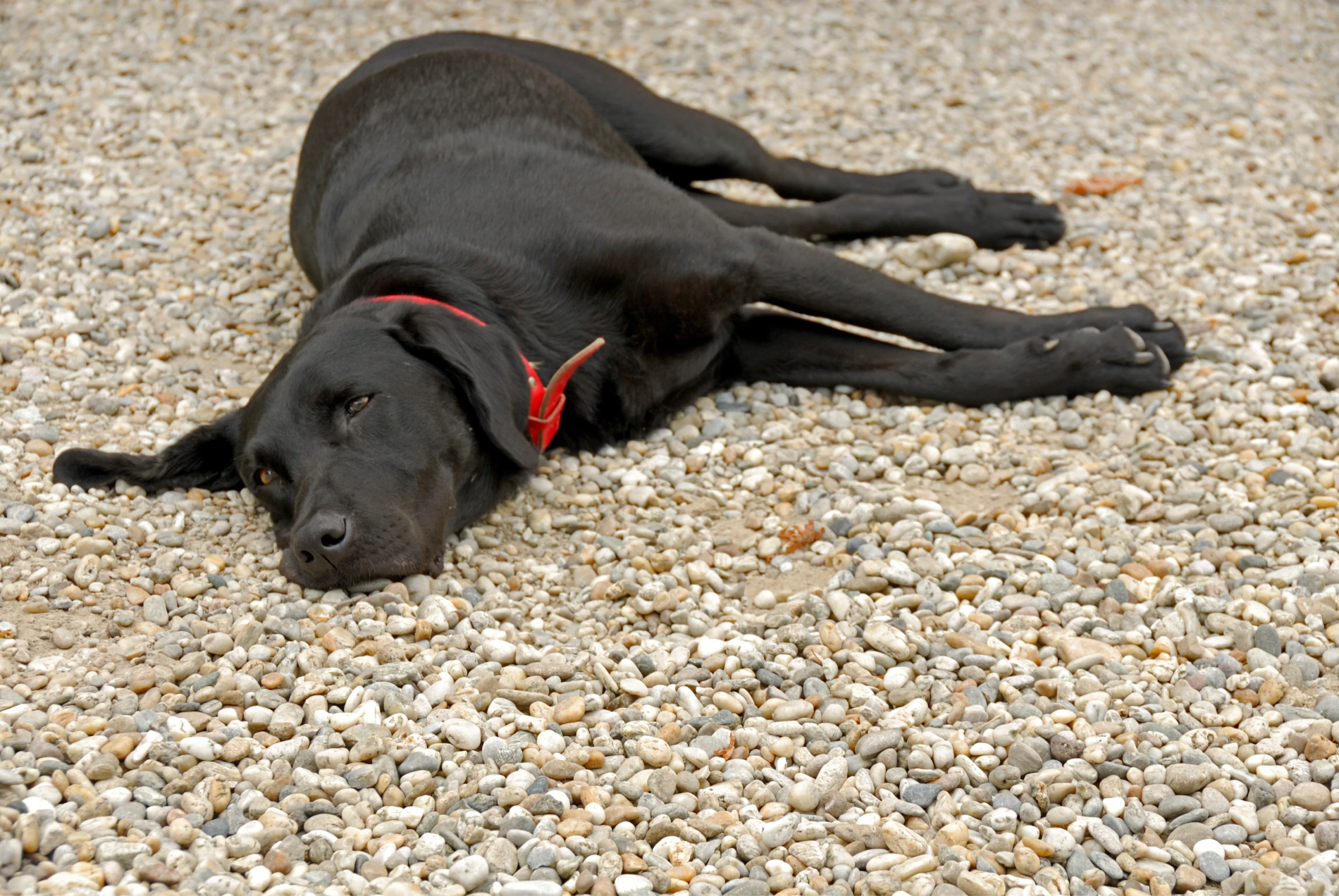
Credit: braytopsoilandgravel.com
Benefits Of Pea Gravel For Dogs
Pea gravel is a popular choice for dog owners. It offers many benefits that make outdoor spaces safer and cleaner for dogs. Its small, smooth stones provide a comfortable surface for dogs to walk and play on. Pea gravel also helps keep yards looking neat and reduces common problems with dirt and mud. Here are some key benefits of pea gravel for dogs.
Comfort And Safety
Pea gravel is soft on dogs’ paws. The small, round stones reduce sharp edges that can hurt paws. It provides good traction, which lowers slipping risks. Pea gravel is also gentle enough to prevent paw irritation or cuts. Dogs enjoy running and resting on this surface without discomfort.
Durability And Maintenance
Pea gravel lasts a long time outside. It does not break down or get crushed easily. This makes it a cost-effective ground cover for dog areas. Cleaning is simple because the stones don’t trap dirt or waste. Regular raking helps keep the area tidy. Pea gravel resists wear from digging and heavy use.
Drainage And Cleanliness
Pea gravel allows water to drain quickly. This prevents puddles and mud buildup around the yard. Good drainage keeps dogs dry and clean after rain. It also reduces odors by preventing standing water. Pea gravel helps keep dog areas hygienic and fresh.
Choosing Safe Pea Gravel
Choosing safe pea gravel for your dog is very important. It keeps your pet healthy and comfortable. Not all pea gravel is good for dogs. Some types can hurt their paws or cause health problems. Knowing what to pick helps you avoid risks. This section explains key points to consider when selecting pea gravel for your dog’s space.
Non-toxic Materials
Pick pea gravel made from natural, non-toxic stone. Avoid gravel with chemicals or coatings. Toxic materials can harm your dog if they lick or chew the stones. Natural stone like river rock or quartz is safer. Check the product label to confirm it is non-toxic. Safe materials protect your dog’s health.
Size And Texture Considerations
Choose pea gravel that is small but not too tiny. Stones about 1/4 to 3/8 inch are ideal. Small stones fit well under paws and reduce tripping risks. The texture should be smooth, not rough. Rough stones can irritate your dog’s paws. Smooth and rounded gravel is gentle and comfortable.
Avoiding Sharp Or Hazardous Stones
Steer clear of pea gravel with sharp edges. Sharp stones can cut your dog’s paws. Avoid gravel mixed with glass or metal pieces. These are dangerous and can cause injuries. Inspect the gravel before use. Safe pea gravel has no sharp or hazardous parts. This keeps your dog safe and happy.
Top Pea Gravel Types For Pets
Choosing the right pea gravel for dogs matters a lot. The surface needs to be safe, comfortable, and durable. Different types of pea gravel offer various benefits for your pet’s outdoor space. Understanding these options helps you pick the best fit for your yard and your dog’s needs.
Here are the top pea gravel types that work well for pets.
Natural River Pea Gravel
Natural river pea gravel is smooth and round. The stones have gentle edges, perfect for dogs’ paws. This type reduces the risk of cuts and scrapes. It drains water well, so the area stays dry and clean. The natural colors blend nicely with garden spaces.
Crushed Stone Options
Crushed stone pea gravel is angular and rougher than river gravel. It provides good traction for dogs running and playing. This gravel compacts well, making a firm surface. It is a great choice for areas needing stability. Keep in mind, the edges may be sharp for sensitive paws.
Recycled Gravel Choices
Recycled gravel comes from crushed concrete or asphalt. It is eco-friendly and affordable. This gravel offers good drainage and sturdy footing. The texture varies but usually feels rough. It is a practical option for budget-conscious pet owners. Check for any harmful materials before use.
Credit: doodledoods.com
Installation Tips For Dog Areas
Installing pea gravel in dog areas requires careful steps. Proper installation ensures safety and comfort for your dog. It also helps keep the gravel stable and clean for a long time. Follow these simple tips to create a durable dog-friendly space.
Preparing The Ground
Clear the area of grass, roots, and debris. Dig down about 3 to 4 inches to remove loose soil. Level the ground to avoid puddles and uneven spots. Use a rake to smooth the surface for a firm base.
Laying A Stable Base
Spread a layer of landscape fabric to stop weeds from growing. Add 2 to 3 inches of crushed stone or coarse sand. Compact this layer using a tamper or plate compactor. This base prevents gravel from sinking or shifting over time.
Spreading And Leveling Gravel
Pour pea gravel evenly over the prepared base. Aim for a depth of 2 to 3 inches for comfort and drainage. Use a rake to spread the gravel smoothly across the area. Check for low spots and fill them to keep the surface even.
Maintaining Pea Gravel Spaces
Maintaining pea gravel spaces for dogs keeps the area clean and safe. Regular care helps avoid problems like bad smells and uneven surfaces. Simple steps make pea gravel last longer and stay comfortable for your pet.
Regular Cleaning Practices
Remove leaves, dirt, and debris from the gravel often. Use a rake or broom to keep the surface even. Raking stops gravel from clumping and helps water drain better. Clean the area at least once a week to avoid buildup.
Dealing With Odors And Waste
Pick up dog waste daily to prevent odors and bacteria. Wash the gravel with water after waste removal. Use a pet-safe cleaner to kill germs and reduce smells. Let the gravel dry fully before letting your dog back in.
Refilling And Replacing Gravel
Check the gravel level regularly as it can thin out over time. Add new pea gravel to fill bare spots and keep a soft surface. Replace old gravel every few years to avoid dirt buildup. Fresh gravel looks better and feels nicer for dogs.
Alternatives To Pea Gravel
Pea gravel is popular for dog areas, but not the only choice. Several alternatives offer different benefits and textures. These options can suit different needs and preferences for pet owners.
Artificial Turf
Artificial turf looks like real grass but needs less care. It stays green all year and drains water well. Dogs enjoy its soft surface that is easy on paws. Cleaning is simple, usually with water or mild soap. It does not get muddy or attract insects.
Wood Chips And Mulch
Wood chips and mulch provide a natural feel for dog yards. They help control mud and absorb odors. These materials are soft and safe for dogs to walk on. Choose untreated wood to avoid harmful chemicals. They break down over time, so replacement is needed.
Rubber Mulch
Rubber mulch comes from recycled tires and lasts long. It cushions dogs’ paws and reduces noise when they run. This mulch drains well and prevents mud buildup. Rubber mulch does not attract insects or mold easily. It is a durable and clean option for pet spaces.

Credit: www.southwestboulder.com
Frequently Asked Questions
What Is The Best Type Of Pea Gravel For Dogs?
The best pea gravel for dogs is smooth, rounded, and 3/8 inch in size. It is gentle on paws and prevents injuries. Choose natural, non-toxic, and dust-free pea gravel to ensure safety and comfort for your pets.
Is Pea Gravel Safe For Dogs To Walk On?
Yes, pea gravel is safe for dogs to walk on. Its smooth texture protects paws from cuts and irritation. It also offers good drainage, keeping outdoor areas dry and clean, reducing the risk of infections or slipping.
How Does Pea Gravel Benefit Dog Play Areas?
Pea gravel improves drainage, reducing mud and odors in play areas. It’s durable and easy to clean, providing a comfortable surface for dogs. It also helps prevent digging, keeping your yard neat and safe for pets.
Can Pea Gravel Cause Harm To Dogs If Ingested?
Pea gravel is generally non-toxic but can cause choking or digestive blockages if swallowed. Always supervise your dog around gravel and discourage ingestion. Consult a vet immediately if your pet swallows gravel to avoid health risks.
Conclusion
Choosing the right pea gravel keeps your dog safe and happy. Smooth, clean gravel stops paws from getting hurt. It also drains water well, keeping the area dry. Your dog will enjoy playing on soft, natural ground. Easy to clean gravel saves you time and effort.
Pick gravel that fits your dog’s size and activity. This simple step makes outdoor spaces better for pets. A good choice means less mess and more fun for dogs. Quality pea gravel helps maintain a healthy, comfortable yard.


