Is your dog constantly scratching, biting, or licking their skin? If so, you’re not alone—and you want to find a solution that truly works.
Skin allergies can make your furry friend uncomfortable and restless, but the right oils could offer soothing relief. You’ll discover the best oils for dog skin allergies that can help calm irritation and improve your dog’s skin health naturally. Keep reading to learn how these oils can make a real difference for your pet’s comfort and happiness.

Credit: www.pethonesty.com
Common Causes Of Dog Skin Allergies
Dog skin allergies cause itching, redness, and discomfort. Understanding the causes helps in managing these allergies better. Many factors trigger skin problems in dogs. Some come from the environment, others from food or pests. Knowing these common causes aids in choosing the best oils for dog skin allergies.
Environmental Triggers
Pollen, dust, and mold often cause skin allergies in dogs. These allergens stick to the skin and fur. Dogs scratch and bite their skin to relieve itching. Grass and trees can also trigger reactions. Cleaning your dog’s bedding and living area reduces exposure to these triggers.
Dietary Factors
Food allergies affect many dogs with skin problems. Common culprits include beef, dairy, and wheat. These ingredients cause an immune response in sensitive dogs. Symptoms include itching, redness, and hair loss. Switching to hypoallergenic or limited ingredient diets helps reduce symptoms.
Flea Allergies
Flea bites cause intense itching and skin irritation. Some dogs are allergic to flea saliva. Even one flea bite can cause severe reactions. Flea control is essential to prevent these allergies. Regular treatments and cleaning your home keep fleas away.
Signs Your Dog Has Skin Allergies
Skin allergies in dogs can cause discomfort and distress. Recognizing the signs early helps you provide relief quickly. Watch your dog’s behavior and skin closely. Notice any changes that could indicate allergies.
Itching And Scratching
Dogs with skin allergies often itch more than usual. They scratch their skin with paws or rub against furniture. This constant itching irritates their skin and worsens the problem. Pay attention if your dog scratches a lot in one spot.
Redness And Inflammation
Red, inflamed skin is a clear sign of allergies. The affected areas might look swollen or warm to touch. This happens because the skin reacts to allergens and becomes irritated. Look for patches of red skin, especially where your dog scratches frequently.
Hair Loss And Dry Skin
Allergies can cause your dog’s hair to fall out in patches. The skin may also become dry, flaky, or scaly. These changes make your dog’s coat look unhealthy. Check for thin fur or rough skin spots that feel different than usual.
Benefits Of Using Natural Oils
Natural oils provide gentle care for dogs with skin allergies. These oils work with the skin’s natural barrier. They help soothe, heal, and protect sensitive skin. Using natural oils avoids harsh chemicals that might irritate your dog’s skin further. Many oils also contain vitamins and fatty acids that support skin health. Regular use can improve your dog’s comfort and skin condition.
Soothing Irritated Skin
Natural oils calm redness and itching quickly. They form a protective layer on the skin. This layer keeps out irritants and helps skin stay moist. Oils like coconut and chamomile reduce discomfort. Your dog feels relief from constant scratching and biting. This soothes the skin gently without harsh treatments.
Reducing Inflammation
Inflammation is common in allergic skin reactions. Natural oils contain anti-inflammatory properties. Oils such as lavender and tea tree oil lower swelling and redness. They cool the skin and reduce pain. This supports faster recovery and less discomfort. Using these oils can reduce the need for strong medications.
Promoting Healing
Natural oils speed up skin repair. They provide nutrients that help skin cells grow. Oils rich in vitamin E nourish damaged skin. They help close wounds and prevent infections. Regular oil application strengthens the skin’s barrier. This leads to healthier skin that resists future allergies better.
Top Oils For Dog Skin Allergies
Oils can soothe and heal dog skin allergies naturally. They help reduce itching and inflammation. Some oils also improve skin health and coat shine. Here are the top oils for dog skin allergies.
Coconut Oil
Coconut oil fights bacteria and fungi on the skin. It moisturizes dry patches and reduces redness. Apply a small amount to your dog’s skin or add it to food. It is gentle and safe for most dogs.
Fish Oil
Fish oil is rich in omega-3 fatty acids. These fats lower skin inflammation and itching. Regular use can improve coat softness and reduce shedding. Fish oil capsules or liquid are easy to give.
Olive Oil
Olive oil soothes irritated skin and adds moisture. It contains antioxidants that protect skin cells. Rub olive oil on affected areas to calm allergies. It also supports overall skin health.
Lavender Oil
Lavender oil has calming and antibacterial properties. It helps reduce skin redness and itching. Dilute it well before applying to avoid irritation. Lavender oil can relax your dog and ease discomfort.
Tea Tree Oil
Tea tree oil fights bacteria and fungal infections. Use only diluted tea tree oil on your dog’s skin. It can clear up hot spots and rashes. Avoid using too much to prevent skin irritation.
How To Apply Oils Safely
Applying oils safely on your dog’s skin is very important. Oils can help soothe allergies, but wrong use may cause irritation. Follow careful steps to protect your dog’s skin and health. Learn how to test and apply oils correctly for best results.
Patch Testing
Start with a patch test. Apply a small drop of oil on a tiny skin area. Wait 24 hours and watch for redness or swelling. No reaction means the oil is safe. If you see irritation, do not use that oil on your dog.
Dilution Tips
Never use oils directly on your dog’s skin. Always dilute oils with a carrier oil like coconut or olive oil. A safe ratio is usually one drop of essential oil to ten drops of carrier oil. This reduces the risk of burns and discomfort.
Application Methods
Use clean hands or a soft cloth to apply the oil mixture. Gently rub the oil on the affected skin areas. Avoid sensitive zones like eyes, nose, and mouth. Apply oils once or twice a day depending on your vet’s advice.
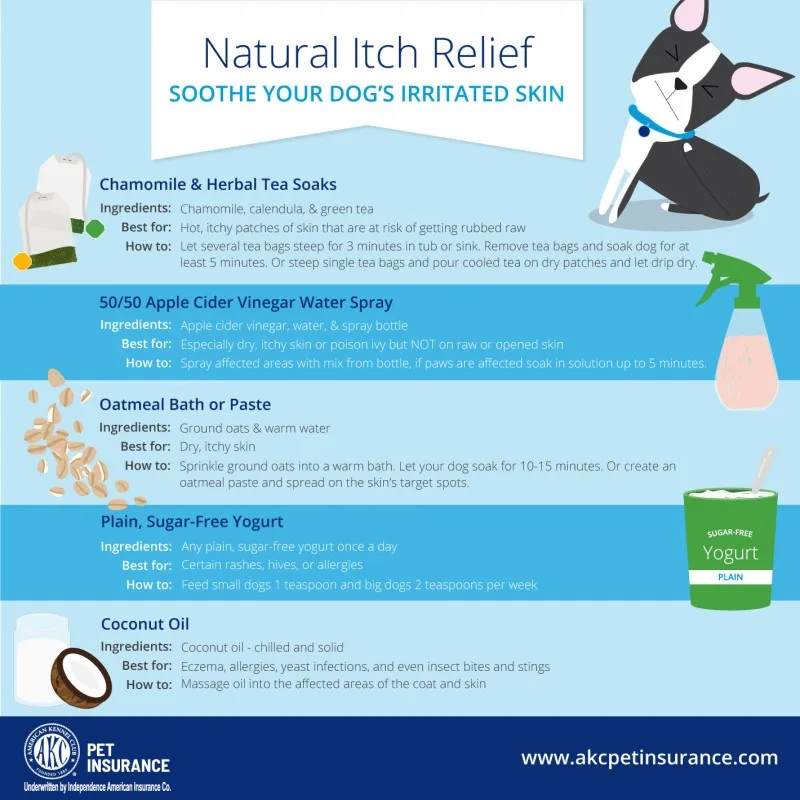
Credit: www.akcpetinsurance.com
Dietary Supplements To Support Skin Health
Dietary supplements play a key role in supporting dog skin health. They help reduce itching and inflammation caused by allergies. Supplements can improve the skin’s barrier and boost its natural defenses. Regular use of certain oils and nutrients can make a big difference.
Omega-3 Fatty Acids
Omega-3 fatty acids are essential for healthy skin and coat. They reduce inflammation and soothe irritated skin. Fish oil is a common source of omega-3s for dogs. These fatty acids help keep the skin moisturized and less itchy. Omega-3s also support the immune system to fight allergies.
Vitamin E
Vitamin E acts as a powerful antioxidant for the skin. It helps repair damaged skin cells and protects against harm. This vitamin improves skin hydration and reduces dryness. Vitamin E supplements can calm redness and speed healing. It works well alongside omega-3 fatty acids for better results.
Probiotics
Probiotics balance the bacteria in your dog’s gut. A healthy gut supports strong skin health. These supplements improve digestion and reduce allergic reactions. Probiotics can lower inflammation that causes skin problems. Including probiotics helps maintain overall wellness and comfort for your dog.
When To See A Veterinarian
Knowing when to see a veterinarian is important for your dog’s health. Skin allergies can cause discomfort and lead to bigger problems. Some signs mean you should get professional help quickly. Early care can prevent serious issues and ease your dog’s pain.
Persistent Symptoms
Allergy symptoms lasting more than two weeks need a vet’s check. Constant itching, redness, or hair loss can signal a deeper problem. Home treatments may not work for long-term issues. A vet can find the exact cause and suggest better care.
Severe Allergic Reactions
Watch for sudden swelling, difficulty breathing, or vomiting. These signs show a serious allergic reaction. Immediate veterinary care is critical. Quick treatment can save your dog’s life and reduce suffering.
Secondary Infections
Scratching can cause wounds that get infected. Look for pus, bad smells, or crusty skin patches. Infections need vet-prescribed medicine to heal properly. Untreated infections can spread and cause more harm.

Credit: www.amazon.com
Frequently Asked Questions
What Oils Are Best For Dog Skin Allergies?
Omega-3 and Omega-6 fatty acids oils like fish oil and flaxseed oil are best. They reduce inflammation and soothe itchy skin. Coconut oil also helps by moisturizing and healing irritated patches. Always consult a vet before starting any oil treatment for your dog.
How Do Oils Help With Dog Skin Allergies?
Oils help by moisturizing dry skin and reducing inflammation. They support skin barrier repair and decrease itching. Essential fatty acids in oils improve overall coat health. Using oils regularly can lead to less scratching and faster allergy relief.
Can I Use Coconut Oil For My Dog’s Skin Allergies?
Yes, coconut oil is safe and effective for dog skin allergies. It has antibacterial and anti-inflammatory properties. Apply it topically or add a small amount to your dog’s diet. However, use it in moderation and consult your vet for proper dosage.
Are Fish Oils Beneficial For Allergic Dogs?
Fish oils are highly beneficial due to their rich Omega-3 content. They help reduce skin redness, itching, and inflammation. Regular supplementation can improve your dog’s coat health and immune response. Ensure you choose a high-quality, vet-approved fish oil product.
Conclusion
Choosing the right oil can help soothe your dog’s itchy skin. Natural oils like coconut and fish oil reduce inflammation and heal faster. Always test a small amount first to check for reactions. Consistency matters; use oils regularly for best results.
Healthy skin means a happier, more comfortable dog. Talk to your vet before starting new treatments. Simple steps make a big difference in managing skin allergies. Keep your dog’s coat shiny and irritation-free with the best oils.