If your dog is constantly scratching, licking, or showing signs of discomfort, you know how tough it can be to watch them suffer. Allergies in dogs are more common than you might think, and finding the right solution can make all the difference.
What if there was a simple, natural way to ease your dog’s itching and improve their skin health? Choosing the best oil for dog allergies could be the key to bringing your furry friend relief and comfort. Keep reading to discover which oils work best and how they can help your dog feel better fast.
Common Causes Of Dog Allergies
Dog allergies cause itching, redness, and discomfort. Understanding the causes helps in finding the best oil for dog allergies. Allergies arise from different triggers in a dog’s environment and diet.
Environmental Triggers
Dust, pollen, and mold often cause dog allergies. These particles float in the air and settle on skin. Dogs breathe or touch these irritants. This contact can cause itching and rashes. Clean living areas can reduce these allergens.
Food Sensitivities
Some dogs react to certain foods. Common culprits include beef, dairy, and wheat. Food allergies can cause stomach upset and skin problems. A vet can help find the problem food. Switching to a special diet may ease symptoms.
Flea Allergies
Flea bites trigger strong allergic reactions in many dogs. Flea saliva causes intense itching and skin inflammation. Even a few bites can cause trouble. Regular flea control helps prevent these allergies. Keep your dog and home flea-free.

Credit: www.amazon.com
Signs Of Allergies In Dogs
Dogs can suffer from allergies just like people. These allergies show up in different ways. Recognizing the signs early helps your dog get the right care. Watch closely for changes in your dog’s behavior or skin. These clues point to allergies and need attention quickly.
Skin Irritation And Itching
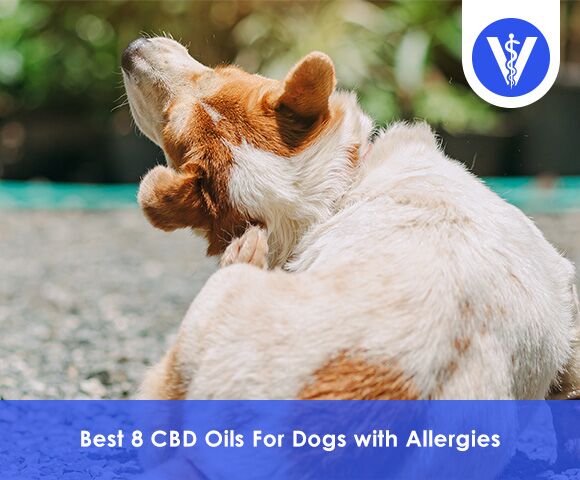
One of the most common signs of allergies in dogs is skin irritation. Your dog may scratch, bite, or lick certain areas often. Red, inflamed skin or small bumps might appear. Hair loss can happen from constant scratching. These symptoms usually show on the paws, belly, and face.
Ear Infections
Allergies can cause ear problems in dogs. Look for redness or swelling inside the ears. Your dog may shake its head or scratch the ears a lot. A bad smell or dark discharge can mean infection. Ear infections happen because allergies make the ears sensitive and inflamed.
Digestive Issues
Some dogs show allergies through their stomach and digestion. Vomiting or diarrhea can occur regularly. Your dog might lose weight or have less appetite. Gas or bloating can also be signs. These problems happen when the body reacts badly to certain foods or substances.
Benefits Of Natural Oils For Allergies
Natural oils offer a gentle way to ease dog allergies. These oils come from plants and work with your dog’s body. They help reduce symptoms without harsh chemicals. Using natural oils can improve your dog’s comfort and health. The benefits go beyond just relief.
Anti-inflammatory Properties
Many natural oils reduce swelling and redness. This helps calm irritated skin caused by allergies. Oils like coconut and chamomile have strong anti-inflammatory effects. They lower discomfort and stop the itch cycle. This makes your dog feel better faster.
Soothing Effects On Skin
Natural oils moisturize dry, flaky skin gently. They create a protective barrier to stop dryness. Oils such as aloe vera and jojoba soothe irritated areas. This helps heal wounds and reduces redness. Soft, healthy skin means less scratching and pain.
Boosting Immune Response
Certain natural oils support the immune system. They help your dog fight allergens more effectively. Oils like oregano and tea tree can improve immune health. A stronger immune system means fewer allergy flare-ups. This keeps your dog healthier over time.
Top Oils To Soothe Dog Allergies
Dog allergies can cause itching, redness, and discomfort. Natural oils often help calm these symptoms. Oils have soothing and healing properties. They can reduce inflammation and support skin health.
Here are some of the best oils to soothe dog allergies. Each oil offers unique benefits for your pet’s well-being.
Coconut Oil
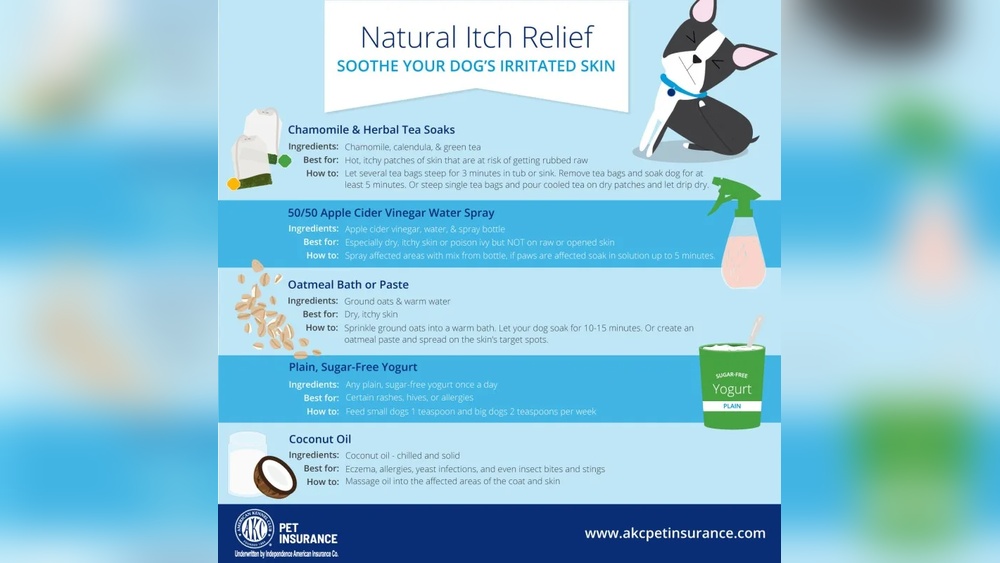
Coconut oil is popular for dog skin care. It moisturizes dry, itchy skin quickly. It has antibacterial and antifungal effects. Coconut oil can also improve your dog’s coat. Use it as a topical treatment or add small amounts to food.
Fish Oil
Fish oil contains omega-3 fatty acids. These fats reduce inflammation and ease allergy symptoms. Fish oil supports healthy skin and shiny fur. Regular use may lower allergy flare-ups. Give fish oil as a supplement after consulting a vet.
Lavender Oil
Lavender oil soothes irritated skin and calms your dog. It has gentle antiseptic properties. Use diluted lavender oil for topical relief. Avoid applying directly on broken skin. Its calming scent can also reduce anxiety in allergic dogs.
Chamomile Oil
Chamomile oil is known for its calming effects. It helps reduce redness and swelling. This oil can relieve itching and promote healing. Use chamomile oil in a diluted form on affected areas. It is safe and gentle for most dogs.
Neem Oil
Neem oil fights bacteria and fungi on the skin. It helps control itching and irritation. Neem oil supports healthy skin barrier function. Always dilute neem oil before use. It works well for dogs with persistent allergies.
How To Use Oils Safely On Dogs
Using oils on dogs can help ease allergy symptoms safely. Oils must be handled with care. The right method keeps your dog safe and comfortable. Learn how to dilute, apply, and dose oils properly. This ensures the best results without harm.
Proper Dilution Techniques
Always dilute essential oils before using on dogs. Use a carrier oil like coconut or olive oil. Mix a few drops of essential oil with a tablespoon of carrier oil. This lowers the oil’s strength and reduces skin irritation. Test a small area first to check for reactions.
Application Methods
Apply oils gently to your dog’s skin or fur. Avoid sensitive areas like eyes, nose, and mouth. Use a cotton ball or your hands for spreading the oil. Massage lightly to help absorption. Spraying diluted oil on bedding can help, but avoid direct skin contact.
Frequency And Dosage
Start with a small amount once a day. Observe your dog’s reaction before increasing use. Most dogs respond well to oils used 2-3 times weekly. Never exceed recommended doses on product labels. Consistency is key, but less is often more with oils.

Credit: www.amazon.com
Precautions And Potential Side Effects
Using oils for dog allergies can help, but it requires care. Oils may cause side effects or allergic reactions in some dogs. Knowing the risks helps keep your pet safe and healthy.
Allergic Reactions To Oils
Dogs can be allergic to certain oils. Signs include itching, redness, or swelling. Watch for coughing or trouble breathing. Stop using the oil if these signs appear. Test a small area before full use.
Consulting A Veterinarian
Always ask a vet before giving oils to your dog. Vets know which oils are safe and which are risky. They can suggest the right dose and use. This reduces the chance of harm or side effects.
Avoiding Toxic Oils
Some oils are toxic to dogs, like tea tree and pennyroyal. These can cause serious illness or death. Use only oils known to be safe for dogs. Research each oil carefully before use.
Additional Natural Remedies For Allergies
Natural remedies can help ease your dog’s allergy symptoms. Oils are great, but other methods support your pet’s health too. These natural solutions can reduce itching, redness, and discomfort. Using them together may give better results.
Herbal Supplements
Herbal supplements like turmeric and chamomile calm inflammation. They help soothe your dog’s skin and reduce itchiness. Always check with a vet before starting supplements. Some herbs may not suit all dogs.
Dietary Changes
Changing your dog’s diet can lower allergy reactions. Try hypoallergenic or limited-ingredient foods. These diets avoid common allergens like beef or wheat. Fresh fruits and vegetables add vitamins that boost immunity.
Regular Grooming
Regular grooming removes allergens from your dog’s coat. Bathing with mild, hypoallergenic shampoos helps clear irritants. Brushing daily prevents buildup of pollen and dust. Grooming also keeps skin healthy and reduces flare-ups.
Credit: total.vet
Frequently Asked Questions
What Is The Best Oil For Dog Allergies?
Fish oil is the best oil for dog allergies. It contains omega-3 fatty acids that reduce inflammation and itching. It supports skin health and improves coat condition, helping allergic dogs feel comfortable and itch-free.
How Does Coconut Oil Help With Dog Allergies?
Coconut oil soothes irritated skin and fights bacteria. It hydrates dry patches and reduces redness. Applied topically or added to food, it enhances skin barrier function, easing allergy symptoms in dogs effectively.
Can Essential Oils Treat Dog Allergies Safely?
Some essential oils like lavender and chamomile can calm allergic reactions. However, many essential oils are toxic to dogs. Always consult a vet before use to ensure safety and avoid harmful effects.
How Much Fish Oil Should I Give My Allergic Dog?
The recommended dose is about 1000 mg per 10 pounds of body weight daily. Start with a lower dose and gradually increase while monitoring your dog’s response. Always check with your vet first.
Conclusion
Choosing the right oil can help ease your dog’s allergy discomfort. Natural oils like coconut and fish oil support healthy skin and reduce itching. Always check the ingredients and consult your vet before use. Consistency matters; regular application brings the best results.
Watch your dog closely for any reactions during treatment. A calm, itch-free pet means happier days for both of you. Taking small steps can lead to big improvements in your dog’s health. Keep learning and caring for your furry friend every day.