
Are you dreaming of a big dog without the constant mess of shedding fur? You’re not alone.
Finding a large dog that stays clean and low-maintenance can feel impossible. But what if you could enjoy all the love and loyalty of a big dog, without worrying about fur covering your furniture and clothes? In this guide, you’ll discover the best non-shedding big dogs that fit perfectly into your life.
Keep reading to find your perfect furry companion who won’t leave a trail of hair behind.
Traits Of Non Shedding Big Dogs
Non shedding big dogs have special traits that make them popular. These dogs fit well in homes where allergies are a concern. They do not drop much hair, keeping the house cleaner. Their size adds companionship and protection without the mess of shedding.
Understanding these traits helps in choosing the right big dog for your family. It also shows why these dogs are loved by many people. Let’s explore their key traits in detail.
Low-allergy Qualities
Non shedding big dogs produce fewer allergens. Their coats trap dander instead of releasing it into the air. This reduces allergic reactions for sensitive people. These dogs often have hair that grows slowly. It means less loose fur and fewer allergens around.
Shedding Patterns
These big dogs shed very little or not at all. Their hair grows continuously like human hair. Old hair is replaced gradually, not dropped all at once. This makes grooming easier and less frequent. You will notice less fur on furniture and clothes.
Temperament And Family Suitability
Non shedding big dogs usually have calm and friendly temperaments. They are great with children and other pets. These dogs enjoy being part of family activities. Their gentle nature makes them good protectors without aggression. They adapt well to indoor living and family routines.
:strip_icc()/GettyImages-146871254-f014d1d3455546e3b9c70d272a8d3e0e.jpg)
Credit: jbyam.com
Top Non Shedding Large Dog Breeds
Big dogs bring joy and protection to many homes. Some large breeds shed a lot, which can bother people. Non shedding large dogs are perfect for those who want less mess. They keep your house cleaner and cause fewer allergy problems.
Here are some top non shedding large dog breeds. Each has a unique look and friendly nature. They fit well in active families and quiet homes alike.
Standard Poodle
The Standard Poodle is smart and elegant. This breed has curly hair that traps loose fur. It does not shed much, making it great for allergy sufferers. Poodles are active and love to learn tricks. They need regular grooming to keep their coat healthy.
Giant Schnauzer
The Giant Schnauzer is strong and loyal. Its dense, wiry coat sheds very little. This breed makes a good guard dog and family companion. Giant Schnauzers enjoy exercise and mental challenges. Regular brushing helps keep their coat clean.
Portuguese Water Dog
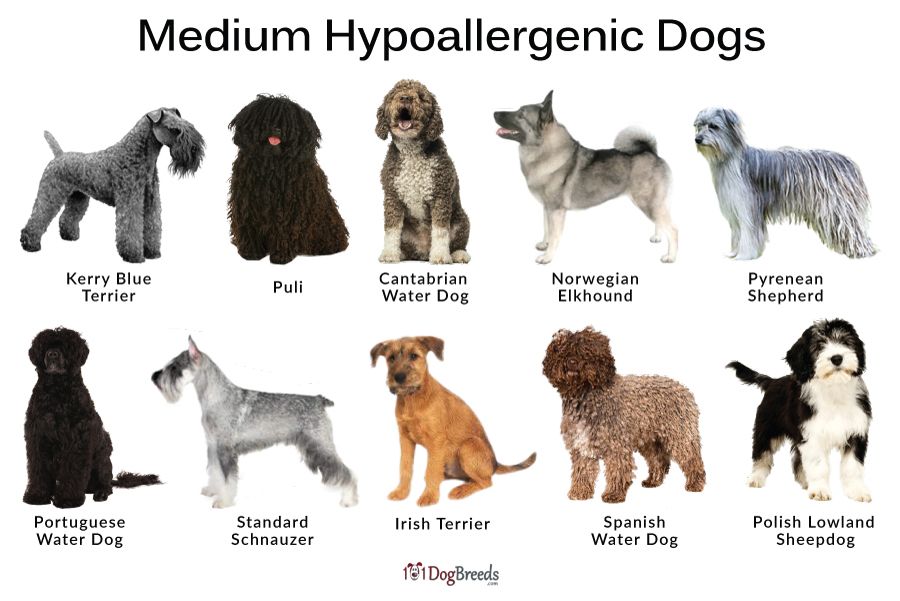
Portuguese Water Dogs have curly, waterproof coats. They shed very little, making them easy to manage indoors. These dogs are friendly and love water activities. They need daily exercise and grooming to stay happy.
Irish Water Spaniel
The Irish Water Spaniel has a curly, dense coat. It sheds minimally and resists water well. This breed is playful and enjoys swimming. Irish Water Spaniels need regular grooming to avoid mats.
Bouvier Des Flandres
Bouviers have thick, coarse coats that shed little. They are strong, calm, and protective. This breed works well with families and farms. Their coat needs regular brushing to prevent tangles.
Health Considerations For Large Non Shedding Dogs
Large non shedding dogs make great pets for many families. They often need special health care. These dogs have unique needs because of their size and coat type. Understanding their health helps keep them happy and strong. This section covers important health points for big non shedding breeds.
Common Health Issues
Large dogs often face joint problems like hip dysplasia. This causes pain and trouble walking. Heart disease is common in some big breeds. Some non shedding dogs may have skin allergies. Watch for signs like itching or redness. Regular vet checks can catch problems early.
Lifespan Expectations
Large dogs usually live between 8 and 12 years. Non shedding breeds may live a bit longer with good care. Genetics and diet affect how long they live. Healthy weight and exercise can add years. Know your dog’s breed to expect a healthy lifespan.
Preventive Care Tips
Feed a balanced diet made for large dogs. Exercise your dog daily to keep muscles strong. Regular grooming helps spot skin problems early. Schedule annual vet visits for vaccines and health checks. Use joint supplements if your vet suggests them.
:strip_icc()/GettyImages-1204183728-52153d591a6940379e7d3f4dd6f58f69.jpg)
Credit: institutkaori.ch
Training And Socialization Tips
Training and socialization are key for big dogs that do not shed much. These dogs need clear guidance to grow into well-behaved pets. Early and consistent training helps prevent behavior problems. Socialization builds confidence and reduces fear or aggression. Big dogs require patience and positive methods to learn well.
Early Socialization Importance
Start socializing your dog as early as possible. Introduce them to new people, animals, and places. This helps them feel safe in different situations. Puppies that meet many friends are less likely to be scared or aggressive. Socialization shapes a friendly and calm adult dog.
Obedience Training Techniques
Use simple commands like sit, stay, and come. Keep training sessions short and fun. Reward good behavior with treats or praise. Avoid harsh punishment as it may cause fear. Consistency is key; practice daily for best results. Teaching basic obedience improves control and safety.
Managing Energy Levels
Big dogs need regular exercise to stay calm. Walks, playtime, and mental challenges help burn energy. Tired dogs behave better and feel happier. Balance activity with rest to avoid stress. Managing energy prevents destructive habits and promotes good health.
Grooming Needs For Low-allergy Giants
Big dogs that shed less are great for allergy sufferers. Their grooming needs differ from other breeds. Proper care keeps them healthy and comfortable. Understanding these needs helps you maintain their coat and skin well.
Low-allergy big dogs often have unique coats. Their grooming routines focus on cleanliness and reducing allergens. Regular care prevents matting and skin problems. This section explains key grooming steps for these gentle giants.
Coat Maintenance
Brush your dog’s coat regularly to remove loose hair. Use the right brush for their fur type. This stops tangles and mats from forming. Brushing also spreads natural oils for a shiny coat. It helps reduce allergens in the home.
Bathing Frequency
Bath your dog every few weeks or as needed. Use gentle, hypoallergenic shampoo to protect their skin. Overbathing can dry out their coat and cause irritation. A clean dog feels better and smells fresh. Proper bathing controls dander and reduces allergens.
Professional Grooming Benefits
Professional groomers have tools and skills for big dogs. They trim fur to keep the coat manageable and neat. Groomers check for skin issues or parasites during sessions. Regular visits help maintain your dog’s health. Grooming salons offer special care for low-allergy breeds.
Credit: vermontmarblemuseum.org
Choosing The Right Big Dog For Your Family
Choosing the right big dog for your family takes thought and care. Big dogs need space, time, and love. Not every large breed fits every home. Some dogs shed a lot, which can cause extra work and allergies. Non-shedding big dogs offer a cleaner, easier option. They still need exercise and attention, but shed less fur. This makes them a great fit for many families. Consider your lifestyle, home size, and allergy concerns. Finding the best match helps everyone live happily together.
Lifestyle Compatibility
Think about your daily routine. Big dogs need regular walks and playtime. Some breeds are very active and need more exercise. Others are calm and enjoy relaxing indoors. Choose a dog that matches your energy level. A calm dog fits families with a quiet lifestyle. Active dogs suit those who enjoy outdoor activities. Your dog should fit naturally into your daily life. This keeps both you and the dog happy.
Space Requirements
Big dogs need room to move and stretch. A small apartment may feel cramped for some breeds. Large yards or open spaces are better for bigger dogs. They enjoy running and playing outside. Make sure your home has enough space for your dog’s size. This helps prevent stress and destructive behavior. A comfortable space keeps your dog healthy and relaxed.
Allergy Management Strategies
Non-shedding dogs produce less dander, reducing allergies. Still, some families need extra steps to stay comfortable. Regular grooming helps keep fur and dander down. Use air purifiers to clean indoor air. Wash dog bedding often to remove allergens. Clean floors and furniture regularly. These actions reduce allergic reactions and improve home air quality. Managing allergies is easier with the right dog and habits.
Frequently Asked Questions
Which Big Dog Breeds Shed The Least?
Big breeds like the Standard Poodle, Portuguese Water Dog, and Giant Schnauzer shed very little. These dogs have hair that grows continuously and doesn’t shed like fur. They require regular grooming but are great for allergy sufferers and those wanting less mess at home.
Are Non-shedding Big Dogs Hypoallergenic?
Many non-shedding big dogs are considered hypoallergenic because they release fewer allergens. However, no dog is 100% hypoallergenic. Breeds like the Bouvier des Flandres and Kerry Blue Terrier produce less dander, making them better choices for allergy-sensitive owners.
How Often Do Non-shedding Big Dogs Need Grooming?
Non-shedding big dogs typically need grooming every 4 to 8 weeks. Regular brushing helps prevent mats and keeps coats healthy. Grooming also controls dander and reduces shedding, maintaining the dog’s hypoallergenic qualities and overall hygiene.
Can Non-shedding Big Dogs Live In Apartments?
Yes, many non-shedding big dogs adapt well to apartment living if exercised daily. Breeds like the Standard Poodle are intelligent and trainable, needing mental stimulation. Adequate physical activity and space management are key for their well-being in smaller homes.
Conclusion
Choosing a big dog that sheds less can make life easier. These dogs help keep your home cleaner. They suit people with allergies or busy lifestyles. Each breed has its own needs and personality. Spend time learning about them before deciding.
Big, non-shedding dogs can be loving family members. Enjoy the company without constant fur cleanup. Find the right fit, and happiness follows.


