Are you tired of your dog eating poop and don’t know how to stop it? You’re not alone.
Many dog owners struggle with this unpleasant habit, and it can be frustrating and worrying. But there’s good news—there are effective no poop eating deterrents that can help change your dog’s behavior for the better. You’ll discover the best solutions that are safe, easy to use, and actually work.
Keep reading to find out how you can protect your dog’s health and enjoy a cleaner, happier home.

Credit: www.amazon.com
Why Dogs Eat Poop
Dogs sometimes eat poop, a behavior called coprophagia. It may seem strange or gross to us. Understanding why dogs do this helps owners manage the problem. Several reasons explain this behavior, from habits to health issues. Knowing the cause guides the choice of the best deterrent.
Behavioral Reasons
Dogs explore the world using their mouths. Puppies often try eating poop out of curiosity. Some dogs copy this behavior from others. Stress or boredom can increase this habit. Dogs left alone too long may eat poop to get attention. Cleaning the yard quickly can reduce chances of this behavior.
Nutritional Deficiencies
Dogs might eat poop if their diet lacks nutrients. Missing vitamins or minerals can cause this. Some dogs try to get nutrients from stool. Poor-quality food or irregular feeding schedules can lead to deficiencies. Feeding balanced, high-quality food helps stop this habit. Always check your dog’s diet for proper nutrition.
Medical Causes
Certain health problems can cause poop eating. Parasites or digestive issues may play a role. Dogs with diabetes or poor absorption might eat stool. Veterinarians can test for these medical causes. Treating the illness often stops the behavior. Regular vet visits keep your dog healthy and happy.
Risks Of Poop Eating
Poop eating, also called coprophagia, is a common but troubling behavior in dogs. It poses several risks that affect your dog’s health and your home’s cleanliness. Understanding these risks helps you protect your dog and keep your living space safe.
Health Hazards
Eating poop exposes dogs to harmful bacteria and parasites. These can cause stomach upset, vomiting, and diarrhea. Some parasites can lead to serious infections that need veterinary care. Poop from other animals may carry diseases not found in your dog’s body. This behavior weakens your dog’s immune system over time.
Hygiene Concerns
Poop eating spreads germs inside your home. Dogs can carry bacteria on their fur and paws after eating poop. This increases the risk of contamination on furniture and floors. It also makes your dog’s breath and coat smell unpleasant. Keeping your home clean becomes more difficult with this habit.
Emotional Impact On Owners
Seeing your dog eat poop can be upsetting and frustrating. It may cause feelings of embarrassment during walks or visits to the park. Owners often worry about their dog’s health and hygiene. This behavior can strain the bond between you and your pet. Many owners feel helpless without clear solutions.
Top Deterrent Products
Stopping dogs from eating poop is a common challenge for many pet owners. Several products help make this habit less appealing to dogs. These products work by changing the taste or digestion process. Choosing the right deterrent can make training easier and more effective.
Here are some top deterrent products that many dog owners trust and use successfully.
Taste Aversion Sprays
Taste aversion sprays coat the poop with a bitter or unpleasant flavor. Dogs dislike the taste and avoid eating it. These sprays are easy to use and safe for most dogs. Apply the spray directly to fresh poop for best results. Regular use helps dogs learn to leave poop alone.
Digestive Enzyme Supplements
Digestive enzyme supplements help break down poop in the dog’s stomach. This reduces the smell and taste that attract dogs. These supplements support digestion and can improve overall health. Feed them with your dog’s food daily. Over time, dogs lose interest in eating their poop.
Bitter Tablets
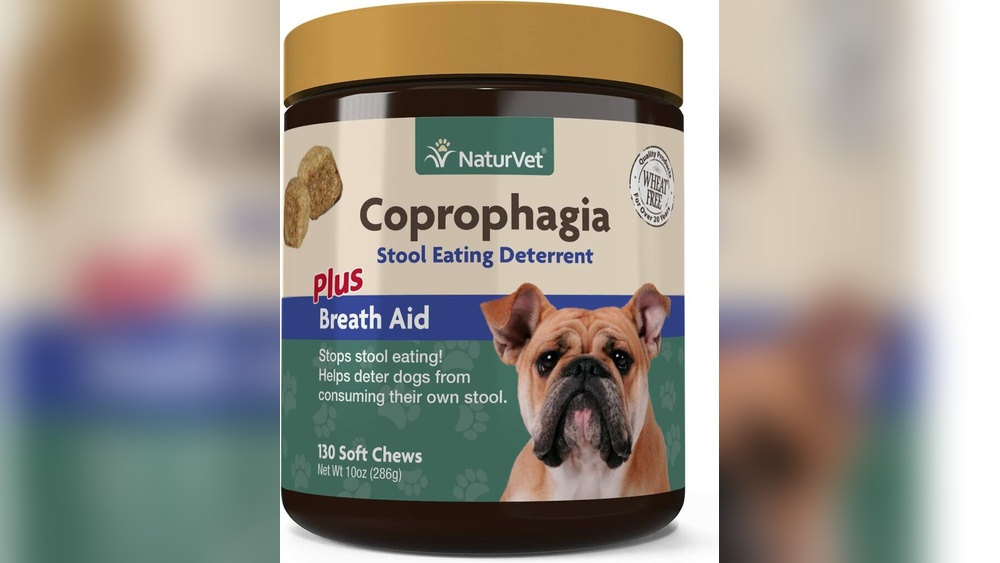
Bitter tablets are chewable treats that make poop taste bad from inside the dog’s body. They contain natural ingredients that create a bitter taste in the poop. Dogs usually stop eating poop after trying these tablets for a few days. Tablets are simple to give and work well for many dogs.
Natural Remedies
Natural remedies offer gentle ways to stop dogs from eating poop. These methods use safe ingredients found in many homes. They work by making the poop taste bad or less appealing. Using natural solutions avoids harsh chemicals and keeps your dog healthy.
Adding Pineapple Or Pumpkin
Pineapple and pumpkin help change the taste of your dog’s poop. Adding small amounts to their food can discourage poop eating. Pineapple contains enzymes that make the poop less tasty. Pumpkin adds fiber, improving digestion and stool quality. Both are safe and easy to include in daily meals.
Using Apple Cider Vinegar
Apple cider vinegar can help reduce poop eating habits. Adding a little vinegar to water or food changes the poop’s smell and taste. Dogs usually dislike this new smell and avoid eating it. Start with small doses to ensure your dog accepts the change. It supports digestion and boosts gut health too.
Herbal Solutions
Herbs like parsley and peppermint can deter poop eating. These herbs add strong flavors to the dog’s food or water. Dogs often avoid poop with these scents. Parsley also freshens breath and supports digestion. Peppermint calms the stomach and keeps dogs comfortable.
Training Techniques
Training techniques play a key role in stopping dogs from eating poop. These methods help teach your dog better habits. Consistency and patience are important. The right approach can change your dog’s behavior for good.
Positive Reinforcement
Reward your dog for good behavior. Use treats or praise when your dog ignores poop. This builds a strong link between good actions and rewards. Always reward immediately. This helps your dog understand what you want.
Never punish your dog for eating poop. Punishment can cause fear or confusion. Focus on encouraging positive habits instead.
Distraction Methods
Keep your dog busy during walks or playtime. Use toys or commands to shift focus away from poop. Teach your dog to respond to “leave it” or “come” commands. This helps prevent unwanted eating.
Distraction works best if you act quickly. Notice when your dog shows interest in poop. Then give a command or offer a toy right away.
Consistent Cleanup
Remove poop from your yard or walk areas fast. This lowers chances your dog will find something to eat. Clean spaces reduce temptation and help keep habits clean.
Ask family members or neighbors to help with cleanup. A shared effort keeps the environment safe for your dog.

Credit: masdmediterraneo.com
When To Consult A Vet
Knowing when to consult a vet about your dog’s poop eating is important. Some cases need expert help to keep your dog healthy and happy. This section explains key signs that show it is time to see a vet. Watch your dog’s behavior closely. Early action can prevent bigger problems.
Persistent Behavior
Dogs may try eating poop sometimes. This can be normal for puppies or young dogs. But if the habit lasts for weeks or months, it is a concern. Persistent poop eating can harm your dog’s health. It may cause infections or stomach issues. A vet can check for underlying causes. Do not ignore long-lasting behavior.
Suspected Health Issues
Eating poop might signal health problems. Parasites, digestive troubles, or nutrient deficiencies can cause this. Your dog might eat poop to get missing nutrients. Watch for weight loss, vomiting, or diarrhea. These signs mean your dog needs a health check. A vet can run tests and suggest treatments. Early diagnosis improves recovery chances.
Professional Guidance
Vets offer advice and solutions for poop eating. They can recommend safe deterrents and diet changes. Some dogs need behavior training or medication. A professional can tailor plans for your dog’s needs. Don’t hesitate to ask questions or seek help. Expert guidance supports your dog’s well-being and stops bad habits.
Preventing Poop Eating Long-term
Stopping your dog from eating poop is a challenge. It needs patience and a clear plan. Long-term success depends on changing daily habits and surroundings. Several key steps can help prevent this behavior for good.
Diet Optimization
Good nutrition reduces your dog’s urge to eat poop. Feed high-quality food with all needed nutrients. Sometimes dogs eat poop because of missing vitamins. Adding fiber can help your dog feel full. Talk to your vet about the best diet plan. Avoid table scraps that encourage bad habits.
Regular Exercise
Exercise keeps your dog healthy and busy. Tired dogs are less likely to eat poop out of boredom. Daily walks and playtime improve mood and behavior. Mental exercise, like training, also helps. A well-exercised dog stays focused and calm.
Environmental Management
Keep your dog’s space clean and safe. Remove poop quickly from your yard and kennel. Use barriers or leashes to control where your dog goes. Avoid places with other dogs’ waste. This limits your dog’s chances to eat poop. Supervision during outside time is important too.
Credit: healthysolutionsforpets.com
Frequently Asked Questions
What Is The Best Deterrent To Stop Dogs Eating Poop?
The best deterrent combines taste aversion products and consistent training. Products like bitter sprays or additives make poop unappealing. Positive reinforcement encourages good behavior. Consistency and patience are key for lasting results.
How Do No Poop Eating Deterrents Work?
These deterrents make feces taste unpleasant to dogs. They contain safe, bitter ingredients that discourage chewing or eating. Over time, dogs associate poop with bad taste and avoid it, reducing the habit effectively.
Are No Poop Eating Deterrents Safe For Dogs?
Yes, most deterrents are vet-approved and safe when used correctly. Always follow product instructions carefully. Consult your vet if your dog has health issues or unusual reactions to the deterrent.
Can Training Alone Stop Dogs From Eating Poop?
Training helps but may not be enough alone. Combining deterrents with training improves success. Reward-based training teaches dogs to avoid poop. Consistency and supervision support behavior change effectively.
Conclusion
Stopping dogs from eating poop needs patience and care. Choose a deterrent that works best for your dog’s habits. Consistency is key to helping your dog learn new behavior. Watch your dog closely during walks and playtime. Reward good behavior to encourage positive changes.
Remember, every dog is different, so results may vary. Keep trying, and soon your dog will avoid this habit. Healthy habits lead to a happier, cleaner pet and home.