Are you feeding your dog a homemade diet and wondering if they’re getting all the nutrients they need? Making meals from scratch shows your love, but it can be tricky to cover every vitamin and mineral.
Without the right balance, your furry friend might miss out on vital nutrients that keep them healthy and happy. That’s where the best multivitamin for dogs on a homemade diet comes in. Keep reading to discover how the right supplement can fill the gaps in your dog’s nutrition and boost their well-being every day.
Benefits Of Multivitamins For Dogs
Multivitamins help fill nutrition gaps in a dog’s diet. They provide essential vitamins and minerals that homemade meals may miss. This support keeps dogs healthy and active every day.
Adding multivitamins can boost overall well-being. They help maintain strong bones, shiny coats, and good digestion. Dogs feel better and enjoy life more.
Nutrient Gaps In Homemade Diets
Homemade diets often miss key nutrients dogs need. Vitamins like D, E, and B-complex may be low or absent. Minerals such as calcium and zinc might also be insufficient.
Multivitamins fill these gaps safely. They provide balanced nutrients to avoid deficiencies. This keeps dogs from developing health problems over time.
Improved Immune Support
Vitamins support the immune system’s ability to fight illness. Vitamins C and E act as antioxidants. They protect cells and help reduce infections.
Multivitamins strengthen natural defenses. Dogs become less prone to sickness. They recover faster from common infections and stress.
Enhanced Energy And Vitality
Multivitamins help dogs maintain good energy levels. B vitamins support metabolism and convert food into energy. This keeps dogs lively and playful.
Improved nutrition also supports muscle health and stamina. Dogs feel stronger during walks and playtime. Their overall vitality improves significantly.

Credit: villageatoakwood.com
Essential Nutrients For Dogs
Dogs need many nutrients to stay healthy, especially on a homemade diet. Essential nutrients support their energy, growth, and immune system. Homemade meals can lack some important vitamins and minerals. Understanding these nutrients helps you choose the best multivitamin for your dog.
Vitamins Every Dog Needs
Vitamins are crucial for your dog’s body functions. Vitamin A supports eye health and skin. B vitamins help with energy and brain function. Vitamin D helps bones absorb calcium. Vitamin E acts as an antioxidant. Vitamin K is important for blood clotting. A balanced intake of these vitamins keeps dogs strong.
Key Minerals For Health
Minerals build strong bones and teeth. Calcium and phosphorus work together for bone health. Iron helps carry oxygen in the blood. Zinc supports the immune system and skin. Magnesium is important for muscle and nerve function. Sodium and potassium keep the body’s fluids balanced. Proper mineral levels are vital for overall health.
Role Of Fatty Acids
Fatty acids help the brain and coat stay healthy. Omega-3 and Omega-6 support skin and reduce inflammation. These fats also improve heart health. Dogs cannot make enough fatty acids themselves. Including these in their diet or supplement is important. Healthy fats keep dogs active and shiny.
Choosing The Right Multivitamin
Choosing the right multivitamin for dogs on a homemade diet is very important. Homemade meals might miss some key nutrients. A good multivitamin helps fill those gaps. It supports your dog’s health and energy. Understanding what to look for makes the choice easier. Here are some key points to consider.
Ingredients To Look For
Pick multivitamins with essential vitamins like A, D, and E. They support vision, bones, and skin health. Minerals such as calcium, zinc, and iron are vital too. Omega fatty acids help with coat shine and joint health. Probiotics improve digestion. Natural ingredients are better than synthetic ones.
Avoiding Harmful Additives
Check labels for artificial colors, flavors, or preservatives. These can cause allergies or upset your dog’s stomach. Avoid multivitamins with fillers like corn or wheat. These offer no nutritional value. Steer clear of products with high sugar or salt. These can harm your dog’s health.
Formulation Types And Dosage
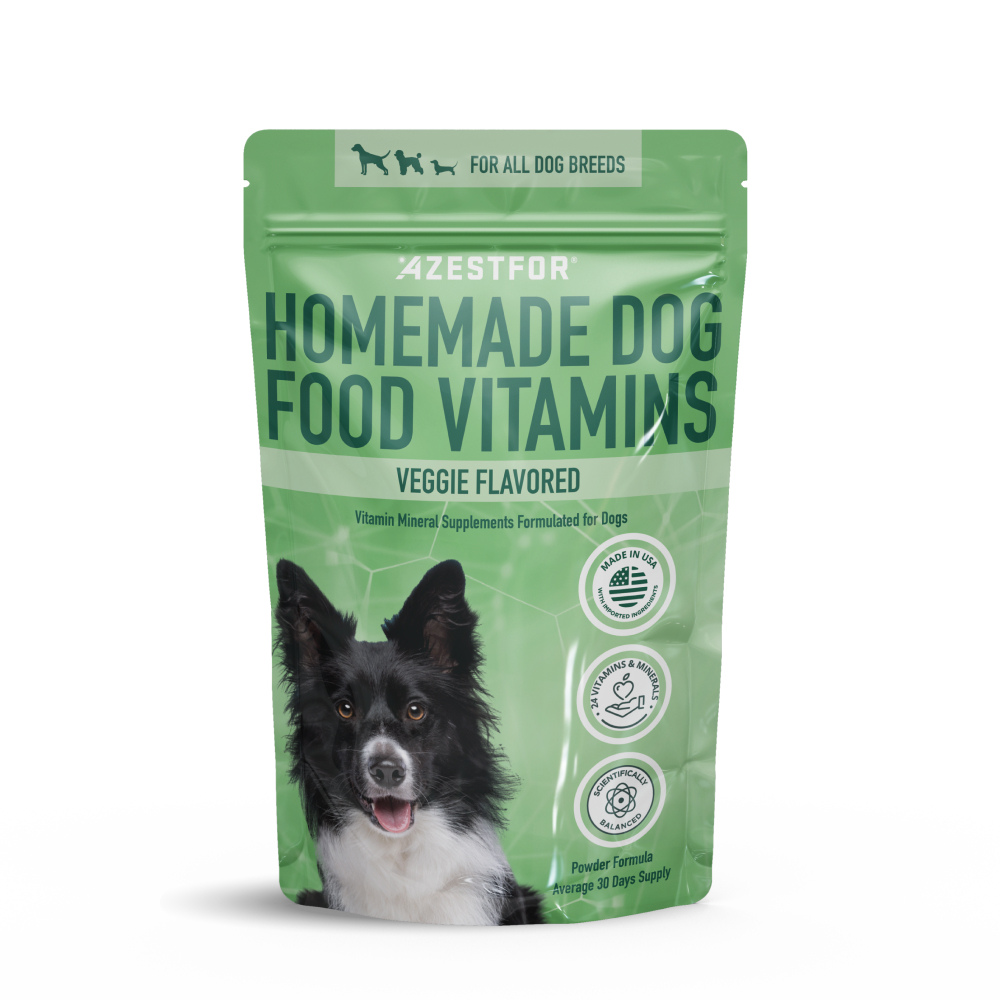
Multivitamins come in chews, powders, and liquids. Choose a form your dog will accept easily. Follow the dosage instructions carefully. Overdosing can cause health problems. Under-dosing may not provide enough nutrients. Consult your vet to find the right dose for your dog’s size and needs.
Credit: azestfor.com
Top Multivitamin Brands For Homemade Diets
Supplementing homemade meals for your dog ensures they get all the nutrients. Homemade diets may lack some vitamins and minerals. Adding a multivitamin can fill these gaps. Knowing how to supplement properly keeps your dog healthy and happy. Follow clear steps for safe and effective supplementation.
Safe Dosage Guidelines
Always follow the dosage on the multivitamin label. Overdosing can harm your dog’s health. Under-dosing may not provide enough nutrients. Start with the lowest recommended dose. Adjust only after consulting a vet. Use a precise measuring tool for accuracy. Avoid guessing or eyeballing doses.
Timing And Frequency
Give multivitamins with meals to improve absorption. Split doses if the label suggests multiple times daily. Consistency helps your dog’s body use vitamins better. Avoid giving vitamins on an empty stomach. Pick a routine time so you don’t forget. Keep the schedule simple and steady.
Monitoring Your Dog’s Response
Watch your dog closely after starting supplements. Look for changes in energy, coat, or digestion. Stop supplements if you see unusual symptoms. Consult your vet if you notice any problems. Regular check-ups help track your dog’s health. Adjust supplements based on your vet’s advice.
How To Supplement Homemade Meals
Dogs on homemade diets may miss some essential nutrients. This lack can cause health problems over time. Recognizing signs your dog needs a multivitamin helps keep them healthy. Watch your dog closely for changes in behavior and health.
Common Deficiency Symptoms
Look for dull or dry coat. This often signals vitamin or mineral shortage. Weakness and low energy can also show nutrient gaps. Your dog might limp or have trouble walking. Poor appetite and slow healing wounds are other signs. Digestive issues like diarrhea or vomiting may appear. Sometimes dogs suffer from frequent infections or bad breath. These symptoms point to missing vitamins or minerals.
When To Consult A Vet
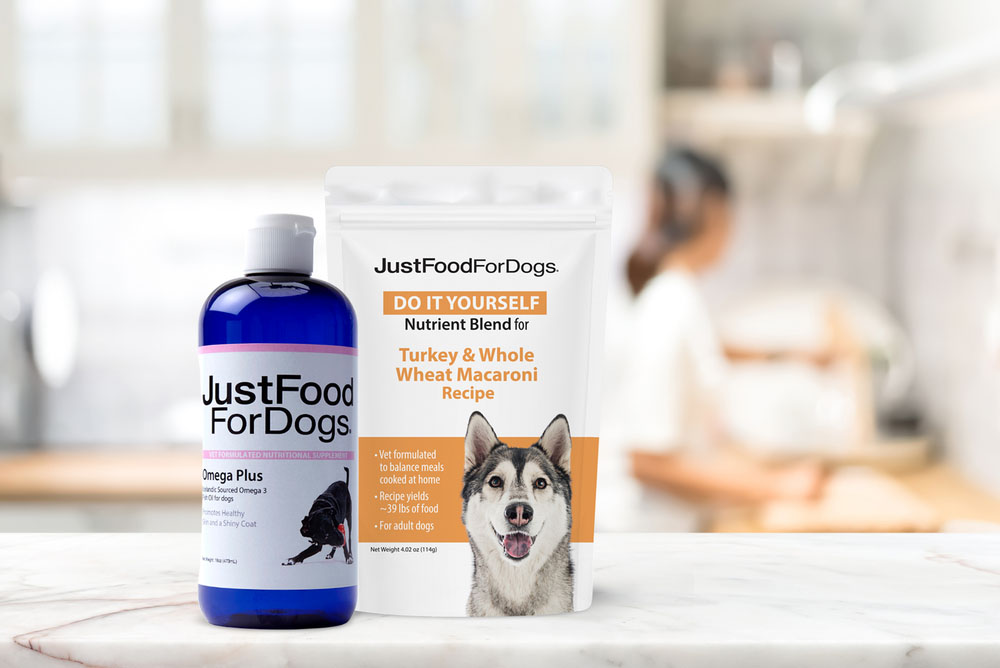
Contact your vet if symptoms last more than a few days. Sudden changes in behavior or eating should prompt a visit. Your vet can run tests to find deficiencies. They recommend the right multivitamin for your dog’s diet. Never give supplements without professional advice. Proper guidance ensures your dog gets balanced nutrition safely.
Credit: www.melocanadavisa.com
Frequently Asked Questions
What Is The Best Multivitamin For Dogs On Homemade Diets?
The best multivitamin for dogs on homemade diets is one that complements their specific nutritional gaps. It should provide essential vitamins, minerals, and antioxidants. Look for products with balanced calcium, vitamin D, and omega fatty acids to support overall health and energy.
Why Do Dogs On Homemade Diets Need Multivitamins?
Homemade diets often lack complete nutrients, especially vitamins and minerals. Multivitamins fill these gaps, preventing deficiencies. They support immune health, bone strength, and coat quality. Supplementing ensures your dog gets balanced nutrition for optimal growth and vitality.
How To Choose A Multivitamin For Homemade Dog Food?
Choose a multivitamin formulated for dogs, with natural ingredients and balanced nutrients. Check for calcium, vitamins A, D, E, and B-complex. Avoid artificial fillers. Consult your vet to tailor supplements to your dog’s specific diet and health needs.
Can Multivitamins Replace A Balanced Homemade Diet?
No, multivitamins cannot replace a balanced homemade diet. They are supplements meant to enhance nutrition, not substitute whole foods. A well-planned homemade diet is essential, and multivitamins fill nutritional gaps, ensuring your dog’s diet is complete and healthy.
Conclusion
Choosing the right multivitamin helps keep your dog healthy and strong. Homemade diets can miss important nutrients dogs need daily. A good multivitamin fills these gaps safely and naturally. Always check ingredients to suit your dog’s specific needs. Consult your vet before adding any supplement to your dog’s meal.
Regular vitamins support energy, coat shine, and overall well-being. Small steps like this improve your dog’s life. Healthy dogs are happy dogs. Simple and smart care makes a big difference.