
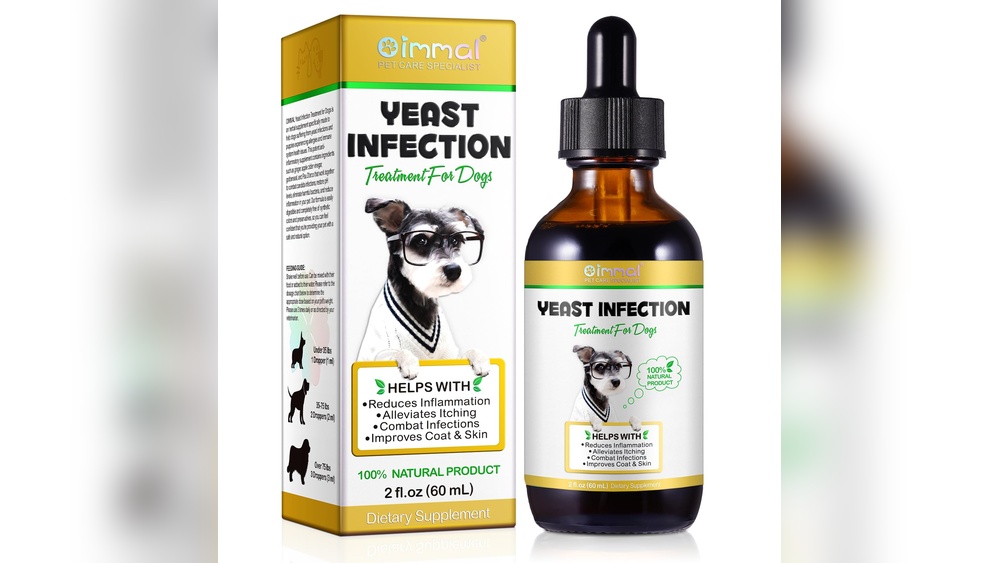
If your dog is scratching more than usual or has red, flaky skin, it could be a fungal infection. Finding the best medicine for dog fungal infection is crucial to help your furry friend feel comfortable again quickly.
You want a solution that works fast, is safe, and easy to use. You’ll discover effective treatments that veterinarians trust and tips to prevent future infections. Keep reading to learn how you can protect your dog’s health and bring back their happy, playful self.
Common Dog Fungal Infections
Fungal infections in dogs are common and can affect their skin, ears, and nails. These infections often cause discomfort and can worsen if left untreated. Knowing the signs and types of fungal infections helps protect your dog’s health. Early care leads to faster recovery and less stress for your pet.
Types Of Fungal Infections In Dogs
Dogs can get several types of fungal infections. Ringworm is a common one that causes circular patches of hair loss. Yeast infections often affect the ears and skin folds, causing redness and itching. Aspergillosis targets the nasal passages and can cause sneezing or nosebleeds. Other fungal infections may affect the nails and paw pads, leading to cracking or thickening.
Symptoms To Watch For
Look for signs like redness, itching, or hair loss on your dog’s skin. A strong odor from the ears or skin might indicate a yeast infection. Crusty or scaly patches and swelling are also common symptoms. If your dog scratches or licks a spot more than usual, it may have a fungal infection. Changes in behavior, like tiredness or loss of appetite, can also occur.
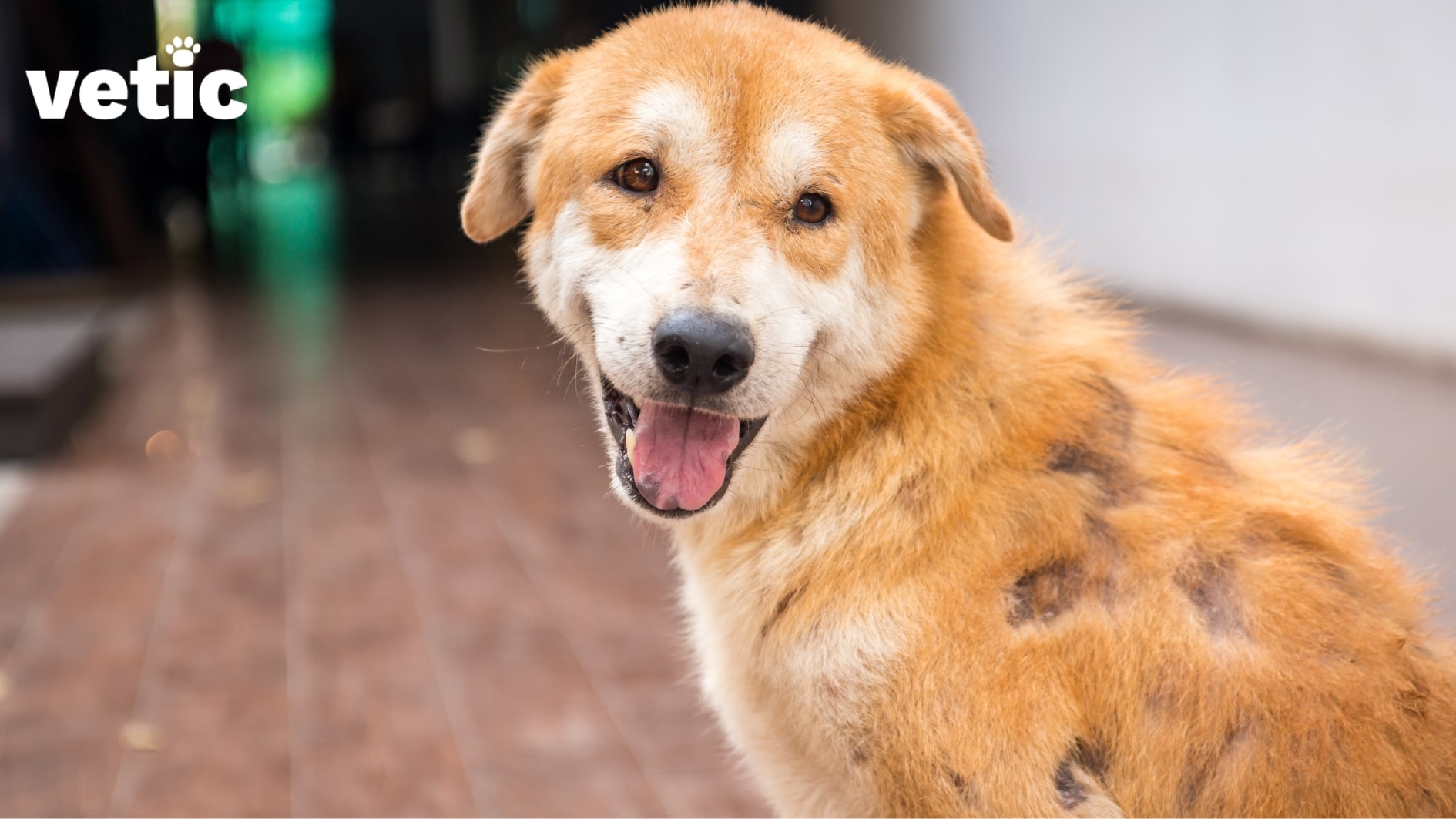
Credit: vetic.in
Top Antifungal Medications
Fungal infections in dogs need quick and effective treatment. Choosing the right antifungal medication is key. These medicines stop fungal growth and help your dog heal fast.
There are two main types of antifungal treatments. Some work by mouth, and others apply directly to the skin. Both types play an important role in fighting infections.
Oral Treatments
Oral antifungal medicines travel through the bloodstream. They reach infected areas that creams cannot. Common oral drugs include ketoconazole, itraconazole, and fluconazole.
These medicines often require a vet’s prescription. They help treat deep or widespread infections. Dosage and duration depend on the infection’s severity and your dog’s health.
Oral treatments may cause mild side effects like nausea. Always follow your vet’s instructions carefully for safe use.
Topical Options
Topical antifungals apply directly to the infected skin. They work best for mild or localized infections. Popular options include miconazole, clotrimazole, and chlorhexidine shampoos.
These medicines clean the skin and kill fungal spores. Regular application speeds up healing and reduces itching. Topical treatments often complement oral medications.
Use topical antifungals as directed to avoid irritation. They are safe and effective for most dogs.
Natural Remedies And Supplements
Natural remedies and supplements offer gentle options to help treat fungal infections in dogs. These choices support healing without harsh chemicals. They often improve your dog’s overall health too.
Using natural treatments can reduce itching and skin irritation. Many dog owners find relief through herbs and diet changes. These methods work alongside traditional medicine or alone for mild cases.
Herbal Treatments
Herbs like neem and chamomile help fight fungal growth. Neem has antifungal properties that soothe irritated skin. Chamomile reduces inflammation and calms discomfort. Aloe vera gel is another popular remedy. It cools the skin and speeds up healing. Always check with a vet before starting herbs to ensure safety.
Dietary Adjustments
Changing your dog’s diet can support the immune system. Feeding foods rich in omega-3 fatty acids helps reduce inflammation. Adding probiotics improves gut health and balances bacteria. Avoid sugary treats and processed foods, which can worsen infections. Fresh vegetables and lean proteins provide essential nutrients for skin repair.

Credit: www.amazon.com
Preventing Fungal Infections
Preventing fungal infections in dogs is key to keeping them healthy and comfortable. Fungal infections can cause itching, redness, and discomfort. Taking steps to prevent these infections reduces your dog’s risk of illness. It also helps avoid costly treatments and vet visits.
Hygiene Practices
Good hygiene is essential to stop fungal infections. Bathe your dog regularly using a gentle shampoo. Dry your dog well after baths or swimming to prevent moisture buildup. Clean your dog’s bedding and toys often. Trim hair around ears and paws to keep areas dry. Check your dog’s skin for signs of irritation or fungi.
Environmental Factors
Fungi thrive in warm, damp places. Keep your dog’s living area clean and dry. Avoid letting your dog stay in wet or muddy spots too long. Ensure proper ventilation in your home. Remove old leaves, grass, and debris from your yard. These steps help reduce fungal spores and protect your dog’s skin.
When To See A Veterinarian
Knowing when to see a veterinarian is important for your dog’s health. Fungal infections can start small but grow worse fast. Early treatment helps avoid pain and serious problems. Watch your dog closely and act quickly if signs worsen or do not improve.
Signs Of Severe Infection
Look for redness, swelling, or open sores on the skin. Bad smell or thick discharge can mean a strong infection. Your dog may scratch or lick the area often. Notice if your dog feels tired or loses appetite. These signs show the infection might be severe and needs vet care.
Diagnostic Procedures
The vet will check your dog’s skin and fur carefully. They may take a small skin sample for lab testing. This helps find the exact fungus causing the problem. Blood tests might be needed to check your dog’s overall health. Proper diagnosis guides the best treatment for your dog.
:strip_icc()/dog-yeast-infection-home-remedy-5089075-c4a877225d354e1d852c881db71a43a2.jpg)
Credit: www.thesprucepets.com
Frequently Asked Questions
What Is The Best Medicine For Dog Fungal Infections?
The best medicine depends on the fungal type. Common treatments include antifungal shampoos, oral medications like ketoconazole, and topical creams. Always consult a vet for accurate diagnosis and proper treatment to ensure safety and effectiveness.
How Long Does Treatment For Dog Fungal Infections Take?
Treatment duration varies but usually lasts 2 to 6 weeks. Persistent infections may require longer therapy. Follow the vet’s instructions carefully and complete the full course to prevent recurrence and ensure full recovery.
Can Fungal Infections In Dogs Be Treated At Home?
Mild fungal infections might be managed with vet-approved antifungal shampoos and topical creams. However, severe or persistent cases require veterinary diagnosis and prescription medications for effective treatment and to avoid complications.
Are Antifungal Shampoos Effective For Dog Fungal Infections?
Yes, antifungal shampoos help remove fungi from the skin surface and reduce symptoms. They work best combined with oral or topical medications prescribed by a vet for comprehensive treatment.
Conclusion
Treating your dog’s fungal infection needs care and patience. Choose medicine that suits your dog’s condition. Always follow your vet’s advice for the best results. Clean your dog’s environment to prevent infections. Watch for signs of improvement or any side effects.
Early treatment helps your dog heal faster. Keeping your dog healthy means fewer fungal problems. Stay alert and act quickly if symptoms return. Your dog deserves comfort and good health every day.


