
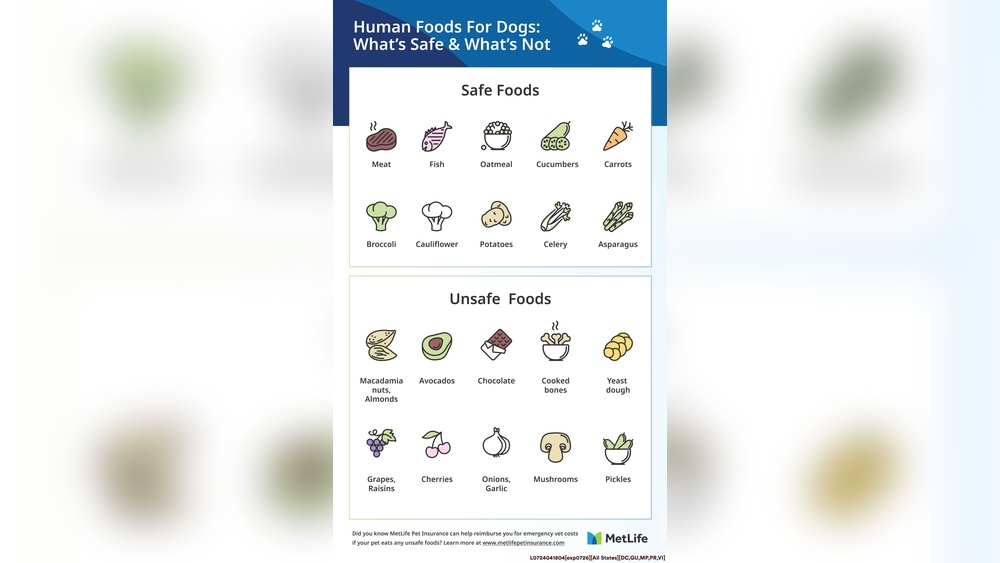
Choosing the best meat to give your dog can be tricky. You want to keep your furry friend healthy, happy, and full of energy.
But with so many options, how do you know which meat is truly the best? You’ll discover the top meats that provide the nutrients your dog needs. By the end, you’ll feel confident about making the right choice for your pet’s diet.
Keep reading—your dog’s health depends on it!

Credit: hakoya.co.jp
Benefits Of Meat In Dog Diets
Meat plays a key role in a dog’s diet. It supplies important nutrients that help dogs grow and stay strong. Dogs have evolved to eat meat, so it suits their digestive system well.
Including meat in your dog’s meals supports healthy muscles, skin, and energy. It also helps keep the immune system strong. Choosing the right type of meat can improve your dog’s overall health and happiness.
Essential Nutrients From Meat
Meat contains vital nutrients like proteins, fats, vitamins, and minerals. Proteins help build and repair muscles. Fats provide energy and keep the coat shiny. Meat also has iron, zinc, and B vitamins, which support blood health and brain function.
Meat And Canine Health
Feeding meat helps maintain a healthy weight and strong bones. It supports the immune system and promotes good digestion. Meat contains amino acids that are crucial for healing and growth. Fresh, high-quality meat reduces the risk of allergies and skin problems.
Protein Needs For Dogs
Dogs need protein for muscle strength and overall health. Meat provides complete protein with all essential amino acids. Active dogs and puppies require more protein for energy and development. Feeding the right amount of meat helps keep dogs fit and active.
Top Meat Choices For Dogs
Meat is an important part of a dog’s diet. It provides protein and essential nutrients. Dogs need high-quality meat for strong muscles and good health. Some meats suit dogs better than others. Here are the top meat choices for dogs that offer great nutrition and taste.
Chicken
Chicken is a favorite meat for many dogs. It is lean and easy to digest. It contains proteins that help build strong muscles. Chicken is also rich in vitamins like B6, which supports energy. Always cook chicken fully and remove bones before feeding.
Beef
Beef is a good source of iron and zinc. It helps keep your dog’s coat shiny and skin healthy. Beef has more fat than chicken, so feed in moderation. Choose lean cuts to avoid too much fat. Cook beef thoroughly to avoid bacteria.
Turkey
Turkey is another lean meat option. It is low in fat and high in protein. Turkey helps maintain muscle mass and supports the immune system. Avoid turkey skin, as it contains excess fat. Cook turkey well and remove bones before feeding.
Lamb
Lamb is a good choice for dogs with food allergies. It is rich in essential fatty acids and protein. Lamb supports healthy skin and a shiny coat. It is a bit fattier than chicken or turkey. Cook lamb fully and avoid seasoning.
Fish
Fish is full of omega-3 fatty acids. These fats help improve brain function and reduce inflammation. Salmon and whitefish are safe options for dogs. Always cook fish to avoid parasites. Remove all bones to prevent choking.
Meat To Avoid For Dogs
Choosing the right meat for your dog is very important. Some meats can harm your dog’s health. Avoiding certain types of meat keeps your dog safe and healthy.
Not all meats suit dogs. Some meats cause stomach problems or other health issues. Knowing which meats to avoid helps you make better choices for your dog’s diet.
Processed Meats
Processed meats like sausages, bacon, and deli slices contain many chemicals. These chemicals can upset your dog’s stomach. They also have high salt levels, which harm your dog’s kidneys and heart.
Dogs should not eat processed meats. These meats offer no real nutrition. They increase the risk of obesity and other diseases.
High-fat Cuts
High-fat cuts of meat, such as fatty pork or beef, can cause problems. Too much fat can lead to pancreatitis, a painful illness in dogs. Fatty meat also adds extra calories, causing weight gain.
Choose lean cuts instead. Lean meats are easier to digest and healthier for dogs.
Certain Organ Meats
Some organ meats, like liver and kidneys, contain high levels of vitamins and minerals. While small amounts are fine, too much can be toxic. Excessive liver can cause vitamin A poisoning.
Feed organ meats in moderation only. Avoid giving large quantities at once to protect your dog’s health.
Preparing Meat Safely
Preparing meat safely for your dog is very important. Raw or poorly cooked meat can cause health problems. Proper preparation protects your dog from bacteria and harmful substances. It ensures your dog enjoys tasty and healthy meals.
Cooking Methods
Cook meat thoroughly to kill harmful bacteria. Boiling, baking, and grilling are safe options. Avoid frying, as it adds unhealthy fats. Do not use spices or seasonings. Plain cooked meat is best for dogs.
Avoiding Harmful Additives
Many meats contain additives that harm dogs. Avoid salt, garlic, onion, and artificial preservatives. Always read labels before buying processed meat. Choose fresh, natural cuts without added chemicals. Safe meat keeps your dog healthy and happy.
Portion Control
Feed meat in small, balanced amounts. Too much meat can upset your dog’s stomach. Mix meat with other food for a complete diet. Adjust portions based on your dog’s size and activity. Proper portions support good digestion and energy.
Incorporating Meat Into Dog Meals
Meat is a great source of protein and essential nutrients for dogs. Adding meat to your dog’s meals can improve their health and energy. It also makes their food tastier and more appealing. Knowing how to include meat safely and effectively is important for your dog’s diet.
Here are some tips on incorporating meat into dog meals in a balanced and healthy way.
Mixing With Commercial Food
Mixing fresh meat with commercial dog food can enhance the meal’s nutrition. It adds protein and flavor, encouraging picky eaters to finish their food. Cut the meat into small pieces for easy mixing. Avoid using too much meat, as it can upset the balance of nutrients in the commercial food.
Raw Diet Considerations
Raw meat diets are popular for some dog owners. Raw meat must be fresh and handled carefully to avoid bacteria. Consult a vet before starting a raw diet. It needs to include bones, organs, and muscles to be complete. Raw diets require careful planning to prevent nutrient deficiencies and health risks.
Balancing With Other Nutrients
Meat alone does not provide all nutrients dogs need. Combine meat with vegetables, grains, and supplements for a full diet. This helps support digestion and overall health. Watch the portions to avoid too much fat or protein. Balanced meals keep your dog strong and healthy for years.

Credit: radio.egerton.ac.ke
Signs Of Meat Allergies In Dogs
Dogs can develop allergies to certain types of meat. These allergies affect their health and comfort. Recognizing the signs early helps you protect your dog. Watch for changes in behavior or skin condition. Identifying meat allergies is key to choosing the right diet.
Common Symptoms
Itching and scratching often indicate a meat allergy. Red, inflamed skin or hot spots can appear. Some dogs develop ear infections or chronic ear problems. Digestive issues like vomiting or diarrhea may also occur. Hair loss and excessive licking are common signs too.
Diagnosing Allergies
Veterinarians perform tests to find the allergy cause. They might suggest a food trial with limited ingredients. Blood tests or skin tests can help identify allergens. Diagnosis takes time but is important for treatment. Accurate diagnosis guides you to safe food choices.
Alternative Protein Sources
Some dogs tolerate fish or lamb better than chicken or beef. Novel proteins like rabbit, duck, or venison may work well. Plant-based proteins can be an option for some dogs. Rotating protein sources reduces allergy risks. Always introduce new proteins slowly and watch for reactions.

Credit: sccnetwork.in
Frequently Asked Questions
What Is The Healthiest Meat For Dogs To Eat?
Lean meats like chicken, turkey, and beef are healthiest for dogs. They provide essential protein and nutrients without excess fat. Avoid processed meats and always cook meat thoroughly to prevent harmful bacteria.
Can Dogs Eat Raw Meat Safely?
Raw meat can carry harmful bacteria, posing risks to dogs. Consult your vet before feeding raw diets. If feeding raw, ensure the meat is fresh, high-quality, and handled safely to reduce health risks.
Which Meats Should Be Avoided For Dogs?
Avoid processed meats like sausages, bacon, and deli meats. These contain high salt, preservatives, and additives harmful to dogs. Also, avoid fatty cuts that can cause digestive issues or pancreatitis in dogs.
How Much Meat Should I Feed My Dog Daily?
Meat should be part of a balanced diet, making up about 40-50% of daily food. Portion size depends on your dog’s size, age, and activity. Consult your vet to determine the right amount.
Conclusion
Choosing the best meat for your dog helps keep them healthy and happy. Dogs need protein from meats like chicken, beef, or turkey. Always pick fresh, plain meat without added spices or sauces. Cook meat well to avoid germs and stomach problems.
Avoid bones that can cause choking or damage. Remember, a balanced diet with the right meats supports strong muscles and energy. Feed your dog safe, clean meat and watch them thrive every day. Simple choices make a big difference in your dog’s life.


