
Choosing the best material for your dog’s water bowl might seem simple, but it can make a big difference in your pet’s health and happiness. You want something safe, durable, and easy to clean—because your dog deserves the best.
Imagine avoiding stains, bad smells, or harmful chemicals every time your furry friend takes a drink. Keep reading, and you’ll discover which materials protect your dog’s well-being and fit perfectly into your daily routine. This guide will help you make the smartest choice for your loyal companion.
Credit: www.nicetystainless.com
Popular Dog Bowl Materials
Choosing the right material for your dog’s water bowl is important. It affects cleanliness, durability, and your pet’s health. Several materials are popular among pet owners. Each has unique qualities that suit different needs. Understanding these can help you pick the best bowl for your dog.
Below are the common materials used for dog water bowls. Learn their benefits and drawbacks before making a choice.
Stainless Steel Benefits
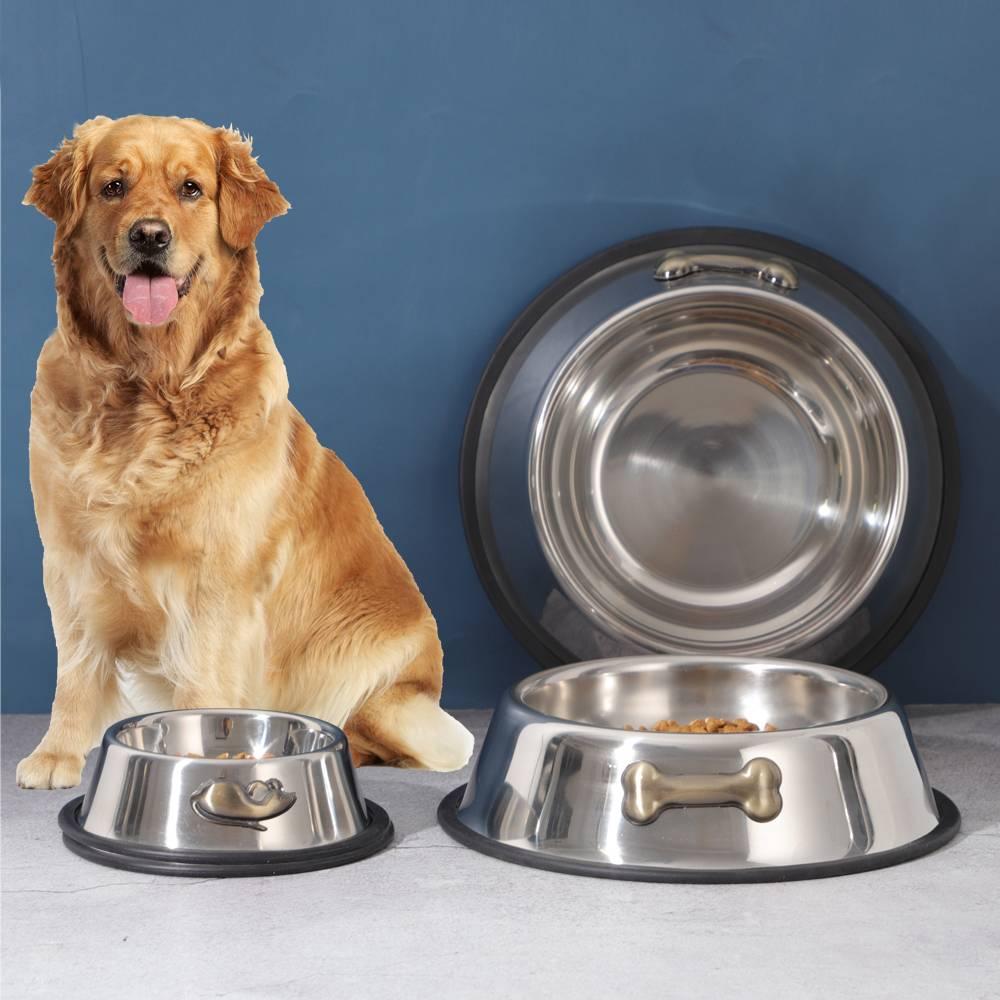
Stainless steel bowls are strong and last long. They do not rust or break easily. These bowls resist bacteria better than many other materials. Cleaning is simple; most can go in the dishwasher. Stainless steel also does not hold odors. Dogs usually like drinking from these bowls.
Ceramic Features
Ceramic bowls come in many colors and designs. They are heavier, so dogs won’t tip them over. Ceramic is safe if it is lead-free and glazed properly. These bowls keep water cool for longer. However, they can chip or crack if dropped. Regular cleaning is needed to avoid germs.
Plastic Pros And Cons
Plastic bowls are lightweight and affordable. They are easy to carry during travel. Some dogs may chew plastic, causing damage. Scratches can hold bacteria and odors. Choose BPA-free plastic to avoid harmful chemicals. Clean plastic bowls often to keep them safe.
Silicone Flexibility
Silicone bowls are soft and flexible. They fold easily for storage and travel. These bowls are gentle on teeth and gums. Silicone is resistant to cracks and breaks. They are dishwasher safe and easy to clean. Some dogs may not like the texture, but many do.
Durability Factors
Durability is a key factor when choosing the best material for a dog water bowl. A durable bowl lasts longer and handles daily use well. It must resist damage from chewing, scratching, and dropping. This keeps your pet’s water clean and safe.
Scratch Resistance
Scratches can trap dirt and bacteria. Materials with high scratch resistance stay smooth and clean. Stainless steel and ceramic bowls often resist scratches better than plastic. A scratch-resistant bowl keeps water fresher and safer for your dog.
Impact Strength
Impact strength means how well a bowl handles drops and bumps. Strong materials do not crack or break easily. Metal bowls and some hard plastics have good impact strength. Bowls with this quality survive active pets and rough handling.
Longevity In Use
Longevity means how long the bowl stays in good condition. Durable materials do not wear out fast. They keep their shape and finish over time. A long-lasting bowl saves money and stays safe for your dog’s water needs.
Safety Considerations
Choosing the right dog water bowl means thinking about safety first. Your dog drinks from this bowl every day. It must not harm their health. Some materials can cause problems over time. Others keep water clean and fresh. Safety helps your dog stay happy and healthy.
Non-toxic Materials
Pick bowls made from materials that do not release harmful substances. Stainless steel and ceramic are good choices. They do not contain lead or BPA. Avoid plastic bowls with unknown chemicals. Non-toxic materials keep your dog’s water pure. This reduces the risk of sickness.
Avoiding Harmful Chemicals
Certain bowls may have chemicals that can leak into water. BPA and phthalates are common harmful chemicals. These can affect your dog’s health. Choose bowls labeled as free from these chemicals. This protects your dog from long-term health issues.
Bacterial Growth Prevention
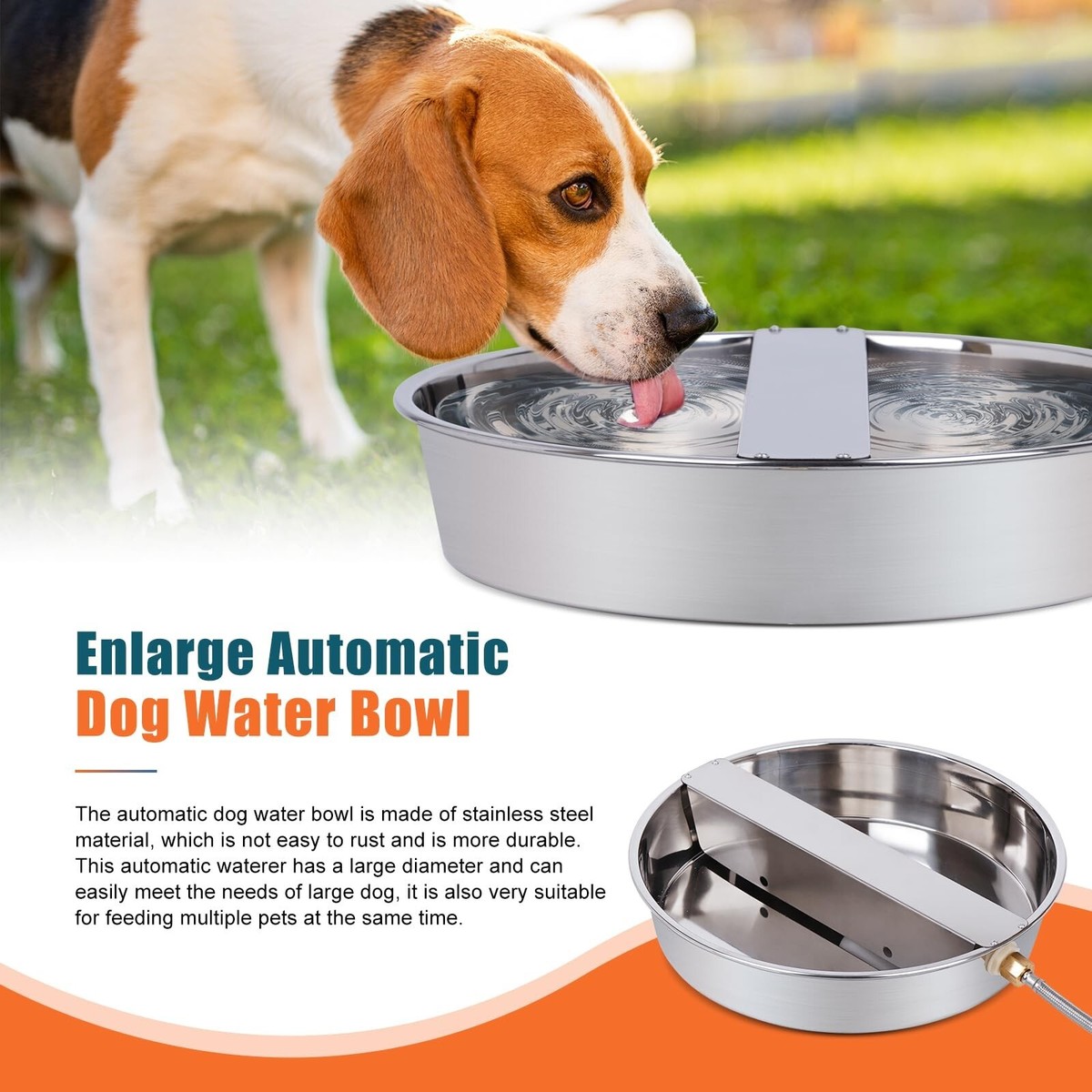
Bacteria grow fast in dirty or porous bowls. Materials like stainless steel are easy to clean. They do not hold bacteria or odors. Avoid cracked or scratched bowls where germs hide. Regular cleaning of the bowl stops bacteria build-up. This keeps your dog’s water safe and fresh.
Credit: jmpatelcollege.com
Hygiene And Cleaning
Keeping your dog’s water bowl clean is very important. Dirty bowls can cause bacteria growth. This can make your dog sick. Choosing the right material helps keep the bowl hygienic. It also makes cleaning easier. Clean bowls mean fresh, safe water for your pet.
Ease Of Cleaning
Some materials clean faster than others. Stainless steel and ceramic bowls wipe clean quickly. Plastic bowls can trap dirt and germs in scratches. Smooth surfaces stop bacteria from hiding. Simple shapes also help you clean every corner well.
Dishwasher Safe Options
Bowls that can go in the dishwasher save time. Stainless steel and many ceramic bowls are dishwasher safe. This means high heat cleans them well. Plastic bowls often cannot handle dishwasher heat. Check the label to know if it is safe.
Maintaining Fresh Water
Change your dog’s water at least once a day. Clean bowls and fresh water keep dogs healthy. Avoid leaving water out for too long. A clean bowl stops mold and bacteria from growing. Fresh water encourages your dog to drink more.
Choosing The Right Size And Design
Choosing the right size and design for your dog’s water bowl is important. It helps your dog drink comfortably and stay hydrated. The bowl must fit your dog’s breed and daily needs. The design should keep water clean and avoid spills. A well-chosen bowl makes drinking easier and keeps your dog happy.
Matching Bowl Size To Dog Breed
Small dogs need smaller bowls. Large dogs require bigger bowls to hold enough water. A bowl too big may waste water for small dogs. Too small a bowl can make big dogs thirsty. Think about your dog’s size and how much water it drinks daily.
Non-slip Base Benefits
Bowls with non-slip bases stay in place. Dogs often push bowls while drinking. A non-slip base prevents spills and messes. It also stops the bowl from sliding on floors. This keeps water where it belongs—for your dog to drink.
Travel-friendly Bowls
Travel bowls are easy to carry and store. They often fold or collapse for convenience. These bowls help keep your dog hydrated on walks or trips. Choose lightweight, durable materials. Travel bowls save space and make outings simpler.
Eco-friendly Material Choices
Choosing the right material for your dog’s water bowl is important for health and the planet. Eco-friendly materials help reduce waste and pollution. They keep your pet safe and support a cleaner environment. Here are some green choices to consider.
Biodegradable Options
Biodegradable bowls break down naturally after use. They come from plants like bamboo or cornstarch. These materials do not harm the soil or water. They are a smart choice for pet owners who want less waste. Biodegradable bowls last well but return to nature when thrown away.
Recycled Materials
Bowls made from recycled plastic or metal reuse old waste. This reduces the need for new raw materials. Using recycled materials lowers energy use and pollution. These bowls are sturdy and safe for dogs. Choosing recycled products helps fight plastic pollution.
Sustainable Manufacturing
Sustainable manufacturing uses less water and energy. It avoids harmful chemicals in the production process. Companies focus on fair labor and eco-friendly factories. This method supports the planet and workers. Sustainable bowls offer quality and a smaller carbon footprint.
Credit: dogspotted.com
Frequently Asked Questions
What Is The Safest Material For Dog Water Bowls?
Stainless steel is the safest material for dog water bowls. It is durable, non-toxic, and easy to clean. Unlike plastic, it doesn’t harbor bacteria or cause allergies. It’s also resistant to rust and damage, making it ideal for long-term use.
Why Avoid Plastic Dog Water Bowls?
Plastic bowls can scratch easily, trapping bacteria and odors. They may contain harmful chemicals like BPA that can affect your dog’s health. Plastic also tends to retain stains and smells, which may discourage your dog from drinking enough water.
Are Ceramic Dog Bowls Good For Dogs?
Ceramic bowls are a good choice if they are lead-free and glazed properly. They are heavy, stable, and easy to clean. However, they can chip or crack, which may pose a hazard. Always inspect regularly for damage.
How To Choose The Best Dog Bowl Material?
Choose a bowl that is safe, durable, and easy to clean. Stainless steel is often recommended. Consider your dog’s size, chewing habits, and any allergies. Avoid materials that retain odors or harbor bacteria.
Conclusion
Choosing the right material for your dog’s water bowl matters a lot. Stainless steel bowls are durable and easy to clean. Ceramic bowls look nice and stay cool but can break easily. Plastic bowls might be cheap but can hold bacteria and cause allergies.
Think about your dog’s needs and your lifestyle. A good bowl keeps water fresh and safe. Always check for damage and clean the bowl often. Your dog will drink more if the bowl is comfortable and clean. Pick a bowl that suits both you and your pet well.


