
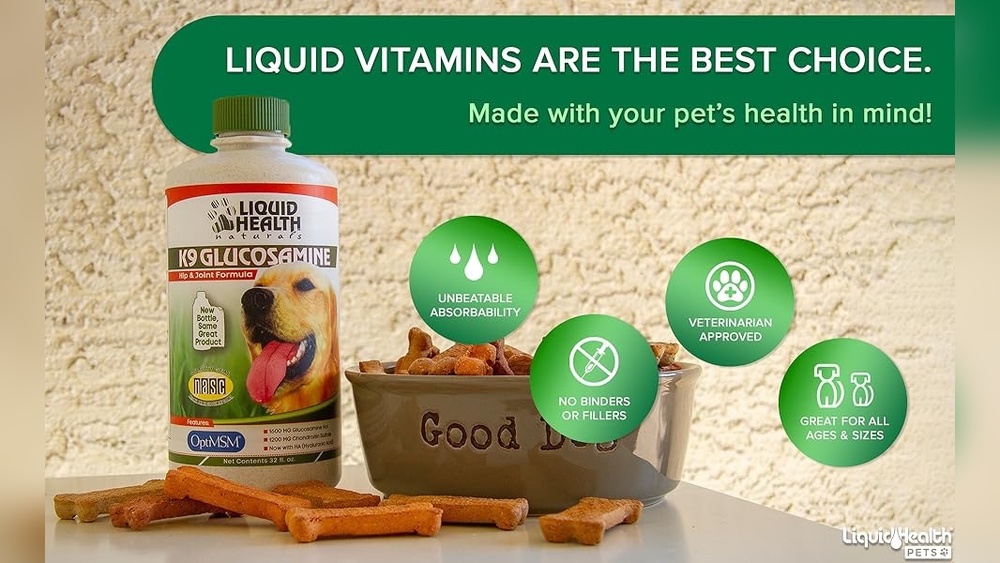
Finding the best liquid food for your dog can make a big difference in their health and happiness. Whether your furry friend has trouble chewing, needs extra hydration, or just loves a tasty meal, the right liquid food can help.
You want something nutritious, easy to digest, and that your dog will actually enjoy. You’ll discover top options that meet these needs and learn how to choose the perfect one for your companion. Keep reading to find out how you can boost your dog’s wellbeing with the best liquid food available.

Credit: www.animed.co.uk
Benefits Of Liquid Food For Dogs
Liquid food for dogs offers many benefits that improve their health and well-being. It provides nutrients in a gentle form that is easy to eat and digest. This type of food supports dogs at different life stages and health conditions.
Many dog owners find liquid food convenient and effective for their pets. It helps maintain hydration and supports digestion. These advantages make liquid food a smart choice for many dogs.
Easy Digestion And Absorption
Liquid food breaks down quickly in the stomach. Dogs absorb nutrients faster than from solid food. This helps dogs get energy and vitamins without stress on their digestive system. It is especially useful for dogs with sensitive stomachs or digestive problems.
Hydration Support
Liquid food contains a high water content that helps keep dogs hydrated. Proper hydration supports healthy organs and skin. Dogs that do not drink enough water benefit from liquid food. It adds moisture to their diet naturally.
Ideal For Senior And Sick Dogs
Older dogs often have trouble chewing or swallowing solid food. Sick dogs may lose their appetite or feel weak. Liquid food is easy for these dogs to eat and digest. It provides necessary nutrients to help recovery and maintain strength.

Credit: us.amazon.com
Key Nutrients In Liquid Dog Food
Liquid dog food offers a balanced diet in an easy-to-digest form. It contains essential nutrients that support your dog’s health and energy. Knowing these key nutrients helps you choose the best option for your pet.
Proteins And Amino Acids
Proteins build strong muscles and repair tissues. Amino acids are the building blocks of proteins. They support growth, immune function, and overall health. Liquid dog food often includes high-quality protein sources like chicken or fish. This ensures your dog gets enough amino acids daily.
Vitamins And Minerals
Vitamins and minerals keep your dog’s body working well. Vitamins like A, D, and E help with vision, bone health, and skin condition. Minerals such as calcium and phosphorus strengthen bones and teeth. Liquid dog food is fortified with these nutrients to maintain balance and vitality.
Fats And Omega Fatty Acids
Fats provide energy and support brain function. Omega fatty acids, especially Omega-3 and Omega-6, improve skin and coat health. They also reduce inflammation and boost the immune system. Good liquid dog food contains healthy fats from sources like fish oil or flaxseed oil.
Top Liquid Food Types For Dogs
Liquid food offers a great way to nourish dogs who need soft or easy-to-digest meals. It suits puppies, senior dogs, and pets recovering from illness. Many types of liquid food exist, each with unique benefits. Choosing the right one depends on your dog’s health and taste preferences.
Bone Broth And Meat Broth
Bone broth is a natural, nutrient-rich liquid made by simmering bones and connective tissue. It helps support joint health and digestion. Meat broth, made from cooking meat, adds protein and flavor. Both broths are low in calories but high in vitamins and minerals. They keep dogs hydrated and can be served alone or mixed with dry food.
Commercial Liquid Diets
Commercial liquid diets are balanced meals made specifically for dogs. These products contain essential nutrients to maintain health and energy. They come in ready-to-serve bottles or powders that mix with water. These diets are convenient for pet owners and ensure proper nutrition. Many vets recommend them for dogs with special dietary needs.
Homemade Blended Meals
Homemade blended meals allow control over ingredients and freshness. Owners can blend cooked meat, vegetables, and grains into a smooth mix. This option suits dogs with allergies or sensitive stomachs. It requires time but offers a personalized diet. Homemade blends can be frozen in portions for easy feeding.
Review Of Leading Liquid Dog Foods
Choosing the right liquid food for dogs can improve their health and happiness. Liquid dog foods offer hydration and nutrients in a simple form. Many brands compete to provide the best mix of taste and nutrition. This review covers three leading liquid dog food brands. Learn their strengths to make a smart choice for your pet.
Brand A: Nutritional Profile And Benefits
Brand A offers a balanced mix of proteins and vitamins. It supports strong muscles and healthy skin. This food contains omega fatty acids for a shiny coat. The formula is easy to digest for sensitive stomachs. It also includes antioxidants to boost immunity. Feeding Brand A helps dogs stay active and healthy.
Brand B: Ingredients And Suitability
Brand B uses natural ingredients like chicken broth and vegetables. It avoids artificial colors and preservatives. This makes it safe for dogs with allergies. The recipe suits puppies and adult dogs alike. Grain-free options are available for dogs with food sensitivities. Brand B focuses on clean, simple ingredients for better health.
Brand C: Taste And Palatability
Brand C is known for its appealing taste. Dogs enjoy the rich flavor and smooth texture. It contains real meat extracts that boost flavor naturally. This food encourages picky eaters to eat more. Easy to mix with dry food or serve alone. Brand C makes mealtime enjoyable for dogs of all ages.
How To Choose The Right Liquid Food
Choosing the right liquid food for your dog takes careful thought. Dogs have different needs based on their health, age, and lifestyle. Picking the best liquid food supports their well-being and keeps them happy. This guide helps you find the perfect option for your furry friend.
Assessing Your Dog’s Health Needs
Start by looking at your dog’s health condition. Dogs with dental issues may prefer liquid food. Older dogs or those with digestive problems benefit from easy-to-digest formulas. Puppies need nutrient-rich liquids to support growth. Consult your vet to understand specific needs.
Checking Ingredient Quality
High-quality ingredients ensure your dog gets the right nutrition. Look for real meat or fish as the main source. Avoid foods with fillers like corn or soy. Natural ingredients like vegetables and vitamins boost health. Read labels carefully to spot added sugars or artificial preservatives.
Considering Allergies And Sensitivities
Some dogs have allergies or food sensitivities. Common allergens include wheat, chicken, and dairy. Choose liquid food that avoids these triggers. Hypoallergenic options are best for sensitive dogs. Watch for signs like itching or upset stomach after feeding.
Tips For Transitioning To Liquid Food
Switching your dog to liquid food needs care and patience. Sudden changes can upset their stomach. This section shares simple tips to help your dog adjust smoothly. Follow these steps for a stress-free transition.
Gradual Introduction
Start by giving small amounts of liquid food. Slowly increase the portion over several days. This helps your dog get used to the new taste and texture. Watch how your dog reacts to the change.
Mixing With Regular Food
Blend liquid food with your dog’s usual meals. Begin with mostly regular food and a little liquid food. Change the ratio gradually until it is mostly liquid food. Mixing helps your dog accept the new diet more easily.
Monitoring For Reactions
Check your dog for signs of allergies or stomach problems. Look for vomiting, diarrhea, or itching. Stop the new food if you see any bad reactions. Consult a vet if problems continue or worsen.
Common Myths About Liquid Dog Food
Liquid dog food has grown in popularity. Yet, some common myths still confuse pet owners. These myths may stop dog owners from trying liquid food for their pets. Understanding the facts helps make better choices for dog health.
Liquid Food Is Less Nutritious
Many believe liquid food lacks essential nutrients. This is not true. Liquid dog foods are made to meet nutritional standards. They often contain vitamins, minerals, proteins, and fats just like dry food. Quality liquid diets support a dog’s growth and energy.
Only For Sick Dogs
Some think liquid food is only for sick or old dogs. This idea limits its use. Healthy dogs can also benefit from liquid diets. It can improve hydration and digestion. It is a good option for picky eaters or dogs with dental issues.
Difficult To Store And Use
People often say liquid food is hard to store. Many brands use airtight containers that keep food fresh. Storage is simple with proper sealing and refrigeration. Using liquid food is also easy. It can be poured or mixed with dry food for convenience.

Credit: www.counton2.com
Supplementing Liquid Diets
Supplementing liquid diets for dogs helps ensure they get all needed nutrients. Liquid food alone may lack certain fibers or gut-friendly elements. Adding supplements can support digestion and overall health. These small changes make a big difference in your dog’s diet quality.
Focus on simple, natural additions to keep your dog’s meals balanced. Always watch how your dog responds to any new supplement. Adjust amounts slowly to avoid stomach upset. This way, you keep your dog happy and healthy.
Adding Probiotics
Probiotics are good bacteria that help your dog’s gut. They support digestion and strengthen the immune system. Adding probiotic powders or liquids to meals improves nutrient absorption. Choose probiotics made specifically for dogs for best results. Start with small doses and increase if your dog tolerates them well.
Including Fiber Sources
Fiber helps keep your dog’s digestion regular. It can prevent constipation or diarrhea. Mix small amounts of pureed vegetables like pumpkin or sweet potato into the liquid food. These natural fibers support healthy bowel movements. Avoid adding too much fiber at once to prevent stomach upset.
Balancing With Dry Or Wet Food
Combining liquid diets with dry or wet food creates a balanced meal. Dry food adds crunch and helps clean teeth. Wet food offers extra moisture and flavor. Mixing these textures keeps meals interesting and nutritious. Adjust portions to match your dog’s size and activity level.
Frequently Asked Questions
What Is The Best Liquid Food For Dogs?
The best liquid food for dogs is nutritionally balanced and vet-approved. It includes broth, pureed meats, and specially formulated liquid diets. These options support hydration, digestion, and overall health, making them ideal for dogs with dietary restrictions or recovery needs.
Can Dogs Drink Homemade Liquid Food Safely?
Yes, dogs can safely drink homemade liquid food if it’s balanced. Use ingredients like lean meats, vegetables, and broth without harmful additives. Avoid onions, garlic, and excessive salt. Always consult your vet for appropriate recipes and portion sizes.
How Does Liquid Food Benefit Dogs With Health Issues?
Liquid food aids dogs with dental problems, digestion issues, or illness. It’s easier to swallow, improves nutrient absorption, and keeps them hydrated. Liquid diets can also support recovery and maintain energy levels during treatment or convalescence.
Are Liquid Dog Foods Suitable For All Breeds And Ages?
Liquid dog foods can suit all breeds and ages but must be tailored. Puppies, seniors, and dogs with specific health needs benefit most. Always choose liquid diets matching your dog’s nutritional requirements and consult your vet before switching.
Conclusion
Choosing the best liquid food helps keep dogs healthy and happy. It supports digestion and hydration well. Many dogs enjoy the taste and texture too. Always check ingredients to ensure quality and safety. Consult a vet for special dietary needs.
Feeding liquid food can be easy and convenient. Small changes can make a big difference in pet care. Keep your dog’s needs in mind every time. Healthy food means a happy pet. Simple, balanced meals help dogs live longer.


