If your dog is struggling with incontinence, you know how challenging it can be for both of you. Accidents around the house can be frustrating, and you want to help your furry friend feel comfortable again.
Finding the best incontinence medicine for dogs can make a huge difference in your pet’s quality of life. You’ll discover effective treatments that can bring relief and restore your dog’s confidence. Keep reading to learn what options are available and how to choose the right one for your beloved companion.
Causes Of Incontinence In Dogs
Incontinence in dogs means they cannot control their bladder. This problem can be upsetting for both pets and owners. Understanding the causes helps in finding the right treatment. Causes vary from health issues to injuries and aging. Knowing these can guide you to the best incontinence medicine for dogs.
Common Medical Conditions
Some diseases make dogs lose bladder control. Urinary tract infections cause irritation and leaks. Kidney problems also affect how dogs hold urine. Hormone imbalances, like low estrogen, weaken bladder muscles. Some dogs have nerve damage from diseases like diabetes. These conditions often need medical care to manage incontinence.
Age-related Factors
Older dogs often face incontinence due to weak muscles. Aging affects the bladder’s ability to hold urine. Hormone levels drop, reducing bladder control. Some senior dogs develop dementia, leading to accidents. Age-related incontinence is common but treatable with proper care.
Injury And Trauma
Injuries can harm the nerves controlling the bladder. Spinal damage often causes sudden incontinence. Surgery or accidents may lead to bladder control loss. Pain or stress from injuries can also affect bathroom habits. Treating the injury often improves bladder control over time.

Credit: www.amazon.com
Symptoms To Watch For
Recognizing symptoms of incontinence in dogs helps catch the issue early. Noticing changes in your pet’s bathroom habits or behavior is key. Early detection leads to better treatment and comfort for your dog.
Signs Of Urinary Leakage
Watch for wet spots on bedding or carpets. Your dog may drip urine while resting or walking. Look for frequent licking of the genital area. These signs often indicate loss of bladder control.
Behavioral Changes
Your dog might seem restless or agitated. They may hide or avoid certain rooms. Some dogs stop house training and have accidents indoors. Changes in appetite or sleep patterns can also occur.
When To Consult A Vet
Seek veterinary help if leakage happens often. Sudden accidents in a trained dog need attention. If your dog shows pain or struggles to urinate, see a vet. Early vet visits improve treatment success.
Types Of Incontinence Medications
Incontinence in dogs can be managed with various medications. These medicines help control symptoms and improve your dog’s quality of life. Different types of drugs target different causes of incontinence. Knowing these types helps you understand treatment options better.
Hormonal Treatments
Hormonal treatments often help female dogs with spayed-related incontinence. They work by restoring hormone levels that keep the bladder muscles tight. Common drugs include estrogen and testosterone supplements. These medicines strengthen the bladder’s control and reduce leaks. They usually show results within a few weeks.
Muscle Relaxants
Muscle relaxants help dogs with bladder muscle spasms. They reduce sudden contractions that cause urine leakage. These drugs make the bladder muscles less tense and more relaxed. This action helps the dog hold urine longer. They are often used with other medications for better results.
Diuretics And Others
Diuretics help remove excess fluid from the body. They are not common for incontinence but may be used in special cases. Other medicines include anticholinergics, which calm bladder nerves. These drugs reduce urgency and frequency of urination. A vet decides the best medicine based on your dog’s condition.
Top Medications For Canine Incontinence
Canine incontinence can be stressful for dogs and their owners. Choosing the right medicine helps manage this condition effectively. Various drugs work well to reduce urine leakage and improve your dog’s quality of life.
Understanding each medication’s role helps in making the best choice. Here are some top options commonly prescribed by veterinarians.
Phenylpropanolamine (ppa)
Phenylpropanolamine is a common drug for dog incontinence. It tightens the urethral sphincter muscle. This prevents unwanted urine leakage. PPA works well in most cases of hormone-responsive incontinence. The medicine is easy to give, usually in pill form. Side effects are rare but can include restlessness or increased heart rate. Your vet will decide the right dose for your dog.
Estrogen Therapy
Estrogen therapy helps mainly female dogs after spaying. It restores hormone levels that control bladder function. This therapy reduces urine loss by improving sphincter strength. Estrogen is given as pills or injections. It may take a few weeks to see full effects. Side effects like changes in appetite or behavior can occur. Your vet monitors your dog closely during treatment.
Other Effective Drugs
Some dogs benefit from other medicines like diethylstilbestrol or testosterone. Diethylstilbestrol is a synthetic estrogen used less often now. Testosterone may help male dogs with incontinence. Other drugs like phenoxybenzamine relax bladder muscles. This can ease urine flow problems. Each medicine suits different cases. Your vet will choose based on your dog’s needs.
How To Administer Incontinence Medicine
Administering incontinence medicine to your dog can feel challenging. The right approach helps your dog accept the medicine calmly. Understanding how to give the medicine correctly improves its effectiveness. It also reduces stress for both you and your pet.
Dosage Guidelines
Follow your vet’s exact dosage instructions. Do not change the amount without approval. Most medicines depend on your dog’s weight and health. Giving too much can cause harm. Too little might not work well. Use a pill organizer to keep track. Measure liquid medicine carefully with a syringe or dropper.
Tips For Easy Administration
Hide pills in small treats or soft food. Use a pill pocket or peanut butter for taste. Gently hold your dog’s head and open its mouth. Place the pill at the back of the tongue. Close the mouth and stroke the throat to help swallowing. Praise and reward your dog after giving the medicine. Stay calm and patient to avoid stress. Try giving medicine at the same time each day for routine.
Possible Side Effects
Watch for vomiting, diarrhea, or loss of appetite. Some dogs may feel sleepy or restless. Report any unusual signs to your vet immediately. Side effects usually lessen as your dog adjusts. Keep water available to prevent dehydration. Follow vet advice if side effects continue or worsen.

Credit: www.austincaninerehab.com
Alternative And Supportive Treatments
Managing incontinence in dogs often requires more than just medicine. Alternative and supportive treatments can help improve your dog’s comfort and quality of life. These options work alongside medications to support bladder control and overall health.
Diet And Supplements
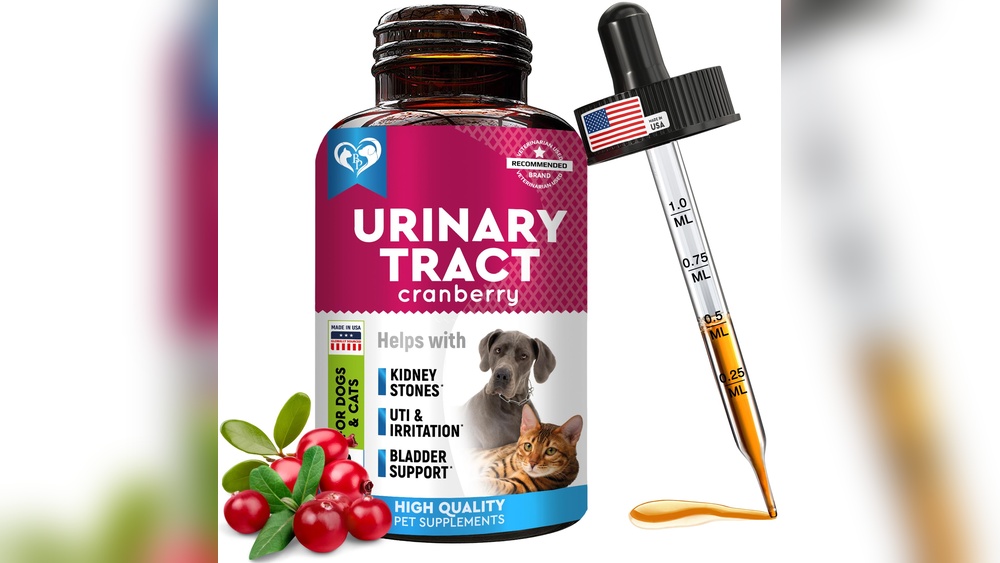
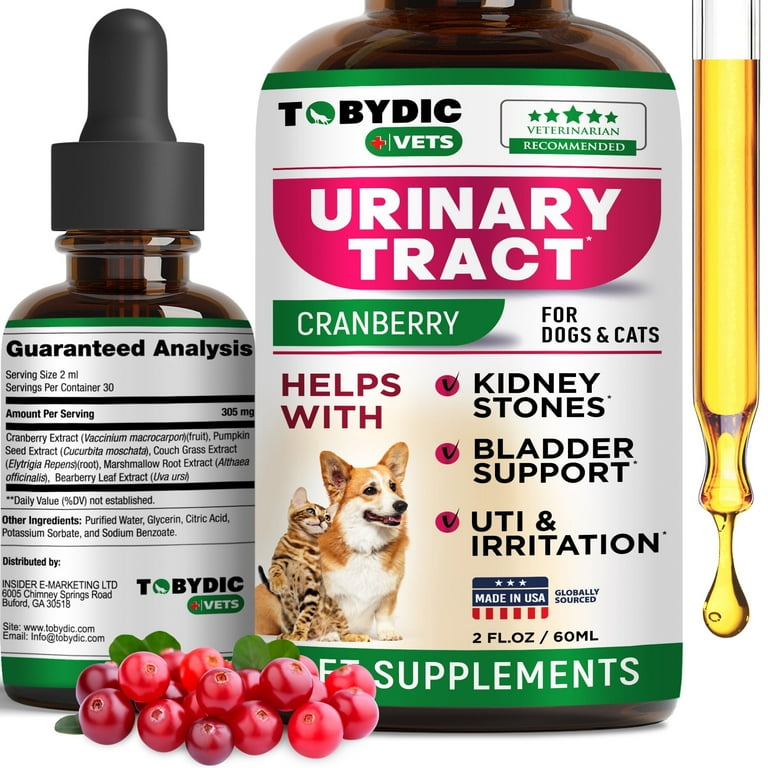
A balanced diet supports your dog’s bladder health. Certain supplements may strengthen the urinary system. Ingredients like cranberry extract and omega-3 fatty acids help reduce inflammation. Always check with a vet before adding supplements. Proper hydration is also important to keep the bladder healthy.
Physical Therapy
Physical therapy can improve muscle strength around the bladder. Exercises guided by a professional help your dog regain control. Hydrotherapy is gentle and effective for many dogs. Massage and stretching can reduce tension and support nerve function. Regular sessions can lead to noticeable improvements.
Lifestyle Adjustments
Small changes can make a big difference at home. Frequent bathroom breaks reduce accidents. Use washable or waterproof bedding to keep your home clean. Create a quiet and comfortable space for your dog to relax. Consistent routines help your dog feel secure and less stressed.
Preventing Incontinence In Dogs
Preventing incontinence in dogs helps keep them comfortable and healthy. It reduces accidents and stress for both pets and owners. Taking simple steps can lower the chance of this problem developing.
Regular Vet Check-ups
Schedule vet visits often to catch health issues early. Vets can spot signs of urinary problems before they worsen. Early treatment can stop incontinence from starting or getting worse. Regular exams also ensure your dog stays on the right medications.
Maintaining A Healthy Weight
Keep your dog’s weight in a healthy range. Extra weight puts pressure on the bladder and muscles. This pressure can cause leaks and accidents. Balanced meals and regular exercise help control weight. A fit dog has a lower risk of incontinence.
Environmental Modifications
Adjust your home to support your dog’s needs. Provide easy access to bathroom areas outside. Use washable pads or covers inside for accidents. Keep floors dry and clean to prevent slips. These changes make life easier for dogs prone to leaks.
Credit: www.walmart.com
Frequently Asked Questions
What Is The Best Medicine For Dog Incontinence?
The best medicine varies by cause but often includes phenylpropanolamine or diethylstilbestrol. Always consult your vet for accurate diagnosis and treatment.
How Long Does Incontinence Medicine Take To Work In Dogs?
Incontinence medicine usually shows improvement within a few days to two weeks. The response time depends on the dog’s condition and the medication used.
Are There Side Effects Of Incontinence Medicine In Dogs?
Yes, side effects may include vomiting, loss of appetite, or restlessness. Always monitor your dog and report adverse effects to your veterinarian.
Can Natural Remedies Help With Dog Incontinence?
Some natural remedies like bladder support supplements may help. However, medical treatment is often necessary for effective control. Consult your vet before use.
Conclusion
Choosing the right medicine helps your dog feel better and live well. Always talk to your vet before starting any treatment. Each dog is different, so medicine must fit their needs. Watch your dog closely for changes and side effects.
Healthy care and love support your dog’s recovery. Treating incontinence improves comfort for both you and your pet. Small steps bring big improvements in your dog’s daily life. Keep learning and stay patient throughout the process. Your dog deserves the best care every day.