
Are you looking for the best in ground dog fence to keep your furry friend safe and secure? Choosing the right system can feel overwhelming, but it doesn’t have to be.
Imagine giving your dog the freedom to explore your yard without worry, while you enjoy peace of mind knowing they’re protected. You’ll discover top-rated options, key features to consider, and expert tips to help you pick the perfect in ground dog fence for your home.
Keep reading to find the solution that fits your needs and keeps your pet happy and safe.
Benefits Of In-ground Dog Fences
In-ground dog fences offer many benefits for pet owners. They keep dogs safe without the need for tall, hard fences. These systems use buried wires to create invisible boundaries.
Pets learn to stay within these limits through gentle warnings. This method protects pets while allowing more freedom to roam in the yard.
Enhanced Safety For Pets
In-ground fences reduce the risk of pets running into busy roads. The system warns dogs before they reach the boundary line. This helps prevent accidents and lost pets. Owners feel more secure knowing their dog stays close.
Customizable Boundaries
The boundary size fits many yard shapes and sizes. You can adjust the area to match your property’s layout. This flexibility suits different dog breeds and activity levels. It works well for yards with pools or gardens.
Cost-effectiveness Compared To Physical Fences
Installing underground fences costs less than building tall fences. Maintenance is easier and cheaper over time. There is no need to repair broken panels or gates. This option saves money while still protecting pets well.
Types Of In-ground Dog Fences
In-ground dog fences keep pets safe within set boundaries. These fences come in different types, each with unique features. Knowing the options helps choose the best fit for your dog and yard.
Wired Systems
Wired systems use cables buried underground. The wire creates a boundary that sends a signal to the dog’s collar. If the dog nears the wire, the collar gives a warning beep or mild shock. These systems cover large areas and allow custom shapes.
Wireless Variants
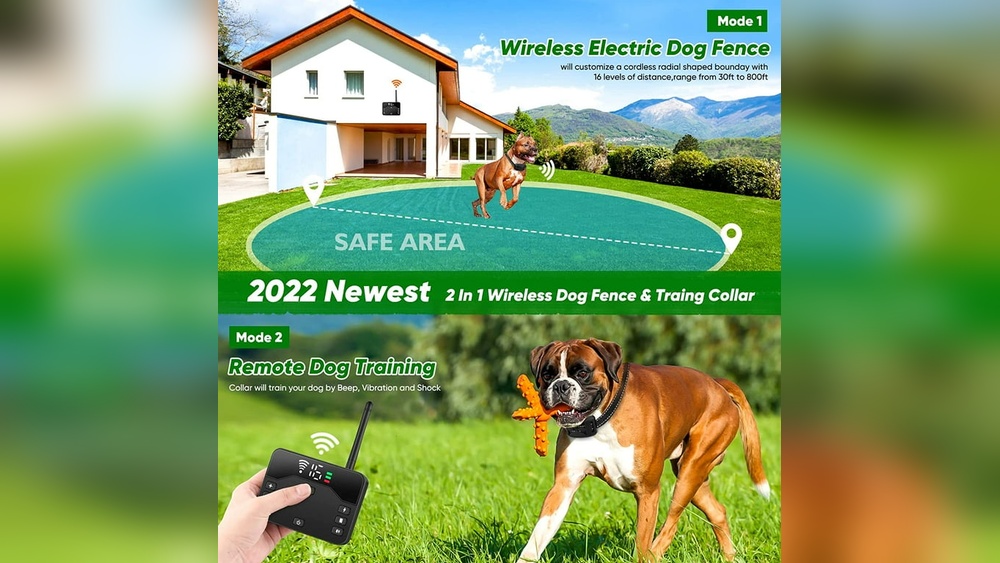
Wireless variants use a central transmitter to send signals. They create a circular boundary around the device. No wires need burying, so setup is fast. These fences suit smaller yards but lack shape flexibility.
Hybrid Options
Hybrid options combine wired and wireless features. They use wires for some boundaries and wireless signals for others. This mix offers more control and suits irregular yard shapes. Hybrids provide both range and flexibility.
Key Features To Consider
Choosing the best in ground dog fence means knowing what features matter most. These fences keep dogs safe inside yards without visible barriers. Picking the right one depends on understanding key features. This helps ensure the fence works well and fits your needs.
Range And Coverage
Range shows how far the fence signal reaches. A bigger yard needs a longer range. Some fences cover up to several acres. Check the area size before buying. Good coverage means your dog stays inside safely.
Signal Strength And Reliability
Strong signals keep the fence working well. Weak signals can cause gaps or false alarms. Reliable fences maintain steady signals all day. Look for fences with stable technology. This helps avoid surprises and keeps dogs safe.
Ease Of Installation
Simple setup saves time and effort. Some fences need digging and wiring. Others use wireless signals for quick install. Choose one that matches your skill level. Clear instructions help avoid mistakes.
Adjustable Correction Levels
Correction levels control how the fence alerts your dog. Adjustable levels let you set gentle or firm warnings. This suits different dog sizes and temperaments. Proper settings help train your dog effectively.

Credit: www.lur.cat
Top Brands And Models
Choosing the right in-ground dog fence is important for your pet’s safety. Many brands offer reliable options. Each brand has unique features and benefits. This guide covers top brands and their popular models. It helps you find the best fit for your dog and yard.
Petsafe Systems
PetSafe is a trusted name in pet containment. Their systems are easy to install and use. Models like the PetSafe Wireless Fence offer flexibility for different yard sizes. The system uses a transmitter and a collar receiver. It creates a safe boundary your dog learns quickly. PetSafe collars have adjustable correction levels. They suit dogs of various sizes and temperaments.
Sportdog Solutions
SportDOG Solutions focuses on durability and advanced technology. Their in-ground fences work well for active dogs. The SportDOG Brand In-Ground Fence is popular. It offers a wide range of coverage. The collar has waterproof design and multiple correction modes. SportDOG fences include flags to help train dogs visually. They are ideal for large yards and energetic pets.
Halo Collar
Halo Collar uses GPS technology instead of wires. It creates an invisible boundary without digging trenches. The system allows easy boundary setup via a mobile app. The collar also tracks your dog’s location. Halo offers gentle correction and sound alerts. It suits owners who want a modern, wireless solution. The collar works well for dogs that roam freely.
Dogtra Models
Dogtra is known for professional-grade training tools. Their in-ground fences combine safety and strong performance. The Dogtra E-Fence system has customizable boundaries. It uses a high-quality collar with variable stimulation. The system is easy to program and reliable. Dogtra models suit dogs that need firm but fair training. They handle different dog sizes and temperaments well.
Installation Tips And Best Practices
Installing an in-ground dog fence needs care and planning. Follow these tips to create a safe boundary for your pet. Proper setup ensures your dog stays inside and enjoys freedom safely. Use these best practices to make the installation smooth and effective.
Planning The Boundary Layout
Start by measuring your yard carefully. Mark the areas where you want your dog to stay. Avoid placing the boundary near metal objects or electrical wires. These can cause interference with the fence signal. Think about gates, pools, and flower beds. Make sure the boundary keeps your dog away from dangers. Draw a simple map before digging. This helps avoid mistakes and saves time.
Wire Placement Guidelines
Place the wire flat on the ground along your planned path. Bury it 1 to 3 inches deep to protect it. Keep the wire at least 3 feet away from metal fences or large pipes. Use stakes to hold the wire in place. Leave extra wire near gates to allow movement. Avoid sharp bends in the wire to keep the signal strong. Connect the wire ends securely to the transmitter.
Testing The System
Turn on the system after wiring is complete. Walk the boundary line with the receiver collar. Check if the collar beeps or vibrates near the wire. Adjust the signal strength if the warning is too weak or strong. Test every part of the boundary, including gates and corners. Fix any dead spots by repositioning the wire. Regular testing keeps the system working well.
Training Your Dog
Start training your dog with the collar off. Walk your dog near the boundary line. Show the dog the warning signals before any correction. Use treats and praise to encourage good behavior. Let your dog learn the limits slowly and calmly. Keep training sessions short but frequent. This helps your dog understand the safe area clearly.
Common Issues And Troubleshooting
In-ground dog fences help keep pets safe by defining clear boundaries. Sometimes, issues arise that affect the fence’s performance. Knowing common problems and how to fix them saves time and stress.
Troubleshooting these fences often involves checking the signal, power, boundary, and collar. Each part plays a key role in the system’s function. Understanding these areas improves your fence’s reliability.
Signal Interference
Signal interference can weaken or block the fence’s boundary signal. Nearby metal objects, electrical wires, or wireless devices cause this problem. Moving the transmitter away from these sources helps restore signal strength. Adjusting the wire layout can also reduce interference. Regular checks keep the signal clear for your dog’s safety.
Battery And Power Concerns
Power issues often come from weak or dead batteries in the collar or transmitter. Check batteries regularly and replace them as needed. Using rechargeable batteries may save money over time. Ensure the transmitter is plugged in and working. A steady power supply keeps the fence active and reliable.
Boundary Breaches
Pets sometimes cross the boundary due to gaps or weak signals. Inspect the underground wire for breaks or loose connections. Re-bury wires if exposed or damaged. Marking the boundary with flags helps your dog learn limits. Resetting the system can fix minor boundary errors. Clear boundaries keep pets safe and secure.
Collar Malfunctions
Collar issues include poor contact, broken parts, or incorrect fit. Clean collar contacts to ensure good skin contact. Check for damage or wear and replace faulty parts. Adjust the collar snugly but comfortably around your dog’s neck. Test the collar regularly to confirm it works properly. A well-functioning collar protects your pet effectively.
Maintenance And Upkeep
Maintaining an in-ground dog fence is key to its long life and your dog’s safety. Regular care keeps the system working well. It stops problems before they start. Simple checks and fixes save time and money later.
Regular System Checks
Check the transmitter and boundary wire often. Make sure the transmitter is on and working. Look for any damage on the wire above ground. Test the system with your dog’s collar to confirm it is active. A quick check every week keeps the fence reliable.
Wire Repairs
Wires may break from weather or digging pets. Find breaks using a wire tester or a signal meter. Fix breaks by splicing the wire with connectors or replacing the damaged part. Keeping the wire intact prevents your dog from escaping.
Collar Battery Replacement
The collar battery powers the warning signals. Replace batteries every few months or as needed. Use fresh batteries recommended by the manufacturer. Low battery means weak signals and less protection. Always carry spare batteries for peace of mind.
Seasonal Adjustments
Changes in weather affect the fence’s performance. Wet or frozen ground can change the signal range. Adjust the transmitter settings during different seasons. Check the collar fit as your dog’s fur changes. Seasonal care keeps the fence accurate and safe all year.

Credit: itie.rivilgroup.com
Comparing In-ground Fences To Alternatives
Choosing the right fence for your dog is important for safety and peace of mind. There are several options besides in-ground fences. Each type has its own benefits and drawbacks. Understanding these will help you pick the best fence for your pet’s needs.
Physical Fencing Pros And Cons
Physical fences are solid barriers made of wood, metal, or plastic. They stop dogs from leaving the yard and keep other animals out. Dogs can see and feel the boundary clearly. This reduces stress and confusion.
Physical fences need space and can be costly to build. They may require repairs over time. Some dogs can climb or dig under them. Not all yards allow tall or solid fences. Maintenance can be time-consuming.
Wireless Fence Limitations
Wireless fences use radio signals to create a boundary. They are easy to set up and move. No digging or building is needed. These fences can cover large areas.
Wireless fences need batteries or electricity. Signal interference can cause false alarms. Dogs may wander outside if the signal is weak. Not all dogs respond well to the correction signals. They do not physically block other animals or people.
Technology-based Solutions
Technology fences include GPS collars and app-controlled systems. These track your dog’s location in real time. You can set safe zones and get alerts instantly. This option works well for active dogs and large properties.
Technology-based fences can be expensive. They rely on internet or phone signals. Batteries must be charged regularly. Some dogs may find collars uncomfortable. These systems do not stop other animals from entering.

Credit: www.amazon.com
Frequently Asked Questions
What Is The Best In Ground Dog Fence System?
The best in ground dog fence system offers reliable boundary control. It uses buried wires and a collar to keep pets safe. Look for durability, adjustable shock levels, and easy installation.
How Does An In Ground Dog Fence Work?
An in ground dog fence works by sending a signal through buried wires. The dog’s collar receives the signal and emits a warning beep or mild correction if near the boundary. This trains dogs to stay within set limits.
Are In Ground Dog Fences Safe For Pets?
Yes, in ground dog fences are safe when used correctly. They use mild static corrections that are adjustable. Proper training ensures pets understand boundaries without harm or stress.
Can In Ground Dog Fences Cover Large Areas?
Yes, in ground dog fences can cover large areas. Wire length can be extended to fit yards of various sizes. This makes them ideal for both small gardens and large properties.
Conclusion
Choosing the right in-ground dog fence keeps pets safe outdoors. It helps set clear boundaries without hurting your dog. Installation is simple, and the system works quietly. Regular checks keep the fence effective and reliable. Dogs enjoy freedom while owners gain peace of mind.
This fence type suits many yards and dog sizes. Consider your pet’s needs and yard layout before buying. A good fence means happy pets and worry-free playtime. Protect your furry friend with a smart, safe choice today.


