
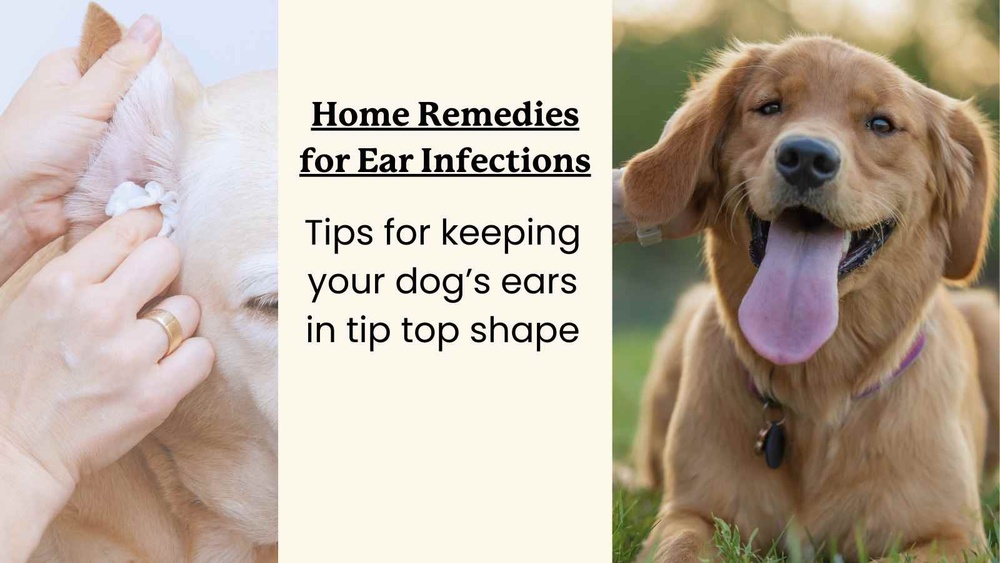
If your dog is scratching its ears a lot or shaking its head, it might be dealing with a yeast ear infection. These infections can make your furry friend uncomfortable and restless.
But before rushing to the vet, there are simple home remedies you can try to ease your dog’s pain quickly and safely. You’ll discover the best home remedy for dog yeast ear infection that can help bring relief and restore your pup’s happy, healthy ears.
Keep reading to learn how you can take action right now to soothe your dog’s discomfort.
:strip_icc()/dog-yeast-infection-home-remedy-5089075-c4a877225d354e1d852c881db71a43a2.jpg)
Credit: www.thesprucepets.com
Causes Of Dog Yeast Ear Infection
Dog yeast ear infections occur when yeast grows too much inside the ear. This causes itching, redness, and bad smell. Understanding what causes these infections helps in preventing and treating them effectively.
Common Triggers
Yeast thrives in warm, moist places. Wet ears after swimming or baths create the perfect environment. Dirt and wax build-up can trap moisture and food for yeast. Allergies also make ears more sensitive and prone to infections. Bacteria or other germs can irritate ears and help yeast grow.
Risk Factors
Dogs with floppy ears have less air flow inside the ear canal. This keeps ears damp, inviting yeast to grow. Pets with weak immune systems cannot fight infections well. Poor diet may lower natural defenses and cause skin problems. Regular use of antibiotics can kill good bacteria, allowing yeast to multiply. Dogs with allergies often suffer from recurring ear infections too.
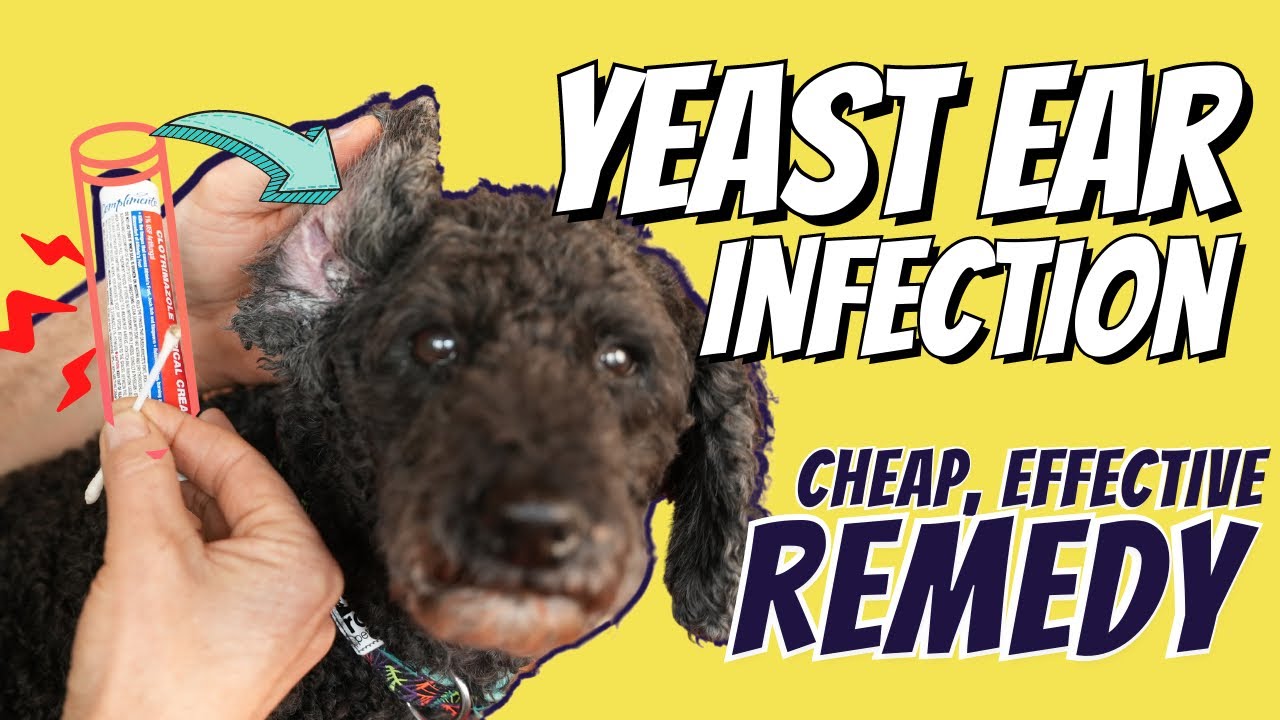
Credit: www.youtube.com
Signs Your Dog Has A Yeast Infection
Yeast infections in a dog’s ear can cause discomfort and pain. Recognizing the signs early helps treat the problem quickly. Watch your dog closely for changes in behavior and physical symptoms. These clues show your dog might have a yeast infection.
Behavioral Changes
Your dog may scratch its ears more than usual. It might shake its head often to relieve irritation. Some dogs become restless or irritable due to ear discomfort. You may notice your dog avoiding touch near the ears. These behavior changes signal your dog feels pain or itching.
Physical Symptoms
Look for redness or swelling inside your dog’s ear. A bad smell coming from the ear is a common sign. Thick, dark, or yellow discharge may appear in the ear canal. The ear might look greasy or have flaky skin. These physical signs indicate a yeast infection needs care.
Natural Remedies To Try At Home
Natural remedies offer a gentle way to help your dog’s yeast ear infection. These treatments can soothe itching and reduce yeast growth. They use simple ingredients found at home. Always check with your vet before trying new treatments on your pet.
Apple Cider Vinegar
Apple cider vinegar has natural antifungal properties. Dilute it with equal parts water to avoid irritation. Use a cotton ball to gently clean your dog’s ears. This helps restore the ear’s natural pH balance. Avoid use if the ear is very red or raw.
Coconut Oil
Coconut oil fights yeast and soothes irritated skin. Warm a small amount before applying. Use a clean cotton swab to spread the oil inside the ear. It also helps reduce inflammation and itching. Repeat daily for best results.
Aloe Vera
Aloe vera gel can calm inflamed skin inside your dog’s ears. Use pure aloe gel without added chemicals. Apply a small amount directly to the ear canal. Aloe soothes burning and reduces redness. It also helps heal damaged skin gently.
Yogurt And Probiotics
Yogurt contains good bacteria that support your dog’s immune system. Plain, unsweetened yogurt works best. Feeding yogurt daily can balance the natural flora in the ears. Probiotics help stop yeast from growing too much. Consult your vet for probiotic supplements suitable for dogs.
How To Clean Your Dog’s Ears Safely
Cleaning your dog’s ears safely is important to fight yeast infections. Dirt and moisture can cause more problems if not removed gently. Use the right tools and method to avoid hurting your dog’s sensitive ears. Keep the ears dry and clean to stop yeast from growing. Regular cleaning helps your dog feel better and prevents infections from coming back.
Step-by-step Cleaning Guide
Start by gathering supplies: ear cleaner, cotton balls, and a towel. Choose a quiet place where your dog feels calm. Hold your dog’s ear flap gently and lift it up. Put a few drops of dog ear cleaner into the ear canal. Massage the base of the ear for 20 seconds to spread the cleaner. Let your dog shake its head to remove dirt and wax. Use a cotton ball to wipe out the ear canal’s opening. Avoid pushing cotton deep inside the ear. Repeat the process on the other ear if needed. Praise your dog for good behavior to make cleaning easier next time.
Precautions To Take
Do not use cotton swabs inside the ear canal. They can damage the ear or push wax deeper. Avoid using human ear cleaners; they can irritate your dog’s ears. Check for signs of pain or redness before cleaning. Stop if your dog shows discomfort and consult a vet. Use only cleaners made for dogs to be safe. Clean ears only when necessary; too much cleaning can cause dryness. Watch for any bad smell or discharge. These signs may need professional treatment.
When To See A Veterinarian
Knowing when to see a veterinarian is crucial for your dog’s health. Yeast ear infections can start mild but may worsen quickly. Early care at home helps, but some signs need professional attention. This section guides you on when to take your dog to the vet for yeast ear infections.
Signs Of Severe Infection
Watch for strong odor coming from the ears. Swelling or redness that gets worse. Your dog scratching ears nonstop or shaking the head hard. Pus or thick discharge inside the ear canal. Your dog shows signs of pain when touching the ear. Loss of balance or walking unsteadily.
Potential Complications
Untreated yeast infections can cause long-term ear damage. Chronic infections lead to thickened skin and ear canal narrowing. This makes future infections harder to treat. Infection can spread deeper, causing pain and fever. Your dog may become very uncomfortable and lose hearing. Early vet care helps avoid these serious problems.
Preventing Future Ear Infections
Stopping dog yeast ear infections from coming back is very important. These infections can cause pain and discomfort. Preventing future infections helps your dog stay happy and healthy. Simple habits and care can make a big difference.
Regular Ear Maintenance
Clean your dog’s ears often with a vet-approved solution. Use a soft cloth or cotton ball. Avoid cotton swabs inside the ear canal. Check ears for redness, odor, or swelling. Early signs help catch infections early. Keep ears dry after baths or swimming. Moisture encourages yeast growth. Regular checks reduce infection chances.
Diet And Environment Tips
Feed your dog a balanced, healthy diet. Avoid foods that cause allergies or sensitivities. Some yeast infections link to poor diet. Fresh water should always be available. Keep your dog’s bedding clean and dry. Remove dirt and dust from their resting area. Limit exposure to damp places. A clean environment helps control yeast growth.

Credit: www.youtube.com
Frequently Asked Questions
What Is The Best Home Remedy For Dog Yeast Ear Infection?
The best home remedy is a mixture of apple cider vinegar and water. It balances ear pH and kills yeast naturally. Always dilute vinegar to avoid irritation and apply gently with a cotton ball.
How Can I Tell If My Dog Has A Yeast Ear Infection?
Signs include redness, itching, odor, and dark discharge in the ear. Your dog may shake its head or scratch ears frequently. Early detection helps in effective treatment and faster relief.
Can Coconut Oil Help Treat Dog Yeast Ear Infections?
Yes, coconut oil has antifungal properties that soothe irritation. Apply a small amount inside the ear to reduce yeast growth. It also moisturizes and promotes healing of the ear skin.
How Often Should I Clean My Dog’s Ears During Infection?
Clean ears 2-3 times a week using a vet-approved cleaner or home remedy. Avoid over-cleaning, which can irritate ears and worsen infection. Consistency helps prevent yeast buildup and supports healing.
Conclusion
Treating your dog’s yeast ear infection at home can be simple and safe. Natural remedies like coconut oil and apple cider vinegar often help reduce yeast quickly. Always keep your dog’s ears clean and dry to prevent infections. Watch for signs of discomfort or redness to catch problems early.
If symptoms persist, visit your vet for proper care. Healthy ears mean a happier dog. Try these home treatments carefully and see the difference. Your dog deserves comfort and relief from yeast infections.


