

If your dog struggles with hip pain or stiffness, you know how hard it is to watch them suffer. You want to help your furry friend move comfortably and enjoy life again.
The right supplements can make a real difference in easing hip dysplasia symptoms and supporting joint health. But with so many options out there, how do you choose the best one for your dog? Keep reading to discover the top hip dysplasia supplements that can bring relief and improve your dog’s quality of life.
Symptoms Of Hip Dysplasia In Dogs
Hip dysplasia is a common joint problem in dogs. It happens when the hip joint does not form properly. This causes pain and trouble moving. Recognizing the symptoms early helps manage the condition better. Watch for signs that your dog might be struggling.
Common Signs To Watch
Dogs with hip dysplasia may limp or favor one leg. You might see stiffness after rest or exercise. Some dogs have trouble standing up or climbing stairs. Their back legs may look weak or sway while walking. Loss of muscle around the hips is also a warning sign. These symptoms can appear slowly and get worse over time.
Behavioral Changes
Changes in behavior can indicate hip pain. Your dog might avoid running or jumping. They may seem less playful or tired easily. Some dogs become irritable or growl when touched near the hips. Restlessness at night or trouble sleeping can also occur. These changes show your dog is uncomfortable and needs help.
Causes And Risk Factors
Hip dysplasia in dogs happens due to several causes and risk factors. Understanding these helps pet owners manage the condition better. Knowing what leads to hip problems can guide better care and treatment choices.
Genetics And Breed Influence
Genetics play a major role in hip dysplasia. Some dog breeds inherit weak hip joints more often. Large breeds like German Shepherds and Labradors have higher risk. Breeders may pass on faulty genes causing joint issues. This makes certain dogs more prone to hip problems. Early signs can appear in puppies from affected parents.
Lifestyle And Environmental Factors
How a dog lives affects hip health too. Overweight dogs stress their joints more. Lack of exercise weakens muscles that support hips. Poor nutrition slows joint development and repair. Rough play or injuries can worsen hip problems. Puppies that grow too fast or on hard surfaces face more risks. Controlling weight and gentle exercise help protect hip joints.
Benefits Of Natural Supplements
Natural supplements offer gentle support for dogs with hip dysplasia. They often contain ingredients from plants, herbs, and natural oils. These supplements help improve joint function without harsh side effects. Many dog owners choose natural options for long-term care and comfort.
Improving Joint Health
Natural supplements provide essential nutrients for joint repair. Ingredients like glucosamine and chondroitin help rebuild cartilage. Strong cartilage cushions joints and reduces pain. Regular use can protect joints from further damage. Healthier joints mean a happier, more active dog.
Reducing Inflammation
Inflammation causes pain and stiffness in affected joints. Natural ingredients such as turmeric and omega-3 fatty acids reduce inflammation. These compounds calm swollen tissues and ease discomfort. Less inflammation means dogs move with less pain. This helps improve their quality of life.
Enhancing Mobility
Improved joint health and less inflammation boost mobility. Natural supplements support muscles and ligaments around the hips. This support helps dogs walk, run, and play more easily. Enhanced movement keeps dogs active and maintains muscle strength. Mobility improvement helps dogs enjoy daily activities more.

Credit: www.amazon.com
Top Natural Supplements For Hip Dysplasia
Natural supplements can help ease hip dysplasia symptoms in dogs. These supplements support joint health and reduce inflammation. Many pet owners choose natural options to improve their dog’s comfort and mobility. Here are some of the best natural supplements for hip dysplasia.
Glucosamine And Chondroitin
Glucosamine and chondroitin are popular for joint support. They help repair cartilage and reduce joint pain. These supplements improve joint lubrication and flexibility. Many dogs show better movement and less stiffness with regular use.
Omega-3 Fatty Acids
Omega-3 fatty acids reduce inflammation in joints. They come from fish oil and flaxseed oil. These fats help decrease swelling and pain in dogs with hip dysplasia. Omega-3s also support overall heart and brain health.
Turmeric And Curcumin
Turmeric contains curcumin, a natural anti-inflammatory compound. Curcumin helps reduce pain and swelling in joints. It also supports the immune system. Giving turmeric can improve your dog’s joint comfort and activity.
Msm (methylsulfonylmethane)
MSM is known to reduce pain and improve joint function. It supports collagen production and tissue repair. MSM helps dogs move more easily and with less discomfort. Many pet owners add MSM to their dog’s diet for better joint health.
Green Lipped Mussel
Green lipped mussel is rich in omega-3 and other nutrients. It helps reduce joint inflammation and pain. This supplement supports cartilage repair and joint mobility. Many dogs with hip dysplasia benefit from green lipped mussel intake.
Choosing The Right Supplement
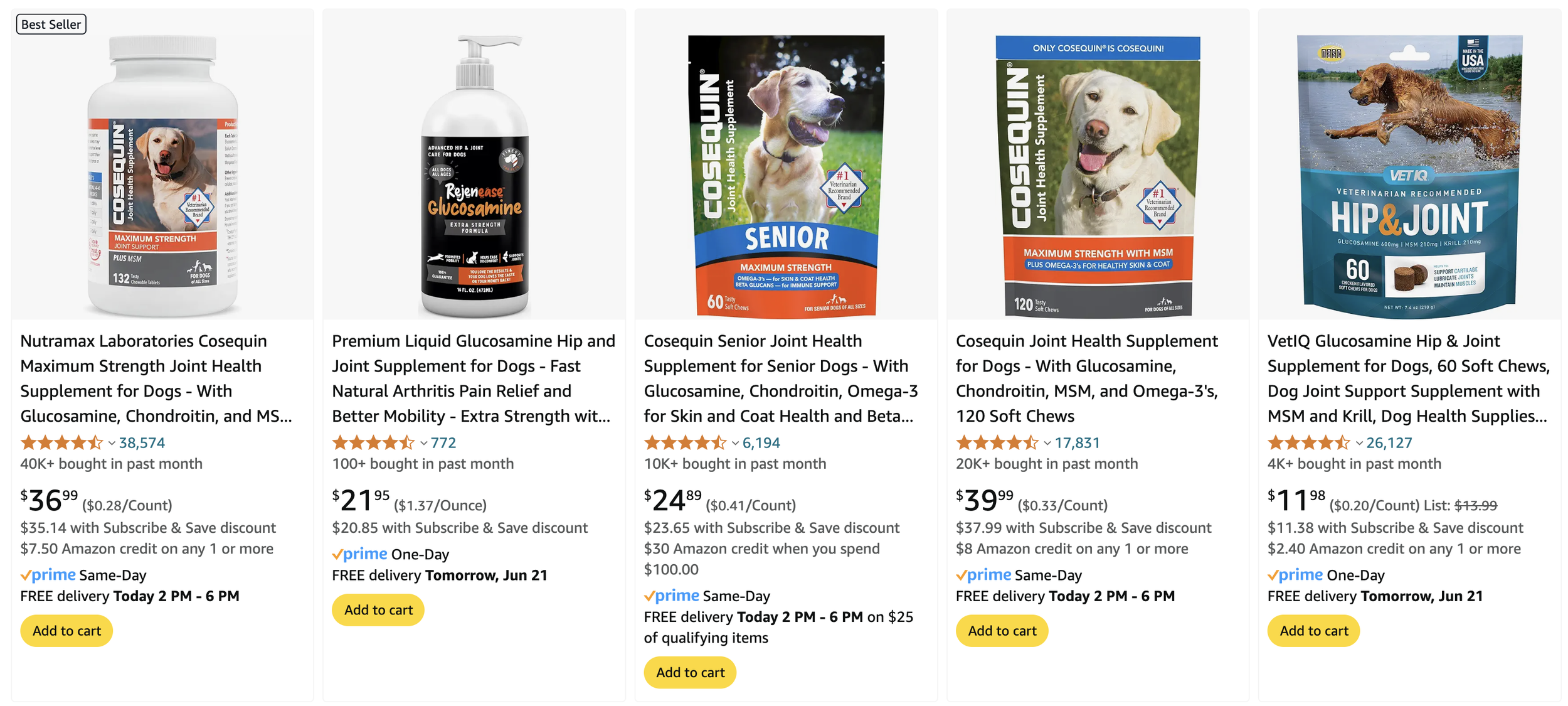
Choosing the right supplement for your dog’s hip dysplasia is important. The right choice can help ease pain and improve joint function. Not all supplements work the same for every dog. Some ingredients may suit your dog better than others. Understanding key factors helps you pick the best product. Focus on how to give the supplement, its quality, and vet advice.
Dosage And Administration
Correct dosage is vital for effectiveness. Giving too little may not help your dog. Too much can cause side effects. Follow the instructions on the label carefully. Some supplements need to be given with food. Others work better on an empty stomach. Consistency matters. Give the supplement daily at the same time. This helps maintain steady levels in your dog’s body.
Quality And Safety Considerations
Choose supplements made with high-quality ingredients. Look for products tested by third parties. Avoid supplements with fillers or artificial additives. Natural ingredients like glucosamine and chondroitin often work well. Check for clear labels showing ingredient amounts. Safety is key. Make sure the product is made in a clean, certified facility. This reduces risks of contamination.
Consulting Your Veterinarian
Your vet knows your dog’s health history best. Discuss supplement options before starting any product. They can recommend the safest and most effective choices. Your vet can also monitor your dog’s progress. Report any side effects or changes in behavior. This ensures the supplement helps without causing harm. Professional advice is the best guide for your dog’s care.
Credit: www.simonvetsurgical.com
Additional Natural Remedies
Natural remedies can help support dogs with hip dysplasia alongside supplements. These methods focus on improving joint health and reducing discomfort. Simple lifestyle changes often make a big difference in your dog’s mobility and happiness.
Weight Management
Keeping your dog at a healthy weight reduces stress on the hips. Extra pounds increase pressure on joints and worsen pain. Regular weigh-ins help track progress. Feeding balanced portions and avoiding treats keeps weight in check. A lighter dog moves easier and feels better.
Physical Therapy And Exercise
Gentle exercise strengthens muscles around the hips. Swimming is low-impact and helps build muscle without strain. Short walks improve joint flexibility and circulation. Physical therapy guided by a vet can target specific needs. Consistent activity supports joint health and slows decline.
Dietary Adjustments
Feeding a diet rich in omega-3 fatty acids helps reduce inflammation. Fresh vegetables and lean proteins support overall health. Avoid foods with fillers or artificial additives. Some dogs benefit from foods formulated for joint health. Good nutrition fuels healing and eases discomfort.
Monitoring Progress And Adjusting Treatment
Monitoring your dog’s progress during hip dysplasia treatment helps ensure the supplements work well. Regular checks can show if your dog’s condition improves or if changes are necessary. Careful observation and timely adjustments make treatment more effective and keep your dog comfortable.
Tracking Mobility Improvements
Watch how your dog moves each day. Notice if walking, running, or climbing stairs gets easier. Small changes in activity levels can mean the supplements are helping. Keep a simple diary to record your dog’s mobility. Note any new signs of ease or difficulty. This tracking gives clear feedback on treatment success.
Recognizing Side Effects
Supplements might cause mild side effects. Look for signs like upset stomach, itching, or unusual tiredness. These symptoms may show the body’s reaction to the treatment. Early detection prevents serious problems. Stop the supplement and consult a vet if side effects appear.
When To Seek Professional Help
Contact your vet if your dog’s condition worsens or side effects persist. Sudden limping, swelling, or pain needs urgent care. Regular vet visits allow professional assessment of your dog’s progress. They can adjust doses or suggest new treatments for better results.

Credit: www.amazon.com
Frequently Asked Questions
What Are The Best Supplements For Hip Dysplasia In Dogs?
The best supplements include glucosamine, chondroitin, and omega-3 fatty acids. These help reduce inflammation and improve joint health effectively.
How Do Hip Supplements Improve My Dog’s Mobility?
Supplements strengthen cartilage, reduce pain, and enhance joint lubrication. This supports easier movement and less stiffness for dogs with hip dysplasia.
Can Supplements Replace Veterinary Treatment For Hip Dysplasia?
Supplements support but don’t replace veterinary care. Always consult a vet for diagnosis and treatment alongside supplements for best results.
Are Natural Supplements Safe For Dogs With Hip Dysplasia?
Yes, natural supplements like fish oil and turmeric are generally safe. However, consult your vet to ensure proper dosage and avoid side effects.
Conclusion
Choosing the right supplement helps support your dog’s joint health. Good supplements can ease pain and improve movement. Always check ingredients and follow the vet’s advice. Consistency matters for the best results. Healthy hips mean a happier, more active dog.
Keep watching your pet’s progress and adjust care as needed. Small steps add up to big improvements. Give your dog the comfort it deserves every day.


