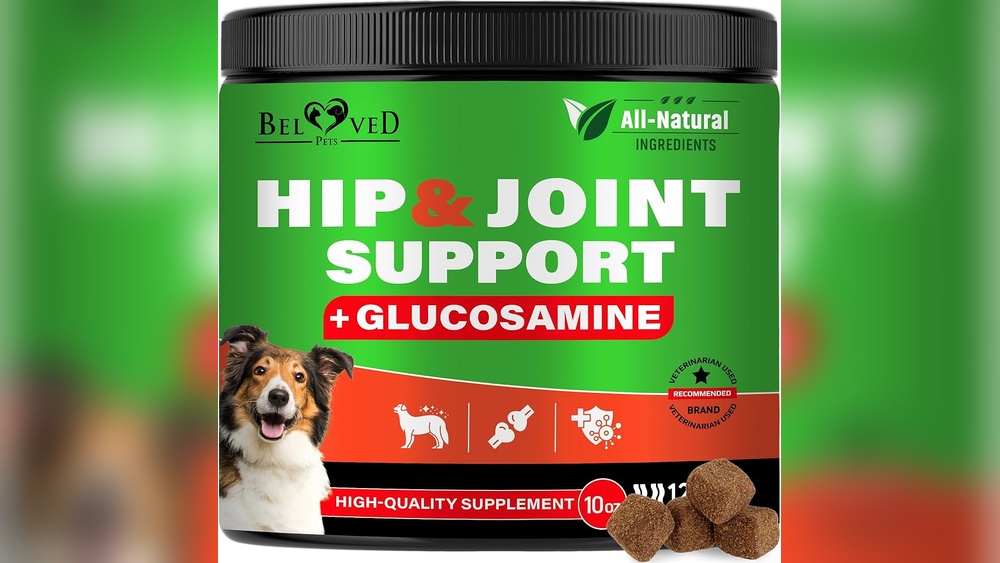
If you want your dog to stay active and happy, taking care of their hips and joints is key. You might have noticed your furry friend struggling to jump or run like before.
That’s where the right treats come in. The best hip and joint treats can help support your dog’s mobility and comfort every day. You’ll discover top options that not only taste great but also boost your dog’s joint health. Keep reading to find the perfect treats that will keep your dog moving with joy!
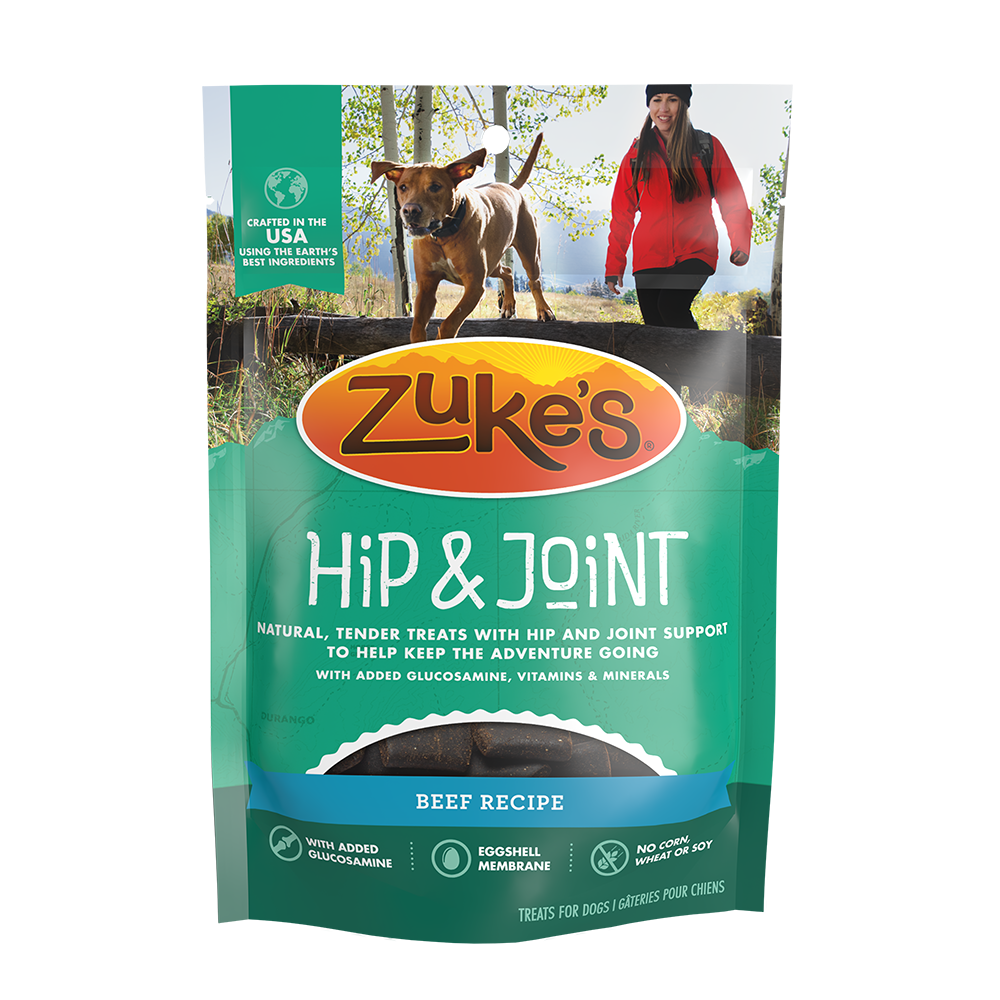
Credit: www.zukes.com
Signs Of Hip And Joint Issues
Hip and joint problems in dogs can cause pain and affect their movement. Early signs may be subtle. Knowing these signs helps you support your dog’s health early. This section explains common symptoms and when to see a vet.
Common Symptoms In Dogs
Dogs with hip or joint issues may limp or favor one leg. They might struggle to stand or climb stairs. Watch for stiffness, especially after rest. Your dog may show less interest in playing or walking. Sometimes, they lick or chew their joints often. Changes in behavior or mood can also signal pain.
When To See A Vet
Visit a vet if your dog shows ongoing limping or difficulty moving. Sudden changes in walking or sitting need attention. If your dog resists exercise or seems unhappy, get a check-up. Early treatment can prevent more serious problems. A vet can diagnose and suggest the best care plan.

Credit: hakoya.co.jp
Key Ingredients For Joint Health
Healthy joints keep dogs active and happy. Certain ingredients in treats support joint health. These ingredients help reduce pain and improve movement. Understanding these key components can guide you in choosing the best treats.
Glucosamine And Chondroitin
Glucosamine and chondroitin are natural compounds found in cartilage. They help repair and protect joint tissues. These ingredients reduce inflammation and ease joint pain. Many dog treats include them to support joint comfort.
Omega-3 Fatty Acids
Omega-3 fatty acids come from fish oils and flaxseed. They reduce joint swelling and stiffness. These fats support a healthy immune system. Treats rich in omega-3 can improve your dog’s joint mobility.
Turmeric And Antioxidants
Turmeric contains curcumin, a powerful anti-inflammatory compound. It helps lower joint pain and swelling. Antioxidants protect joints from damage by harmful molecules. Treats with turmeric and antioxidants promote long-term joint health.
Types Of Hip And Joint Treats
Hip and joint treats come in many forms to suit different dogs’ needs. These treats support joint health and ease discomfort. Choosing the right type helps keep dogs active and happy.
Here are some common types of hip and joint treats available for dogs.
Chewable Supplements
Chewable supplements are popular for joint care. They often contain glucosamine and chondroitin. These ingredients help rebuild cartilage and reduce inflammation. Dogs enjoy their chewy texture, making daily doses easy. Many come in flavors like chicken or beef.
Soft Bites And Biscuits
Soft bites and biscuits offer a tasty way to support joints. Their soft texture suits older dogs or those with dental issues. These treats usually include omega-3 fatty acids and antioxidants. They help reduce joint pain and improve mobility. Perfect as small rewards during training.
Natural And Organic Options
Natural and organic treats use simple, clean ingredients. They avoid artificial additives and fillers. Common ingredients include turmeric, green-lipped mussel, and fish oil. These components naturally reduce swelling and promote joint health. Ideal for owners who prefer holistic care.
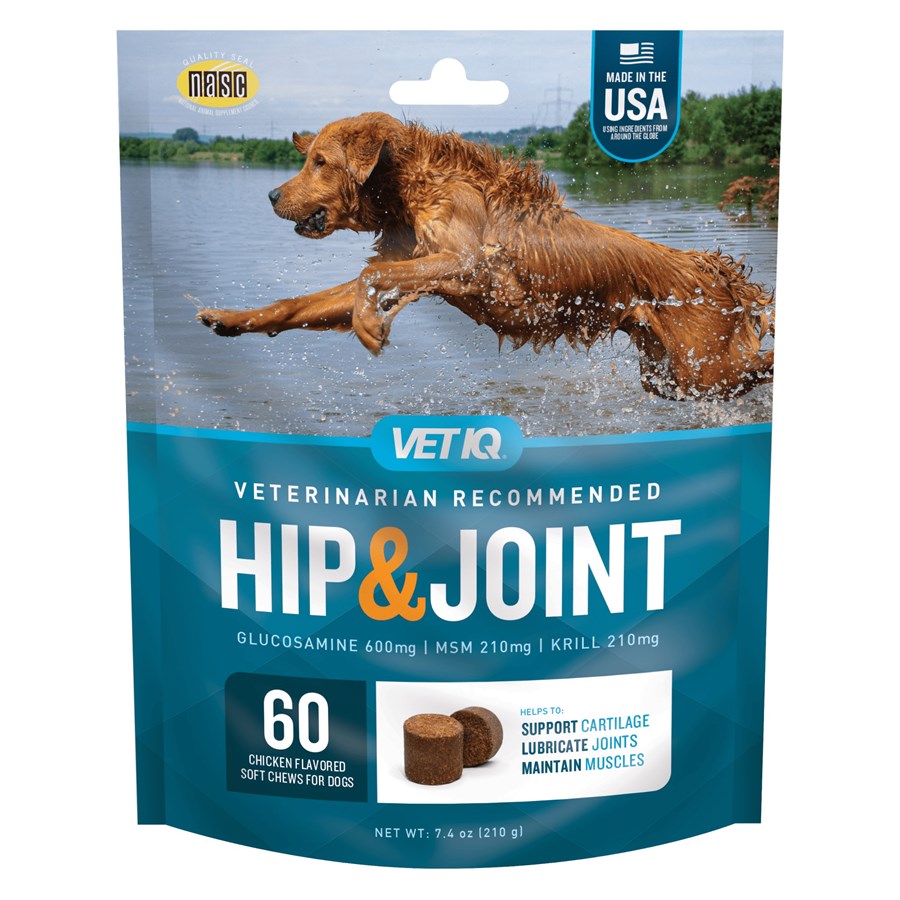
Credit: www.petcarerx.com
Top-rated Treats On The Market
Choosing the right hip and joint treats helps support your dog’s mobility and comfort. Many products are available, but quality and effectiveness vary. This section highlights top-rated treats designed for different dog sizes and budgets. Each option focuses on joint health and ease of use.
Best For Large Breeds
Large dogs need stronger support for their joints. Treats with glucosamine and chondroitin work well. These ingredients help rebuild cartilage and reduce joint pain. Look for treats with added omega-3 fatty acids. They reduce inflammation and improve joint function. Soft chews are easier for big dogs to eat regularly.
Best For Small Breeds
Small dogs require treats that suit their size and metabolism. Smaller treats with balanced nutrients prevent overeating. Ingredients like MSM and hyaluronic acid aid joint lubrication. Soft texture helps older or sensitive teeth. Choose treats with natural flavors to keep your dog interested and happy.
Budget-friendly Choices
Joint health treats do not have to be expensive. Many affordable options provide key ingredients like glucosamine and vitamin E. Look for brands with good reviews for quality and safety. Bulk packs offer better savings for long-term use. These treats help maintain joint health without breaking the bank.
How To Choose The Right Treat
Choosing the right hip and joint treat for your dog can improve their mobility and comfort. Each dog has different needs. Picking the right treat supports their health and keeps them happy. Focus on key factors like age, size, allergies, and ingredients. These help find the best option for your furry friend.
Consider Your Dog’s Age And Size
Young dogs and older dogs need different nutrients. Puppies need gentle formulas that support growth. Older dogs require treats with more joint support. Size matters too. Small dogs need smaller doses. Large dogs may need higher doses to be effective. Choose treats that match your dog’s age and size for best results.
Check For Allergies And Sensitivities
Some dogs have allergies or sensitive stomachs. Avoid treats with common allergens like wheat, soy, or dairy. Watch for symptoms like itching or upset stomach. Choose hypoallergenic treats if your dog has known sensitivities. This keeps your dog safe and comfortable.
Reading Labels And Ingredients
Labels show what is inside the treat. Look for natural ingredients and avoid fillers. Key ingredients like glucosamine and chondroitin support joint health. Avoid treats with artificial colors or preservatives. Clear labels mean better quality and safer treats for your dog.
Tips For Supporting Joint Health
Supporting your dog’s joint health is key for a happy, active life. Simple habits can help protect joints and reduce pain. Small changes make a big difference.
Exercise And Weight Management
Regular exercise keeps joints strong and flexible. Short walks or gentle play work well. Avoid hard running or jumping, especially for older dogs.
Maintaining a healthy weight lowers stress on joints. Overweight dogs face more joint problems. Balanced meals and portion control help keep weight in check.
Regular Vet Checkups
Veterinarians check joint health during routine visits. Early detection of issues leads to better care. Ask your vet about supplements or treatments for joint support.
Regular checkups also help adjust your dog’s exercise and diet plans. This keeps joints healthy as your dog ages.
Combining Treats With Diet
Use joint-friendly treats as a part of a balanced diet. Look for treats with glucosamine, chondroitin, or omega-3 fatty acids. These ingredients support cartilage and reduce inflammation.
Do not rely only on treats. Combine them with high-quality dog food for full nutrition. This approach helps your dog’s joints stay healthy and strong.
Frequently Asked Questions
What Are The Best Hip And Joint Treats For Dogs?
The best hip and joint treats for dogs contain glucosamine, chondroitin, and omega-3 fatty acids. These ingredients support cartilage health and reduce inflammation. Look for treats with natural, high-quality components to ensure your dog’s mobility and comfort.
How Do Hip And Joint Treats Benefit My Dog?
Hip and joint treats improve joint flexibility and reduce pain from arthritis or injury. They help rebuild cartilage and lubricate joints. Regular use can enhance your dog’s mobility and overall quality of life.
Are Hip And Joint Treats Safe For All Dog Breeds?
Yes, most hip and joint treats are safe for all dog breeds. However, always check ingredient lists for allergies. Consult your vet before starting new supplements, especially for puppies, seniors, or dogs with health issues.
When Should I Start Giving My Dog Joint Treats?
Start joint treats as early as middle age or when signs of stiffness appear. Early supplementation can prevent joint problems. For dogs with arthritis, treats can provide relief and improve movement.
Conclusion
Choosing the right hip and joint treats helps dogs stay active and happy. These treats support joint health and ease discomfort. Always pick treats with natural ingredients and good reviews. Regular use can improve mobility and comfort for your dog.
Remember to check with your vet before starting new treats. Healthy joints mean more playtime and fun for your dog. Small steps lead to big improvements in their quality of life. Treat your dog well, and they will thank you with wagging tails.