If you have a large dog, you know how important it is to keep their hips and joints healthy. These areas take a lot of strain because of their size and activity level.
But how do you find the best hip and joint support that truly works for your furry friend? You want something safe, effective, and easy to use. You’ll discover top solutions that can help your dog move comfortably and stay active for years to come.
Keep reading to learn how you can give your large dog the care they deserve.
Common Hip And Joint Issues
Hip and joint problems are common in large dogs. These issues can cause pain and limit movement. Understanding these problems helps in early care and better treatment.
Large dogs carry more weight, which puts stress on their joints. Their hips and knees often face wear and tear. This can lead to long-term damage if untreated.
Causes Of Joint Problems
Genetics play a big role in joint health. Some breeds are more likely to develop hip dysplasia or arthritis. Poor diet and lack of exercise also weaken joints. Injuries from rough play or accidents add to joint damage. Obesity increases pressure on hips and knees. Aging naturally wears down joint cartilage. These factors combined make joint problems common in large dogs.
Symptoms In Large Dogs
Watch for limping or favoring one leg. Stiffness after rest or in the morning is a sign. Difficulty in standing or climbing stairs shows joint pain. Swelling around hips or knees can appear. Reduced activity or reluctance to play is common. You might notice your dog licking or biting a sore joint. Early detection helps manage pain and improve quality of life.
Credit: wuffes.com
Preventive Measures
Preventive measures play a key role in keeping large dogs’ hips and joints healthy. Early care helps avoid pain and mobility problems later. A few habits can protect your dog’s joints and improve their quality of life.
Diet And Nutrition Tips
Feeding your dog a balanced diet supports strong joints. Choose foods rich in omega-3 fatty acids. These help reduce joint inflammation and pain. Include supplements like glucosamine and chondroitin. They promote cartilage health and repair. Avoid overfeeding to prevent extra weight. Excess weight puts stress on hips and joints.
Exercise And Weight Management
Regular exercise keeps muscles and joints strong. Low-impact activities like swimming or walking are best. Avoid high-impact exercises that strain joints. Watch your dog’s weight closely. Maintaining a healthy weight lowers joint stress. Control treats and portion sizes. Consistent activity and weight control protect large dogs’ hips and joints.
Supplements For Joint Health
Joint health is very important for large dogs. Their size puts extra stress on hips and joints. Supplements can help keep joints strong and reduce pain. They support cartilage, ease stiffness, and improve movement.
Choosing the right supplement can make a big difference. Some ingredients have strong research backing their benefits. Others help reduce inflammation or support overall joint function. Knowing the best options helps your dog stay active and happy.
Glucosamine And Chondroitin
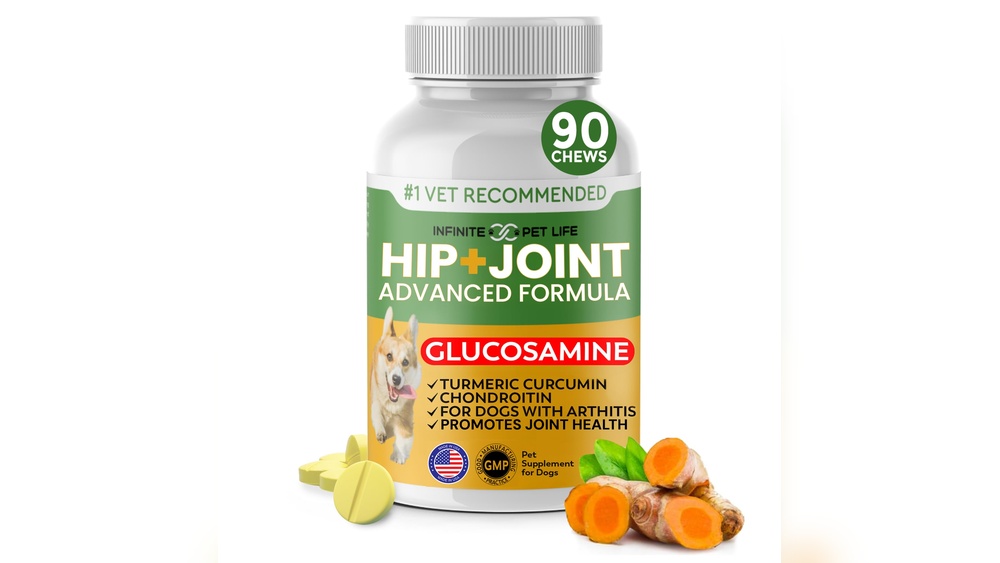
Glucosamine and chondroitin are popular for joint support. They help rebuild cartilage and keep joints flexible. These supplements may reduce joint pain and improve mobility. Many vets recommend them for dogs with arthritis or joint problems.
They work best with regular use over time. Often found together in one product. Always check the dosage suitable for large dogs.
Omega-3 Fatty Acids
Omega-3 fatty acids reduce joint inflammation. They come from fish oil and certain plants. These fats help ease stiffness and improve joint comfort. Omega-3 also supports heart and skin health. A natural way to support your dog’s joints daily.
Other Beneficial Supplements
Other supplements like MSM and turmeric also support joints. MSM helps reduce pain and swelling. Turmeric contains curcumin, a natural anti-inflammatory. Some dogs benefit from vitamin E or collagen supplements too. Always consult your vet before adding new supplements.
Medications And Treatments
Medications and treatments play a key role in managing hip and joint problems in large dogs. These options help reduce pain, improve movement, and support joint health. Choosing the right treatment depends on the dog’s condition and needs. Veterinarians often combine several methods for the best results.
Pain Relief Options
Pain relief is the first step in helping dogs with joint issues. Veterinarians may recommend medications like acetaminophen or tramadol. These drugs help ease discomfort and improve the dog’s quality of life. Some natural supplements, such as glucosamine and chondroitin, also support joint health and reduce pain.
Anti-inflammatory Drugs
Inflammation worsens joint problems and causes stiffness. Non-steroidal anti-inflammatory drugs (NSAIDs) are common treatments. They reduce swelling and pain effectively. Vet-prescribed NSAIDs like carprofen and meloxicam are safe when used properly. Steroids may be used in severe cases but require careful monitoring.
Physical Therapy Techniques
Physical therapy helps improve joint function and muscle strength. Techniques include hydrotherapy, where dogs swim to reduce stress on joints. Massage and stretching exercises increase flexibility and reduce stiffness. Regular controlled movement supports healing and slows disease progression.
Surgical Solutions
Surgical solutions offer a way to help large dogs with severe hip and joint problems. Surgery can reduce pain and improve movement. It is often a last step after other treatments fail. Dogs that suffer greatly may benefit the most from surgery.
Choosing surgery depends on several factors like age, health, and severity. A veterinarian will guide the decision. Understanding the common surgeries helps pet owners prepare for what lies ahead.
When Surgery Is Needed
Surgery is needed when pain stops daily activities. Dogs that cannot walk or run may require surgery. When medicine and therapy do not work, surgery becomes the option. Severe joint damage or dislocation often calls for surgery. Early surgery can prevent further damage in some cases.
Common Surgical Procedures
One common procedure is total hip replacement. It replaces the damaged hip joint with an artificial one. This helps dogs regain normal movement. Another option is femoral head ostectomy. This removes the top of the thigh bone. It reduces pain by stopping bone friction. Joint fusion surgery can also be used. It fuses the bones, making the joint stable but less flexible.
Each surgery has risks and recovery times. A vet will explain the best choice for each dog. Post-surgery care is crucial for success and comfort.

Credit: www.amazon.com
Choosing The Right Product
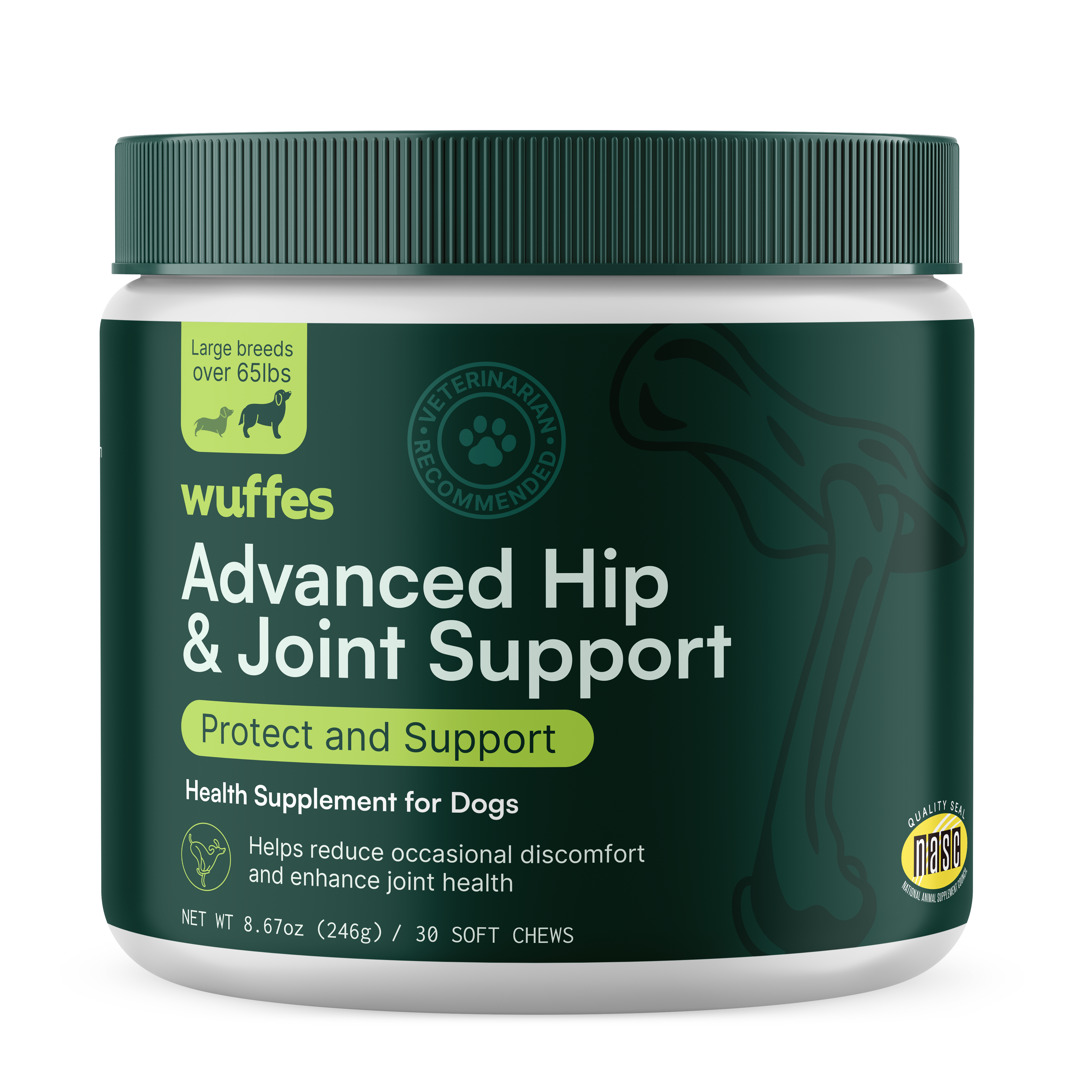
Choosing the right hip and joint supplement for large dogs is very important. These products help support your dog’s mobility and comfort. Not all supplements are the same. Some work better for big breeds than others. Understanding what to look for makes a big difference in your dog’s health.
Factors To Consider
Check the ingredients carefully. Look for glucosamine, chondroitin, and MSM. These support joint health and reduce pain. The dosage must match your dog’s size and weight. Large dogs need higher doses for best results. Also, consider the form of the supplement. Chewables, powders, or liquids. Choose what your dog will take easily.
Quality and safety are key. Pick products made in trusted labs with good reviews. Avoid supplements with fillers or artificial colors. Your dog’s age and health condition matter too. Older dogs or those with arthritis need stronger support.
Top Recommended Brands
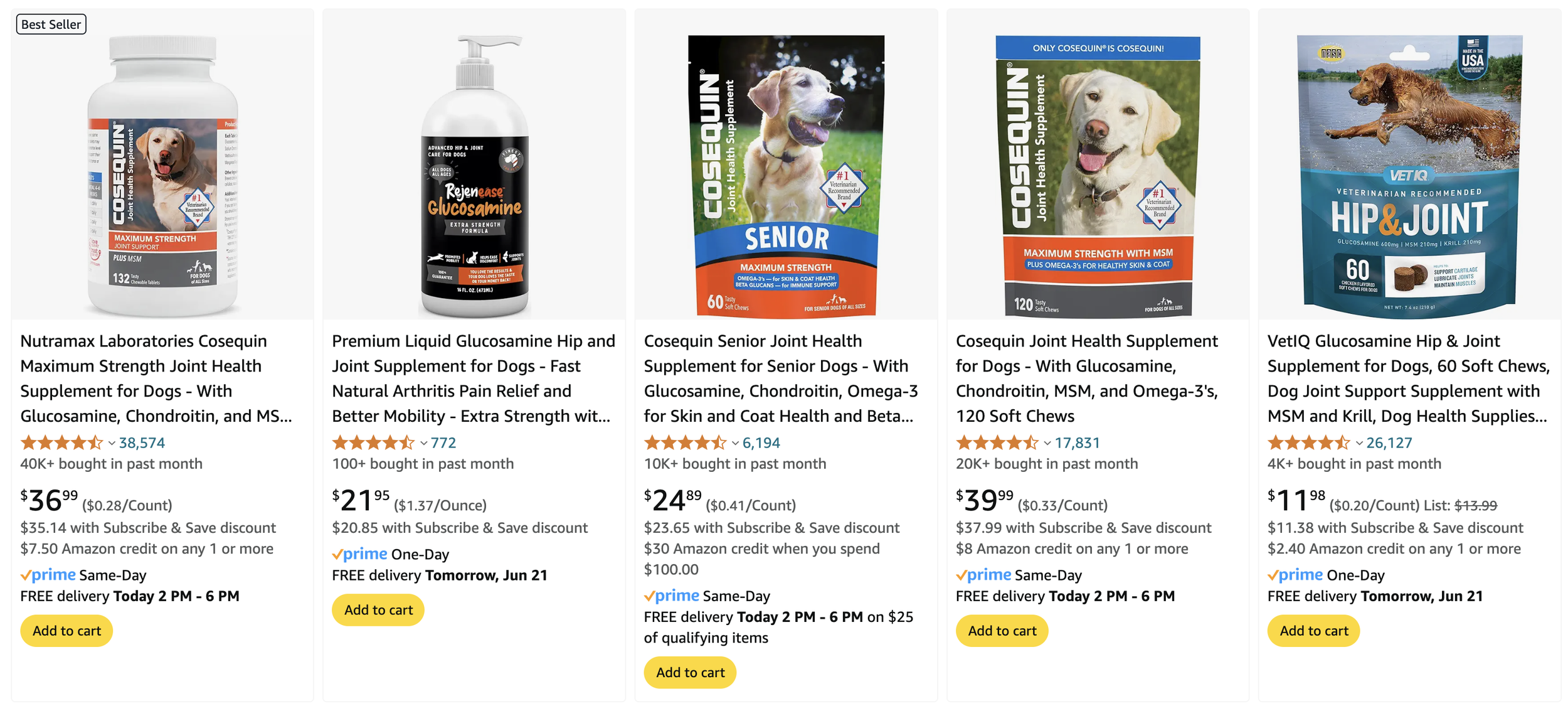
Some brands are known for making good hip and joint supplements for large dogs. Nutramax Dasuquin offers a well-balanced formula. It includes glucosamine and green-lipped mussel for extra benefits. Another reliable brand is VetriScience. Their supplements use natural ingredients and meet high safety standards.
Dog owners also trust Zesty Paws. Their products often include turmeric and omega-3 fatty acids. These help reduce inflammation and improve joint function. Always check for brands with clear ingredient lists and positive customer feedback.
Lifestyle Adjustments
Large dogs with hip and joint issues need lifestyle changes to stay comfortable. These adjustments help reduce pain and support joint health daily. Small changes can improve your dog’s quality of life. Focus on creating a safe and easy environment for your pet.
Home Environment Changes
Make your home easier for your large dog to move around. Use non-slip rugs or mats on slippery floors. Avoid stairs or install ramps to reduce strain on hips and joints. Provide a soft, supportive bed for restful sleep. Keep water and food bowls at a comfortable height. Remove sharp objects or clutter that may cause injury. These changes help your dog stay safe and mobile.
Regular Health Monitoring
Check your dog’s joints and hips often for swelling or pain signs. Watch for limping or difficulty standing up. Keep a record of your dog’s activity and behavior changes. Schedule regular vet visits for professional joint health assessments. Early detection helps manage problems before they worsen. Monitor weight to avoid extra stress on joints. Consistent care keeps your dog healthier longer.
Credit: www.terlikowka-tarnow.pl
Frequently Asked Questions
What Are The Best Hip Supplements For Large Dogs?
The best hip supplements for large dogs include glucosamine, chondroitin, and omega-3 fatty acids. These ingredients support cartilage health, reduce inflammation, and improve joint mobility effectively.
How Do Joint Supplements Help Large Dogs?
Joint supplements improve cartilage repair, reduce pain, and increase flexibility. They help large dogs maintain active lifestyles and prevent arthritis progression.
When Should I Start Hip Care For My Large Dog?
Start hip care early, ideally by age one or before symptoms appear. Early prevention helps avoid joint deterioration and promotes lifelong mobility.
Are Natural Remedies Effective For Dog Joint Health?
Yes, natural remedies like turmeric and fish oil can reduce inflammation and boost joint function. They complement supplements for holistic joint care.
Conclusion
Choosing the right hip and joint supplement helps large dogs stay active. It supports their bones and eases movement. Healthy joints mean your dog enjoys walks and playtime more. Regular care can reduce pain and stiffness. Always pick products made for large breeds.
This keeps your dog comfortable and happy longer. Simple steps protect your dog’s health daily. Good joint care is a key part of dog wellness. Your dog deserves the best support for strong hips.