
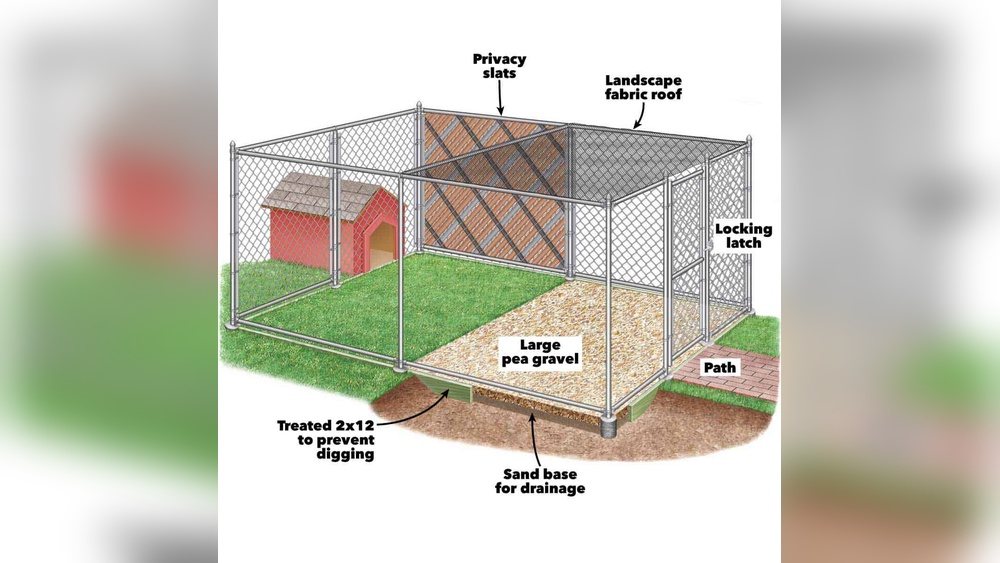
If you want your dog to enjoy a safe and fun outdoor space, choosing the best ground for your dog run is crucial. The right surface keeps your furry friend comfortable, prevents injuries, and makes cleaning up easier for you.
But with so many options out there, how do you know which one suits your dog’s needs best? You’ll discover the top ground choices that will keep your dog happy and healthy while giving you peace of mind. Keep reading to find the perfect fit for your dog run!

Credit: ideal-turf.com
Durable Ground Materials
Choosing durable ground materials for a dog run is important. The right surface keeps your dog safe and comfortable. It also lasts long, saving money and effort. Durable materials stand up to heavy use and weather changes. They prevent muddy messes and help maintain cleanliness.
Durable ground materials offer good traction. They reduce the risk of slips and injuries. Some materials also provide cushioning to protect joints. Proper drainage is another key feature. It keeps the area dry and fresh. Below are popular durable options for dog runs.
Concrete And Asphalt
Concrete and asphalt are strong and long-lasting. They handle rough play and heavy paws well. These surfaces are easy to clean and maintain. Rainwater drains quickly, reducing mud and puddles. Concrete can get hot in summer, so provide shade. Asphalt is slightly softer but still firm for dogs.
Gravel And Crushed Stone
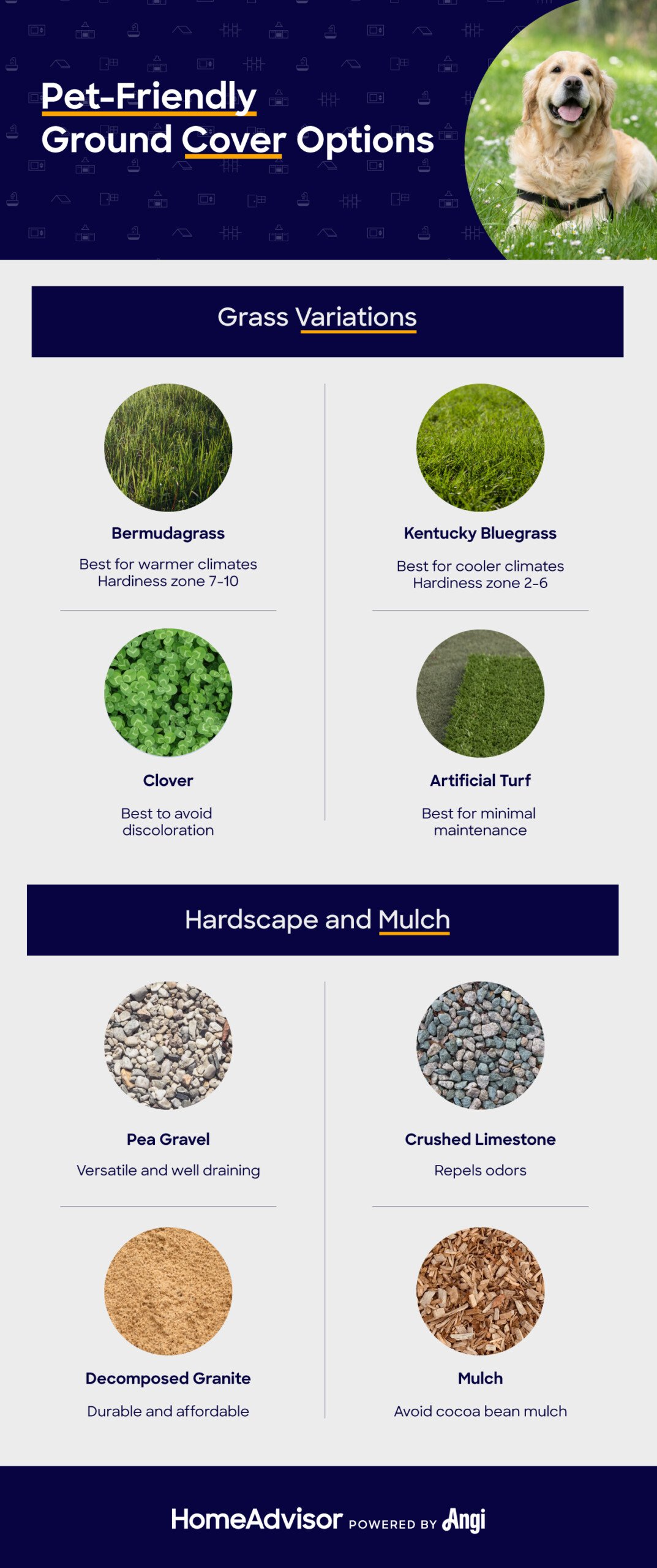
Gravel and crushed stone offer excellent drainage. They keep the area dry after rain. These materials are affordable and simple to install. Small stones can be uncomfortable, so choose smooth, rounded gravel. Regular raking keeps the surface even. Gravel may scatter, so use borders to hold it in place.
Rubber Mats And Tiles
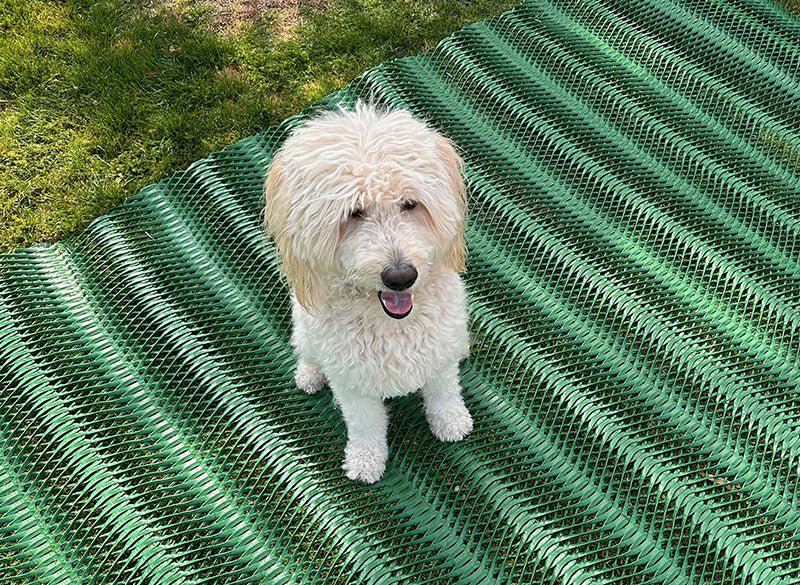
Rubber mats and tiles provide soft, cushioned ground. They protect dogs’ paws and joints from hard impacts. These surfaces are slip-resistant and safe for running. Rubber is easy to clean and dries fast. It works well indoors or outdoors. Choose mats made from non-toxic, pet-safe materials.
Artificial Turf
Artificial turf looks like real grass but is more durable. It stays green all year without mowing or watering. Turf drains well and prevents muddy spots. Soft texture makes it comfortable for dogs to walk and play. It is easy to clean and resists odors. Choose pet-friendly turf designed for durability.
Safe Surfaces For Dogs
Choosing the right surface for a dog run keeps pets safe and happy. Dogs need places to run and play without harm. The ground should protect their paws and joints. Safe surfaces reduce risks of injury and discomfort. This section explains how to pick safe materials for dog runs.
Non-toxic And Pet-friendly Options
Dogs explore with their noses and mouths. Toxic materials can cause sickness or allergies. Use natural and chemical-free surfaces. Avoid treated wood, sharp stones, or harmful plastics. Grass, pea gravel, and rubber mats work well. These options keep dogs safe and healthy.
Soft And Cushioned Grounds
Hard surfaces can hurt dog paws and joints. Soft grounds absorb shock and reduce pain. Sand, mulch, and artificial turf offer cushioning. These materials help older dogs and puppies. Soft surfaces encourage longer playtime and less injury.
Avoiding Sharp And Hazardous Materials
Sharp objects can cause cuts and wounds. Broken glass, nails, or sharp stones pose dangers. Clear the area before building the run. Regular checks keep the ground safe and clean. A hazard-free zone means happy dogs and peace of mind.
Easy-to-maintain Grounds
Choosing the best ground for a dog run means finding an option that stays clean and lasts long. Easy-to-maintain grounds save time and effort. They keep the dog run safe and pleasant for your pet every day.
Drainage And Cleanliness
Good drainage prevents water from pooling on the surface. Wet areas invite mud and dirt, which can be messy and unhealthy. Grounds with proper drainage dry faster and stay cleaner. This reduces bad smells and bacteria buildup. It also keeps your dog’s paws clean and dry.
Resistance To Wear And Tear
The ground should handle heavy use without damage. Dogs run, dig, and play hard. Tough surfaces resist scratches, holes, and bare spots. Materials like gravel, artificial turf, or compacted dirt last longer. They keep the run looking neat and safe for your pet.
Simple Installation And Repairs
Easy installation saves money and time. Some grounds only need leveling or spreading. Repairing worn or damaged spots should be simple too. Quick fixes mean less disruption for your dog. Choose materials that allow fast, low-cost maintenance.
Cost Considerations
Choosing the best ground for a dog run involves thinking about costs. These costs include what you pay at the start and what you pay later for care and fixes. Understanding these costs helps you pick the right ground that fits your budget.
Initial Investment
The first cost is the most obvious. It includes buying the materials and paying for installation. Some grounds like gravel or dirt are cheap to start with. Others like artificial turf or concrete cost more upfront. You also pay for any tools or labor needed. This cost varies a lot depending on your choice.
Long-term Maintenance Expenses
Maintenance costs are the money spent to keep the ground safe and nice. Dirt and grass may need regular filling or reseeding. Gravel can move and need refilling too. Artificial turf needs cleaning but less repair. Concrete is the easiest to clean but can crack and need fixing. Think about how much time and money you can spend over years.
Climate And Weather Impact
Choosing the right ground for a dog run depends a lot on climate and weather. Different weather conditions affect the ground’s durability and comfort for your dog. Some surfaces handle heat well, while others work best in cold or wet weather. Understanding these impacts helps keep your dog safe and happy.
Heat Resistance
Hot weather can damage some ground types. Asphalt and concrete absorb heat and become very hot. This can burn your dog’s paws. Grass and dirt stay cooler. They offer better comfort in the summer. Materials that reflect heat or have shade work best.
Cold Weather Durability
Cold climates bring freezing temperatures and snow. Some surfaces crack or become slippery when frozen. Gravel and rubber mats resist cold well. Grass may die back but still offers soft ground. Choose surfaces that stay safe and stable in winter.
Handling Rain And Mud
Rain makes some grounds muddy and messy. Mud can trap dirt in your dog’s fur. Gravel and artificial turf drain water quickly. They prevent puddles and mud. Proper drainage is key to keeping the dog run clean and dry.
Credit: tda-int.org
Customizing Your Dog Run Ground
Customizing your dog run ground can make a big difference in your dog’s happiness. Each dog has unique needs and energy levels. A well-planned area keeps your dog safe and entertained. Custom touches also help the space fit your yard perfectly. Here are ways to make your dog run ground just right.
Combining Different Materials
Use a mix of materials for comfort and durability. Soft grass areas give your dog a place to rest. Gravel or mulch helps with drainage and reduces mud. Concrete or pavers create a clean spot for food and water bowls. Combining materials keeps the run interesting and easy to clean.
Adding Shade And Shelter
Shade protects your dog from heat and sunburn. Trees, umbrellas, or shade sails work well. A small dog house or shelter offers a dry spot during rain. Shelter also gives your dog a quiet place to relax. Both shade and shelter improve your dog’s comfort and health.
Incorporating Play Features
Play features keep your dog active and happy. Add tunnels, ramps, or small jumps for exercise. Toys like balls and chew bones provide mental stimulation. A water feature can cool your dog on hot days. Play items make the dog run fun and inviting every day.
Credit: zenskapijaca.rs
Frequently Asked Questions
What Is The Best Ground Material For A Dog Run?
The best ground for a dog run is durable, safe, and easy to clean. Options like pea gravel, artificial turf, or compacted dirt provide comfort and good drainage for your dog.
How Does Ground Type Affect Dog Run Maintenance?
Ground type impacts cleanliness and upkeep. Gravel and turf require less maintenance than dirt, which can turn muddy. Choose surfaces that drain well and resist wear to keep the run tidy.
Can Artificial Turf Be Used In Dog Runs?
Yes, artificial turf is a popular choice. It’s soft, easy to clean, and durable. It also prevents muddy patches, making it ideal for year-round use in dog runs.
Is Grass A Good Ground For A Dog Run?
Grass offers natural comfort and is gentle on paws. However, it requires regular care and may get muddy or patchy with heavy use. Proper drainage and maintenance are essential.
Conclusion
Choosing the right ground keeps your dog safe and happy. Soft grass or dirt lets paws move freely and reduces injuries. Avoid hard or rough surfaces that can hurt your dog’s feet. Regularly check the area for sharp objects or holes.
A good dog run ground helps your pet enjoy playtime every day. Think about your dog’s size and energy when picking the ground. With the right choice, your dog will love running and exploring outside. Simple care and attention make a big difference in your dog’s health.


