If you have dogs, you know how important it is to have a yard that can handle their energy and playtime. But not all grass is made to survive paws, digging, and the occasional accident.
Finding the best grass to grow with dogs means choosing a type that stays green, strong, and healthy no matter how much your furry friend runs around. You’ll discover which grasses can stand up to your dog’s active lifestyle and keep your lawn looking great.
Keep reading to learn how to create a perfect outdoor space both you and your dog will love.
Durability Needs For Dog-friendly Grass
Choosing the right grass for a yard with dogs means thinking about durability. Dogs run, jump, and dig. Their activity can damage grass fast. Durable grass holds up better against this wear. It stays green and thick despite heavy use. Picking tough grass helps keep your lawn looking nice and healthy.
Impact Of Dog Activity On Grass
Dogs often create worn spots on lawns. Running causes soil to compact and grass to thin. Digging holes can tear up patches completely. Even urine can burn grass, causing brown spots. Active dogs increase the need for strong, resilient grass types. Grass that recovers quickly is best for busy pets.
Wear And Tear Considerations
Grass must stand up to constant foot traffic. Thick blades and deep roots make grass tougher. Some grass types resist damage better than others. Look for grasses that grow fast and repair easily. Regular lawn care like watering and aeration helps grass survive wear. Durable grass saves time and money on repairs.
Top Grass Types For Active Dogs
Choosing the right grass for yards with active dogs is important. The grass needs to handle wear and tear from running and playing. It should recover quickly and stay green through all seasons. Here are the best grass types that work well with energetic dogs.
Kentucky Bluegrass
Kentucky Bluegrass is soft and durable. It forms a thick lawn that stands up to heavy use. This grass recovers fast from damage, making it perfect for active dogs. It grows well in cool climates and looks lush and green most of the year.
Perennial Ryegrass
Perennial Ryegrass grows quickly and resists wear. It has a fine texture that feels nice under paws. This grass is good for cooler areas and can handle foot traffic. It also seeds easily, so bare spots fill in fast.
Tall Fescue
Tall Fescue has deep roots that help it survive drought and rough play. It stays green in hot and cold weather. This grass type is tough and recovers well, making it a solid choice for busy dogs. It works well in many soil types.
Pet Safety And Grass Selection
Choosing the right grass for your yard matters a lot when you have dogs. Some grasses can harm pets, while others keep them safe and happy. Pet safety starts with picking grass types that are gentle and non-toxic. This helps avoid health problems for your furry friends. Also, the way you care for your lawn can protect your pets from dangerous chemicals. Safe grass and smart care make your yard a fun place for dogs to play.
Non-toxic Grass Varieties
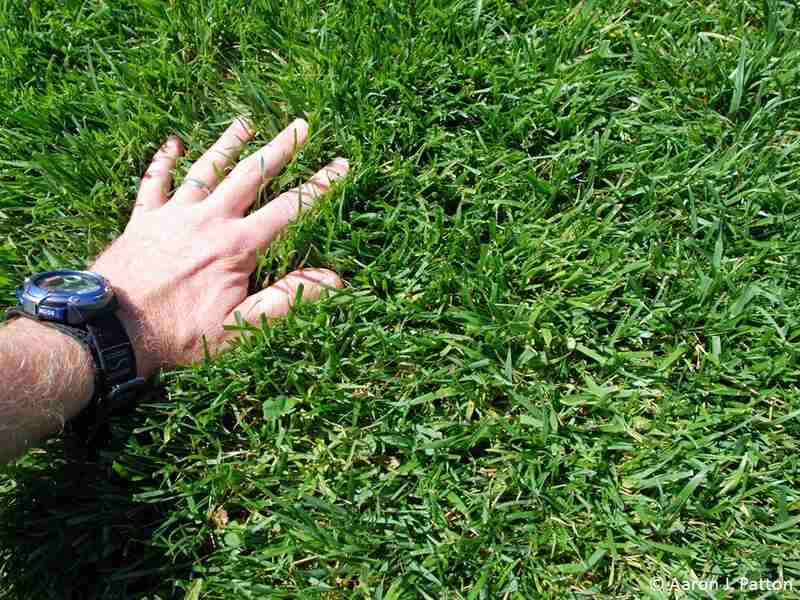
Some grass types are safer for dogs than others. Ryegrass, fescue, and Bermuda grass are gentle and strong. These grasses do not cause allergies or skin problems in dogs. They can handle rough play and are easy to clean. Choosing these kinds helps keep your pets safe from irritation. Avoid grasses that may cause itching or upset stomachs in pets.
Avoiding Harmful Chemicals
Many lawn products can harm dogs. Pesticides, herbicides, and fertilizers might cause sickness. Use natural or pet-safe products instead. Mow and water your lawn regularly to keep it healthy. This lowers the need for strong chemicals. Always read labels to check if a product is safe for pets. Keep your dog off the lawn after applying any treatment.
:max_bytes(150000):strip_icc()/Bermudagrass-6e0afe33aaee49f1bcdc81b7094f4db3.jpg)
Credit: www.thespruce.com
Grass Maintenance With Dogs
Maintaining grass with dogs requires special care. Dogs can cause wear and tear on lawns. Their running, digging, and bathroom habits create challenges. Proper maintenance keeps grass healthy and looking good. Simple steps can repair damage and promote growth. Regular care helps the lawn stay green and strong despite dog activity.
Repairing Damaged Areas
Check your lawn often for bare spots or holes. Fill holes with soil to prevent accidents. Reseed bare patches using grass seed suited for dogs. Lightly cover seeds with soil and water gently. Protect new seed areas from pets until grass grows. Use temporary barriers or keep dogs away. Repairing quickly stops damage from spreading.
Watering And Fertilizing Tips
Water grass deeply but not too often. Early morning watering reduces evaporation and fungus risk. Avoid overwatering to keep roots healthy. Use pet-safe fertilizers to avoid harming dogs. Fertilize during growing seasons for strong grass. Follow product instructions for best results. Healthy grass recovers faster from dog wear.
Alternatives To Natural Grass
Natural grass can be tough to keep green with dogs playing outside. Dogs can dig, run, and leave spots that kill grass. Many pet owners choose alternatives that handle wear and tear better. These options stay neat, safe, and are easy to care for. They also keep your yard looking nice all year.
Artificial Turf Benefits
Artificial turf looks like real grass but needs less care. It does not get muddy or patchy from dog activity. Turf drains water quickly, so puddles do not form. It is soft and safe for dogs to run on. No need to mow or water, saving time and money. Good quality turf does not hold odors. It resists stains and is easy to clean. Dogs enjoy the green space anytime, in any weather.
Ground Covers And Mulch Options
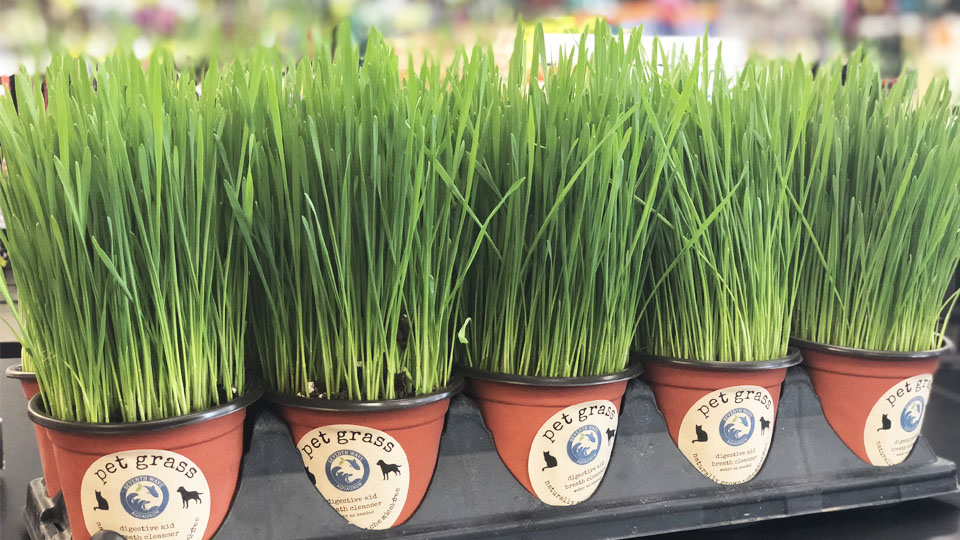
Ground covers can replace grass in some yard areas. Plants like clover or creeping thyme are tough and low. They handle foot traffic and recover fast. Mulch is another option, especially in shaded spots. Wood chips or rubber mulch protect soil and reduce mud. Mulch also stops weeds from growing. Both ground covers and mulch create a natural look. They reduce lawn damage and keep pets comfortable.
Credit: dogbonemarket.com
Credit: lawnlove.com
Frequently Asked Questions
What Is The Best Grass For Dogs To Play On?
Kentucky Bluegrass and Fescue are ideal for dogs. They are durable, soft, and recover quickly from wear and tear caused by pets. These grasses tolerate heavy traffic and resist damage from digging and urine spots, making them perfect for dog-friendly lawns.
How Can I Protect Grass From Dog Urine Damage?
Water the grass immediately after your dog urinates. This dilutes the nitrogen in the urine, reducing burn spots. Also, choose nitrogen-tolerant grasses like Ryegrass or Fescue for better resilience. Regular lawn care and proper watering help maintain healthy grass despite pet use.
Are Synthetic Grasses Safe For Dogs?
Yes, synthetic grass is safe and low-maintenance for dogs. It prevents mud and wear issues and is durable under heavy pet activity. However, ensure it has good drainage and is non-toxic. Clean it regularly to avoid odors and bacteria buildup.
Which Grass Types Resist Digging By Dogs?
Tall Fescue and Bermuda grass are dense and tough, discouraging digging. Their strong root systems make it harder for dogs to dig holes. Training your dog and providing designated play areas also help protect your lawn from damage.
Conclusion
Choosing the right grass helps keep your yard safe and green. Some grasses handle dog wear and tear better than others. They resist damage and recover quickly from rough play. This means less mud and fewer bald spots. Healthy grass also feels nice for your dog’s paws.
Remember to water and care for your lawn regularly. A strong lawn makes your outdoor space more fun. Pick grass that fits your climate and your dog’s needs. Enjoy a beautiful yard where both you and your dog can relax.