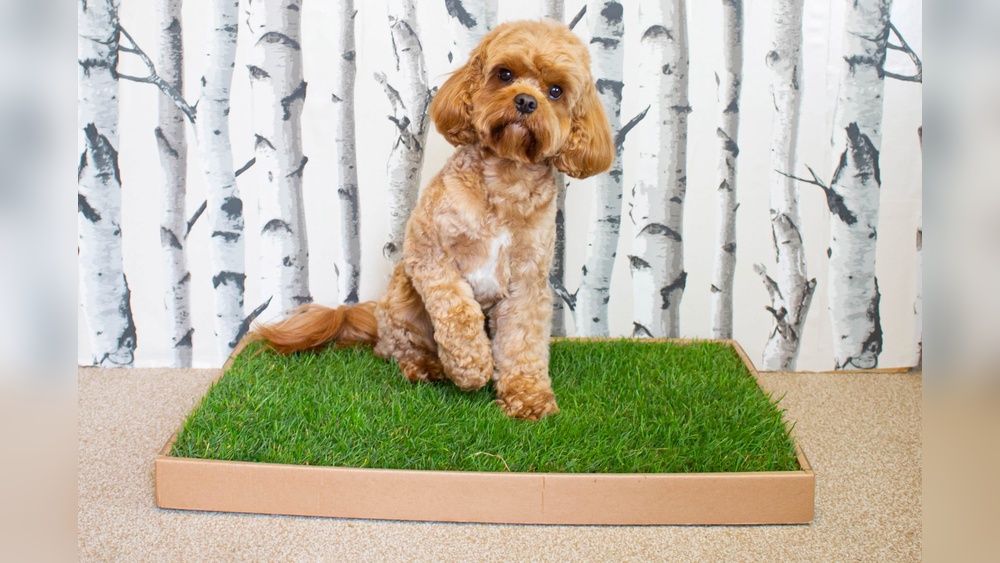
Are you tired of muddy paws and brown spots ruining your yard? Finding the best grass patch for dogs can change everything.
Imagine a lawn that stays green, looks great, and stands up to your furry friend’s daily adventures. You’ll discover simple tips and top choices to keep your dog happy and your yard beautiful. Ready to transform your outdoor space? Let’s dive in!
Choosing The Right Grass Type
Choosing the right grass type for your dog’s patch is important. The grass must handle wear and tear. It should be safe and comfortable for your pet. Many options exist, so pick wisely. The type of grass affects cleanliness, durability, and your dog’s happiness.
Natural Vs Synthetic Grass
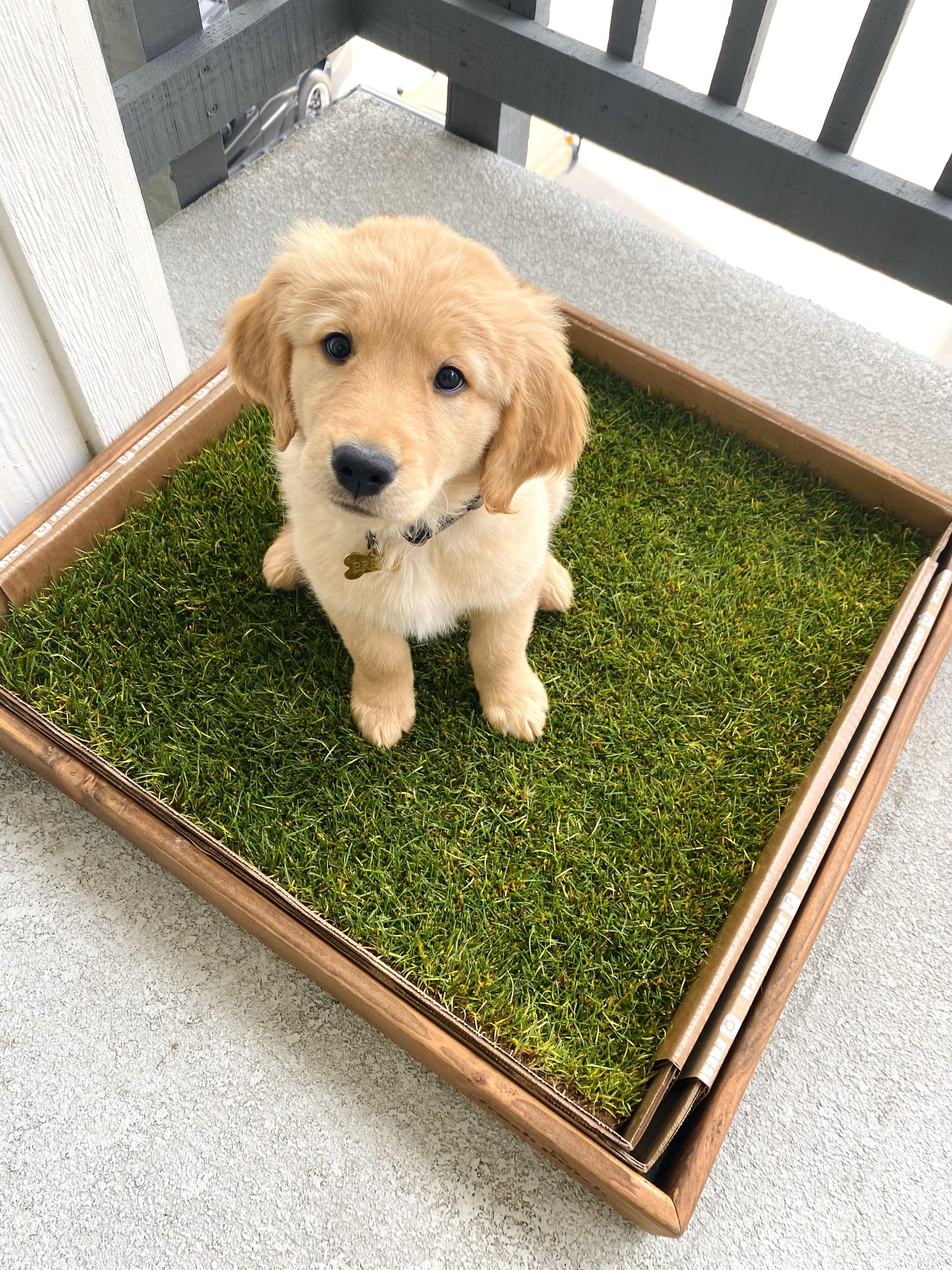
Natural grass feels soft and cool under paws. It absorbs urine and offers a fresh smell. But, it needs water and sunlight to grow well. Some dogs dig or chew natural grass, causing damage.
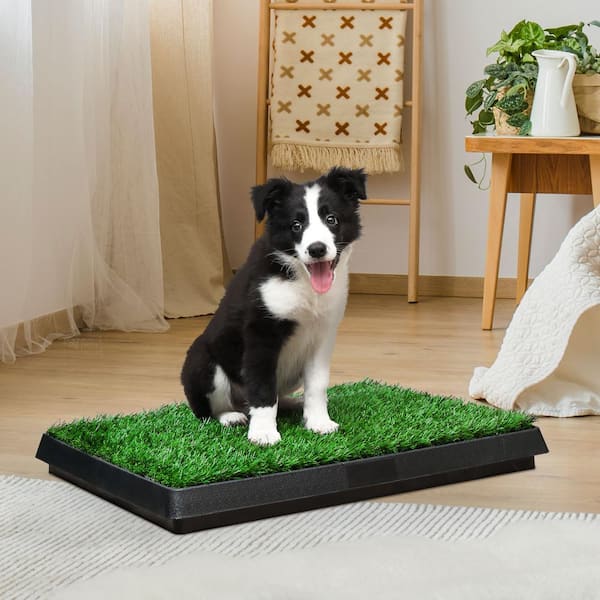
Synthetic grass stays green all year. It requires less water and no mowing. Easy to clean and resistant to digging. It does not get muddy or patchy. Synthetic grass can get hot under the sun.
Durable Grass Varieties
Choose grass that stands up to heavy use. Kentucky bluegrass and Bermuda grass are strong choices. They recover fast from wear and tear. Fescue grass grows well in cooler climates. Ryegrass is good for quick growth and repair.
Pick grass types that suit your climate. Durable grass lasts longer and saves money.
Pet-safe Grass Options
Some grasses are safer for dogs than others. Avoid grasses with sharp blades or toxic chemicals. Clover and buffalo grass are gentle on paws. Check that no pesticides or fertilizers harm your pet.
Pet-safe grass keeps your dog healthy and happy. It reduces allergies and skin irritations.
Credit: opencontabilidade.com
Benefits Of Synthetic Grass
Synthetic grass offers many benefits for dog owners. It creates a safe and clean space for dogs to play. This type of grass looks natural and stays green all year. It needs less work than natural grass. Synthetic grass can handle heavy use without damage. Dogs enjoy running and resting on it.
Low Maintenance Features
Synthetic grass does not need watering or mowing. It stays neat without fertilizers or pesticides. This saves time and money for owners. There is no need to fix bare spots or mud. Synthetic grass stays soft and comfortable for dogs. It keeps its color and shape easily.
Weather Resistance
Synthetic grass works well in all weather conditions. It does not turn brown or patchy in heat. Rain does not make it muddy or slippery. Snow melts quickly on synthetic grass. It remains usable during winter and summer. Dogs can enjoy the yard any day.
Easy Cleaning And Odor Control
Synthetic grass cleans easily with water or mild soap. Dog waste can be removed without stains. The material drains water fast to avoid puddles. It helps reduce bad smells from urine. Regular rinsing keeps the area fresh. This makes it a hygienic choice for pets.
Natural Grass Varieties For Dogs
Choosing the right natural grass for your dog’s patch is important. Dogs love to play, dig, and rest on soft, safe grass. Natural grass varieties vary in texture, durability, and care needs. Some grasses handle heavy use better. Others stay green with less water. This guide helps you find good options for your dog’s outdoor space.
Kentucky Bluegrass
Kentucky Bluegrass is soft and dense. It feels good under your dog’s paws. This grass recovers fast from wear and tear. It grows well in cool climates. It needs regular watering to stay green. Kentucky Bluegrass resists dirt patches caused by running or digging. It also has a fresh smell that dogs enjoy.
Fescue Grass
Fescue Grass is tough and drought-resistant. It grows well in shaded areas. This grass stays green longer during dry spells. Fescue has narrow blades that feel soft. It tolerates foot traffic and digging. Fescue needs less mowing than other grasses. It works well in moderate climates with some sun.
Bermuda Grass
Bermuda Grass is strong and fast-growing. It handles heat and heavy use well. This grass is great for sunny places. It recovers quickly from damage. Bermuda Grass forms a thick mat that stops weeds. It needs regular mowing to look neat. Dogs find it comfortable for running and resting.
Installation Tips For Grass Patches
Maintaining a healthy grass patch for dogs takes some effort. Grass can get worn out by pets running and playing. Proper care helps keep the grass green and safe for pets. Simple steps can make the grass last longer and look better.
Regular Cleaning Routines
Clean the grass patch daily to remove pet waste. Use a small scoop or bag to pick up solid waste. Rinse the area with water to reduce odors and bacteria. Regular cleaning keeps the grass fresh and healthy.
Repairing Damaged Areas
Check the grass for spots where dogs dig or run a lot. Fill bare patches with fresh soil and grass seed. Protect repaired areas until new grass grows strong. Repairing quickly stops damage from spreading.
Fertilizing And Watering
Feed the grass with pet-safe fertilizer to help it grow. Water the grass lightly but often, especially in dry weather. Avoid overwatering to prevent muddy spots. Proper feeding and watering keep the grass thick and green.
Maintaining Grass For Pets
Choosing the best grass patch for dogs is not just about appearance. Many pet owners face common challenges that affect the grass quality and their dog’s comfort. Understanding these challenges helps keep the grass healthy and safe for pets. Below are key issues and simple solutions to maintain a perfect dog-friendly lawn.
Dealing With Pet Urine Spots
Dog urine often causes yellow or brown spots on the grass. This happens because urine has high nitrogen levels. These spots can harm the grass and make it look patchy. To reduce damage, water the area after your dog urinates. This helps dilute the nitrogen and protects the grass roots. Choosing grass types like fescue or ryegrass can also resist urine damage better than others.
Preventing Digging And Wear
Dogs love to dig, but this can ruin a grass patch quickly. Digging creates holes and bare spots, which spoil the lawn’s look. Providing your dog with a digging zone can help protect the grass. Using tough grass varieties like Bermuda or Kentucky bluegrass can handle heavy play. Regular lawn care, such as reseeding and aeration, keeps the grass strong and ready for action.
Managing Allergies And Sensitivities
Some dogs have allergies to certain grass types or chemicals used on lawns. These allergies cause itching, redness, or discomfort. Choosing hypoallergenic grass species like zoysia or buffalo grass reduces irritation. Avoid chemical fertilizers and pesticides that may trigger sensitivities. Natural lawn care products and regular cleaning of the grass patch keep your dog safe and happy.
Credit: www.visco-foam.com

Credit: www.amazon.com
Frequently Asked Questions
What Is The Best Grass Type For Dogs?
The best grass type for dogs is durable and non-toxic. Kentucky Bluegrass, Bermuda, and Fescue are popular choices. These grasses withstand heavy play and are safe if ingested, ensuring a healthy and comfortable outdoor space for your dog.
How To Maintain A Grass Patch For Dogs?
Regular watering, mowing, and removing pet waste keep grass healthy. Use pet-safe fertilizers and reseed worn areas. Proper maintenance prevents damage and keeps the patch green, clean, and safe for your dog to enjoy.
Can Dogs Damage Natural Grass Patches?
Yes, dogs can damage grass by digging, urine spots, and heavy traffic. Choosing resilient grass and proper lawn care helps minimize damage. Training your dog to use specific areas also protects the grass patch effectively.
Is Artificial Grass Safe For Dogs?
Artificial grass is generally safe for dogs. It is durable, low-maintenance, and easy to clean. However, ensure it has proper drainage and is made from pet-friendly materials to avoid overheating and discomfort for your dog.
Conclusion
Choosing the best grass patch for dogs makes a big difference. It keeps your yard clean and safe. Healthy grass means happy dogs and less mess indoors. Think about durability, comfort, and easy care. A good patch saves time and money in the long run.
Your dog will enjoy a soft place to play and rest. Simple steps lead to a better outdoor space for your pet. Give your dog the best spot to enjoy every day.