
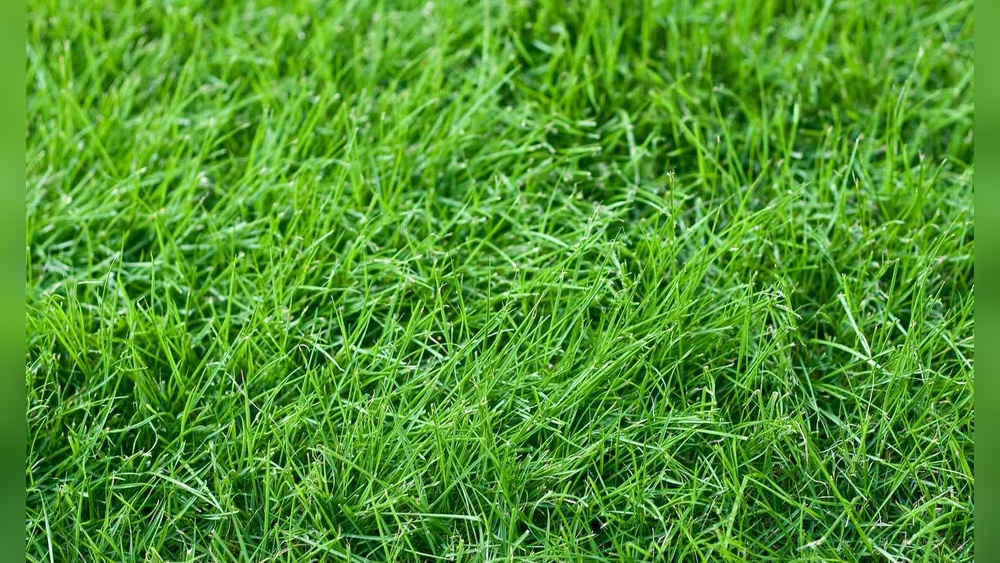
If you have dogs, you know how tough it can be to keep your yard looking green and healthy. Your furry friends love to run, dig, and play, but their energy can quickly turn your grass into a patchy mess.
Choosing the best grass for a yard with dogs is key to creating a space that stays beautiful and lasts longer. You’ll discover which types of grass can handle your pets’ activity, resist wear and tear, and stay lush all year round.
Keep reading to find the perfect grass that works for both you and your dogs!
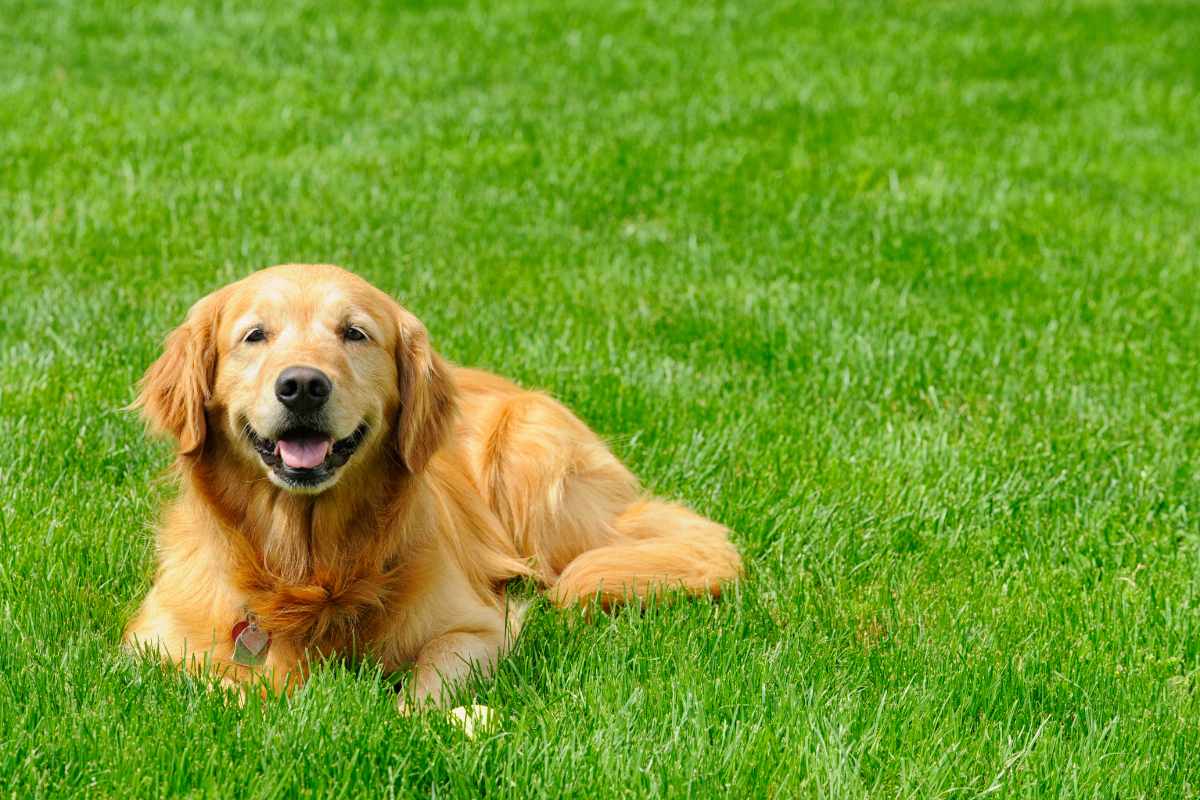
Credit: www.lawnstarter.com
Durable Grass Types For Dog Owners
Durable grass is essential for yards with dogs. Dogs run, dig, and play, which can damage regular grass. Choosing tough grass types helps keep the yard green and healthy. Durable grasses resist wear and recover quickly. They also handle pet urine better. Strong grass means fewer bare spots and less dirt.
Tough Warm-season Grasses
Warm-season grasses thrive in hot weather. They grow fast and stand up well to rough play. Bermuda grass is a popular choice. It spreads quickly and recovers from damage. Zoysia grass is another option. It grows dense and resists foot traffic. Both types handle heat and drought well. Perfect for active dogs in warm climates.
Resilient Cool-season Grasses
Cool-season grasses do well in cooler climates. Kentucky bluegrass is strong and recovers fast. Tall fescue has deep roots that help it survive heavy use. Perennial ryegrass grows quickly and fills in bare spots. These grasses stay green longer in cool weather. They tolerate shade and moisture better. Great for dog owners in northern areas.
Artificial Turf Options
Artificial turf offers a durable, low-maintenance alternative. It resists digging and heavy wear. Modern turf looks natural and drains water well. No mud or bare patches to worry about. It stays green all year round. Easy to clean and safe for dogs. Ideal for yards with constant pet activity or tough soil.
Pet-friendly Grass Characteristics
Choosing the right grass for a yard with dogs means focusing on pet-friendly traits. Grass must be safe, soft, and tough enough to handle dog activities. These features protect pets and keep the lawn healthy. Understanding these key characteristics helps create a yard where dogs can play freely without harm or damage.
Non-toxic And Safe Varieties
Grass must be non-toxic for pets. Some grass types can cause allergies or stomach issues. Safe grasses avoid harmful chemicals and pesticides. Popular options include fescue, ryegrass, and Bermuda. These grasses do not release toxins. They reduce risks of skin irritation or poisoning. Choosing safe varieties keeps dogs healthy and happy.
Softness And Comfort
Dogs enjoy soft grass that feels good on their paws. Soft grass reduces the chance of scratches or cuts. It also provides a comfortable surface for resting or playing. Fine-textured grasses like Kentucky bluegrass and tall fescue offer extra comfort. A soft lawn encourages dogs to spend more time outside.
Resistance To Urine Damage
Dog urine can harm grass by causing brown spots. Some grasses resist urine damage better than others. Ryegrass and tall fescue have strong tolerance to urine. These grasses recover quickly and maintain a green look. Choosing urine-resistant grass helps keep a neat yard despite dog use.
Maintenance Tips For Dog-friendly Lawns
Maintaining a lawn with dogs needs special care. Dogs play, dig, and run, which can hurt the grass. A dog-friendly lawn stays green and strong with the right care. Simple steps keep your yard healthy and safe for pets. Follow these tips to keep your lawn fresh and neat.
Repairing Wear And Tear
Dogs create worn spots and holes in the grass. Fix bare patches quickly to stop them from growing. Remove dead grass and loosen soil before planting new seeds. Use grass types that grow fast and stand rough play. Keep dogs away from repaired areas until grass grows well.
Managing Pet Waste
Dog urine can burn grass and cause brown spots. Clean up solid waste daily to prevent damage and smell. Dilute urine spots with water to reduce grass burn. Train dogs to use one area of the yard to limit damage. Use pet-friendly lawn treatments to protect grass from urine.
Watering And Fertilizing Practices
Water grass deeply but less often to build strong roots. Early morning watering reduces evaporation and disease risk. Use fertilizers safe for pets and follow package instructions. Avoid over-fertilizing, which can harm grass and pets. Regular care with water and nutrients keeps grass thick and healthy.
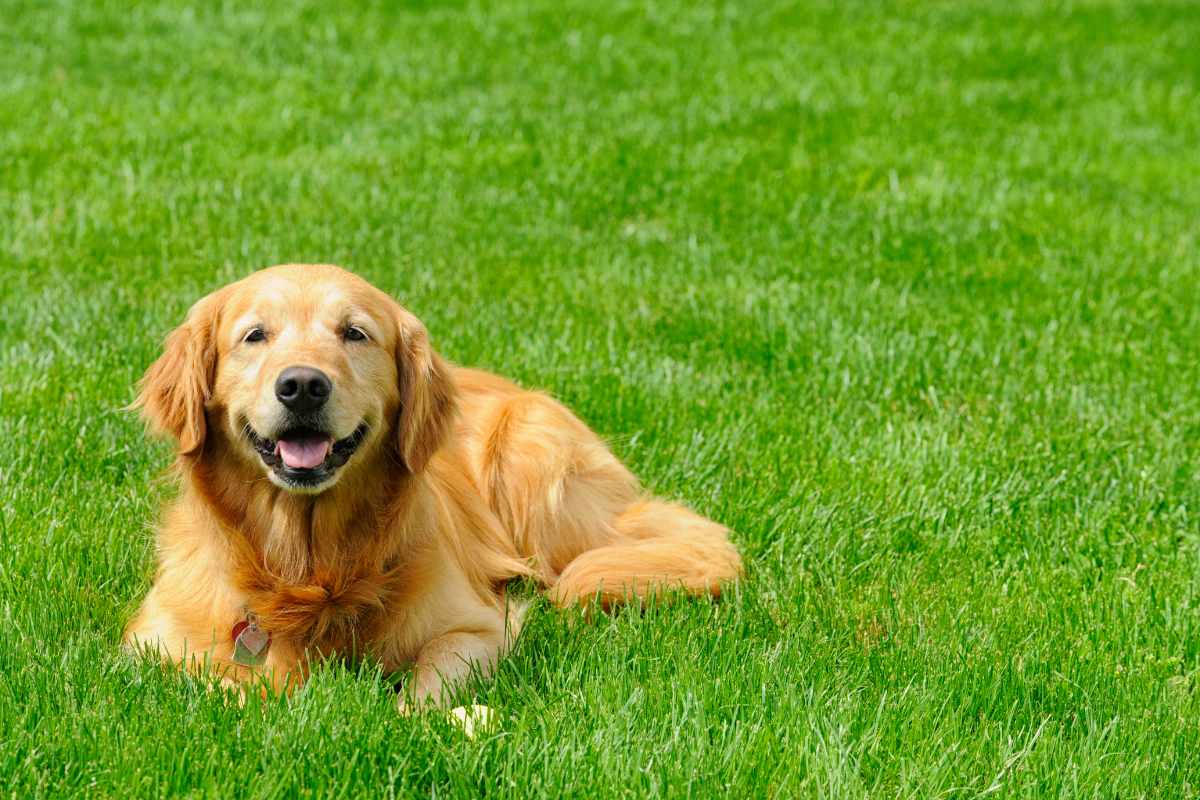
Credit: www.lawnstarter.com
Grass Installation And Care
Installing and caring for grass in a yard with dogs needs special attention. The grass must be tough and safe for pets. Proper installation helps grass grow strong and last longer. Good care keeps the grass healthy and green, even with active dogs running around.
Seeding Vs. Sod
Seeding takes more time but costs less. Seeds need water and care to sprout well. Sod offers instant green grass. It is easier to use but costs more. Sod is good for quick results and heavy use. Choose based on your budget and time.
Soil Preparation
Healthy soil helps grass grow better. Remove rocks, weeds, and old grass first. Loosen soil by tilling to allow roots to spread. Add compost or fertilizer to feed the soil. Level the ground for even grass growth. Good soil means strong grass that can handle dogs.
Seasonal Care Advice
Water grass deeply but not too often. Mow grass to keep it neat and healthy. In hot months, water early in the day. In cold months, reduce watering and stop fertilizing. Fix bare spots quickly to avoid dirt patches. Seasonal care keeps grass fresh and dog-friendly.
Common Challenges And Solutions
Having dogs in your yard brings joy and activity. It also brings some challenges for your grass. Dogs love to dig, run, and mark spots. These actions can damage your lawn. Knowing common problems and easy fixes helps keep your grass healthy and green.
Choosing the right grass type is important. Still, you need to manage the effects of your pets. This section covers simple ways to handle digging, patchy spots, and odors.
Dealing With Digging
Dogs dig for fun or to hide toys. Digging makes holes and ruins grass roots. Stop digging by giving your dog a special digging zone. Use soft dirt or sand for that area. Train your dog to dig only there. Cover other parts with stones or mulch to protect grass.
Preventing Patchy Spots
Dog urine causes yellow or dead patches. It has high nitrogen that burns grass. Water the spot quickly after your dog pees. This washes away urine and helps grass recover. Plant tough grass types like Bermuda or Fescue. These grasses handle pet wear better.
Controlling Odors
Dog urine can make your yard smell bad. Clean spots with a mix of water and vinegar. This neutralizes the smell safely. Use natural enzymes or pet-safe sprays to break down odors. Regular lawn care keeps your grass fresh and odor-free.
:max_bytes(150000):strip_icc()/best-grasses-for-dogs-5085279-hero-d2c93258a8b04f9da09c95873aac7d4a.JPG)
Credit: www.thespruce.com
Frequently Asked Questions
What Grass Types Are Best For Yards With Dogs?
Kentucky Bluegrass, Bermuda Grass, and Fescue are top choices. They resist wear, recover quickly, and tolerate pet activity well. These grasses stay lush and green despite frequent running or digging.
How Does Dog Urine Affect Grass Health?
Dog urine contains nitrogen that can burn grass, causing brown spots. Selecting urine-tolerant grasses like Fescue helps reduce damage. Regular watering dilutes urine, protecting your lawn’s health.
Can I Use Artificial Turf For Dog-friendly Yards?
Yes, artificial turf is durable and easy to clean. It resists wear and prevents muddy patches. However, choose pet-safe, non-toxic turf for your dog’s safety.
How Often Should I Water A Dog-friendly Lawn?
Water your lawn deeply two to three times per week. This encourages strong roots and helps grass recover from pet stress. Avoid overwatering to prevent fungal diseases.
Conclusion
Choosing the right grass keeps your yard green and safe for dogs. Tough, soft, and quick-growing grass types work best. They handle wear and bounce back fast. Grass like fescue, Bermuda, and ryegrass are great choices. They stay healthy even with playful pets.
A good lawn makes outdoor time more fun for pets. It also reduces mud and dirt inside your home. Keep watering and mowing regularly for best results. Your dog will thank you with happy, healthy playtimes. A strong, pet-friendly yard means more smiles and less mess.


